

 Send Email
 Whatsapp


Introduction
Global solar buildouts are expanding so quickly that extension cables have become a procurement risk, not a routine line item. In 2026, demand will be shaped less by total installation volume alone and more by project mix, cable gauge requirements, regional manufacturing capacity, and lead-time pressure across residential, commercial, and utility-scale segments. This article outlines where demand is shifting, why specification trends matter for cost and availability, and how buyers can use these signals to plan volumes, reduce sourcing delays, and make more accurate purchasing decisions before supply constraints affect project schedules.

Why PV Extension Cable Demand Matters in 2026
As the global transition toward renewable energy accelerates, balance-of-system components in solar installations face unprecedented scrutiny. While solar panels and inverters often dominate industry headlines, the interconnecting infrastructure is equally critical to the long-term viability and efficiency of any photovoltaic system.
By 2026, the scale of solar deployments is projected to reach historical peaks, fundamentally altering supply chain dynamics. Procurement professionals must understand these shifts, as securing reliable, high-performance cabling infrastructure will be a determining factor in project timelines and overall capital expenditure.
Defining PV Extension Cable Demand
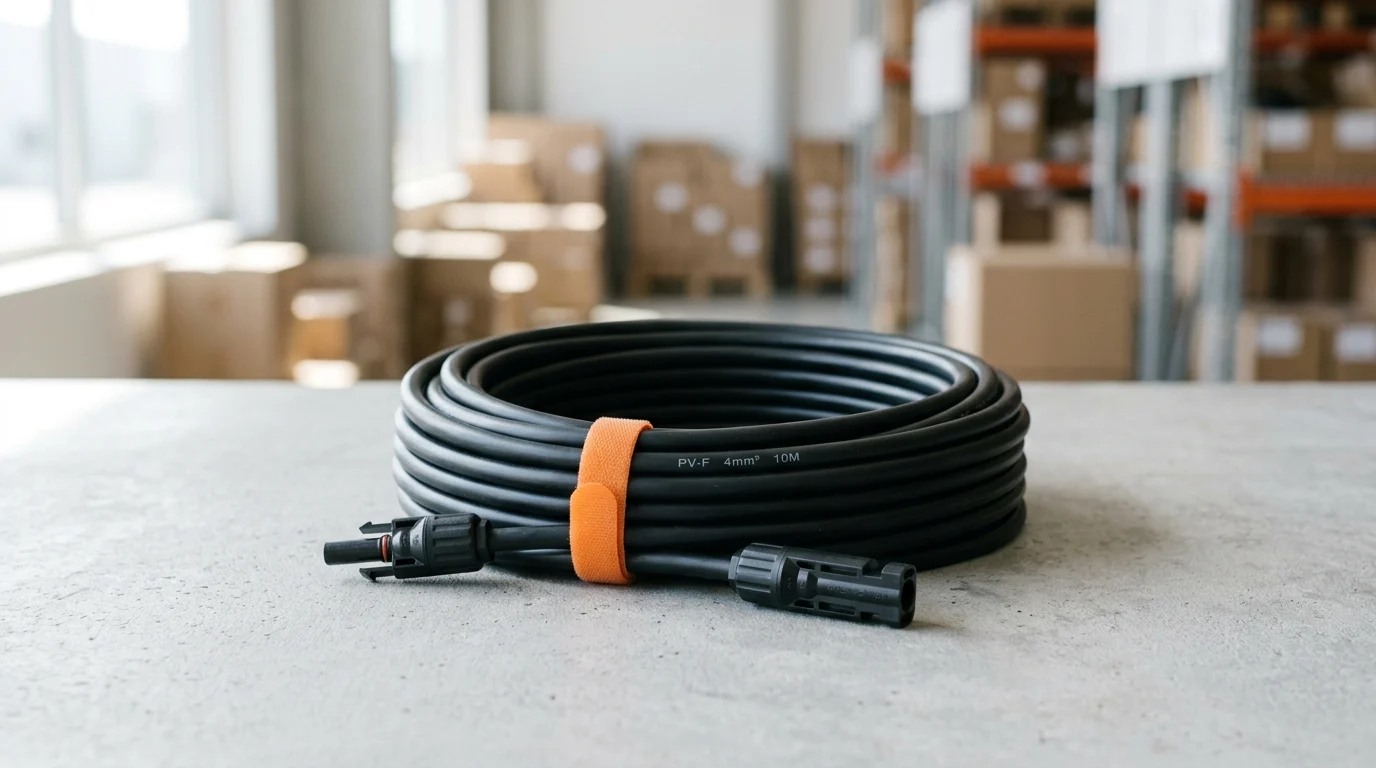
Understanding the exact volume and specifications required for upcoming projects is the first step in mastering the supply chain. Demand is no longer just about gross meterage; it is heavily segmented by application type. Residential setups typically rely on standard 4.0 mm² (12 AWG) cables, whereas modern utility-scale projects increasingly mandate 6.0 mm² to 10.0 mm² (10 to 8 AWG) variants to minimize voltage drop over extensive cable runs. For perspective, a standard 100 MW utility-scale solar farm now requires upward of 400 to 500 kilometers of specialized DC cabling. Tracking these specific PV extension cable demand insights 2026 is essential for buyers attempting to forecast annual procurement volumes accurately and avoid costly project delays caused by material shortages.
Key Commercial Signals Shaping Demand
Several commercial signals are reshaping how these materials are produced and procured. The most prominent driver is the industry-wide migration from 1000V to 1500V DC system architectures. Higher-voltage systems reduce the number of required combiner boxes and overall cabling length, but they demand cables with superior insulation properties, such as electron-beam cross-linked polyethylene (XLPE). Additionally, fluctuating raw material costs play a significant role. Copper, which constitutes approximately 70% to 80% of a PV Cable's manufacturing cost, remains subject to intense market volatility. Aluminum alloys are emerging as a cost-effective alternative for certain utility-scale applications, offering up to a 30% reduction in weight and a 40% reduction in raw material costs, though they require a larger cross-sectional area to match the current-carrying capacity of copper.
Global Demand Shifts for PV Extension Cables
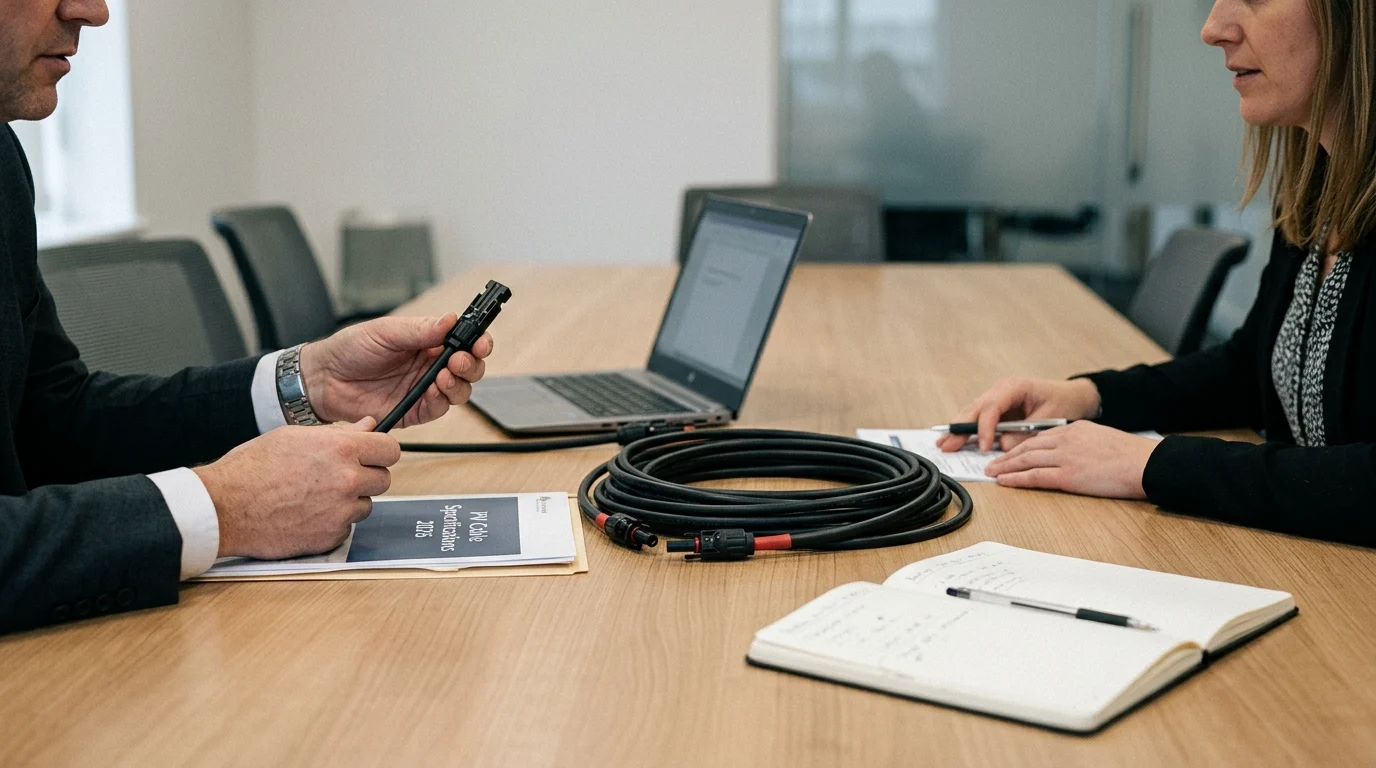
The geographic distribution of solar installations is undergoing a profound realignment. Historically dominated by early adopters in Western Europe and North America, the market is now expanding rapidly across emerging economies.
This geographic diversification forces manufacturers and buyers to navigate a complex web of localized standards, environmental conditions, and trade policies. By 2026, traditional trade routes will be significantly modified by these regional nuances.
Regional Demand Patterns in 2026
In 2026, the European market is projected to see a continued 15% year-over-year increase in decentralized commercial and industrial rooftop solar. This heavily impacts the spot market for short-run, highly flexible extension cables that comply with strict CPR (Construction Products Regulation) fire safety classifications. Conversely, regions such as the Middle East, North Africa, and parts of Latin America are dominating the utility-scale sector. In these environments, cables must endure extreme operational stressors, including high UV exposure, blowing sand, and ambient temperatures frequently exceeding 50°C. Consequently, buyers in these regions are driving massive demand for cables rated for a maximum operating temperature of 90°C (and up to 120°C for 20,000 hours), featuring enhanced ozone and abrasion resistance.
Factors Influencing Buying Decisions
Procurement decisions in 2026 will be heavily influenced by regulatory compliance and geopolitical trade frameworks. Anti-dumping tariffs and local content requirements in key markets are forcing buyers to regionalize their supply chains rather than relying on a single global manufacturing hub. Furthermore, the technical specifications required by local authorities dictate the exact product mix buyers must secure.
| System Voltage | Typical Standard | Min. Conductor Size | Max Operating Temp | Primary Application |
|---|---|---|---|---|
| 1000V DC | EN 50618 (H1Z2Z2-K) | 4.0 mm² | 90°C (120°C for 20k hrs) | Residential / Commercial Rooftop |
| 1500V DC | Ul 4703 / IEC 62930 | 6.0 mm² | 90°C (120°C for 20k hrs) | Utility-Scale Solar Farms |
| 1500V DC (Direct Burial) | UL 4703 (Armored) | 10.0 mm² | 90°C | Extreme Environment Utility |
How Buyers Should Respond to Demand Trends
Navigating the complexities of the 2026 market requires procurement teams to transition from reactive purchasing to highly strategic, data-driven sourcing models.
Volatility in raw material pricing, coupled with shifting regional lead times, means that traditional just-in-time inventory strategies may expose large-scale solar developers to unacceptable levels of risk.
Practical Sourcing Steps for 2026
To mitigate supply chain disruptions, buyers must implement robust forward-purchasing agreements. When London Metal Exchange (LME) copper prices fluctuate between $8,000 and $9,500 per metric ton, securing long-term contracts with index-linked pricing mechanisms can protect project margins. Furthermore, diversifying the supplier base across at least two distinct geopolitical regions can safeguard against sudden port congestion or unexpected trade tariffs. Procurement managers are also advised to maintain a strategic buffer inventory of 15% to 20% for critical cable gauges, particularly the heavily demanded 6.0 mm² 1500V rated lines, ensuring that minor shipping delays do not cascade into major construction bottlenecks.
Decision Criteria for Supplier Selection
Selecting the right manufacturing partner extends far beyond unit price comparisons. In 2026, stringent quality assurance and compliance metrics are non-negotiable. Buyers must evaluate suppliers based on their verifiable defect rates, targeting partners who consistently demonstrate a defect rate below 0.1% per batch. Certifications such as TÜV Rheinland or UL must be current and readily traceable through independent databases. Additionally, flexibility in Minimum Order Quantities (MOQs) is a critical evaluation metric; top-tier suppliers should be capable of accommodating MOQs as low as 10,000 meters for specialized, highly customized UV-resistant variants while scaling up to hundreds of kilometers for standard runs. Finally, buyers must assess the environmental, social, and governance (ESG) footprint of their suppliers, as end-investors increasingly mandate strict carbon accounting throughout the entire solar supply chain.
Key Takeaways
- The most important conclusions and rationale for PV extension cable demand insights 2026
- Specs, compliance, and risk checks worth validating before you commit
- Practical next steps and caveats readers can apply immediately
Frequently Asked Questions
Why is PV extension cable demand becoming harder to forecast in 2026?
Demand is shifting by region, voltage class, and project type. Buyers should forecast by application, conductor size, and compliance standard instead of ordering by total meterage alone.
Which cable sizes are most commonly needed for 2026 solar projects?
Residential and commercial rooftop systems often use 4.0 mm², while utility-scale 1500V projects increasingly need 6.0 to 10.0 mm² to reduce voltage drop on longer runs.
What standards should buyers check before sourcing PV extension cables?
Match the project to local requirements such as EN 50618 for many EU rooftop systems and UL 4703 or IEC 62930 for many 1500V utility installations.
How do harsh climates change PV cable buying decisions?
In hot, dusty, high-UV regions, choose cables with strong UV, ozone, and abrasion resistance, plus 90°C operating ratings and short-term 120°C tolerance where specified.
Should buyers consider aluminum instead of copper for PV extension cables?
Sometimes. Aluminum can cut weight and raw material cost, but it needs a larger cross-section to deliver similar current capacity, so verify design and connector compatibility first.