
 Send Email
 Whatsapp


best cable for solar installation
best cable for solar installation
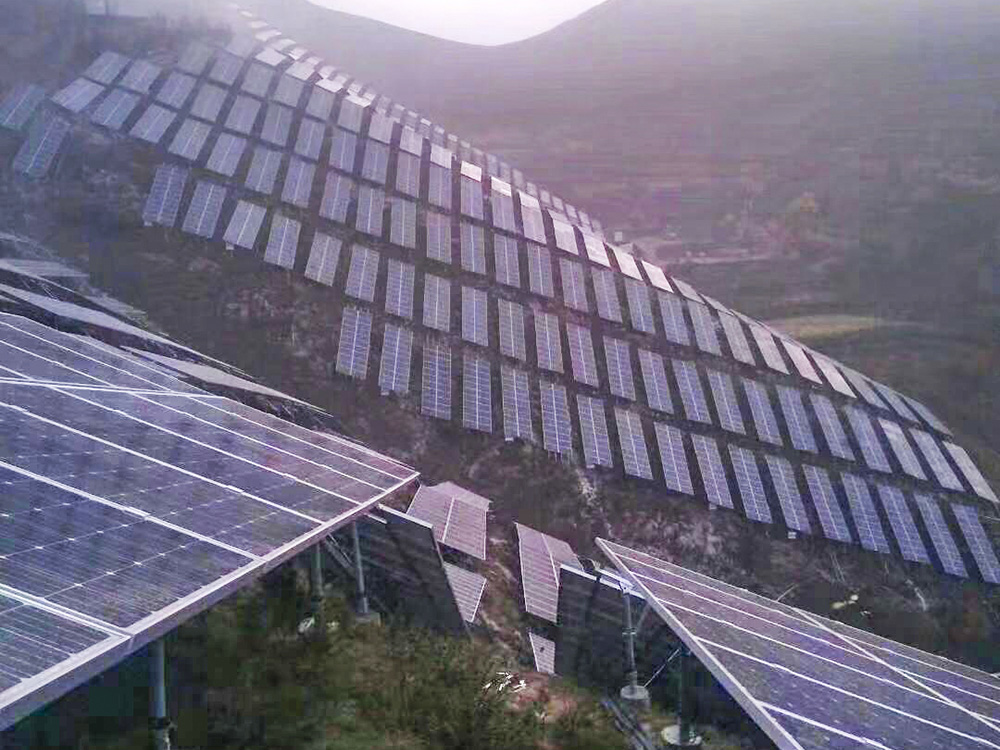
Choosing the right Solar Cable is crucial for your solar power system. These cables are built to handle outdoor conditions, ensuring they last longer and perform efficiently. PV cables, for example, stand out due to their durability and resistance to UV rays. They also provide excellent insulation, which keeps your system safe and reliable. By investing in high-quality cables, you protect your solar setup from potential damage and maximize its efficiency over time.
Key Takeaways
- Choose PV cables for solar installations due to their UV resistance, durability, and excellent insulation, ensuring long-term performance.
- Prioritize cables with fire-resistant and double-insulated features to enhance safety and minimize risks of electrical faults.
- Always verify the voltage and current ratings of your cables to ensure compatibility with your solar system, preventing overheating and inefficiency.
- Invest in high-quality materials like copper for better conductivity and longevity, as they reduce energy loss and enhance system efficiency.
- Implement proper cable management techniques, such as avoiding sharp bends and using conduits, to protect cables from environmental damage and extend their lifespan.
- Select cables that meet industry standards and certifications (like UL and IEC) to ensure safety and compliance with local regulations.
- Regularly inspect your solar cables for wear and damage to maintain optimal performance and prevent costly repairs.
Key Factors to Consider When Choosing a Solar Cable
When selecting a solar cable, you need to focus on several critical factors. These factors ensure your solar power system operates efficiently and remains safe over time. Let’s break them down.
Durability and Weather Resistance
Importance of UV resistance for outdoor exposure
Solar cables often face harsh outdoor conditions. UV rays from the sun can degrade materials over time, causing cracks or weakening the cable. Choosing a cable with UV resistance protects it from sunlight damage. This feature ensures the cable stays strong and functional for years, even under constant exposure.
Resistance to extreme temperatures and moisture
Weather can be unpredictable. Your solar cable must handle extreme heat, freezing cold, and moisture without losing performance. Cables designed for solar installations are built to resist these challenges. They maintain their durability and insulation, no matter the weather conditions.
Insulation Quality and Safety Standards
Fire-resistant and double-insulated cables
Safety should always come first. Fire-resistant cables reduce the risk of fire hazards in your solar system. Double-insulated cables add an extra layer of protection, preventing electrical shocks or short circuits. These features keep your system safe and reliable.
Compliance with industry standards (e.g., UL, IEC)
Always check if the solar cable meets recognized industry standards like UL or IEC. These certifications guarantee the cable has passed strict safety and performance tests. Using certified cables ensures you’re installing a product that meets high-quality benchmarks.
Electrical Performance
Voltage and current rating compatibility
Your solar cable must match the voltage and current requirements of your system. Using a cable with the wrong rating can lead to overheating or inefficiency. Always verify the cable’s specifications to ensure compatibility with your setup.
Minimizing power loss through proper cable sizing
Cable size plays a big role in performance. A cable that’s too small can cause power loss, reducing the efficiency of your solar system. Properly sized cables minimize voltage drop and ensure maximum power delivery from your panels to the inverter.
Cost-Effectiveness
Balancing upfront costs with long-term performance
When choosing a solar cable, you might feel tempted to go for the cheapest option. However, this approach often leads to higher costs in the long run. Low-quality cables wear out faster, forcing you to replace them sooner than expected. Frequent replacements not only increase expenses but also disrupt your solar power system's performance.
Investing in a durable and reliable solar cable saves you money over time. High-quality cables last longer and require less maintenance. They also ensure your system operates efficiently, which means you get the most out of your solar panels. By focusing on long-term performance instead of just upfront costs, you make a smarter financial decision.
Importance of investing in high-quality materials
The materials used in your solar cable play a huge role in its performance and lifespan. Cables made from high-quality copper provide better conductivity, reducing energy loss. This means more power reaches your home or business, boosting the efficiency of your solar setup.
Additionally, premium materials offer better resistance to environmental factors like UV rays, moisture, and extreme temperatures. These features protect your cable from damage, ensuring it stays functional for years. While high-quality cables may cost more initially, they deliver greater value by minimizing repairs and replacements. Choosing the right solar cable with superior materials is an investment in the reliability and efficiency of your system.
Comparing Different Types of Solar Cables
When it comes to solar installations, not all cables are created equal. Each type of cable has unique features and applications. Understanding these differences helps you choose the right option for your solar power system.
PV (Photovoltaic) Cables
Features and benefits of PV cables
PV cables are specifically designed for solar installations. They are durable, UV-resistant, and built to handle harsh outdoor conditions. These cables can withstand extreme temperatures, ensuring reliable performance in both hot and cold climates. Their insulation provides excellent protection against moisture and abrasion, making them ideal for long-term use. PV cables also meet strict safety standards, reducing risks like electrical faults or fire hazards.
Common applications in solar systems
You’ll find PV cables used in almost every part of a solar power system. They connect solar panels to inverters, batteries, and other components. Their flexibility makes them easy to install, even in complex setups. Whether you’re working on a residential or commercial project, PV cables are a dependable choice for efficient energy transmission.
THHN and THWN-2 Cables
Advantages and limitations of these cable types
THHN and THWN-2 cables are versatile options often used in electrical installations. THHN cables are lightweight and cost-effective, making them appealing for budget-conscious projects. THWN-2 cables, on the other hand, offer better resistance to water and heat. Both types are widely available and easy to work with.
However, these cables have limitations. They lack the UV resistance and durability of PV cables, which makes them less suitable for outdoor solar installations. Over time, exposure to sunlight and weather can degrade their performance.
When to use them in solar installations
You can use THHN and THWN-2 cables in indoor or sheltered parts of your solar system. For example, they work well for wiring between the inverter and the electrical panel inside your home. Avoid using them for outdoor connections, as they may not hold up under direct sunlight or harsh weather conditions.
Aluminum vs. Copper Cables
Pros and cons of aluminum cables
Aluminum cables are lightweight and more affordable than copper. They are a good option for large-scale projects where cost is a major factor. However, aluminum has lower electrical conductivity, which can lead to higher energy loss. It is also less durable and more prone to corrosion, especially in moist environments.
Pros and cons of copper cables
Copper cables are the gold standard for solar installations. They offer superior electrical conductivity, ensuring efficient power transmission. Copper is also highly durable and resistant to corrosion, making it ideal for outdoor use. While copper cables are more expensive upfront, their long lifespan and reliability often justify the cost. If you want the best performance for your solar system, copper cables are the way to go.
Specialty Cables for Specific Needs
Armored cables for added protection
If your solar installation faces tough conditions, armored cables might be the solution you need. These cables come with a protective metal layer that shields them from physical damage. This makes them perfect for areas where cables are exposed to heavy machinery, rodents, or other potential hazards.
The metal armor acts as a barrier, preventing cuts, abrasions, or crushing. You can rely on these cables to maintain their integrity even in demanding environments. They also offer added safety by reducing the risk of electrical faults caused by external damage. For ground-mounted solar systems or industrial setups, armored cables provide peace of mind and long-lasting performance.
Flexible cables for complex installations
Not all solar installations are straightforward. Some setups involve tight spaces, sharp turns, or intricate layouts. In these cases, Flexible Cables shine. Their design allows them to bend and twist without breaking, making them ideal for challenging configurations.
Flexible cables simplify the installation process. You can easily route them through narrow spaces or around obstacles. Despite their flexibility, these cables maintain excellent durability and insulation. They handle the same electrical loads as standard cables while offering greater adaptability. If your solar project involves unique or complex designs, flexible cables can make the job much easier.
Best Practices for Solar Cable Management
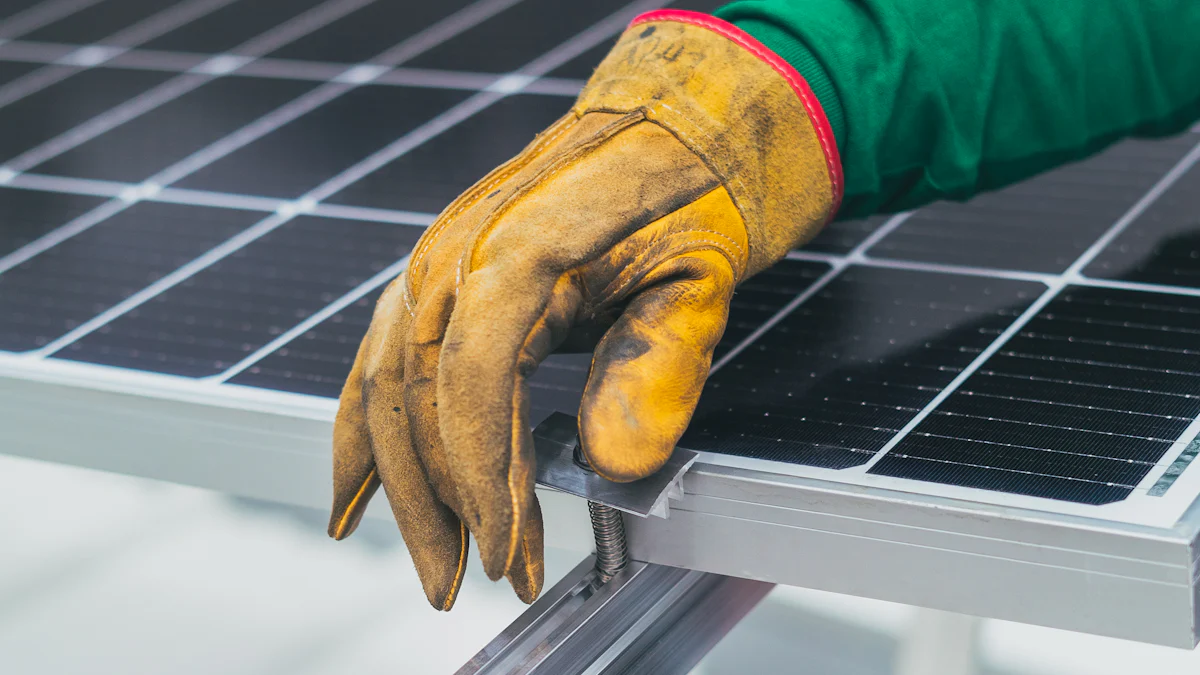
Managing your solar cables properly is essential for maintaining the efficiency and safety of your solar power system. Poor cable management can lead to performance issues, unnecessary wear, or even safety hazards. By following these best practices, you can ensure your solar cables remain in excellent condition for years to come.
Proper Routing and Placement
Avoiding sharp bends and stress points
When routing your solar cables, avoid creating sharp bends or tight angles. Sharp bends can weaken the cable over time, leading to cracks or breaks in the insulation. Stress points can also cause internal damage, which might not be visible but can affect performance. Instead, aim for smooth, gradual curves when laying out your cables. This approach reduces strain and extends the lifespan of your solar cable.
Keeping cables away from heat sources
Heat can degrade the insulation of your cables and reduce their efficiency. Keep your solar cables away from heat sources like exhaust vents, hot surfaces, or areas with direct exposure to extreme heat. If avoiding heat sources isn’t possible, consider using heat-resistant materials or additional insulation to protect the cables. This precaution helps maintain the integrity of your system.
Bundling and Securing Cables
Using cable ties and clips for organization
Organized cables are easier to manage and inspect. Use cable ties or clips to bundle your solar cables neatly. This method prevents tangling and keeps everything in place. Choose UV-resistant ties for outdoor installations to ensure they don’t degrade under sunlight. Proper bundling not only looks clean but also makes future maintenance much simpler.
Preventing cable sagging and abrasion
Sagging cables can rub against surfaces, causing abrasion and potential damage. Secure your cables tightly to prevent sagging, especially in areas where they might come into contact with sharp edges or rough surfaces. Use clamps or brackets to hold the cables firmly in place. This step protects the insulation and ensures your cables remain functional over time.
Protecting Cables from Environmental Damage
Using conduits and cable trays
Exposing your solar cables to the elements can lead to wear and tear. Use conduits or cable trays to shield them from environmental factors like rain, snow, or debris. Conduits provide a protective layer, while cable trays keep the cables elevated and organized. These tools are especially useful in outdoor installations where cables face constant exposure to harsh conditions.
Regular inspection and maintenance tips
Inspect your solar cables regularly to catch any signs of wear or damage early. Look for cracks, frayed insulation, or loose connections. Address these issues immediately to prevent further damage. Routine maintenance, such as cleaning dirt or debris off the cables, also helps keep them in good condition. By staying proactive, you can avoid costly repairs and ensure your system operates smoothly.
Recommended Solar Cable Types and Brands
Choosing the right solar cable for your system can feel overwhelming with so many options available. To simplify your decision, let’s explore the top cable types, trusted brands, and essential certifications that ensure safety and performance.
Top Cable Types for Solar Systems
PV cables with XLPE insulation
PV cables with XLPE (cross-linked polyethylene) insulation are a top choice for solar installations. These cables offer excellent durability and can withstand extreme temperatures. The XLPE insulation provides superior resistance to UV rays, moisture, and abrasion, making it ideal for outdoor use. You can rely on these cables to maintain their performance even in harsh environments. Their robust design ensures long-term reliability, reducing the need for frequent replacements.
Double-insulated cables for outdoor use
Double-insulated cables provide an extra layer of protection, which is crucial for outdoor solar setups. The dual insulation shields the cable from physical damage and electrical faults. This feature enhances safety by minimizing the risk of short circuits or shocks. Double-insulated cables also resist environmental factors like rain, snow, and dust. If you want a cable that combines safety and durability, this type is a smart choice for your solar power system.
Trusted Brands in the Solar Industry
Examples of reliable manufacturers like Southwire, Prysmian Group, and Nexans
When it comes to solar cables, sticking with reputable manufacturers ensures quality and reliability. Brands like Southwire, Prysmian Group, and Nexans have earned trust in the solar industry. Southwire offers a wide range of durable and efficient cables designed for solar applications. Prysmian Group is known for its innovative solutions and high-performance products. Nexans provides cables that meet strict safety standards while delivering excellent electrical performance. Choosing cables from these manufacturers gives you peace of mind and confidence in your system.
Importance of choosing certified products
Certified products guarantee that the cables meet industry standards for safety and performance. Always look for certifications like UL or IEC when selecting a solar cable. These certifications indicate that the product has undergone rigorous testing and complies with established guidelines. Using certified cables not only ensures safety but also helps you avoid potential issues during inspections or installations. By prioritizing certified products, you protect your investment and ensure your solar system operates efficiently.
Industry Standards and Certifications
UL and IEC certifications for safety
UL (Underwriters Laboratories) and IEC (International Electrotechnical Commission) certifications are essential for solar cables. These certifications confirm that the cables meet high safety and quality standards. UL-certified cables undergo extensive testing to ensure they can handle electrical loads without overheating or failing. IEC-certified cables meet international benchmarks for performance and durability. When you see these certifications, you know the cable is a reliable choice for your solar installation.
Ensuring compliance with local regulations
Local regulations often dictate specific requirements for solar installations. Using cables that comply with these rules ensures your system meets legal standards. Non-compliance can lead to fines or delays in your project. Before purchasing a cable, check if it aligns with the regulations in your area. This step saves you time and money while ensuring a smooth installation process. Compliance also guarantees that your solar system operates safely and efficiently.
Choosing the right solar cable plays a vital role in the success of your solar power system. You need to focus on factors like durability, insulation quality, and electrical performance to ensure your setup runs efficiently and safely. High-quality, certified cables provide better reliability and reduce the risk of damage over time. Proper cable management also helps maintain the system’s performance. By making informed decisions and investing in the best options, you can extend the lifespan of your solar installation and maximize its energy output.
FAQ
What type of cable is best for solar installations?
The best cable for solar installations is PV (Photovoltaic) cable. It’s designed specifically for outdoor use, offering UV resistance, durability, and excellent insulation. These features make it ideal for handling harsh weather conditions and ensuring long-term performance.
Can I use regular electrical cables for my solar system?
No, regular electrical cables lack the necessary features for solar installations. They don’t provide UV resistance or withstand extreme temperatures. Using them can lead to safety risks and reduced efficiency. Always choose cables designed for solar applications.
Should I choose copper or aluminum cables for my solar setup?
Copper cables are the better choice for most solar systems. They offer superior conductivity, durability, and resistance to corrosion. Aluminum cables are cheaper but less efficient and more prone to damage. If you want reliability and performance, go with copper.
What cable size should I use for my solar panels?
The cable size depends on your system’s voltage, current, and distance between components. For most residential setups, 10 AWG is a common choice. However, longer distances may require thicker cables to minimize voltage drop. Consult a professional to determine the right size for your system.
Are double-insulated cables necessary for outdoor solar installations?
Yes, double-insulated cables provide extra protection against environmental factors like moisture, UV rays, and physical damage. They enhance safety by reducing the risk of electrical faults. For outdoor setups, double-insulated cables are highly recommended.
How do I protect my solar cables from environmental damage?
You can use conduits or cable trays to shield your cables from rain, snow, and debris. These tools add a protective layer and keep cables organized. Regular inspections also help you catch and fix any signs of wear or damage early.
What certifications should I look for when buying solar cables?
Look for certifications like UL (Underwriters Laboratories) and IEC (International Electrotechnical Commission). These ensure the cables meet strict safety and performance standards. Certified cables give you peace of mind and comply with industry regulations.
Can I use flexible cables for my solar installation?
Yes, flexible cables work well for complex installations with tight spaces or sharp turns. They bend easily without breaking and maintain excellent durability. If your setup involves intricate layouts, flexible cables simplify the process.
How often should I inspect my solar cables?
Inspect your solar cables at least once a year. Check for cracks, frayed insulation, or loose connections. Regular maintenance helps you catch issues early and ensures your system operates efficiently.
Is it worth investing in high-quality solar cables?
Absolutely. High-quality cables last longer, perform better, and reduce the risk of damage. While they may cost more upfront, they save you money in the long run by minimizing repairs and replacements. Investing in quality ensures your solar system runs smoothly for years.