

 Send Email
 Whatsapp


Best solar cable extension for solar panels
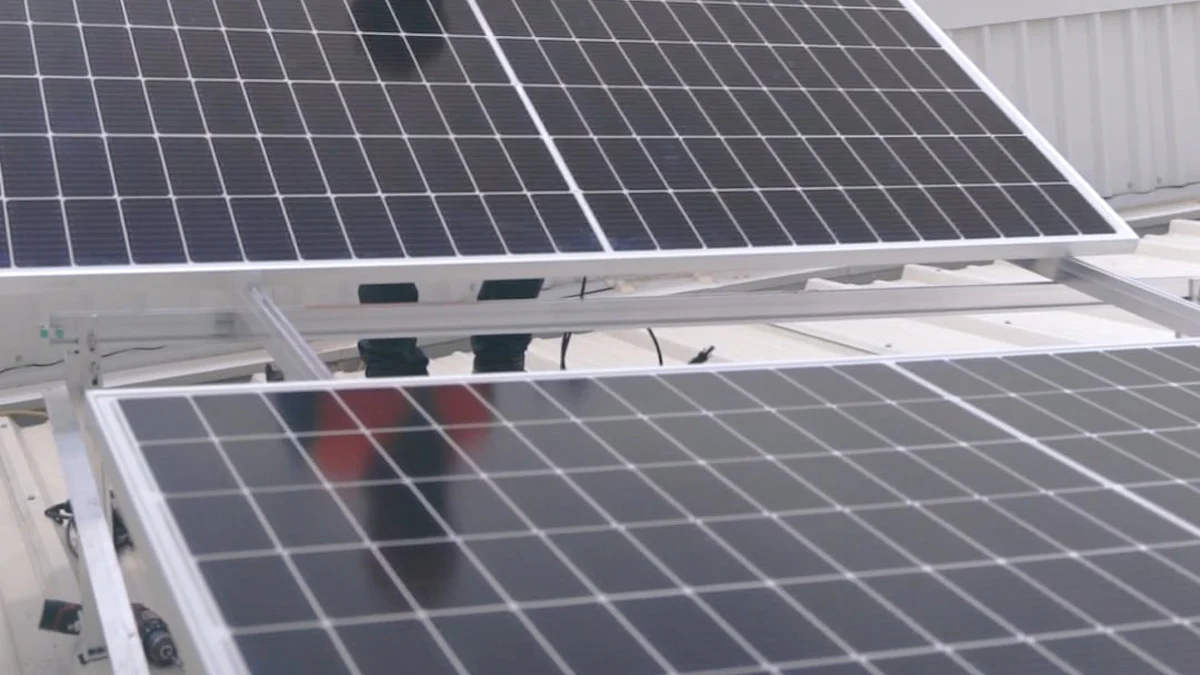
When it comes to Solar Extension cables, the BougeRV 20 Feet 10AWG Solar Extension Cable stands out. It’s durable, cost-effective, and works seamlessly with most solar panels. Renogy and Windy Nation cables are also great picks. They’re built to handle tough weather while ensuring efficient energy transfer for your solar setup.
Key Takeaways
- Pick solar cables that fit your panel connectors, usually MC4, to prevent problems.
- Use thicker cables, such as 10AWG, to reduce energy loss, especially if panels are far from batteries.
- Choose cables that resist weather to last longer and work well outside.
Key factors to consider
When choosing solar extension cables, you’ll want to keep a few important factors in mind. These details can make a big difference in how well your solar setup performs and how long it lasts.
Compatibility with solar panels and connectors
Not all cables fit every solar panel. Before buying, check if the cable matches your panel’s connectors. Most solar panels use MC4 connectors, so look for cables that support them. If your connectors don’t match, you might need adapters, which can add extra cost and hassle. Always double-check compatibility to avoid surprises.
Wire gauge and its importance
The wire gauge tells you how thick the cable is. Thicker wires (like 10AWG) handle more current and reduce energy loss. If your solar panels are far from your battery or inverter, a thicker cable is a must. Thinner wires might save money upfront, but they can lead to inefficiency and overheating.
Optimal cable length for your setup
Longer cables give you flexibility in placing your panels, but they can also cause energy loss. Measure the distance between your panels and the rest of your system. Choose a cable length that’s just right—long enough to connect everything but not so long that it wastes power.
Weather resistance and outdoor durability
Your cables will face sun, rain, and maybe even snow. Look for cables with UV-resistant coatings and waterproof designs. Durable cables last longer and save you from frequent replacements. If you live in an area with extreme weather, this factor is even more critical.
Cost-effectiveness and value for money
You don’t have to break the bank to get good solar extension cables. Compare prices, but also consider quality. A slightly more expensive cable that lasts longer and performs better is often the smarter choice. Think of it as an investment in your solar system’s efficiency.
Top recommendations
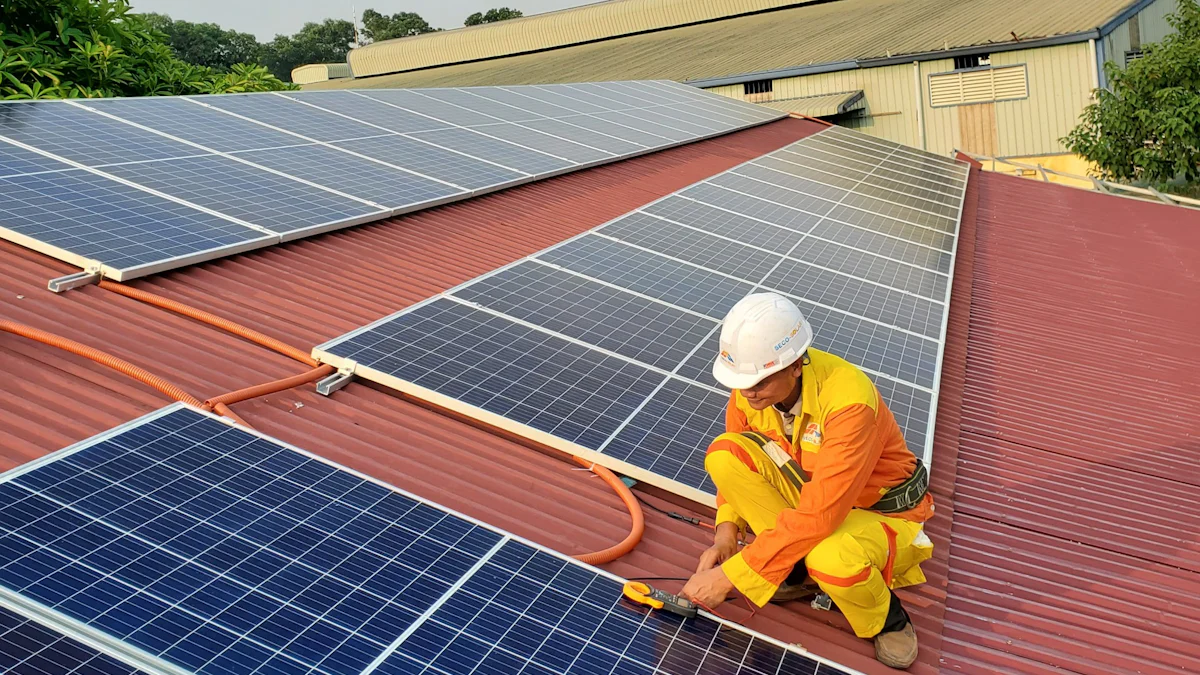
BougeRV 20 Feet 10AWG Solar Extension Cable
If you’re looking for a reliable option, the BougeRV 20 Feet 10AWG Solar Extension Cable is a fantastic choice. It’s built with high-quality materials that ensure durability and efficient energy transfer. The 10AWG wire gauge minimizes power loss, making it perfect for longer distances. Plus, its compatibility with MC4 connectors means you can easily integrate it into most solar setups. Whether you’re dealing with harsh sunlight or heavy rain, this cable’s weather-resistant design has you covered.
Renogy 20 ft. 10 AWG Solar Panel Extension Cable
Renogy’s 20 ft. 10 AWG Solar Panel Extension Cable is another excellent pick. It’s designed to handle outdoor conditions with ease, thanks to its UV-resistant and waterproof coating. The 10AWG thickness ensures minimal energy loss, even over longer distances. This cable works seamlessly with Renogy solar panels and other systems using MC4 connectors. If you want a dependable option that balances performance and affordability, this one’s worth considering.
Windy Nation 10 AWG Solar Panel Extension Cable
Windy Nation offers a solid option with its 10 AWG Solar Panel Extension Cable. It’s known for its robust construction and efficient energy transfer. The cable’s thick insulation protects it from wear and tear, making it ideal for outdoor use. Its compatibility with MC4 connectors ensures a hassle-free setup. If you need a cable that can withstand tough weather while maintaining performance, this is a great choice.
Lion Energy 25 ft. 30A Solar Extension Cord
For those needing extra length, the Lion Energy 25 ft. 30A Solar Extension Cord delivers. Its heavy-duty design supports higher current loads, making it suitable for larger solar systems. The cable’s weatherproof construction ensures it can handle various outdoor conditions. With its extended reach and reliable performance, this cord is perfect for setups requiring more flexibility.
Geneverse 33 ft. Solar Extension Cable
The Geneverse 33 ft. Solar Extension Cable is ideal for those who need maximum length without compromising quality. Its durable build and UV-resistant coating make it perfect for outdoor use. The cable’s compatibility with most solar panels and connectors ensures a smooth installation process. If you’re looking for a long, reliable cable for your solar setup, this one’s a top contender.
Installation tips
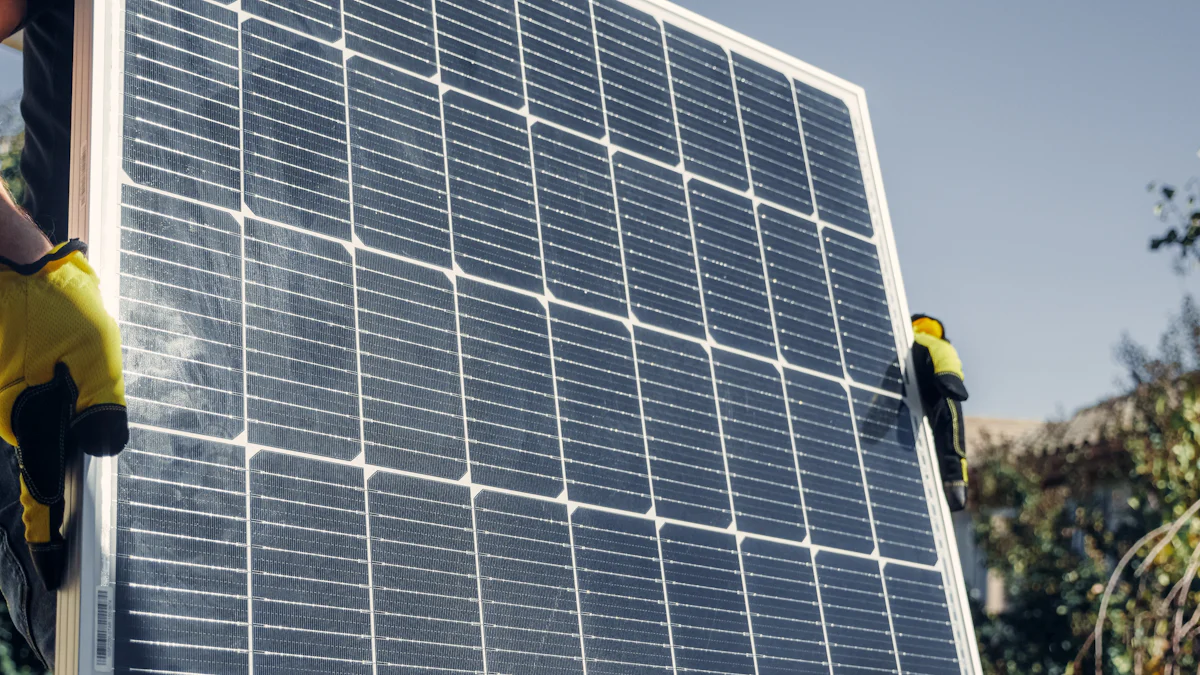
How to measure and cut the right cable length
Start by measuring the distance between your solar panels and the rest of your system. Use a tape measure to get an accurate length. Add a little extra to account for bends or obstacles. Once you have the measurement, mark the cable where you need to cut. Use a wire cutter for a clean cut. If you’re unsure, it’s better to leave the cable slightly longer than too short. You can always trim it later.
Properly connecting the cable to solar panels
Connecting your solar extension cables to the panels is straightforward. Most panels use MC4 connectors, so ensure your cable has the same type. Align the connectors and push them together until you hear a click. This sound confirms a secure connection. If your connectors don’t match, you’ll need an adapter. Double-check the connection by gently tugging on the cable. It shouldn’t come loose.
Ensuring secure and weatherproof connections
Outdoor setups face harsh conditions, so securing your connections is crucial. Use waterproof tape or heat shrink tubing to seal the connectors. This step prevents water from seeping in and causing damage. For added security, fasten the cables to a stable surface using cable clips or zip ties. This keeps them from moving in strong winds.
Maintenance tips for long-term performance
Inspect your cables regularly for wear and tear. Look for cracks, frayed wires, or loose connections. Clean the connectors with a dry cloth to remove dirt or debris. If you notice any damage, replace the cable immediately. Proper maintenance ensures your solar system runs efficiently for years.
When picking solar extension cables, focus on compatibility, wire gauge, and weather resistance. These factors ensure your system runs efficiently. The BougeRV and Renogy options are great for durability and performance. By investing in quality cables, you’ll enjoy reliable energy transfer and a long-lasting solar power setup.
FAQ
What wire gauge is best for solar extension cables?
Go for 10AWG or thicker. Thicker wires handle more current and reduce energy loss, especially for longer distances. Thinner wires may cause inefficiency or overheating.
Can I use any extension cable with my solar panels?
No, you can’t. Check if the cable matches your panel’s connectors, usually MC4. If they don’t match, you’ll need adapters for compatibility.
How do I protect cables from harsh weather?
Use UV-resistant and waterproof cables. Seal connections with waterproof tape or heat shrink tubing. Secure cables with clips or zip ties to prevent movement in strong winds.