

 Send Email
 Whatsapp


calculating solar cable size

Choosing the right Solar Cable size ensures your system operates safely and efficiently. Incorrect sizing can lead to serious issues. You might experience energy loss, overheating, or even system failure. These problems not only reduce performance but also pose safety risks. Proper calculation protects your investment and keeps your solar setup running smoothly.
Key Takeaways
- Picking the correct solar cable size is very important. Wrong sizes can cause overheating and damage the system.
- Check the voltage drop to keep it under 3%. This ensures your solar system works well.
- Follow the American Wire Gauge (AWG) system to choose wire thickness. Thicker wires carry more electricity and lower resistance.
Understanding Solar Cables
What is a solar cable?
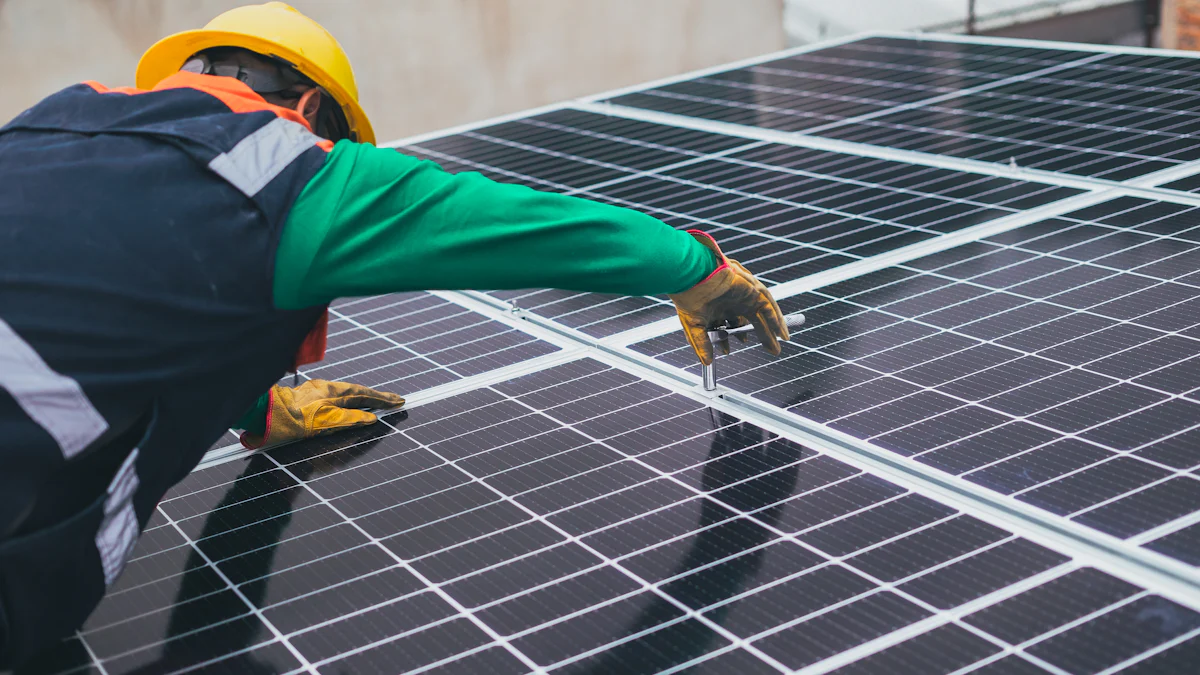
A solar cable is a specialized wire designed for photovoltaic (PV) systems. It connects various components of your solar setup, such as solar panels, inverters, and batteries. These cables are built to handle the unique demands of solar energy systems. They can withstand high temperatures, UV radiation, and harsh weather conditions. Unlike standard electrical wires, solar cables are more durable and efficient for outdoor use.
You will find that solar cables come in different types, such as single-core and multi-core. Single-core cables are common in most PV systems because they are easier to install and maintain. Multi-core cables, on the other hand, are used in specific applications where multiple wires need to be bundled together. Choosing the right type of solar cable ensures your system operates reliably.
Role of solar cables in PV systems
Solar cables play a critical role in transferring electricity generated by your solar panels to other parts of the system. They ensure the smooth flow of current from the panels to the inverter, where the electricity is converted into usable power. Without proper cables, your system may experience energy loss or inefficiency.
These cables also protect your system from electrical hazards. High-quality solar cables reduce the risk of short circuits, overheating, or fire. They are designed to handle the electrical load of your system while maintaining safety. By selecting the correct cable size and type, you can maximize the performance and lifespan of your solar installation.
Factors Affecting Solar Cable Size
Current and its impact
The amount of current flowing through a solar cable directly affects its size. Higher current generates more heat, which can damage the cable if it is too small. You need to choose a cable that can handle the maximum current your system produces. For example, if your solar panels generate 20 amps, the cable must support at least that amount. Using an undersized cable increases the risk of overheating and fire. Always check the current rating of the cable to ensure it matches your system's requirements.
Voltage drop considerations
Voltage drop occurs when electricity travels through a cable, causing a small loss of power. This happens because cables have resistance, which reduces the voltage delivered to the end device. If the voltage drop is too high, your system becomes less efficient. To minimize this, you should select a cable with lower resistance. Thicker cables usually have less resistance and help reduce voltage drop. Aim to keep the voltage drop below 3% for optimal performance.
Tip: Calculate the voltage drop using the formula:
Voltage Drop (%) = (2 × Cable Length × Current × Resistance) ÷ Voltage × 100
Distance and its effect on cable selection
The distance between your solar panels and other components also impacts cable size. Longer distances increase resistance, leading to higher voltage drops. To compensate, you may need a thicker cable. For instance, if your panels are far from the inverter, a larger cable ensures efficient power transfer. Measure the distance carefully and factor it into your cable selection process.
Calculating Solar Cable Size

Overview of the AWG system
The American Wire Gauge (AWG) system is a standard used to measure wire thickness. It helps you determine the appropriate wire size for your solar setup. In this system, smaller numbers represent thicker wires, while larger numbers indicate thinner wires. For example, a 10 AWG wire is thicker than a 14 AWG wire. Thicker wires can carry more current and have lower resistance, making them ideal for high-power applications. Understanding the AWG system is essential when selecting the right solar cable for your photovoltaic system.
Key formulas for cable size calculation
To calculate the correct cable size, you need to consider current, voltage, distance, and resistance. Use the following formula to estimate voltage drop:
Voltage Drop (V) = 2 × Cable Length (ft) × Current (A) × Resistance (Ω/ft) Once you calculate the voltage drop, compare it to your system's voltage. Aim to keep the voltage drop below 3% for optimal efficiency. You can also use online calculators or charts to simplify the process.
Step-by-step example of calculating solar cable size
Let’s say your solar panels produce 20 amps, and the distance to the inverter is 50 feet. Using a 10 AWG cable with a resistance of 0.001 ohms per foot:
- Calculate the total cable length: 50 ft × 2 = 100 ft.
- Multiply by current: 100 ft × 20 A = 2000.
- Multiply by resistance: 2000 × 0.001 Ω = 2 volts.
If your system voltage is 100 volts, the voltage drop is 2%. This is within the acceptable range, so a 10 AWG cable would work for this setup.
Common Solar Cable Sizes
Typical cable sizes in PV systems
In photovoltaic (PV) systems, you will encounter a range of cable sizes. These sizes depend on the current, voltage, and distance requirements of your setup. The most common sizes include 10 AWG, 12 AWG, and 14 AWG. Each size serves a specific purpose based on its capacity to handle electrical loads.
For instance, 10 AWG cables are thicker and can carry higher currents. They are ideal for systems with larger solar panels or longer distances between components. On the other hand, 12 AWG cables work well for medium-sized systems with moderate current demands. Smaller systems often use 14 AWG cables, which are thinner and suitable for shorter distances.
You should always check the specifications of your solar equipment. This ensures the cable size matches the system's requirements. Using the wrong size can lead to inefficiency or safety hazards.
Applications of different cable sizes
Different cable sizes have unique applications in PV systems. A 10 AWG cable is perfect for connecting solar panels to inverters when the distance is significant. It minimizes voltage drop and ensures efficient power transfer.
A 12 AWG cable is commonly used for wiring between solar panels in an array. It provides a balance between efficiency and cost. For smaller systems, a 14 AWG cable is sufficient for short connections, such as linking a charge controller to a battery.
Choosing the right cable size improves your system's performance. It also reduces the risk of overheating or energy loss. Always consider the specific needs of your solar setup when selecting a cable.
Proper solar cable sizing ensures your system operates safely and efficiently. Follow the steps outlined here to calculate the correct size. If unsure, consult a professional for guidance.
Note: Always comply with local regulations and standards. This guarantees your solar setup remains safe, reliable, and optimized for performance.
FAQ
What happens if you use the wrong solar cable size?
Using the wrong size can cause overheating, energy loss, or system failure. It reduces efficiency and poses safety risks, such as electrical fires or equipment damage.
How do you measure the distance for cable sizing?
Measure the total length of the cable from the solar panels to the inverter and back. This ensures accurate calculations for voltage drop and cable size.
Can you use standard electrical cables for solar systems?
No, standard cables lack the durability and resistance needed for outdoor conditions. Solar cables are designed to handle UV exposure, high temperatures, and harsh weather.