

 Send Email
 Whatsapp


Can you extend solar panel cables?
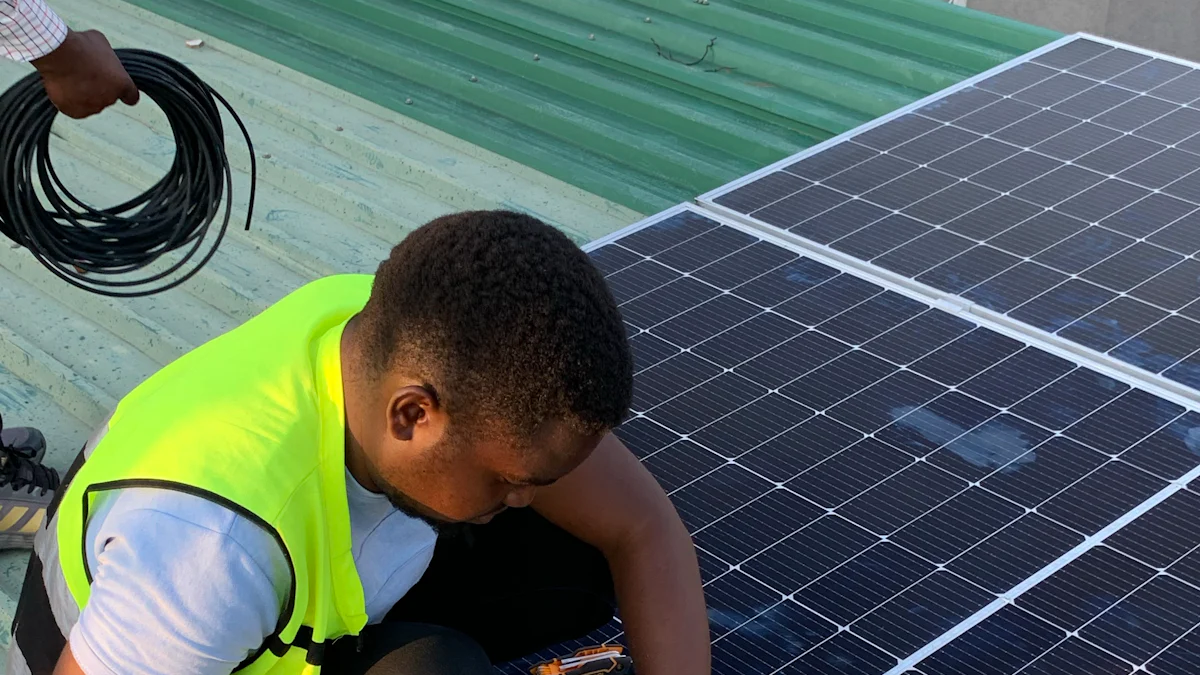
Extending solar panel cables is possible and straightforward. You can use solar panel extension cables to increase the distance between your panels and other system components. This ensures your solar power system remains efficient and safe. Proper installation techniques also help maintain functionality while adapting to your specific setup needs.
Key Takeaways
- Choose good-quality solar cables made of pure or tinned copper. This helps them work well and last longer.
- Make sure the cable size matches your solar panel system. This stops energy loss and keeps cables from getting too hot.
- Check and take care of your cables often. This makes them last longer and keeps your solar system safe.
Tools and Materials for Solar Panel Extension Cables
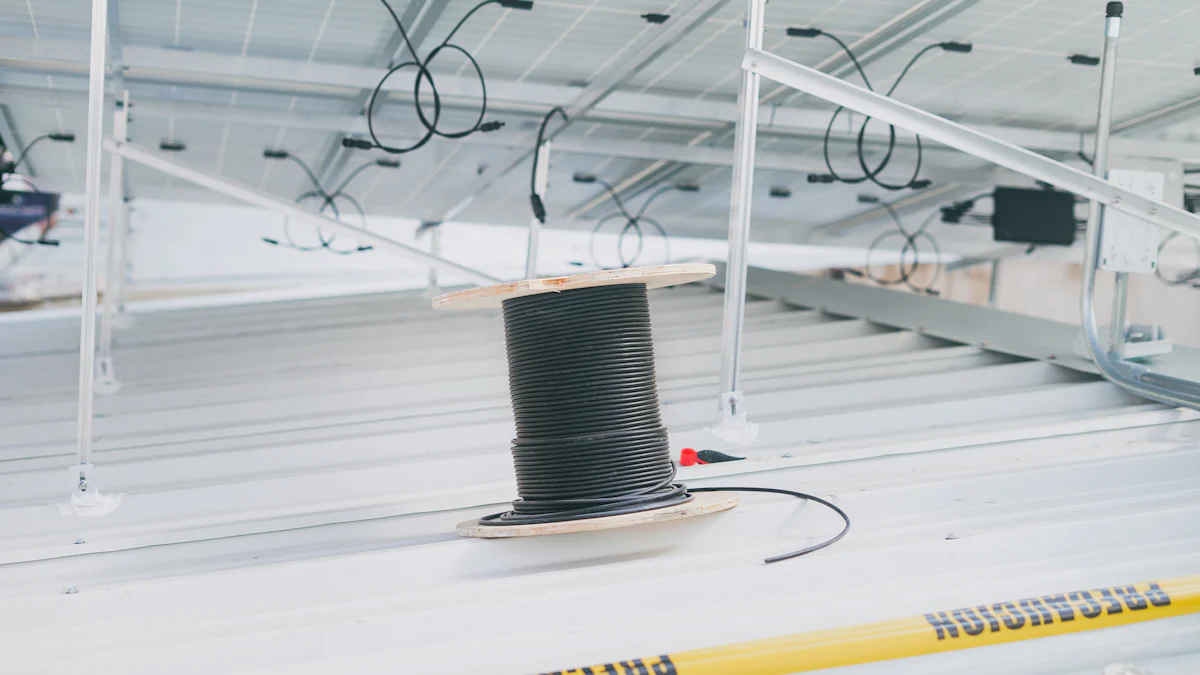
Essential tools for extending cables
To extend your solar panel cables, you need a few basic tools. A wire cutter and stripper are essential for trimming and preparing the cable ends. You also need a crimping tool to secure connectors to the wires. A multimeter is helpful for testing the connections and ensuring proper functionality. Keep a screwdriver handy for securing any additional components.
Tip: Invest in high-quality tools to ensure clean cuts and reliable connections. This will save you time and effort during installation.
Recommended types of solar panel extension cables
Choosing the right solar panel extension cables is crucial for maintaining efficiency. Look for cables made from pure copper or tinned copper. These materials offer excellent conductivity and durability. Ensure the cables are UV-resistant and weatherproof to withstand outdoor conditions. Commonly used sizes include 10 AWG and 12 AWG, depending on your system's power requirements.
Note: Always match the extension cable's gauge to your solar panel system to avoid power loss or overheating.
Additional materials for securing and protecting connections
You also need materials to secure and protect your cable connections. Use MC4 connectors for a reliable and waterproof connection. Heat shrink tubing and electrical tape are essential for insulating exposed wires. Cable ties or clamps help organize and secure the cables, preventing damage from movement or weather.
Reminder: Proper insulation and protection extend the lifespan of your solar panel extension cables and improve system safety.
Step-by-Step Guide to Extending Solar Panel Cables
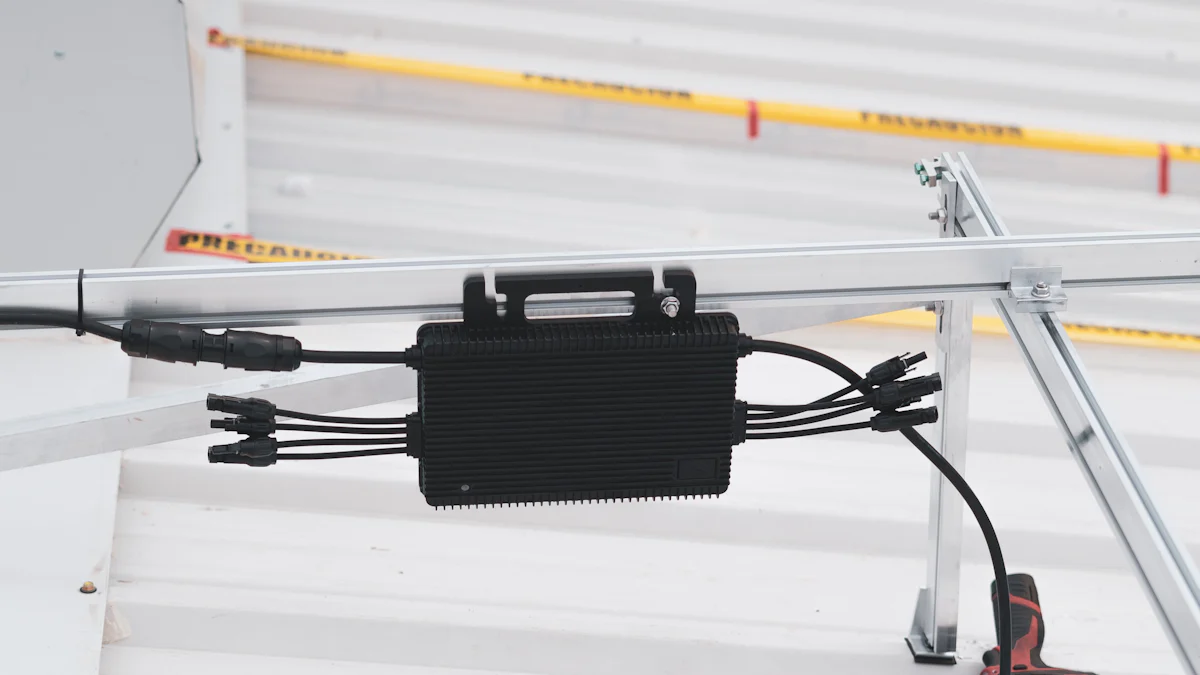
Disconnecting the solar panel system
Start by turning off your solar power system. Disconnect the panels from the inverter or charge controller to prevent electrical hazards. Always handle the cables carefully to avoid damaging the connectors or wires. Use insulated gloves for added safety when working with live systems.
Safety Tip: Never work on solar panel cables while the system is active. This prevents electrical shocks and protects your equipment.
Measuring and cutting the extension cables
Measure the distance between your solar panels and the desired connection point. Add a few extra inches to account for bends or adjustments. Use a wire cutter to trim the solar panel extension cables to the required length. Ensure the cut is clean to make the next steps easier.
Stripping and preparing the cable ends
Strip about half an inch of insulation from both ends of the cables. Use a wire stripper to avoid damaging the copper inside. Twist the exposed wires to keep them neat and ready for connection. Proper preparation ensures a secure and efficient connection.
Connecting the cables with MC4 connectors
Attach MC4 connectors to the stripped ends of the cables. Insert the positive and negative wires into their respective connectors. Use a crimping tool to secure the connection. Double-check that the connectors are firmly attached and aligned correctly.
Securing and insulating the connections
Slide heat shrink tubing over the connections and apply heat to seal them. Wrap any exposed areas with electrical tape for added insulation. Use cable ties to secure the cables along their path, preventing movement or damage.
Reminder: Proper insulation protects your system from moisture and extends the life of your solar panel extension cables.
Testing the system for functionality
Reconnect the solar panel system and turn it on. Use a multimeter to test the voltage and current at the connection points. Ensure the readings match the expected values. If everything checks out, your extended cables are ready for use.
Pro Tip: Regularly test your system to catch any issues early and maintain optimal performance.
Safety and Maintenance Tips for Solar Panel Extension Cables
Ensuring proper insulation and weatherproofing
Protecting your solar panel extension cables from environmental damage is essential. Use heat shrink tubing to seal connections and prevent moisture from entering. Apply electrical tape to cover any exposed areas. Choose cables with UV-resistant and weatherproof coatings to withstand sunlight and rain. Secure the cables with clamps or ties to keep them in place and reduce wear caused by movement.
Tip: Inspect the insulation regularly. Replace any damaged sections immediately to avoid short circuits or power loss.
Avoiding voltage drops and power loss
Voltage drops can reduce the efficiency of your solar power system. To prevent this, use cables with the correct gauge for your system's power requirements. Longer distances require thicker cables to maintain proper conductivity. Keep the cable path as straight as possible to minimize resistance. Test the voltage at different points using a multimeter to ensure consistent power delivery.
Pro Tip: Always match the cable gauge to your system's specifications. This helps maintain efficiency and prevents overheating.
Regular inspection and maintenance of extended cables
Routine maintenance keeps your solar panel extension cables in good condition. Check for signs of wear, such as frayed wires or loose connections. Clean the cables and connectors to remove dirt and debris that could affect performance. Tighten any loose MC4 connectors to ensure a secure connection. Schedule inspections every few months to catch potential issues early.
Reminder: Regular maintenance not only extends the lifespan of your cables but also ensures the safety of your solar power system.
Extending solar panel cables becomes simple when you use the right tools and follow proper steps. Solar panel extension cables give you flexibility without reducing system performance. Regular maintenance ensures safety and efficiency. By taking these precautions, you can optimize your solar power system and enjoy reliable energy for years to come.
FAQ
Can you extend solar panel cables without MC4 connectors?
No, you should always use MC4 connectors. They ensure a secure, waterproof connection and prevent electrical hazards. Avoid using alternative methods for safety reasons.
Tip: MC4 connectors are easy to install and improve system reliability.
How long can solar panel extension cables be?
The length depends on the cable gauge. Longer distances require thicker cables to avoid voltage drops. For most setups, keep cables under 50 feet.
Pro Tip: Use a voltage drop calculator to determine the ideal cable length.
Do extended cables affect solar panel efficiency?
Yes, improper cable selection can cause power loss. Use the correct gauge and high-quality materials to maintain efficiency and prevent overheating.
Reminder: Regularly inspect cables to ensure optimal performance.