

 Send Email
 Whatsapp


Connectors 1500V for photovoltaic connection
Connectors 1500V for photovoltaic connection
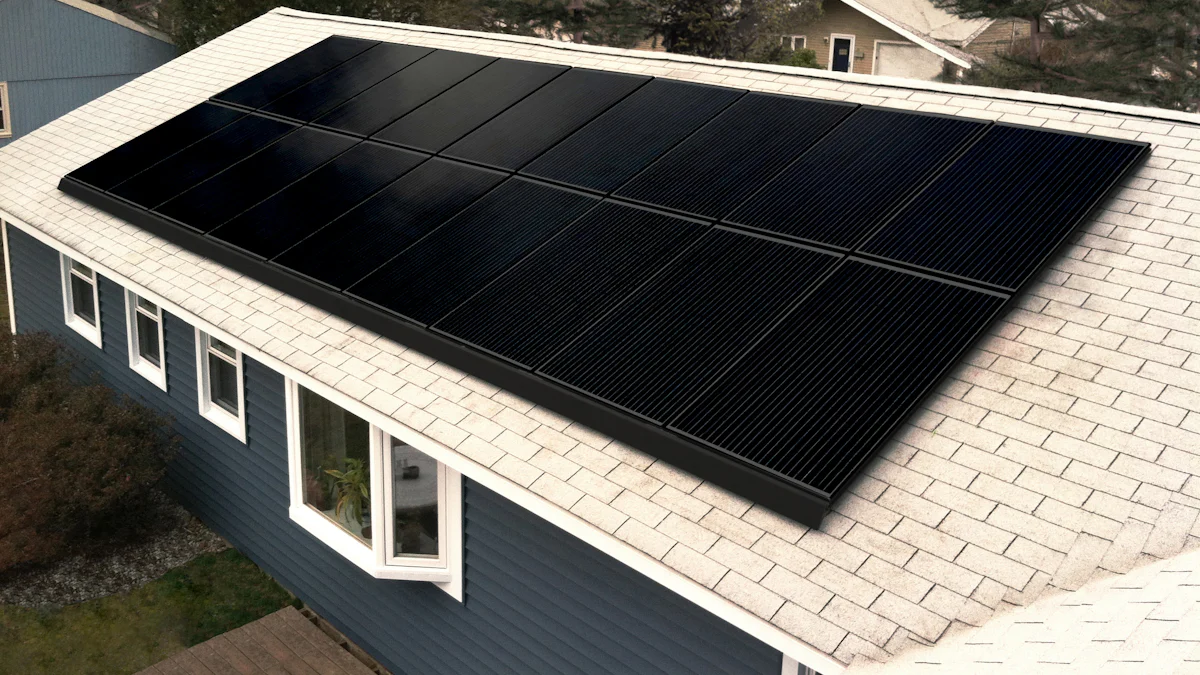
Connectors 1500V for photovoltaic connection play a crucial role in solar energy systems. You need these connectors to link solar panels to inverters safely and efficiently. They ensure that electricity flows smoothly, maximizing the system's performance. Choosing the right connectors is vital for both efficiency and safety. High-quality connectors prevent energy loss and reduce the risk of electrical faults. By selecting the appropriate connectors, you enhance the reliability and longevity of your photovoltaic system, ensuring optimal energy production.
Key Takeaways
- 1500V connectors enhance the efficiency of solar energy systems by minimizing energy loss, leading to greater power output and energy savings.
- Safety is a top priority; these connectors come with advanced features like anti-reverse diodes and inline fuses to protect against electrical faults.
- For large-scale solar installations, 1500V connectors are cost-effective, requiring fewer units and reducing overall installation costs.
- Ensure compatibility with existing systems by checking connector types, sizes, and voltage ratings to prevent inefficiencies.
- Choose connectors made from durable, weather-resistant materials to ensure long-term performance and reduce maintenance needs.
- Look for industry certifications like TUV and UL to guarantee that your connectors meet safety and performance standards.
- Follow proper installation guidelines and safety precautions to ensure a secure and efficient setup of your photovoltaic system.
Benefits of Using 1500V Connectors
Enhanced Efficiency
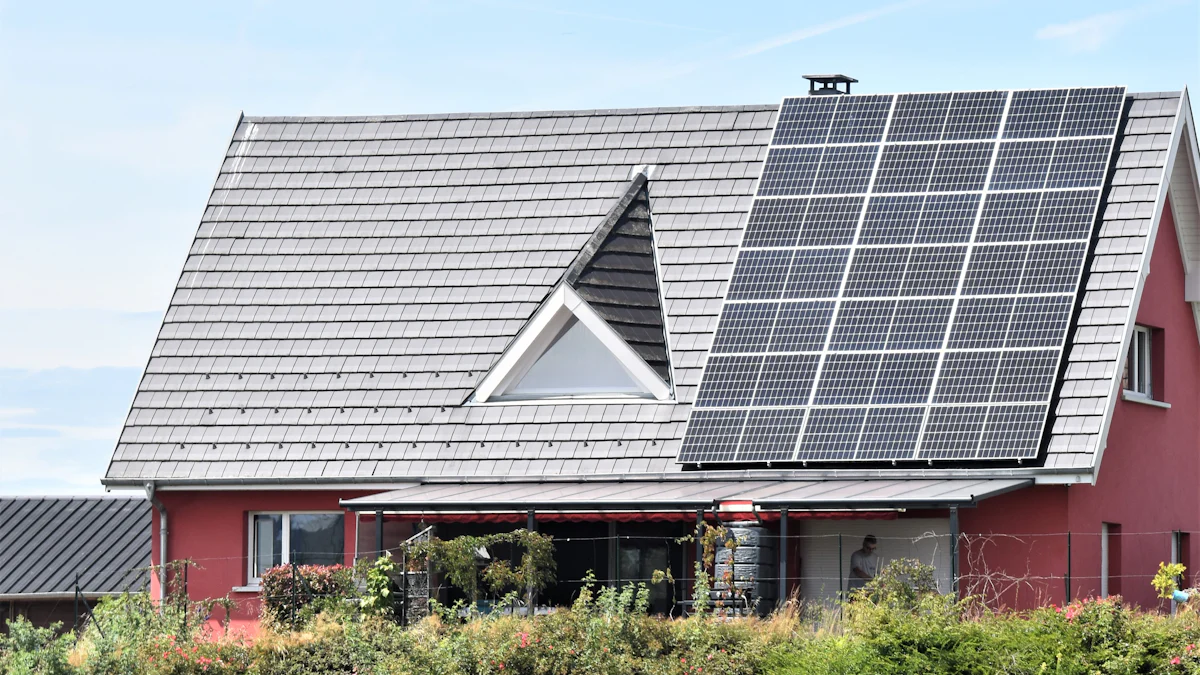
Connectors 1500V for photovoltaic connection significantly boost the efficiency of your solar energy system. These connectors ensure a seamless flow of electricity between solar panels and inverters. By minimizing energy loss, they help you maximize the power output from your solar panels. You can achieve higher efficiency levels, which translates to more energy savings and better performance of your photovoltaic system.
Improved Safety Features
Safety is paramount when dealing with high-voltage systems. Connectors 1500V for photovoltaic connection come equipped with advanced safety features. They reduce the risk of electrical faults and potential hazards. You benefit from features like anti-reverse diodes and inline fuses, which protect your system from damage. These connectors ensure that your solar installation remains safe and reliable, giving you peace of mind.
Cost-Effectiveness in Large-Scale Installations
When you scale up your solar installations, cost-effectiveness becomes crucial. Connectors 1500V for photovoltaic connection offer a cost-efficient solution for large-scale projects. Their robust design and high voltage capacity mean fewer connectors are needed, reducing installation costs. You save money on materials and labor, making these connectors an economical choice for expansive solar arrays.
Technical Specifications and Standards
Voltage Ratings and Current Capacity
When selecting connectors for your photovoltaic system, you must consider voltage ratings and current capacity. Connectors 1500V for photovoltaic connection are designed to handle high voltage levels efficiently. They ensure that your system operates safely and effectively. You should choose connectors that match the voltage and current requirements of your solar panels and inverters. This alignment prevents overheating and potential damage, ensuring a stable energy flow.
Material Durability and Weather Resistance
The durability of materials used in connectors is crucial for long-term performance. Connectors 1500V for photovoltaic connection often use high-quality materials like tinned copper terminals. These materials enhance conductivity and resist corrosion. You need connectors that withstand harsh weather conditions, including UV exposure and moisture. Weather-resistant connectors maintain their integrity over time, reducing maintenance needs and ensuring reliable operation.
Compliance with Industry Standards
Compliance with industry standards guarantees the safety and reliability of your photovoltaic system. You should look for connectors that meet certifications such as TUV and UL. These certifications confirm that the connectors adhere to safety and performance standards. By choosing certified connectors, you ensure that your system meets regulatory requirements and operates at optimal efficiency.
Compatibility and Integration
Compatibility with Existing Systems
When you integrate connectors into your photovoltaic system, ensuring compatibility with existing components is crucial. Connectors 1500V for photovoltaic connection are designed to work seamlessly with a variety of solar panels and inverters. You should verify that the connectors match the specifications of your current setup. This includes checking the connector type, size, and voltage rating. By doing so, you prevent potential mismatches that could lead to inefficiencies or system failures. Proper compatibility ensures that your solar energy system operates smoothly and efficiently.
Considerations for System Upgrades
Upgrading your photovoltaic system can enhance its performance and capacity. When planning an upgrade, consider the role of connectors. Connectors 1500V for photovoltaic connection offer the flexibility needed for system enhancements. You should assess whether your current connectors can handle increased voltage or additional panels. If not, upgrading to connectors with higher capacity may be necessary. This ensures that your system can accommodate new components without compromising safety or efficiency. Thoughtful consideration of connectors during upgrades leads to a more robust and future-proof solar installation.
Common Challenges and Solutions
Integrating connectors into your photovoltaic system may present challenges. One common issue is ensuring a secure and reliable connection. You can address this by selecting high-quality connectors that meet industry standards. Another challenge is dealing with environmental factors like moisture and UV exposure. Opt for connectors with weather-resistant features to mitigate these risks. Additionally, compatibility issues may arise when mixing different brands or types of connectors. To solve this, ensure all components are compatible and adhere to the same standards. By anticipating these challenges and implementing solutions, you maintain a reliable and efficient solar energy system.
Installation Guidelines and Best Practices
Step-by-Step Installation Process
To install 1500V connectors for photovoltaic systems, follow these steps:
-
Preparation: Gather all necessary components, including connectors, cables, and tools. Verify that you have the correct connector type and size for your system.
-
Cable Stripping: Strip the insulation from the ends of the Solar Cables. Ensure that you expose the appropriate length of conductor as specified by the connector manufacturer.
-
Connector Assembly: Insert the stripped cable into the connector. Make sure the conductor is fully seated in the terminal. Secure the connection by tightening the locking mechanism, if applicable.
-
Connection Testing: Once assembled, test the connection for continuity and resistance. This ensures that the connector is properly installed and functioning correctly.
-
Final Inspection: Inspect the entire installation for any signs of damage or improper assembly. Confirm that all connections are secure and weatherproof.
Tools and Equipment Required
For a successful installation, you will need the following tools and equipment:
- Wire Strippers: Essential for removing insulation from solar cables without damaging the conductor.
- Crimping Tool: Required for securing the connector to the cable, ensuring a strong and reliable connection.
- Multimeter: Useful for testing electrical continuity and verifying the integrity of the connection.
- Screwdriver: Needed for tightening any screws or locking mechanisms on the connectors.
- Safety Gear: Includes gloves and safety glasses to protect against electrical hazards and physical injuries.
Safety Precautions and Tips
When installing 1500V connectors, prioritize safety by following these precautions:
-
De-energize the System: Always ensure that the photovoltaic system is powered down before beginning any installation work. This prevents accidental electrical shocks.
-
Use Proper Tools: Employ tools specifically designed for electrical work. This reduces the risk of damaging connectors or cables.
-
Wear Protective Gear: Equip yourself with gloves and safety glasses to shield against potential hazards during installation.
-
Follow Manufacturer Instructions: Adhere to the guidelines provided by the connector manufacturer. This ensures proper installation and compliance with safety standards.
-
Double-Check Connections: After installation, verify that all connections are secure and free from defects. This step is crucial for maintaining system reliability and safety.
By adhering to these guidelines and best practices, you ensure a safe and efficient installation of 1500V connectors in your photovoltaic system.
Connectors 1500V for photovoltaic connection offer numerous benefits. They enhance efficiency, improve safety, and reduce costs in large-scale installations. Choosing the right connectors ensures optimal performance and longevity of your solar system. As technology advances, expect more innovations in photovoltaic connections. Staying informed about these trends helps you make better decisions for your solar projects. By selecting high-quality connectors, you secure a reliable and efficient energy system for the future.
FAQ
What are 1500V connectors used for in photovoltaic systems?
1500V connectors link solar panels to inverters in photovoltaic systems. They ensure safe and efficient electricity flow, maximizing energy production.
Why should I choose 1500V connectors over other types?
1500V connectors offer enhanced efficiency, improved safety features, and cost-effectiveness, especially in large-scale installations. They handle higher voltages, reducing the number of connectors needed.
How do I ensure compatibility with my existing solar system?
Check the specifications of your current setup. Ensure the connector type, size, and voltage rating match your solar panels and inverters. This prevents mismatches and ensures smooth operation.
Are 1500V connectors weather-resistant?
Yes, many 1500V connectors are designed to withstand harsh environmental conditions. They often feature waterproof and UV-resistant materials, ensuring durability and reliability outdoors.
What certifications should I look for in 1500V connectors?
Look for certifications like TUV and UL. These confirm that the connectors meet industry safety and performance standards, ensuring your system's reliability and compliance.
Can I use 1500V connectors for system upgrades?
Yes, 1500V connectors offer flexibility for system enhancements. Assess if your current connectors can handle increased voltage or additional panels. Upgrading may be necessary for optimal performance.
What tools do I need for installing 1500V connectors?
You will need wire strippers, a crimping tool, a multimeter, a screwdriver, and safety gear like gloves and safety glasses. These tools ensure a safe and effective installation process.
How do I maintain safety during installation?
De-energize the system before starting. Use proper tools and wear protective gear. Follow manufacturer instructions and double-check connections to ensure safety and reliability.
What are common challenges when using 1500V connectors?
Challenges include ensuring secure connections, dealing with environmental factors, and compatibility issues. Select high-quality, weather-resistant connectors and verify compatibility to overcome these challenges.
How do 1500V connectors contribute to cost savings?
Their robust design and high voltage capacity reduce the number of connectors needed, lowering installation costs. This makes them a cost-effective choice for large-scale solar projects.