

 Send Email
 Whatsapp


Do I need special wire for solar?
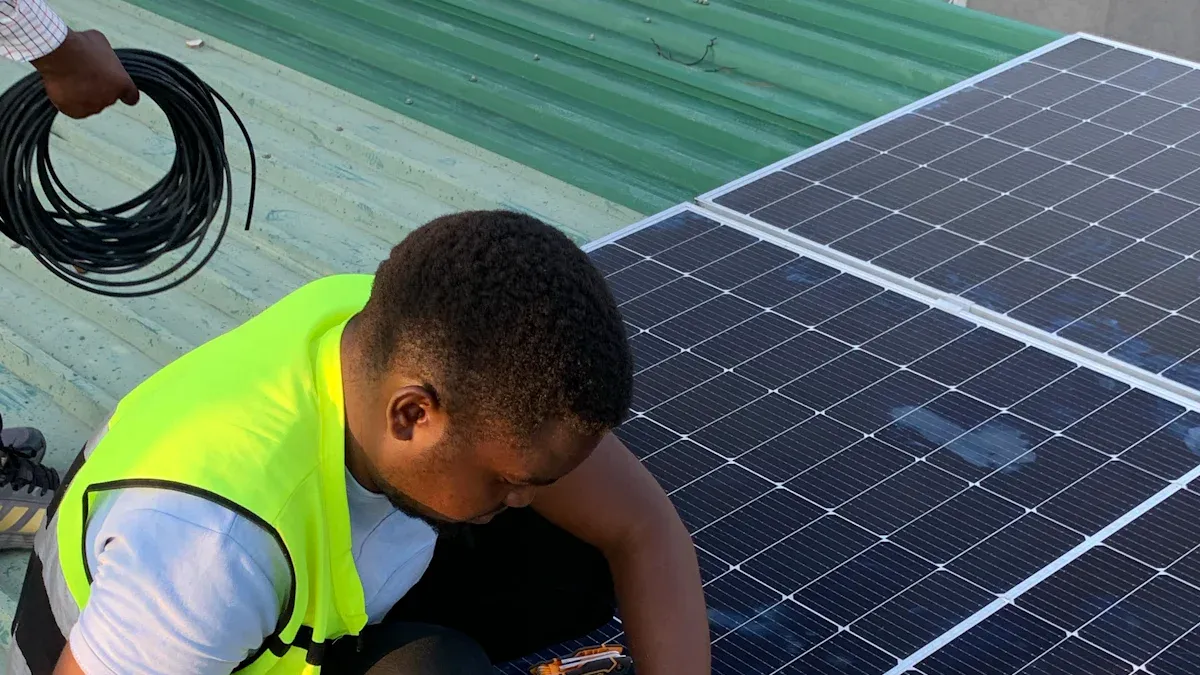
If you're setting up a solar system, you can’t just use any wire. You need a Solar Cable designed for outdoor conditions. These cables handle high heat, resist UV rays, and ensure safety. Regular wires won’t last as long or perform as well. Choosing the right cable keeps your system efficient and reliable.
Key Takeaways
- Always pick solar cables made for outdoor use. They handle UV rays, water, and heat, lasting a long time.
- Select the right wire size for your system's power and length. Thicker wires lose less energy and work better.
- Check local electrical rules before setting up. Using proper cables keeps things safe, follows rules, and keeps your warranty valid.
Why Are Solar Cables Necessary?
When it comes to solar systems, not all wires are created equal. You might wonder, "Why can’t I just use regular electrical wires?" Well, solar cables are specifically designed to meet the unique demands of solar installations. Let’s break down why they’re so important.
Durability and Resistance to Outdoor Conditions
Solar panels live outside, soaking up the sun, rain, and everything in between. The wires connecting them face the same harsh conditions. A solar cable is built to handle this tough environment. It resists UV rays, extreme temperatures, and even moisture. Regular wires can crack or degrade over time, but solar cables stay strong for years.
Tip: If you want your solar system to last, always choose cables designed for outdoor use. It’s a small investment that pays off big in the long run.
Handling High Voltage and Current
Solar systems generate a lot of power. The wires you use need to handle high voltage and current without overheating or losing efficiency. Solar cables are made with materials that can safely carry this energy. They also have thicker insulation to prevent electrical leaks or short circuits. Using the wrong wire could lead to dangerous situations, like fires or system failures.
Imagine trying to fill a large water tank with a tiny hose—it just wouldn’t work. The same goes for wires in your solar setup. A solar cable ensures the energy flows smoothly and safely.
Ensuring Compliance with Electrical Standards
Electrical codes exist for a reason: to keep you and your property safe. Solar installations must meet specific standards, and using the right cables is a big part of that. Solar cables, like PV Wire or USE-2 cable, are tested and certified to meet these requirements. If you use the wrong type of wire, your system might not pass inspection. Worse, it could void your warranty or insurance coverage.
Note: Always check your local electrical codes before starting a solar project. It’s better to be safe than sorry.
Types of Solar Cables
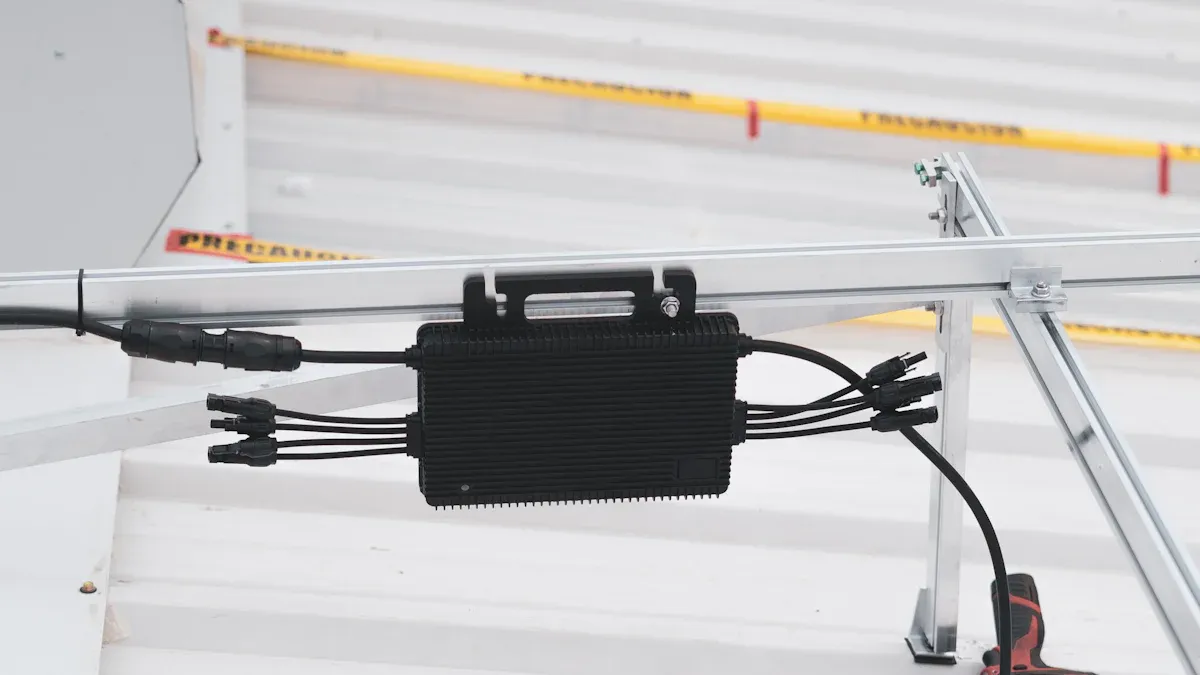
When it comes to wiring your solar system, not all cables are the same. Each type of solar cable has unique features and is suited for specific applications. Let’s explore the most common ones.
PV Wire and Its Applications
PV wire, short for photovoltaic wire, is the go-to choice for most solar installations. It’s designed to connect solar panels to each other and to the inverter. This wire is highly durable and can handle extreme outdoor conditions. It resists UV rays, moisture, and high temperatures, making it perfect for rooftop or ground-mounted systems.
You’ll also find that PV wire has thicker insulation compared to standard wires. This extra layer keeps it safe from electrical faults and ensures long-term reliability. If you’re setting up a solar array, PV wire is likely what you’ll need.
USE-2 Cable: Features and Uses
USE-2 cable is another popular option for solar systems. It’s often used for wiring between solar panels and the main electrical panel. Like PV wire, it’s built to withstand outdoor conditions. However, it’s slightly less flexible and is typically used in simpler setups.
One key feature of USE-2 cable is its ability to handle direct burial. If your system requires underground wiring, this cable is a great choice.
THHN Wire in Solar Systems
THHN wire is a versatile option, but it’s not specifically designed for solar use. You’ll usually see it in indoor applications or conduit systems. While it can work in some parts of a solar setup, it’s not ideal for outdoor exposure. If you’re considering THHN wire, make sure it’s installed in a protective conduit to avoid damage.
Tip: Always double-check your system’s requirements before choosing a cable. The right choice ensures safety and efficiency.
Choosing the Right Solar Cable
Importance of Wire Gauge
When it comes to solar wiring, size matters—literally. The wire gauge refers to the thickness of the wire, and it plays a big role in how well your solar system works. If you choose a wire that’s too thin, it might overheat or lose energy along the way. On the other hand, a wire that’s too thick can be unnecessarily expensive and hard to work with.
So, how do you pick the right gauge? It depends on two things: the amount of current your system generates and the distance the electricity needs to travel. For example, if your solar panels are far from your inverter, you’ll need a thicker wire to reduce energy loss. Most solar systems use wire gauges between 10 AWG and 4 AWG, but always check your system’s specifications to be sure.
Tip: A thicker wire might cost more upfront, but it can save you money in the long run by reducing energy loss.
Key Factors: Material, Insulation, and Length
Not all wires are created equal, and the material, insulation, and length of your solar cable can make a big difference. Let’s break it down:
-
Material: Copper and aluminum are the two most common materials for solar cables. Copper is more efficient at conducting electricity, but it’s also more expensive. Aluminum is cheaper and lighter, but it’s less efficient. For most solar systems, copper is the better choice because it ensures maximum energy transfer.
-
Insulation: The insulation protects the wire from damage and keeps the electricity flowing safely. Look for cables with insulation that’s rated for outdoor use. It should resist UV rays, moisture, and extreme temperatures. PV wire and USE-2 cable are great examples of well-insulated options.
-
Length: The longer the wire, the more energy it loses as it travels. This is called voltage drop. To minimize this, keep your cables as short as possible while still meeting your system’s needs. If you need a longer cable, consider using a thicker wire to reduce energy loss.
Note: Always measure the distance between your solar panels, inverter, and battery before buying cables. This ensures you get the right length and gauge.
Tips for Safe and Efficient Wiring
Wiring your solar system might seem tricky, but following a few simple tips can make the process much smoother. Here’s what you need to know:
-
Plan Your Layout: Before you start, map out where each component will go. This helps you figure out the exact length and type of cable you’ll need.
-
Use the Right Connectors: Solar cables often require special connectors, like MC4 connectors, to ensure a secure and weatherproof connection. Don’t skip this step—it’s crucial for safety and efficiency.
-
Avoid Sharp Bends: Bending your cables too sharply can damage the insulation and reduce their lifespan. Keep the bends gentle and secure the cables with clips or ties.
-
Label Everything: Labeling your wires can save you a lot of headaches down the road. It makes troubleshooting and maintenance much easier.
-
Test Your System: Once everything is connected, test your system to make sure it’s working properly. Check for any signs of overheating or loose connections.
Reminder: If you’re unsure about any part of the wiring process, don’t hesitate to consult a professional. It’s better to be safe than sorry.
Using the right solar cable isn’t just a suggestion—it’s essential. It keeps your system safe, efficient, and long-lasting. Always choose cables like PV wire or USE-2 that meet local codes. Unsure about what to pick? Consult a professional or check your system’s specs. Your solar setup deserves the best! ☀️
FAQ
What happens if I use regular wires instead of solar cables?
Using regular wires can lead to overheating, energy loss, or even fire hazards. Solar cables are designed for safety and durability in outdoor conditions. 🌞
Can I install solar cables myself?
Yes, but only if you’re confident in your skills. Incorrect wiring can cause safety issues. When in doubt, hire a professional to ensure proper installation. 🔧
How do I know which wire gauge to use?
Check your system’s specifications. The wire gauge depends on the current and distance. Thicker wires reduce energy loss over long distances. Always measure before buying! 📏