
 Send Email
 Whatsapp


Double Core Solar Cable Review for Long-Lasting Use
Double Core Solar Cable Review for Long-Lasting Use
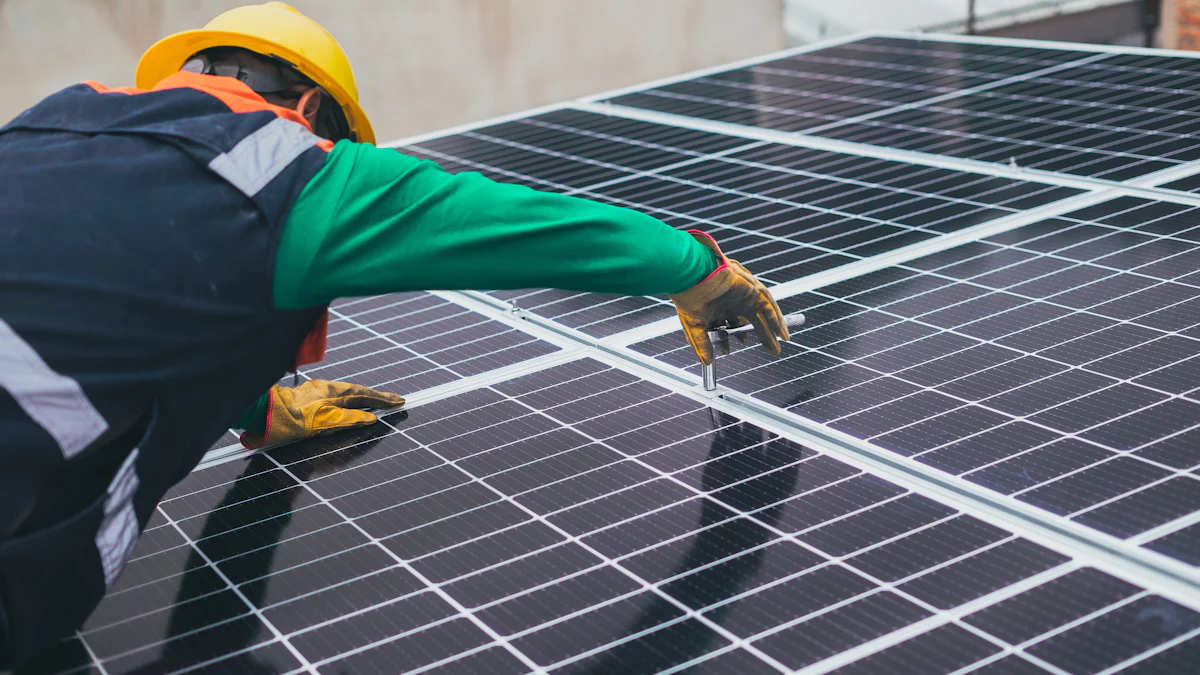
When it comes to photovoltaic systems, choosing the right cable ensures efficiency and durability. Double Core Solar Cable stands out as a reliable option for long-term use. These cables excel due to their high-quality materials, such as tinned copper conductors, which resist corrosion and enhance conductivity. Their robust double insulation protects against wear, UV exposure, and extreme temperatures. Top-rated options also meet industry certifications like TUV, guaranteeing safety and performance. Investing in these durable cables helps you achieve a stable and efficient solar power setup.
Key Takeaways
- Choose Double Core Solar Cables for their durability and efficiency, ensuring a reliable solar power setup.
- Look for tinned copper conductors in cables, as they resist corrosion and enhance conductivity over time.
- Double insulation is crucial; it protects cables from UV rays, extreme temperatures, and physical damage, extending their lifespan.
- Verify industry certifications like TUV to ensure safety and compliance with performance standards.
- Consider the installation environment; waterproof connectors are essential for humid areas to prevent moisture-related issues.
- Regular inspections and proper installation can significantly enhance the longevity and performance of your solar cables.
- Investing in high-quality cables reduces maintenance costs and enhances safety by minimizing risks like short circuits or fires.
Importance of Durable Double Core Solar Cables
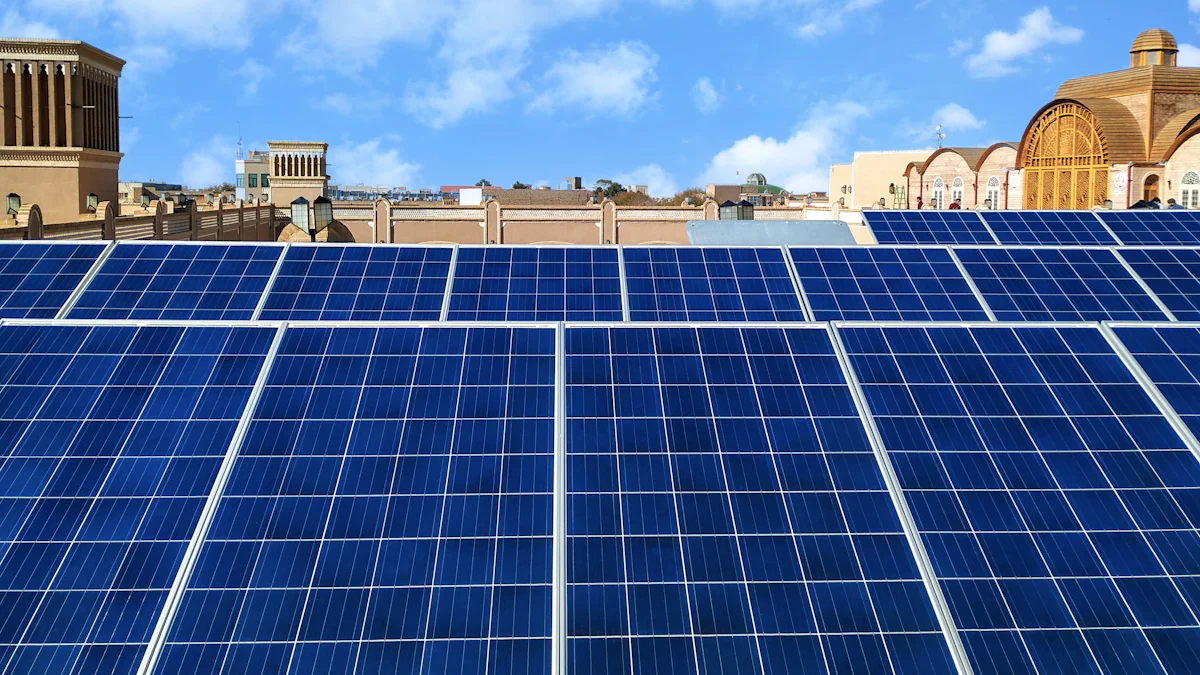
Durable cables play a critical role in the success of your photovoltaic system.
Why Durability Matters in Photovoltaic Systems
A reliable cable, such as a Double Core Solar Cable, withstands these stresses and ensures uninterrupted power flow.
Durability also impacts safety. Faulty cables increase the risk of short circuits or fires. High-quality cables with robust insulation and flame-retardant materials minimize these hazards. By choosing durable options, you enhance the safety and efficiency of your solar setup.
Key Factors Affecting Cable Longevity
Several factors determine how long your solar cables last. First, the material quality is crucial. Tinned copper conductors resist corrosion and maintain conductivity over time. Second, double insulation protects the cable from UV rays, abrasion, and extreme weather conditions. This feature prevents wear and tear, extending the cable's lifespan.
The voltage rating also matters. Cables rated for higher voltages handle the demands of larger systems without overheating. Additionally, certifications like TUV indicate compliance with industry standards. These certifications guarantee that the cable meets safety and performance requirements.
Finally, proper installation and maintenance contribute to longevity. Ensure that cables are securely connected and protected from physical damage. Regular inspections help you identify and address potential issues early.
Review of the Most Durable Double Core Solar Cables
Choosing the right cable for your photovoltaic system can feel overwhelming. To simplify your decision, here’s a detailed review of three top-rated double core solar cables. These options stand out for their durability, performance, and reliability.
Cable 1: Features, Durability, and Performance
The first cable on the list offers exceptional quality. It uses tinned copper conductors, which ensure excellent conductivity and resist corrosion over time. The double insulation provides robust protection against UV rays, extreme temperatures, and physical wear. This cable is rated for 1000V, making it suitable for most residential and commercial solar systems.
You’ll appreciate its compliance with TUV certifications, which guarantees safety and adherence to industry standards. Its flame-retardant materials add an extra layer of security, reducing fire risks. This cable performs well in harsh outdoor conditions, ensuring long-lasting use for your solar setup.
Cable 2: Features, Durability, and Performance
The second option combines advanced features with reliable performance. It includes waterproof connectors, which prevent moisture from compromising the cable’s integrity. The tinned copper conductors enhance conductivity and reduce the risk of oxidation, even in humid environments.
This cable’s double insulation resists abrasion and withstands temperature fluctuations. Its voltage rating exceeds 1000V, making it ideal for larger photovoltaic systems. You’ll find this cable particularly useful if you need a durable solution for outdoor installations. Its compliance with international certifications ensures both safety and efficiency.
Cable 3: Features, Durability, and Performance
The third cable stands out for its heavy-duty design. It features thicker conductors, which allow for higher current-carrying capacity. This makes it a great choice for high-power solar systems. The double insulation protects against environmental stressors like UV exposure and mechanical damage.
This cable also includes flame-retardant materials, enhancing safety during operation. Its TUV certification confirms its quality and reliability. You’ll notice its consistent performance, even in challenging conditions. This cable is a dependable option for long-term use in photovoltaic systems.
Comparison of Double Core Solar Cables
Side-by-Side Comparison of the Reviewed Cables
When selecting the best cable for your photovoltaic system, comparing their features side by side helps you make an informed decision.
-
Material Quality
All three cables use tinned copper conductors, ensuring excellent conductivity and corrosion resistance. However, Cable 3 stands out with its thicker conductors, which support higher current-carrying capacity. -
Insulation and Protection
Each cable features double insulation, offering robust protection against UV rays, extreme temperatures, and physical wear. Cable 2 includes waterproof connectors, providing added protection in humid or wet environments. This feature makes it particularly suitable for outdoor installations. -
Voltage Rating
Cables 1 and 2 are rated for 1000V, making them suitable for most residential and commercial systems. Cable 3 exceeds this rating, offering enhanced performance for larger or more demanding photovoltaic setups. -
Safety Features
All three cables meet TUV certification standards, ensuring compliance with industry safety requirements. Flame-retardant materials are present in all options, reducing fire risks. Cable 2’s waterproof connectors add an extra layer of safety by preventing moisture-related issues. -
Performance in Harsh Conditions
Cable 1 performs exceptionally well in harsh outdoor environments, maintaining consistent energy transmission. Cable 2 excels in humid conditions due to its waterproof design. Cable 3 handles mechanical stress and high-power demands effectively, making it the most durable option for challenging installations. -
Best Use Cases
- Cable 1: Best for standard residential and commercial systems requiring reliable performance in outdoor conditions.
- Cable 2: Ideal for installations in humid or wet environments where waterproofing is essential.
- Cable 3: Perfect for high-power systems or setups exposed to significant mechanical stress.
By comparing these features, you can identify the cable that aligns with your specific needs. Whether you prioritize waterproofing, high voltage capacity, or durability under stress, there is a Double Core Solar Cable tailored to your requirements.
How to Choose the Right Double Core Solar Cable for Your Needs
Selecting the right cable for your photovoltaic system ensures efficiency and long-term performance. By focusing on key factors and following practical tips, you can make an informed decision that meets your specific needs.
Factors to Consider
Choosing the right cable for your photovoltaic system ensures efficiency and long-term performance.
-
Voltage Rating
Check the voltage rating of the cable. A higher rating, such as 1000V or more, ensures compatibility with larger systems and prevents overheating during operation. -
Material Quality
Look for cables with tinned copper conductors. This material resists corrosion and maintains excellent conductivity, even in harsh outdoor conditions. -
Insulation Type
Double insulation is crucial. It protects the cable from UV rays, extreme temperatures, and physical damage. This feature ensures durability and reduces the risk of electrical failures. -
Certifications
Verify that the cable meets industry standards like TUV certification. This guarantees safety, reliability, and adherence to quality benchmarks. -
Environmental Suitability
Consider the installation environment. For humid or wet areas, choose cables with waterproof connectors. For high-power systems, opt for cables with thicker conductors to handle increased current loads. -
Cable Thickness
The thickness, measured in mm², affects the cable’s current-carrying capacity. Common sizes like 4mm² or 6mm² work well for most installations. Larger systems may require thicker cables.
By assessing these factors, you can identify a cable that aligns with your system’s requirements and environmental conditions.
Tips for Ensuring Long-Lasting Performance
To maximize the lifespan of your Double Core Solar Cable, follow these practical tips:
-
Proper Installation
Ensure secure connections during installation. Loose or poorly connected cables can lead to energy loss or damage over time. -
Protect Against Physical Damage
Use protective conduits or cable trays to shield the cables from mechanical stress, such as bending or crushing. -
Regular Inspections
Inspect the cables periodically for signs of wear, cracks, or corrosion. Early detection of issues prevents costly repairs or replacements. -
Avoid Overloading
Match the cable’s current-carrying capacity to your system’s energy demands. Overloading can cause overheating and reduce the cable’s lifespan. -
Clean the Connectors
Keep the connectors clean and free from debris. Dirt or moisture can compromise the cable’s performance and lead to energy inefficiency. -
Store Spares Properly
If you have extra cables, store them in a dry, cool place. Proper storage prevents premature degradation and ensures they remain functional when needed.
By implementing these tips, you can enhance the durability and efficiency of your solar power setup, ensuring consistent performance for years to come.
By selecting a durable high-quality cables, you secure a reliable and efficient solar power setup that lasts for years.
FAQ
What is a double core solar cable?
A double core solar cable consists of two insulated conductors designed for photovoltaic systems. These cables connect solar panels to inverters or other components, ensuring efficient energy transmission. Their durable design withstands harsh environmental conditions, making them ideal for outdoor use.
Why should you choose tinned copper conductors?
Tinned copper conductors resist corrosion and maintain excellent conductivity over time. This feature ensures reliable performance, especially in humid or wet environments. Tinned copper also enhances the cable's lifespan, reducing the need for frequent replacements.
How does double insulation benefit solar cables?
Double insulation provides extra protection against UV rays, extreme temperatures, and physical damage. This feature prevents wear and tear, ensuring the cable remains functional in challenging conditions. It also reduces the risk of electrical failures, enhancing safety and reliability.
What voltage rating should you look for in a solar cable?
You should choose a cable with a voltage rating of at least 1000V for most residential and commercial systems. Higher voltage ratings accommodate larger setups and prevent overheating during operation. Always match the cable's rating to your system's requirements.
Are waterproof connectors necessary for solar cables?
Waterproof connectors are essential if your installation is in a humid or wet environment. These connectors prevent moisture from entering the cable, which could compromise its performance. They also enhance safety by reducing the risk of short circuits.
How do you determine the right cable thickness?
The thickness of a cable, measured in mm², affects its current-carrying capacity. For standard installations, 4mm² or 6mm² cables work well. Larger systems may require thicker cables to handle higher energy demands. Always consult your system's specifications to choose the correct size.
What certifications should you check for when buying solar cables?
Look for certifications like TUV, which indicate compliance with industry standards. These certifications guarantee the cable's safety, quality, and performance. Choosing certified cables ensures reliability and adherence to regulatory requirements.
How can you extend the lifespan of your solar cables?
You can extend the lifespan by following these steps:
- Install cables securely to avoid loose connections.
- Use protective conduits to shield cables from physical damage.
- Inspect cables regularly for signs of wear or corrosion.
- Avoid overloading the cables beyond their capacity.
- Keep connectors clean and free from debris.
Can you use double core solar cables for high-power systems?
Yes, double core solar cables with thicker conductors and higher voltage ratings are suitable for high-power systems. These cables handle increased current loads without overheating. Ensure the cable matches your system's energy demands for optimal performance.
Why is investing in durable solar cables important?
Durable solar cables ensure consistent energy transmission and protect your system from failures. They reduce maintenance costs and enhance safety by minimizing risks like short circuits or fires. Investing in high-quality cables guarantees long-term efficiency and reliability for your photovoltaic setup.