

 Send Email
 Whatsapp


How far can you run solar panel cables?
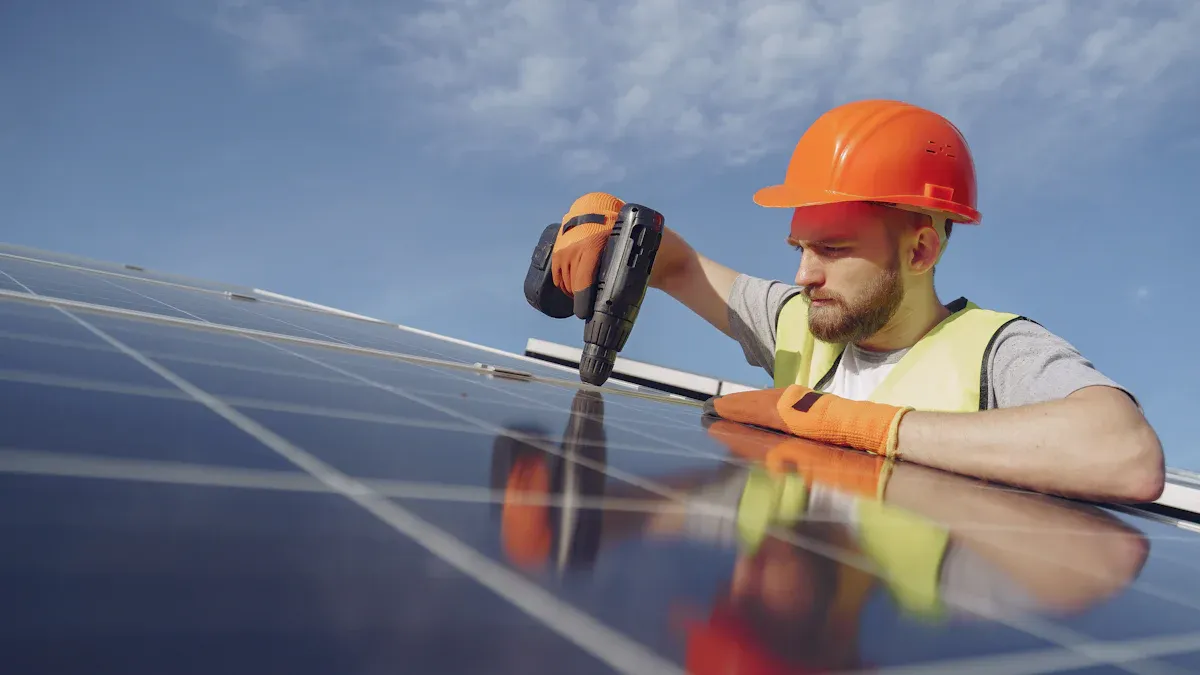
You can usually run Solar Cable up to 100 feet before you see big power losses. Thicker cables or higher voltages help you go farther. The length, size, and how you install the cable all change how well your system works. Always check your setup for safety and efficiency.
Key Takeaways
- Keep solar cable runs under 100 feet or use thicker cables to avoid losing power.
- Choose cable thickness based on your system size and voltage to keep your system safe and efficient.
- Use short cable runs, thicker wires, and avoid sharp bends to reduce power loss and get the most from your solar panels.
Solar Cable Distance and Voltage Drop
What Is Voltage Drop?
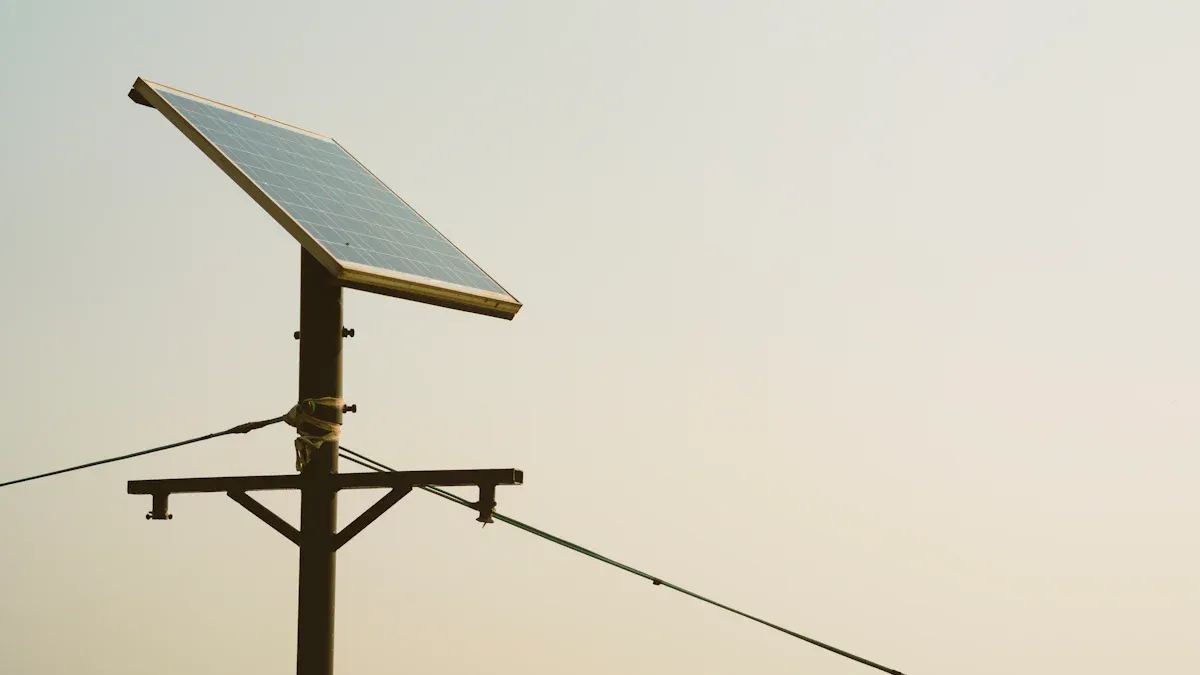
Voltage drop happens when electricity travels through a wire and loses some of its power along the way. You can think of it like water flowing through a long hose. The farther the water travels, the weaker the flow becomes at the end. The same thing happens with electricity in a solar cable. The longer the cable, the more power you lose before it reaches your inverter or battery.
Tip: Shorter cables and thicker wires help reduce voltage drop. Always check the length and size of your solar cable before you install your system.
Why Voltage Drop Matters for Solar Cable Runs
Voltage drop can lower the efficiency of your solar power system. If you lose too much power in the cables, your panels will not deliver the energy you expect. This means your lights, appliances, or batteries may not work as well as they should. You want to keep voltage drop as low as possible, usually under 3% for most home systems.
- If you plan a long solar cable run, use a thicker wire.
- Higher voltage systems lose less power over distance.
- Always measure the distance from your solar panels to your inverter or battery.
A good solar cable setup keeps your system safe and efficient. You get more power from your panels and avoid wasting energy.
Choosing the Right Solar Cable Length and Gauge
Recommended Solar Cable Lengths and Gauges
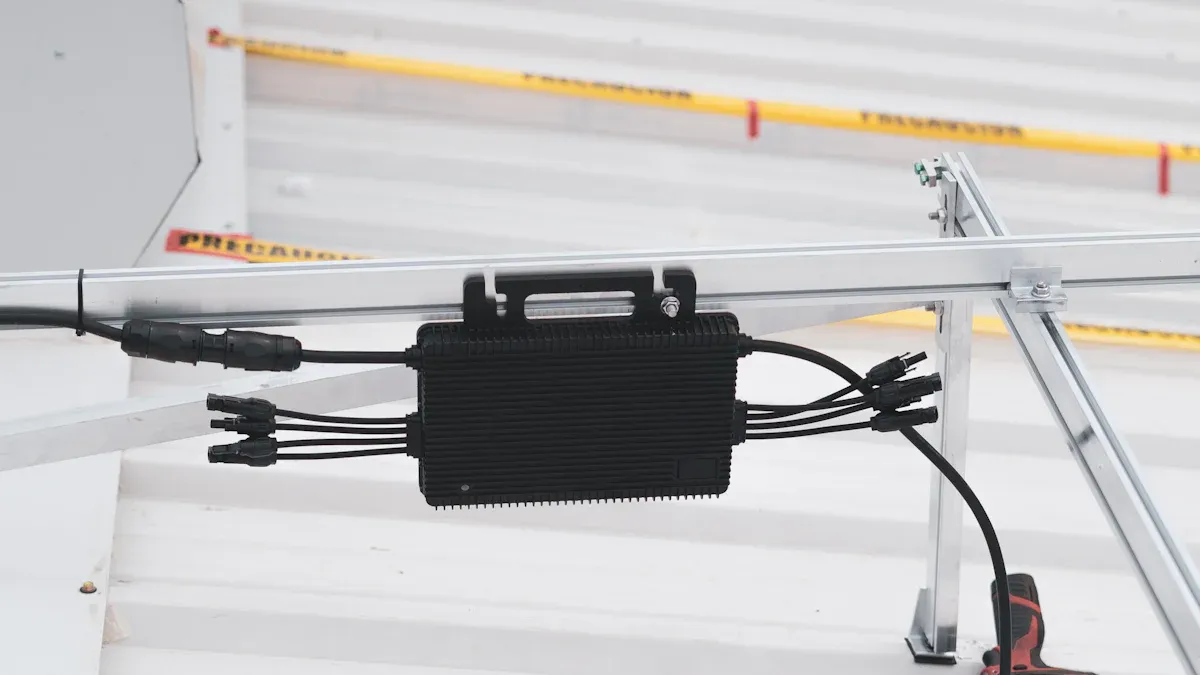
You need to pick the right length and thickness for your solar cable to get the best results. If you use a cable that is too thin or too long, you will lose power. Most home solar systems use cable runs up to 100 feet. For these distances, you can use a 10 AWG (American Wire Gauge) cable for small systems. If your system is larger or you need to run the cable farther, you should use a thicker cable like 8 AWG or 6 AWG.
Here is a simple table to help you choose:
| Cable Length (feet) | System Voltage | Recommended Gauge |
|---|---|---|
| 0-50 | 12V | 10 AWG |
| 50-100 | 12V | 8 AWG |
| 0-100 | 24V | 10 AWG |
| 100-150 | 24V | 8 AWG |
| 0-150 | 48V | 10 AWG |
Note: Always check your solar panel and inverter manuals for exact cable size recommendations.
How System Size and Power Output Affect Solar Cable Choice
The size of your solar system changes what cable you need. If you have more panels or higher power output, you will need a thicker solar cable. Thicker cables carry more current and lose less power. If you use a thin cable with a big system, the cable can get hot and waste energy.
You should also look at your system voltage. Higher voltage systems, like 24V or 48V, let you use thinner cables for the same distance. This is because higher voltage means less current flows through the cable. Less current means less power lost as heat.
- For small systems (under 500 watts), 10 AWG cable works for most short runs.
- For medium systems (500-1500 watts), use 8 AWG or 6 AWG for longer runs.
- For large systems (over 1500 watts), always use thicker cables and check with a professional.
Tips to Minimize Voltage Drop in Solar Cable Installation
You can take simple steps to keep voltage drop low in your solar cable setup:
- Use the shortest cable run possible. Place your inverter or battery close to your solar panels.
- Choose a thicker cable if you need to run it a long distance.
- Use higher system voltage if your setup allows it.
- Avoid sharp bends and tight loops in the cable. These can add resistance.
- Check all connections for tightness and corrosion.
Tip: Always measure your cable run before buying your solar cable. This helps you avoid buying the wrong size.
If you follow these tips, you will keep your solar system safe and efficient. You will get more power from your panels and avoid wasting energy.
You need to match your solar cable length and gauge to your system for safe power delivery. For longer runs, choose thicker cables or raise your system voltage. If your setup is large or complex, ask a professional for help.
Remember, the right solar cable keeps your system efficient.
FAQ
How do you calculate the right cable size for your solar panels?
You use a voltage drop calculator. Enter your system voltage, current, cable length, and material. The calculator gives you the best cable size.
Can you bury solar panel cables underground?
Yes, you can bury solar cables. Use cables rated for direct burial. Place them in conduit for extra protection from water and animals.
What happens if you use the wrong cable size?
Using the wrong cable size causes power loss, overheating, or even fire. Always match your cable size to your system’s needs for safety and efficiency.