

 Send Email
 Whatsapp


How Long Should Solar Cables Be for a Balcony PV System?
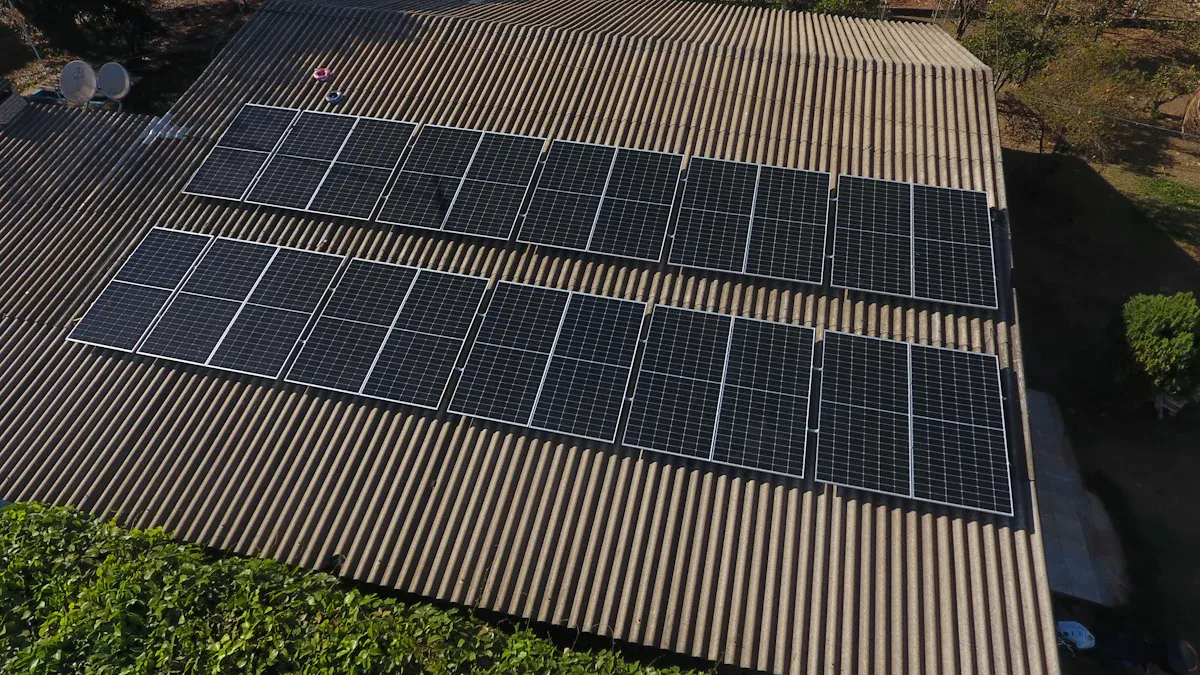
When you set up a balcony PV system, the ideal length of your Solar Cables usually falls between 10 and 50 feet. This range depends on your specific installation conditions. Choosing the right balcony solar cable length can impact your system's efficiency and safety.
Key Takeaways
- Choose solar cable lengths between 10 and 50 feet based on the distance from your solar panels to the inverter. Measure accurately to avoid inefficiencies.
- Keep voltage drop below 3% for optimal system performance. Use thicker cables if necessary to reduce voltage drop and improve efficiency.
- Select cables rated for outdoor use, such as 10 AWG or 12 AWG copper cables. Regularly inspect cables for damage to ensure safety and performance.
Factors Influencing Cable Length
Distance from Solar Panels to Inverter
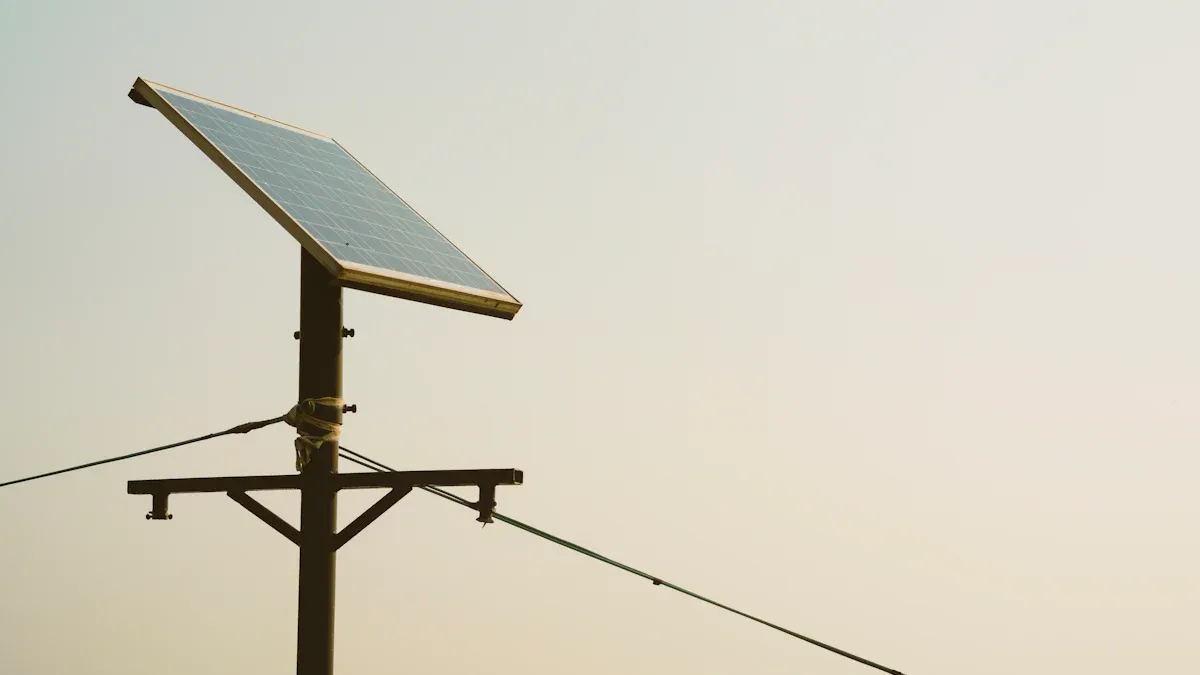
The distance between your solar panels and the inverter plays a crucial role in determining the appropriate cable length. If your panels sit far from the inverter, you need longer cables. Measure the distance accurately to avoid excess cable that can lead to inefficiencies. A good practice is to plan your layout before installation. This way, you can minimize the distance and reduce costs.

Voltage Drop Considerations
Voltage drop occurs when electricity travels through a cable. Longer cables can cause more voltage drop, which reduces the efficiency of your system. You want to keep the voltage drop below 3% for optimal performance. To achieve this, you may need to adjust the cable length or choose a thicker cable. Thicker cables can handle more current and reduce voltage drop. Always calculate the expected voltage drop based on your cable length and the total wattage of your system.
Local Regulations and Guidelines
Local regulations can also influence your balcony solar cable length. Some areas have specific codes regarding the installation of solar systems. These codes may dictate the maximum allowable cable lengths or require certain types of cables. Always check with your local authorities or a professional installer to ensure compliance. Following these guidelines not only keeps you safe but also ensures your system operates efficiently.
Best Practices for Balcony Solar Cable Length
Measuring the Required Length
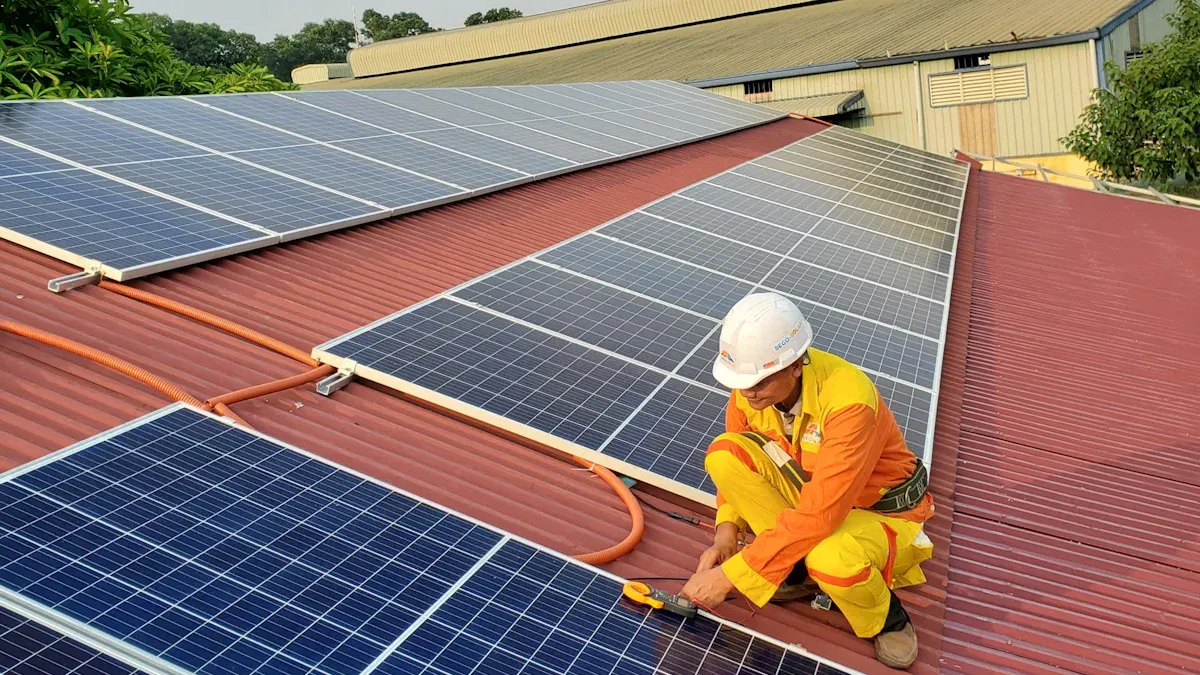
To determine the right length for your balcony solar cables, start by measuring the distance from your solar panels to the inverter. Use a tape measure for accuracy. Consider the path the cables will take. Avoid sharp bends and obstacles that could damage the cables.
Here are some steps to follow:
- Plan Your Layout: Sketch a simple diagram of your balcony setup. Mark the locations of the solar panels and inverter.
- Measure the Distance: Measure the straight-line distance between the two points. Add extra length for any bends or turns.
- Account for Future Adjustments: If you plan to move your panels or inverter later, add a few extra feet to your measurement.
Choosing the Right Cable Type

Selecting the right cable type is essential for safety and efficiency. You should consider the following factors:
- Cable Gauge: Thicker cables (lower gauge numbers) can carry more current and reduce voltage drop. For most balcony systems, 10 AWG or 12 AWG cables work well.
- Cable Material: Copper cables offer better conductivity than aluminum. While copper may cost more, it can improve your system's performance.
- Weather Resistance: Choose cables rated for outdoor use. Look for UV-resistant and waterproof options to ensure durability.
Installation Tips for Optimal Performance
Proper installation can enhance the performance of your balcony solar system. Here are some tips to keep in mind:
- Secure the Cables: Use cable ties or clips to secure the cables along their path. This prevents movement and potential damage.
- Avoid Overheating: Keep cables away from heat sources. Excessive heat can degrade the insulation and reduce efficiency.
- Regular Inspections: Periodically check your cables for wear and tear. Look for signs of damage, such as fraying or discoloration.
By following these best practices, you can ensure that your balcony solar cable length is appropriate and that your system operates efficiently.
Impact of Cable Length on System Performance
Efficiency Losses Due to Long Cables
Long cables can lead to efficiency losses in your solar system. As electricity travels through the cables, resistance increases with distance. This resistance causes voltage drop, which reduces the power reaching your inverter. To maintain efficiency, keep your cable length as short as possible. Aim for a maximum voltage drop of 3%.
Safety Considerations
Safety is crucial when dealing with solar cables. Longer cables can generate more heat due to increased resistance. This heat can damage insulation and create fire hazards. Ensure you use cables rated for the current your system produces. Regularly inspect your cables for wear and tear. If you notice any damage, replace them immediately to avoid safety risks.
Tip: Always secure cables properly to prevent movement and potential damage.
Cost Implications of Cable Length
Cable length can also affect your overall costs. Longer cables require more material, which increases your initial investment. Additionally, if you experience significant voltage drop, you may need to purchase thicker cables to compensate. This can further raise your expenses. By planning your layout carefully and minimizing cable length, you can save money while maximizing your system's performance.
In summary, you must carefully consider the balcony solar cable length for your PV system. Focus on the distance from your panels to the inverter. Keep voltage drop in mind. Follow best installation practices to ensure your system operates efficiently and safely.
FAQ
How do I measure the length of solar cables needed?
Measure the distance from your solar panels to the inverter. Add extra length for bends and future adjustments.
What type of cable should I use for my balcony PV system?
Use 10 AWG or 12 AWG copper cables for better conductivity and reduced voltage drop. Ensure they are rated for outdoor use.
Can I use regular electrical cables for solar installations?
No, regular electrical cables may not withstand outdoor conditions. Use cables specifically designed for solar applications to ensure safety and efficiency.