

 Send Email
 Whatsapp


How to choose a solar cable, including Single Core DC Solar Cable and DC Solar Cable 6mm
How to choose a solar cable, including Single Core DC Solar Cable and DC Solar Cable 6mm
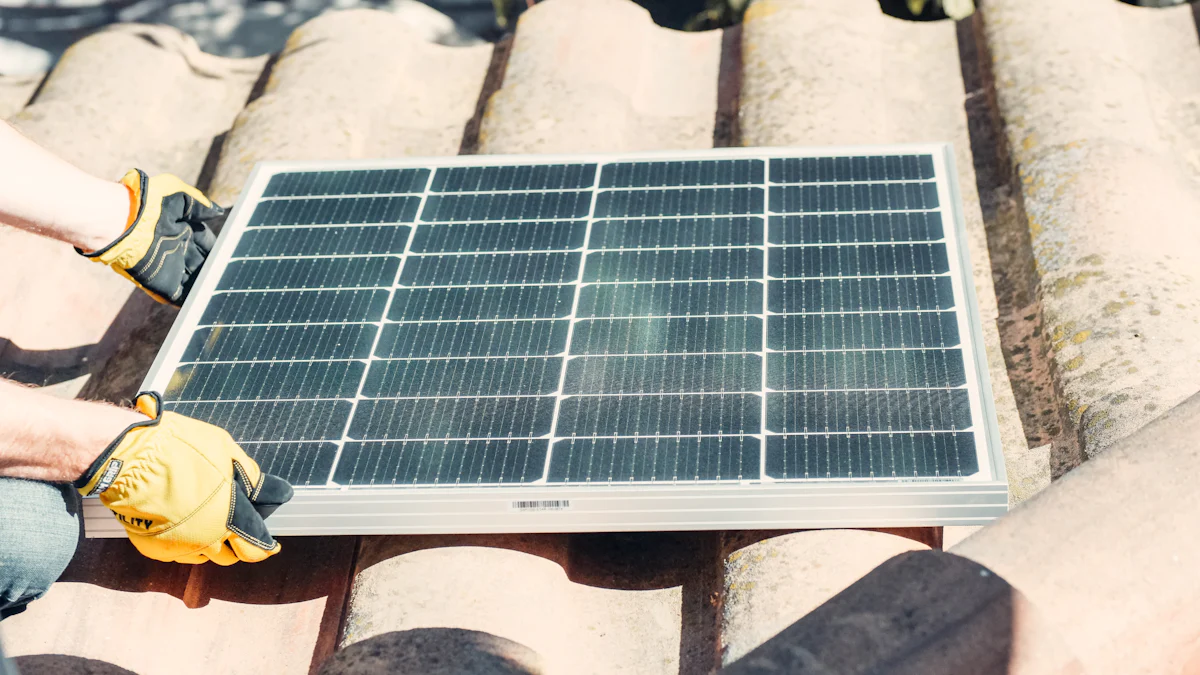
Choosing the right solar cable isn’t just about connecting components. It’s about ensuring your solar system runs efficiently and safely. The wrong cable can lead to energy loss or even hazards. For many setups, a Single Core DC Solar Cable or a DC Solar Cable 6mm offers the durability and performance you need.
Key Takeaways
- Choosing the right solar cable is crucial for system efficiency and safety; always match the cable's specifications to your solar system's voltage and current requirements.
- Opt for a Single Core DC Solar Cable for direct current systems to minimize energy loss and enhance durability, especially in outdoor conditions.
- Consider the cable size carefully; a 6mm solar cable is ideal for medium to large systems, balancing capacity and efficiency while preventing overheating.
Why Choosing the Right Solar Cable Matters
Role of solar cables in system performance
Solar cables are the backbone of your solar power system. They carry electricity from your solar panels to the inverter and then to your appliances. Without the right cables, your system can’t perform at its best. A high-quality cable ensures efficient energy transfer, which means you get the most out of your solar panels.
For example, a Single Core DC Solar Cable is designed to handle direct current (DC) efficiently. It minimizes energy loss during transmission. This is especially important for systems where every watt counts. The right cable also reduces heat buildup, which can improve the lifespan of your equipment.
Tip: Always check the cable’s specifications to match your system’s voltage and current requirements. This small step can make a big difference in performance.
Risks of using the wrong cable
Using the wrong cable can lead to serious problems. First, it can cause energy loss, which means your system won’t generate as much power as it should. Second, it can overheat, creating a fire hazard.
In some cases, the wrong cable might not handle the voltage or current of your system. This can lead to equipment damage or even system failure. For instance, if you use a cable that isn’t weather-resistant, it might degrade quickly in outdoor conditions.
Note: Investing in the right cable, like a durable Single Core DC Solar Cable, can save you from costly repairs and safety risks.
Key Considerations for Selecting a Solar Cable
Cable type: Single Core vs. Multi-Core
When choosing a solar cable, you’ll first need to decide between single-core and multi-core options. A Single Core DC Solar Cable contains just one conductor, making it ideal for direct current (DC) systems like solar setups. It’s simple, efficient, and often more durable for outdoor use. Multi-core cables, on the other hand, have multiple conductors bundled together. These are better suited for alternating current (AC) systems or applications requiring flexibility.
If your system primarily uses DC, a Single Core DC Solar Cable is usually the better choice. It’s designed to handle high voltages and resist environmental wear, ensuring long-term performance.
Cable size and current capacity (focus on 6mm cables)
Cable size directly affects how much current it can carry. A 6mm solar cable is a popular choice because it balances capacity and efficiency. It can handle higher currents without overheating, making it perfect for medium to large solar systems.
Using the right size prevents energy loss and ensures your system operates safely. Always check your system’s current requirements before selecting a cable size.
Insulation and environmental durability
Solar cables face harsh conditions, from UV exposure to extreme temperatures. Look for cables with high-quality insulation, like cross-linked polyethylene (XLPE). This material resists cracking, moisture, and heat. A durable cable will last longer and reduce maintenance costs.
Voltage rating and system compatibility
Every solar cable has a voltage rating. Make sure the cable matches your system’s voltage to avoid overloading. For most residential systems, cables rated for 600V to 1000V work well. Double-check compatibility with your inverter and panels.
Impact of cable length on performance
Longer cables can cause voltage drops, reducing system efficiency. Keep cable lengths as short as possible. If you need longer runs, choose a thicker cable to minimize energy loss. Proper planning here can save you money and improve performance.
Features and Applications of Single Core DC Solar Cable
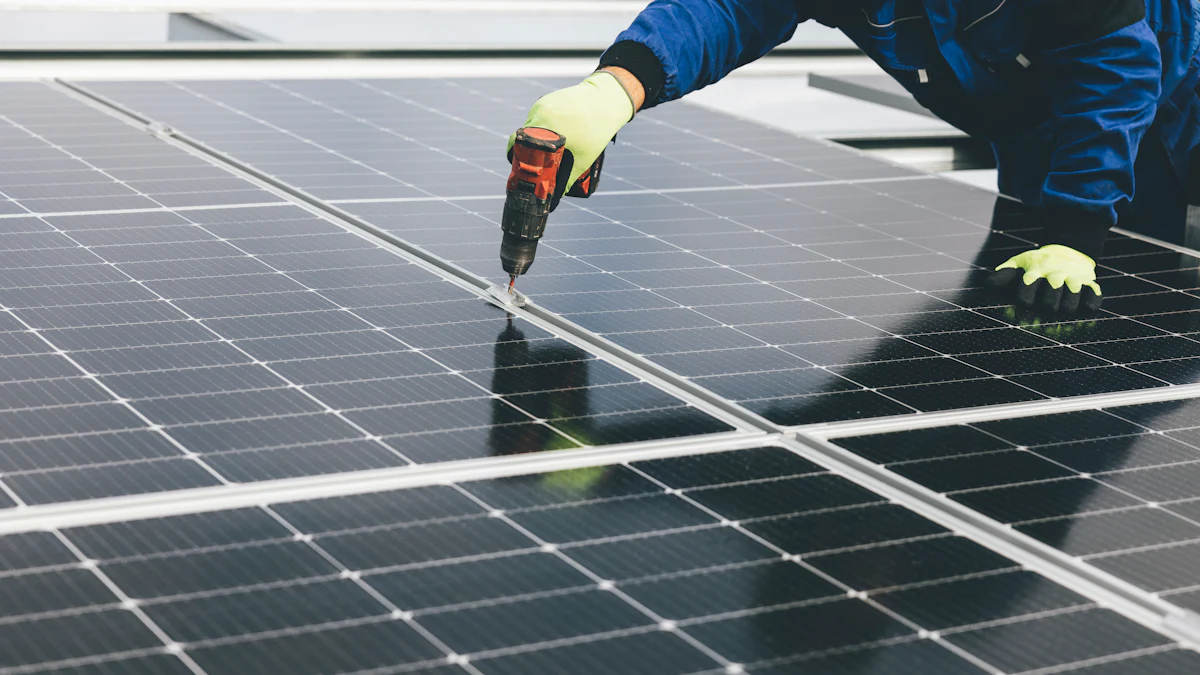
Key features and benefits
When it comes to solar systems, a Single Core DC Solar Cable offers several standout features. First, it’s designed specifically for direct current (DC) applications, which makes it highly efficient for transferring energy from your solar panels. This means less energy loss and more power for your home or business.
Durability is another big advantage. These cables are built to withstand tough outdoor conditions. They resist UV rays, extreme temperatures, and even moisture. You won’t have to worry about frequent replacements or maintenance.
Safety is also a key benefit. The insulation on these cables is top-notch, reducing the risk of electrical faults or fires. Plus, they’re easy to install. Their simple design makes them a favorite among professionals and DIY enthusiasts alike.
Tip: Look for cables with certifications like TUV or IEC. These ensure the cable meets international safety and performance standards.
Ideal use cases
You’ll find Single Core DC Solar Cables in a variety of solar setups. They’re perfect for residential solar systems, where efficiency and durability are crucial. If you’re setting up a rooftop solar array, these cables are a great choice.
They also work well in commercial solar installations. Their ability to handle high voltages makes them ideal for larger systems. Off-grid solar systems, like those used in remote areas, also benefit from these cables. Their rugged design ensures reliable performance, even in harsh environments.
Note: Always match the cable’s specifications to your system’s requirements for the best results.
Features and Applications of DC Solar Cable 6mm
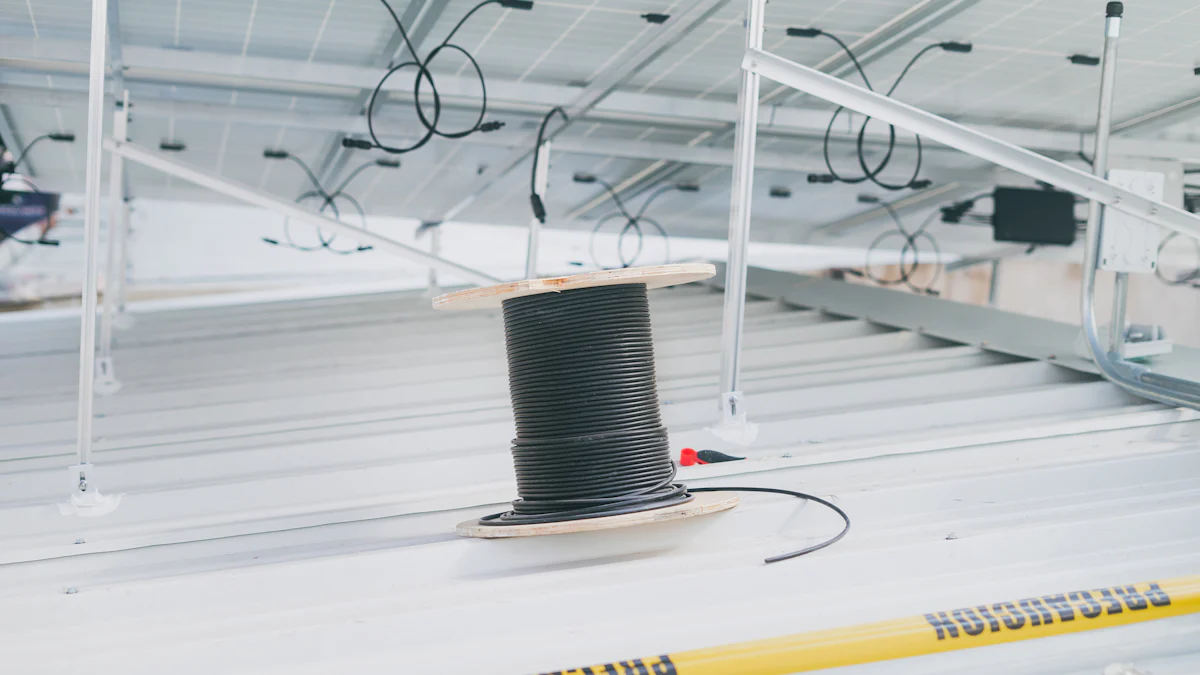
Key features and benefits
A DC Solar Cable 6mm stands out for its balance of efficiency and versatility. Its 6mm cross-sectional area allows it to handle higher currents without overheating. This makes it a reliable choice for medium to large solar systems. You’ll notice improved energy transfer, which means less power loss and better overall performance.
Durability is another major benefit. These cables are built to withstand tough outdoor conditions. They resist UV rays, extreme temperatures, and even moisture. Whether you’re dealing with blazing sun or heavy rain, a 6mm Solar Cable won’t let you down.
Safety is also a top priority. The insulation on these cables is designed to prevent electrical faults. It reduces the risk of short circuits or fires. Plus, the 6mm size ensures the cable can handle the demands of your system without compromising safety.
Tip: Always check for certifications like TUV or IEC. These ensure the cable meets international safety and quality standards.
Ideal use cases
A DC Solar Cable 6mm is perfect for a variety of solar setups. It’s a great choice for residential systems, especially if you’re powering multiple appliances or devices. The cable’s capacity makes it ideal for rooftop installations where efficiency matters.
For commercial solar systems, the 6mm cable shines. It handles higher currents, making it suitable for larger setups. Off-grid systems also benefit from its durability and reliability. If you’re setting up a solar array in a remote area, this cable can handle the job.
Note: Match the cable’s specifications to your system’s requirements for the best results. This ensures safety and optimal performance.
Practical Tips for Choosing the Right Solar Cable
Assessing your solar system’s requirements
Before you pick a solar cable, take a close look at your system’s needs. Start by identifying the voltage and current your setup generates. This helps you choose a cable that can handle the load without overheating or losing energy.
Think about the environment where the cables will be installed. Will they face harsh sunlight, rain, or extreme temperatures? If yes, go for cables with durable insulation like XLPE.
Tip: Make a list of your system’s key specs, like voltage, current, and cable length. This makes it easier to find the perfect match.
Consulting with professionals or manufacturers
When in doubt, ask the experts. Reach out to solar installers, electricians, or cable manufacturers. They can guide you based on your system’s unique requirements.
Professionals can also help you avoid common mistakes, like choosing a cable that’s too thin or incompatible with your inverter. Manufacturers often provide detailed product specs, so don’t hesitate to ask for recommendations.
Note: A quick consultation can save you time, money, and potential headaches down the road.
Ensuring compliance with local regulations and standards
Every region has its own rules for solar installations. Make sure the cables you choose meet local safety and quality standards. Look for certifications like TUV, IEC, or UL. These ensure the cables are tested and approved for solar use.
Ignoring regulations can lead to fines or system failures. Double-check with your installer or local authorities to stay compliant.
Reminder: Compliance isn’t just about following the law—it’s about keeping your system safe and reliable.
Choosing the right solar cable is key to keeping your system safe, efficient, and long-lasting. Take time to assess your setup’s needs. Think about voltage, durability, and size. Don’t hesitate to ask experts for advice. Their guidance ensures you make smart decisions and get the most from your solar investment.
FAQ
What is the difference between Single Core and Multi-Core solar cables?
Single Core cables have one conductor, ideal for DC systems. Multi-Core cables have multiple conductors, better for AC systems or flexible installations.
Can I use a 6mm solar cable for all solar systems?
Not always. A 6mm cable works well for medium to large systems. Check your system's current and voltage needs before deciding.
How do I know if a solar cable is weather-resistant?
Look for certifications like TUV or IEC. These ensure the cable can handle UV rays, moisture, and extreme temperatures without degrading.