

 Send Email
 Whatsapp


how to find the suitable size of cable & wire for electrical wiring installation, including solar panels cable

Choosing the right cable size ensures safe and efficient electrical installations. Incorrect sizing can lead to overheating, energy loss, or even fire hazards. You must consider factors like current, voltage, and distance. Solar panels cable sizing requires extra attention due to unique energy demands. Proper selection protects your system and ensures long-term reliability.
Key Factors in Choosing Cable Size
Current-carrying capacity
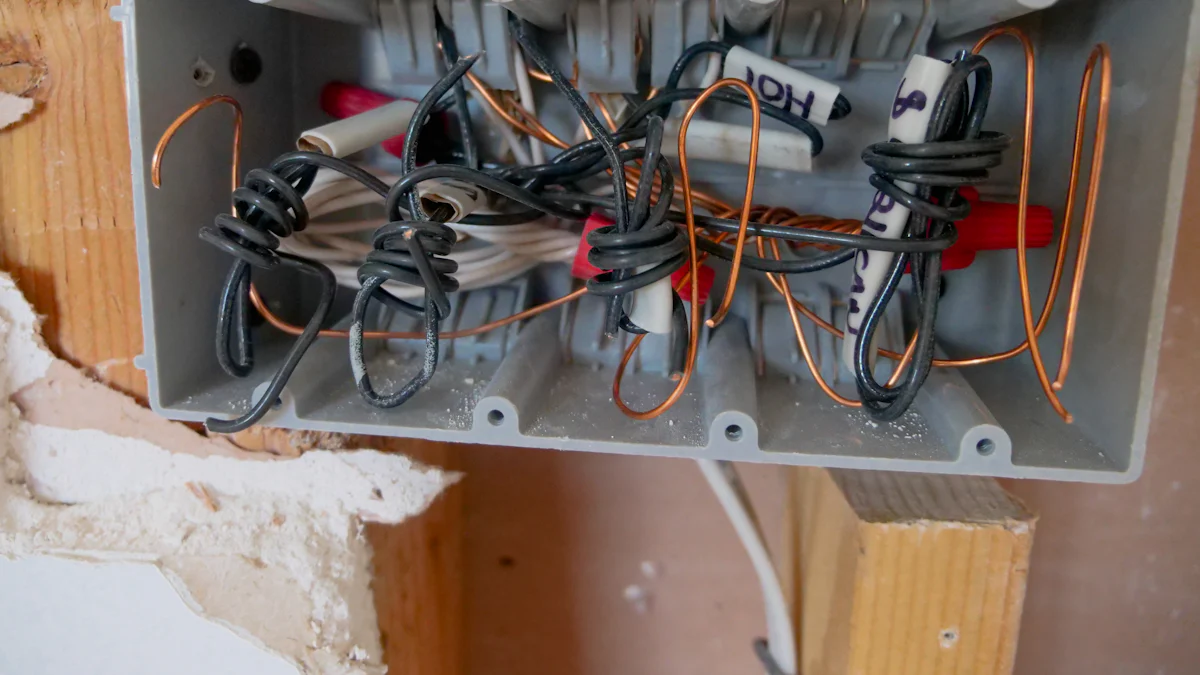
The current-carrying capacity of a cable determines how much electrical current it can safely handle. If you choose a cable that cannot support the required current, it may overheat and cause damage. To avoid this, you need to calculate the load current of your system. This ensures the cable can handle the electrical demand without compromising safety or efficiency. Always check the manufacturer's specifications for the maximum current rating of the cable.
Voltage drop impact
Voltage drop occurs when electrical energy is lost as it travels through a cable. This can reduce the efficiency of your system, especially over long distances. You should calculate the acceptable voltage drop for your installation. For most systems, a voltage drop of 3-5% is acceptable. In solar panel systems, minimizing voltage drop is even more critical to maintain energy output.
Ambient temperature and insulation
The environment where you install the cable affects its performance. High temperatures can reduce the cable's current-carrying capacity. You should also consider the type of insulation, as it impacts the cable's ability to withstand heat and other environmental factors. For example, cables with heat-resistant insulation are better for hot climates.
Installation method
The way you install the cable also influences its size. Cables installed in conduits, underground, or in open air have different cooling conditions. Poor cooling can lead to overheating. You should follow installation guidelines to ensure the cable operates safely under the given conditions.
Solar-specific considerations
Solar panel systems have unique requirements. The cables must handle direct current (DC) and often operate over long distances between the panels and the inverter. You need to select a solar panels cable that minimizes voltage drop and withstands outdoor conditions like UV exposure and temperature changes. Proper sizing ensures your solar system operates efficiently and lasts longer.
Step-by-Step Guide to Determine Cable Size
Calculate load current (I = P / V)
Start by calculating the load current for your system. Use the formula:
I = P / V Here, "I" represents the current in amperes, "P" is the power in watts, and "V" is the voltage in volts. For example, if your system requires 1200 watts and operates at 240 volts, the load current would be:
I = 1200 / 240 = 5 amperes This calculation helps you determine the minimum current your cable must handle.
Determine acceptable voltage drop
Next, calculate the acceptable voltage drop for your installation. Voltage drop is the reduction in voltage as electricity flows through the cable. For most systems, aim for a drop of 3-5%. In solar panel systems, keeping the voltage drop low is crucial to maintain efficiency. Use the formula:
Voltage Drop = (Current × Cable Resistance × Distance) Choose a cable that minimizes this drop, especially for long distances.
Check temperature and insulation ratings
Verify the cable's temperature and insulation ratings. High temperatures can reduce the cable's ability to carry current safely. Check the manufacturer's specifications to ensure the cable suits your environment. For outdoor installations, like those involving solar panels cable, select cables with UV-resistant and weatherproof insulation.
Use wire size charts or calculators
Refer to wire size charts or online calculators to match your calculated load current and voltage drop with the appropriate cable size. These tools simplify the process and help you choose the correct wire gauge for your needs.
Verify compliance with safety standards
Finally, ensure the selected cable complies with local safety standards and regulations. This step guarantees your installation is safe and meets legal requirements. Consult a licensed electrician if you're unsure about compliance.
Examples and Common Wire Sizes
Example for general wiring
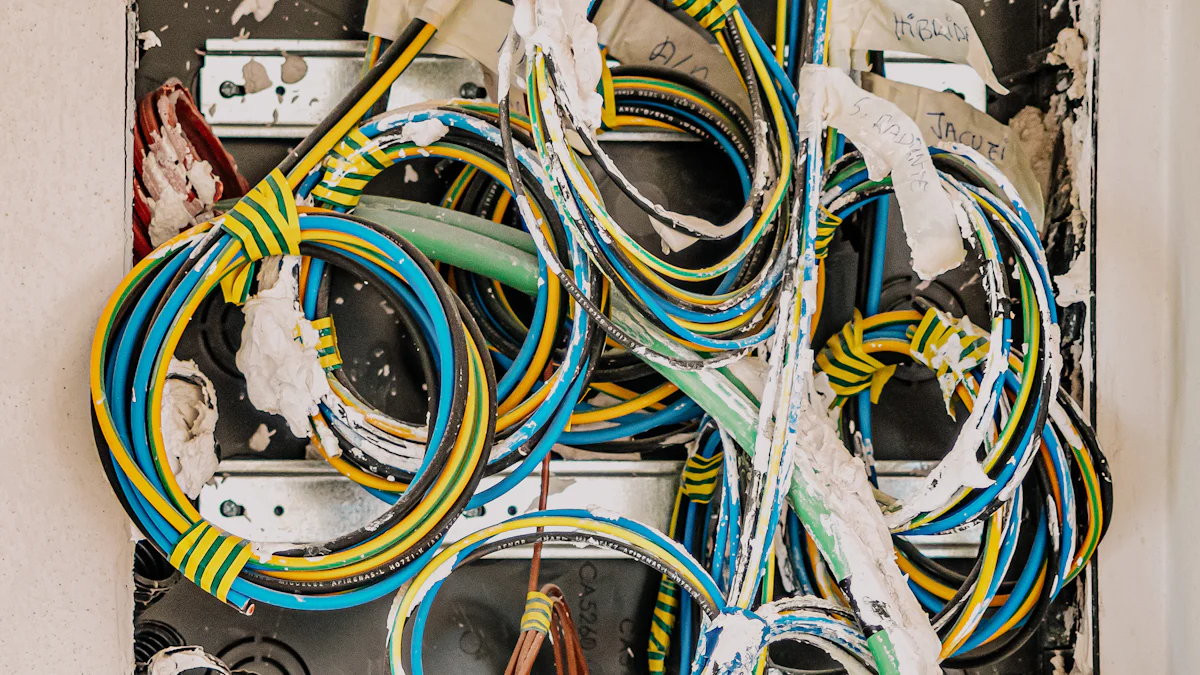
Imagine you are wiring a standard home circuit for lighting. The total load is 1200 watts, and the voltage is 120 volts. Using the formula I = P / V, you calculate the current as:
I = 1200 / 120 = 10 amperes For this load, a 14 AWG (American Wire Gauge) cable is suitable for most installations. This wire size supports up to 15 amperes and works well for short distances. However, if the cable runs over a long distance, you may need to choose a thicker wire to reduce voltage drop. Always verify the cable's insulation and temperature ratings to match your environment.
Example for solar panels cable
Suppose you are connecting solar panels to an inverter. The system generates 2000 watts at 48 volts. Using the same formula, the current is:
I = 2000 / 48 = 41.67 amperes For this current, you might select a 6 AWG solar panels cable. This size handles up to 55 amperes and minimizes voltage drop over moderate distances. If the panels are far from the inverter, consider a thicker cable like 4 AWG. Ensure the cable is UV-resistant and weatherproof to withstand outdoor conditions.
Standard wire sizes and applications
Here is a quick reference for common wire sizes and their typical uses:
| Wire Size (AWG) | Current Capacity (Amps) | Common Applications |
|------------------|-------------------------|---------------------------------|
| 14 AWG | Up to 15 | Lighting circuits, outlets |
| 12 AWG | Up to 20 | Kitchen appliances, HVAC units |
| 10 AWG | Up to 30 | Water heaters, air conditioners |
| 6 AWG | Up to 55 | Solar panels cable, subpanels |
| 4 AWG | Up to 70 | Large solar systems, main panels|
Tip: Always consult local electrical codes and a licensed electrician to ensure compliance and safety.
Choosing the right cable size involves considering key factors like current capacity, voltage drop, and installation conditions. Use tools and consult professionals to ensure accuracy. Prioritize safety and compliance in your installations. Proper cable sizing not only enhances efficiency but also protects your electrical systems from potential hazards.