
 Send Email
 Whatsapp


Introduction
As solar deployment expands across the Philippines, the reliability of every connection becomes more important to project performance and long-term safety. This article explains why Pntech’s participation in Solar & Storage Live Philippines 2026 matters, with a focus on Solar Cable solutions built for tropical conditions, utility-scale demand, and evolving EPC requirements. Readers will gain a clear view of the market drivers behind cable selection, the technical pressures created by heat, humidity, UV exposure, and storms, and the product qualities that support stable power transmission in challenging environments. From there, the discussion moves into how Pntech positions its solar cable technology for the region’s next phase of growth.
Why Pntech Highlights Solar Cable Innovation
The upcoming Solar & Storage Live Philippines 2026 event serves as a premier gathering for renewable energy professionals, engineering, procurement, and construction (EPC) contractors, and policymakers across Southeast Asia. As utility-scale and commercial photovoltaic projects accelerate rapidly throughout the region, securing reliable balance-of-system components has become a critical priority for project developers. Pntech is set to participate in this landmark exhibition, bringing decades of specialized manufacturing expertise to address the evolving technical demands of the Asian solar sector. The company's presence underscores the vital, yet often overlooked, role that advanced cabling infrastructure plays in overall system performance, safety, and long-term financial returns.
Philippine market demand
The Philippine market is currently experiencing a massive surge in solar infrastructure deployment, driven by the national government's mandate to achieve a 35% renewable energy mix by 2030 and a highly ambitious 50% target by 2040. This rapid expansion across both mainland grids and decentralized island networks requires robust components capable of withstanding the archipelago's challenging tropical climate. Environmental stressors in the region include sustained high humidity, intense ultraviolet radiation, and frequent severe typhoons. Consequently, project developers are shifting their procurement focus toward highly durable cabling solutions that prevent premature insulation degradation, mitigate moisture ingress, and ensure uninterrupted power transmission across demanding terrains.
Core event message
At the core of Pntech's exhibition strategy is the demonstration of how advanced cable engineering directly impacts the financial viability and operational efficiency of solar installations. The showcase will highlight cutting-edge manufacturing innovations designed to reduce direct current (DC) transmission losses by up to 1.5%, a critical performance metric for maximizing energy yields in multi-megawatt solar farms. By emphasizing the integration of high-purity, Class 5 tinned copper conductors and advanced cross-linked insulation materials, Pntech aims to educate attendees on the long-term cost benefits of prioritizing premium interconnection infrastructure. Attendees will discover how mitigating electrical resistance and power loss in the transmission line significantly increases the total megawatt-hours delivered to the grid over a facility's lifetime.
Solar Cable Specifications and Compliance
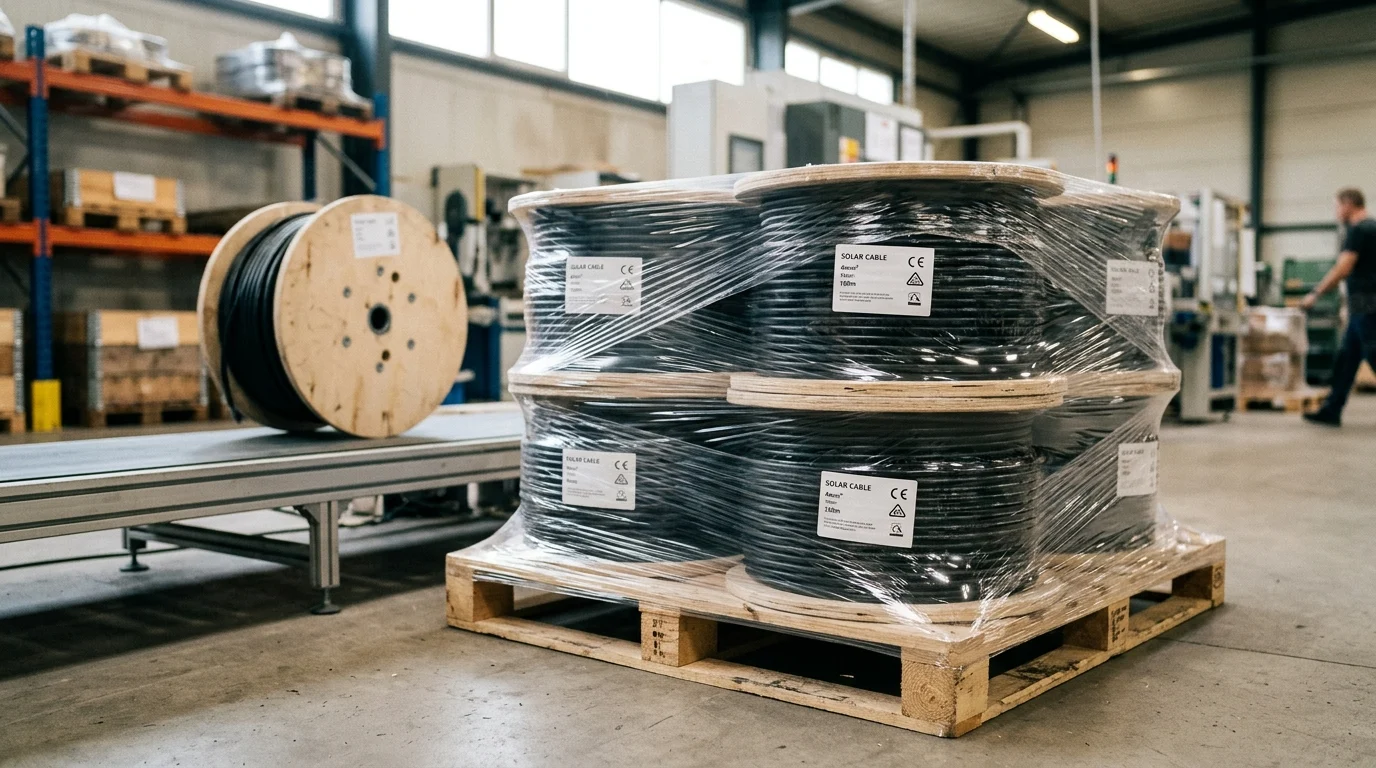
Achieving optimal efficiency and safety in a photovoltaic system requires strict adherence to international electrical standards. A dedicated SOLAR CABLE must endure extreme environmental stressors that would quickly degrade conventional building wiring, making precise technical specifications the foundational element of system reliability.
Key specs and cable types
Modern solar installations operate at increasingly higher voltages to minimize power loss over long distances and reduce overall wiring costs. Today, the industry standard for utility-scale projects has definitively shifted from legacy 1000V systems to 1500V DC architectures, requiring cables with superior dielectric strength and thicker insulation profiles. The most common conductor material remainsClass 5 flexible tinned copper, which offers excellent electrical conductivity, superior flexibility for tight bend radii, and exceptional resistance to galvanic corrosion.
| Specification | Standard PV Cable (H1Z2Z2-K) | Legacy PV Cable (PV1-F) |
|---|---|---|
| Voltage Rating | 1500V DC | 1000V DC |
| Operating Temperature | -40°C to +90°C | -40°C to +90°C |
| Max Conductor Temp | 120°C (for 20,000 hrs) | 120°C (for 20,000 hrs) |
| Insulation Material | XLPO (Cross-linked) | XLPE / Standard Polymer |
| Water Resistance | AD8 (Submersible options) | AD7 (Standard) |
Selecting the appropriate cable type and insulation material directly dictates the thermal and mechanical resilience of the entire solar array, especially in environments prone to high ambient temperatures.
Certification, testing, and lifecycle
Compliance with stringent regulatory frameworks is non-negotiable for utility-scale deployments and commercial rooftop arrays. High-quality cables must carry internationally recognized certifications such as EN 50618 and IEC 62930, ensuring they pass rigorous laboratory tests for ozone resistance, thermal endurance, and flame retardancy. Routine batch testing, including damp heat tests conducted at 85% relative humidity and 85°C for 1000 hours, verifies insulation integrity under severe tropical conditions. Furthermore, premium solar cables are engineered to be low-smoke zero-halogen (LSZH), significantly reducing toxic gas emissions and improving visibility during a fire event. When properly specified, manufactured, and installed, these components deliver a lifecycle expectancy exceeding 25 years, perfectly aligning with the standard operational warranty lifespan of modern photovoltaic panels.
How Buyers Should Choose the Right Solar Cable Supplier
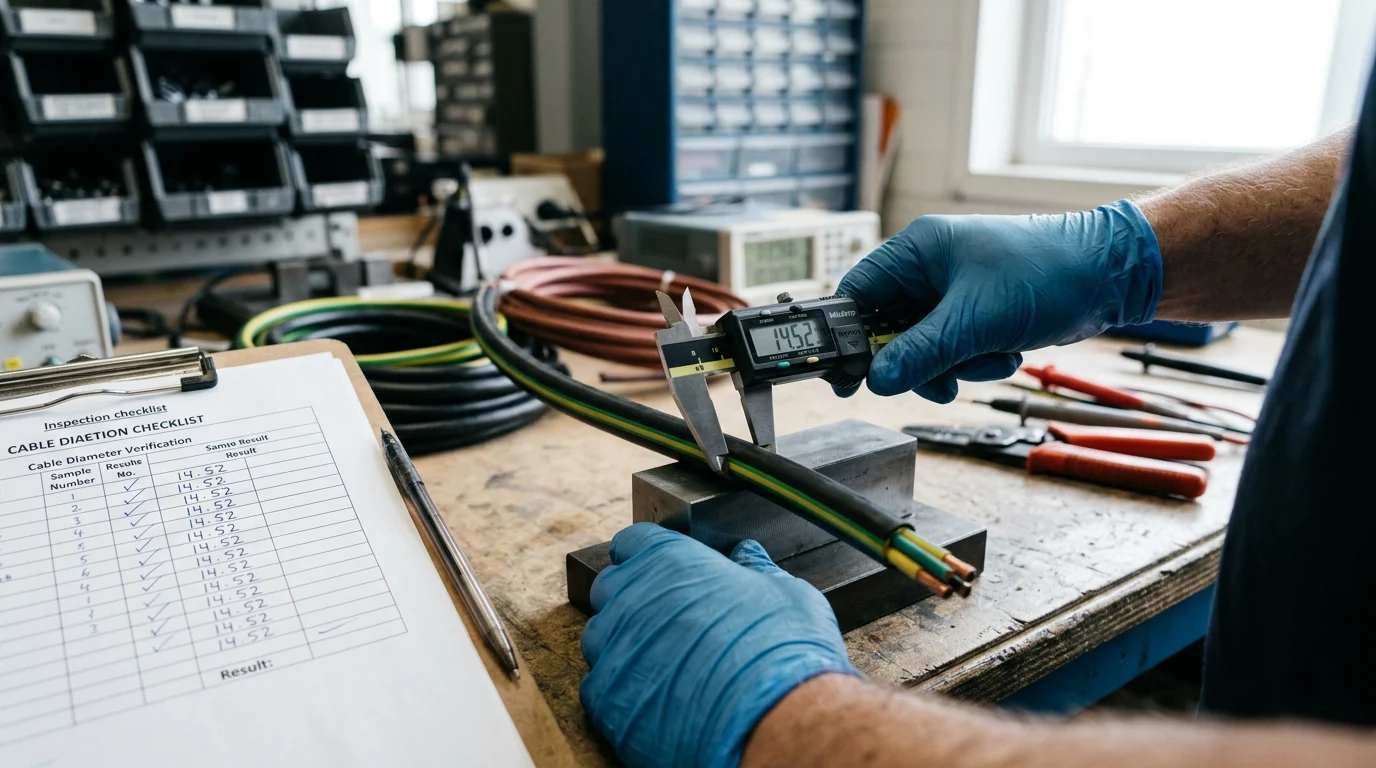
Navigating the complex procurement landscape requires EPC firms and project developers to look beyond initial capital expenditure and unit pricing. Selecting the right supplier involves deeply evaluating production capacity, logistical reliability, and strict quality control frameworks to guarantee project bankability and avoid costly downtime during installation.
Sourcing, logistics, and customization
Effective supply chain management is heavily dependent on a manufacturer's ability to meet specific project timelines, volume requirements, and specialized engineering requests. Buyers should seek suppliers capable of handling standard Minimum Order Quantities (MOQs) efficiently—often ranging from 10,000 to 20,000 meters for custom jacket colors, specific printing requirements, or bespoke armoring. Production lead times are equally critical to project scheduling; top-tier manufacturers typically maintain a manufacturing turnaround of 14 to 21 days for bulk international orders, excluding transit times. Additionally, customization capabilities, such as integrated anti-rodent fiberglass braiding, enhanced UV-blocking outer layers, or specialized double-insulated sheathing for direct burial applications, provide significant value for complex utility-scale installations located in harsh environments.
Supplier evaluation and final checklist
A comprehensive supplier evaluation must meticulously scrutinize manufacturing defect rates, factory certifications, and overall financial stability. Industry-leading manufacturers maintain product defect rates well below 0.1% by implementing automated optical inspection and continuous inline spark testing during the polymer extrusion process. Procurement teams should also verify ISO 9001 quality management certifications and review warranty terms, expecting a minimum 15-year product warranty backed by comprehensive third-party laboratory testing reports. During Solar & Storage Live Philippines 2026, prospective buyers, engineers, and project managers will have the exclusive opportunity to review these exact manufacturing parameters with Pntech representatives. Engaging directly with the manufacturer ensures that their chosen interconnection solutions will seamlessly meet both rigorous technical specifications and long-term commercial objectives.
Key Takeaways
- The most important conclusions and rationale for SOLAR CABLE
- Specs, compliance, and risk checks worth validating before you commit
- Practical next steps and caveats readers can apply immediately
Frequently Asked Questions
What will Pntech showcase at Solar & Storage Live Philippines 2026?
Pntech will present solar cable solutions focused on 1500V DC systems, low-loss transmission, tropical-weather durability, and compliance with key PV cable standards for utility and commercial projects.
Why are 1500V DC solar cables important for new PV projects?
1500V DC cables support modern system designs, reduce wiring losses over long runs, and help lower overall balance-of-system costs in utility-scale and large commercial installations.
Which solar cable type is commonly preferred for current projects?
H1Z2Z2-K is widely preferred because it is designed for 1500V DC applications, uses cross-linked insulation, and is better suited to demanding outdoor PV environments than older PV1-F options.
What features matter most for solar cables in the Philippines?
Choose cables with UV resistance, moisture protection, high-humidity durability, strong insulation, and corrosion-resistant Class 5 tinned copper conductors to handle heat, rain, and typhoon-prone conditions.
Which certifications should buyers check before ordering solar cable?
Look for EN 50618 and IEC 62930 compliance, plus verified testing for flame retardancy, damp heat, ozone resistance, and LSZH performance to ensure safety and long service life.