
 Send Email
 Whatsapp


PV smart optimizer and optimizer for solar energy system
PV smart optimizer and optimizer for solar energy system
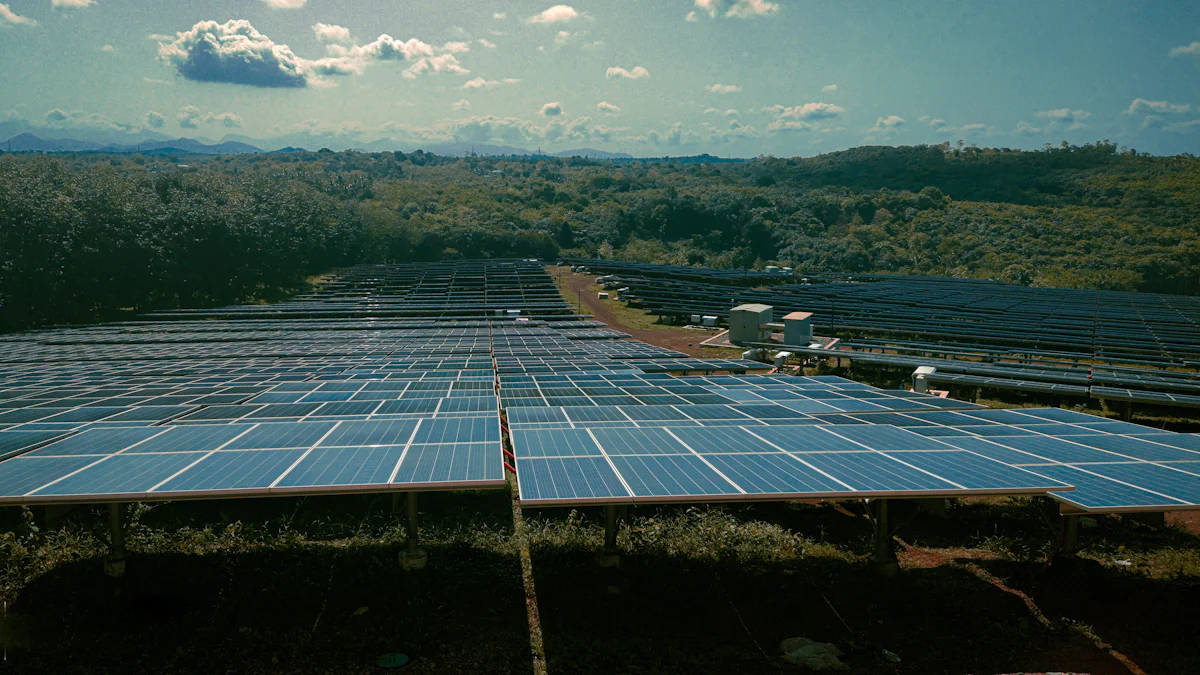
Solar energy systems depend on innovative tools to enhance efficiency, and that's where a PV smart optimizer and an optimizer for solar energy system play a crucial role. These devices are designed to ensure each solar panel performs optimally, even under challenging conditions. By minimizing energy losses and boosting performance, they enable you to maximize the return on your solar investment. As modern systems require smarter solutions for increased energy production and dependability, their significance continues to rise.
Key Takeaways
- PV smart Optimizers enhance the performance of individual solar panels, ensuring maximum energy output even in challenging conditions like shading or dirt.
- Unlike traditional string inverters, PV smart optimizers allow each panel to operate independently, preventing one underperforming panel from affecting the entire system.
- Investing in optimizers can significantly reduce energy losses and improve the overall efficiency of your solar energy system, leading to greater savings over time.
- When choosing an optimizer, consider factors such as system size, budget, and specific energy goals to find the best fit for your needs.
- Regular maintenance and monitoring of your solar system, including visual inspections and performance tracking, are essential for maximizing efficiency and longevity.
- High-quality optimizers are designed to withstand extreme weather conditions, ensuring reliable performance year-round and protecting your investment.
What are PV smart optimizers and solar energy system optimizers?
Definition and purpose
On the other hand, an optimizer for solar energy systems focuses on enhancing the overall efficiency of your solar setup.
Think of these optimizers as the brains behind your solar panels. They monitor and adjust the performance of each panel in real time. This means you can generate more electricity, even if some panels face challenges like partial shading. By using these devices, you can maximize the return on your solar investment while ensuring your system runs smoothly.
Key differences between PV smart optimizers and other optimizers
Not all optimizers are created equal. PV smart optimizers stand out because they work at the panel level. Each panel gets its own optimizer, which allows for precise control and monitoring. This is different from traditional string inverters, which manage multiple panels as a group. If one panel underperforms in a string inverter system, the entire group suffers. With PV smart optimizers, this issue doesn’t happen.
Another key difference lies in their ability to handle shading. PV smart optimizers excel in partially shaded conditions by isolating the affected panel. This ensures the rest of your system continues to perform well. Other optimizers may not offer this level of flexibility, which can lead to energy losses. Additionally, PV smart optimizers often include advanced features like real-time monitoring and diagnostics, giving you better insights into your system’s performance.
Importance of optimization in solar energy systems
Optimization plays a vital role in making your solar energy system as efficient as possible. Without it, you could lose a significant amount of energy due to factors like shading, dirt, or mismatched panels. Optimizers ensure every panel contributes its maximum potential, regardless of external conditions. This means you can generate more electricity and reduce your reliance on the grid.
By using a PV smart optimizer and optimizer for solar energy system, you also gain greater control over your setup. These devices allow you to monitor performance, identify issues, and make adjustments as needed. This level of control not only boosts efficiency but also extends the lifespan of your solar panels. In the long run, optimization helps you save money and achieve your energy goals more effectively.
How do PV smart optimizers and solar energy system optimizers work?
Overview of the optimization process
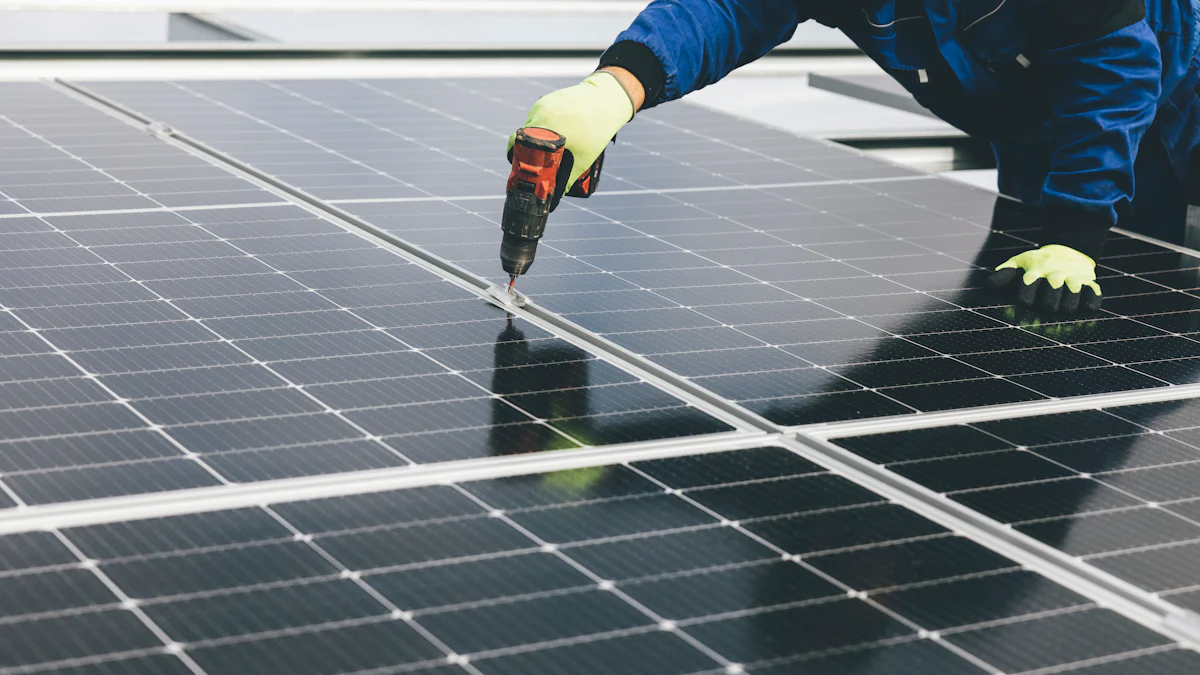
PV smart optimizers and solar energy System Optimizers work by ensuring each solar panel operates at its peak performance. These devices monitor the energy output of individual panels in real time. If one panel underperforms due to shading, dirt, or other factors, the optimizer adjusts its performance without affecting the rest of the system. This process helps you maintain consistent energy production.
The optimization process involves converting the direct current (DC) electricity generated by your solar panels into a form that maximizes energy efficiency. The optimizer fine-tunes the voltage and current from each panel to match the system's requirements. This ensures that every panel contributes its maximum potential, even when conditions vary. By doing this, the optimizer reduces energy losses and boosts the overall efficiency of your solar energy system.
Role of Maximum Power Point Tracking (MPPT)
Maximum Power Point Tracking (MPPT) is a key feature of PV smart optimizers and solar energy system optimizers. MPPT technology identifies the "sweet spot" where your solar panel generates the most power. This point changes throughout the day as sunlight intensity and temperature fluctuate. The optimizer continuously tracks this point and adjusts the panel's output to match it.
Think of MPPT as a tool that squeezes every drop of energy from your solar panels. Without it, your system might miss out on valuable energy, especially during less-than-ideal conditions. MPPT ensures that your panels perform at their best, regardless of external factors. This technology plays a crucial role in maximizing the efficiency of your solar energy system.
Real-world benefits: improved energy output and reduced losses
Using PV smart optimizers and solar energy system optimizers offers several real-world advantages. First, they significantly improve energy output. By optimizing each panel individually, these devices ensure that your system generates as much electricity as possible. This is especially beneficial if your panels face shading or uneven sunlight exposure.
Second, optimizers help reduce energy losses. Traditional systems often lose efficiency when one panel underperforms. With optimizers, this issue is minimized because each panel operates independently. This means you get more consistent energy production, even in challenging conditions.
Finally, these devices enhance the reliability of your solar energy system. They provide real-time monitoring and diagnostics, allowing you to identify and address issues quickly. This not only improves performance but also extends the lifespan of your panels. By investing in a PV smart optimizer and optimizer for solar energy system, you can enjoy better energy efficiency and long-term savings.
Types of solar energy system optimizers
Discrete DC optimizers
Discrete Dc Optimizers are small devices attached to individual solar panels. They work by adjusting the voltage and current of each panel to ensure it operates at its peak performance. These optimizers are ideal for systems where panels might face shading or uneven sunlight exposure. By isolating the performance of each panel, they prevent one underperforming panel from dragging down the entiresolar energy system.
You’ll find discrete DC optimizers especially useful if your solar array is installed in areas with obstacles like trees or chimneys. They also allow for more flexible panel placement since each panel operates independently. This means you can install panels on different roof sections without worrying about mismatched performance. Discrete DC optimizers give you better control over your system and help maximize energy production.
Smart panels with built-in optimization
Smart panels with built-in optimization combine the benefits of solar panels and optimizers into a single unit. These panels come equipped with integrated optimization technology, which eliminates the need for separate devices. They monitor and adjust their performance in real time, ensuring maximum energy output.
If you’re looking for a streamlined solution, smart panels might be your best choice. They reduce installation complexity since you won’t need to attach external optimizers. Plus, they often include advanced features like real-time monitoring and diagnostics. This makes it easier for you to track your system’s performance and address any issues quickly. Smart panels are a great option for those who value simplicity and efficiency in their solar setup.
Microinverters
Microinverters take a different approach to optimization. Instead of working at the panel level like discrete DC optimizers, they convert the direct current (DC) electricity from each panel into alternating current (AC) right at the source. This eliminates the need for a central inverter and allows each panel to operate independently.
Microinverters are perfect for systems where panels face varying conditions, such as different angles or shading. They ensure that each panel performs at its best without being affected by the others. You’ll also benefit from enhanced system reliability since a failure in one microinverter won’t impact the rest of your system. Additionally, microinverters provide detailed performance data for each panel, giving you valuable insights into your energy production.
"Microinverters are like having a personal trainer for each solar panel, ensuring they perform at their peak no matter the conditions."
When choosing between these types of optimizers, consider your system’s specific needs. Each option offers unique advantages, so understanding their features will help you make the best decision for your solar energy goals.
Comparison of types: advantages and limitations
When choosing the right optimizer for your solar energy system, understanding the strengths and weaknesses of each type is essential. Let’s break down the advantages and limitations of discrete DC optimizers, smart panels with built-in optimization, and microinverters to help you make an informed decision.
Discrete DC Optimizers
Advantages:
- Panel-level control: These optimizers allow each panel to operate independently, ensuring maximum energy output even when some panels face shading or dirt.
- Flexibility in design: You can install panels on different roof sections or orientations without worrying about performance mismatches.
- Cost-effective: Discrete DC optimizers often cost less than other advanced solutions, making them a budget-friendly option for many homeowners.
Limitations:
- Additional components: Since these optimizers are separate devices, they add complexity to the installation process.
- Maintenance needs: More components mean more potential points of failure, which could require additional maintenance over time.
Smart Panels with Built-in Optimization
Advantages:
- Streamlined setup: These panels combine optimization technology with solar modules, reducing installation time and effort.
- Integrated features: Many smart panels include real-time monitoring and diagnostics, giving you valuable insights into your system’s performance.
- Aesthetic appeal: With no external devices, smart panels offer a cleaner and more polished look for your solar array.
Limitations:
- Higher upfront cost: The advanced technology in smart panels makes them more expensive than traditional panels with separate optimizers.
- Limited flexibility: If one panel fails, replacing it can be more complicated and costly compared to systems with discrete optimizers.
Microinverters
Advantages:
- Independent operation: Each panel converts its energy to AC independently, ensuring consistent performance even if one panel underperforms.
- Enhanced reliability: A failure in one microinverter doesn’t affect the rest of the system, keeping your energy production steady.
- Detailed monitoring: Microinverters provide panel-level data, helping you track and optimize your system’s performance.
Limitations:
- Higher cost: Microinverters tend to be more expensive than other optimization options, both in terms of equipment and installation.
- Complex installation: The need to install a microinverter for each panel can increase labor time and costs.
"Each type of optimizer has its own strengths and trade-offs. Your choice depends on your system’s design, budget, and energy goals."
When deciding, think about what matters most to you. Do you want a cost-effective solution, a sleek and integrated design, or the highest level of reliability? By weighing these factors, you can select the optimizer that best fits your solar energy needs.
How to choose the right optimizer for your solar energy system
Factors to consider: system size, budget, and energy goals
Choosing the right optimizer starts with understanding your solar energy system's unique needs.
Your budget plays a big role too. If you're working with a tight budget, discrete DC optimizers might be the most affordable choice. However, if you’re willing to invest more upfront for long-term benefits, smart panels or microinverters could provide better value over time. Always weigh the initial cost against the potential energy savings and efficiency gains.
Finally, consider your energy goals. Are you aiming to maximize energy production, reduce reliance on the grid, or achieve a specific level of sustainability? Your goals will help you decide which optimizer aligns best with your priorities. For instance, if you want to generate the most energy possible, microinverters or smart panels might be worth the investment.
"Your system size, budget, and energy goals act as the foundation for selecting the right optimizer. Keep these factors in mind to make a choice that fits your needs."
Compatibility with existing solar panels and inverters
Before purchasing an optimizer, check its compatibility with your current solar setup.
Start by reviewing the specifications of your solar panels and inverter. Look for optimizers that match these specs. If you’re unsure, consult your solar installer or the manufacturer for guidance. They can help you identify options that integrate smoothly with your existing equipment.
Compatibility also affects future upgrades. If you plan to expand your system later, choose an optimizer that supports scalability. This ensures you won’t face limitations when adding more panels or upgrading your inverter.
Performance in shaded or challenging conditions
Shading and challenging conditions can significantly impact your solar energy production. That’s why it’s crucial to choose an optimizer that performs well in less-than-ideal situations. PV smart optimizers and microinverters excel in handling shading because they allow each panel to operate independently. This means one shaded panel won’t drag down the performance of the entire system.
If your panels are installed in areas with trees, chimneys, or other obstacles, prioritize optimizers designed for shaded environments. Discrete DC optimizers and microinverters are excellent choices for these scenarios. They isolate the performance of each panel, ensuring consistent energy output even when some panels face shading.
For extreme weather conditions, look for optimizers with robust safety features and certifications. High-quality devices are built to withstand harsh environments, ensuring reliable performance year-round. Always check the product specifications to confirm its durability and suitability for your location.
"Optimizers that handle shading and tough conditions effectively can make a huge difference in your system’s overall efficiency. Don’t overlook this factor when making your decision."
Cost vs. long-term benefits
When choosing an optimizer for your solar energy system, the upfront cost often feels like a major factor. However, it’s essential to weigh that cost against the long-term benefits you’ll gain. Let’s break this down so you can make an informed decision.
Initial investment vs. energy savings
Optimizers come with varying price tags. Discrete DC optimizers tend to be more affordable upfront, while microinverters and smart panels with built-in optimization usually cost more. At first glance, the higher price of advanced options might seem like a drawback. But think about the energy savings they can deliver over time.
For example, microinverters and smart panels often provide better performance in shaded or challenging conditions. This means they can generate more electricity, reducing your reliance on the grid. Over the years, these energy savings can offset the initial cost, making them a worthwhile investment.
"Spending more upfront on a high-quality optimizer can lead to greater savings in the long run. It’s not just about the price tag—it’s about the value you get."
Maintenance and durability
Cheaper options might save you money initially, but they could cost more in maintenance and repairs. High-quality optimizers, like smart panels or microinverters, are built to last. They often include advanced safety features and robust designs that withstand harsh weather conditions. This durability reduces the need for frequent replacements or repairs, saving you money and hassle over time.
On the other hand, lower-cost options may require more upkeep. If you’re on a tight budget, consider the potential maintenance costs before making your choice. Sometimes, spending a bit more upfront can save you from unexpected expenses later.
Resale value and system longevity
Investing in premium optimizers can also boost the resale value of your property. A well-optimized solar energy system is a strong selling point for potential buyers. It shows that your system is efficient, reliable, and designed for long-term performance. This added value can make your home more attractive in the real estate market.
Additionally, high-quality optimizers can extend the lifespan of your solar panels. By ensuring each panel operates at its best, they reduce wear and tear on your system. This means you’ll enjoy consistent energy production for years to come, maximizing the return on your investment.
Making the right choice for your goals
When evaluating cost versus long-term benefits, think about your priorities. Are you looking for the most budget-friendly option, or do you want a system that delivers maximum efficiency and reliability? Consider how long you plan to use your solar energy system and what kind of performance you expect.
"The right optimizer isn’t just about saving money today—it’s about creating value for the future. Choose wisely to align with your energy goals and financial plans."
By balancing upfront costs with long-term advantages, you can select an optimizer that meets your needs while delivering lasting benefits.
Practical considerations for installation and performance
Installation process and requirements
Installing solar energy system optimizers requires careful planning and attention to detail. You’ll need to ensure that the installation process aligns with your system’s design and energy goals. Start by reviewing the manufacturer’s guidelines for the specific optimizer you’ve chosen. These instructions provide essential details about placement, wiring, and compatibility.
For discrete DC optimizers, attach each device to its corresponding solar panel. Make sure the connections are secure and follow the recommended wiring sequence. If you’re using microinverters, install one on each panel and connect them to the system’s AC wiring. For smart panels with built-in optimization, the process is simpler since the technology is already integrated. You’ll only need to focus on mounting the panels and connecting them to the inverter.
Hiring a professional installer can save you time and ensure everything is set up correctly. They’ll have the expertise to handle complex wiring and troubleshoot potential issues. If you prefer a DIY approach, double-check all connections and test the system before activating it. Proper installation is key to maximizing your system’s efficiency and longevity.
Safety features and certifications
When choosing an optimizer, prioritize safety. High-quality devices come with built-in safety features that protect your system and home. Look for features like rapid shutdown capabilities, which allow you to quickly deactivate the system in emergencies. This is especially important for ensuring the safety of maintenance workers or first responders.
Certifications also matter. Products with certifications from organizations like UL (Underwriters Laboratories) or IEC (International Electrotechnical Commission) meet strict safety and performance standards. These certifications give you peace of mind, knowing the optimizer has been tested for reliability and durability.
Before installation, inspect the optimizer for any visible damage or defects. A damaged device could compromise safety and performance. During operation, monitor the system regularly to ensure all safety features are functioning as intended. By prioritizing safety, you can protect your investment and enjoy worry-free energy production.
Performance under extreme weather conditions
Solar energy systems face various weather challenges, from scorching heat to freezing temperatures. Your optimizer must perform reliably under these conditions. High-quality optimizers are designed to withstand extreme weather, ensuring consistent energy production year-round.
In hot climates, overheating can reduce efficiency. Choose an optimizer with high thermal tolerance and efficient heat dissipation. Devices with advanced cooling systems or low self-heating rates perform better in such environments. For cold regions, ensure the optimizer can handle freezing temperatures without losing functionality.
Rain, snow, and wind also impact performance. Waterproof and corrosion-resistant optimizers are essential for areas with heavy rainfall or humidity. In snowy regions, ensure the optimizer can handle snow loads and icy conditions. Wind-resistant designs are crucial for locations prone to strong gusts.
Check the product specifications for weather ratings, such as IP (Ingress Protection) ratings, which indicate resistance to dust and water. Regular maintenance, like cleaning and inspecting the system, helps maintain optimal performance in challenging weather. By choosing a weather-resistant optimizer, you’ll ensure reliable energy production no matter the conditions.
Maintenance and troubleshooting tips
Keeping your solar energy system in top shape requires regular maintenance and a proactive approach to troubleshooting. By staying on top of these tasks, you can ensure your PV smart optimizers and other system components perform efficiently for years. Let’s dive into some practical tips to help you maintain and troubleshoot your system effectively.
1. Perform regular visual inspections
Take time to inspect your solar panels and optimizers every few months. Look for visible signs of damage, such as cracks, loose wires, or corrosion. Check the connections between the panels and optimizers to ensure they remain secure. If you notice dirt or debris on the panels, clean them gently with water and a soft cloth or sponge. Avoid using abrasive materials that could scratch the surface.
"A quick visual check can catch small issues before they turn into costly repairs."
2. Monitor system performance
Most PV smart optimizers come with monitoring tools that let you track your system’s performance in real time. Use these tools to check for irregularities, such as a sudden drop in energy output. Compare the data from individual panels to identify underperforming ones. If you spot a problem, address it promptly to avoid further energy losses.
3. Keep an eye on shading and obstructions
Shading can reduce the efficiency of your solar panels, even with optimizers in place. Trim nearby trees or remove objects that cast shadows on your panels. Seasonal changes can also affect shading, so reassess your setup periodically. Keeping your panels exposed to maximum sunlight ensures optimal energy production.
4. Address error codes and alerts
Your system’s monitoring software may display error codes or alerts when something goes wrong. Pay attention to these notifications and refer to the user manual for guidance. Common issues include connectivity problems, voltage mismatches, or overheating. If you’re unsure how to resolve an error, contact your installer or the manufacturer for support.
5. Test the system after extreme weather
After storms, heavy snowfall, or high winds, inspect your system for damage. Check the panels, optimizers, and wiring for any signs of wear or displacement. Remove snow or debris carefully to avoid damaging the equipment. Testing your system after extreme weather helps you catch and fix problems early.
6. Schedule professional maintenance
While DIY maintenance is helpful, scheduling professional inspections at least once a year is essential. A qualified technician can perform detailed checks, clean hard-to-reach areas, and test the electrical components. They can also identify potential issues that might not be visible during a basic inspection.
"Professional maintenance ensures your system stays efficient and safe, giving you peace of mind."
7. Troubleshoot common issues
Here are some quick fixes for common problems:
- Low energy output: Check for shading, dirt, or loose connections. Clean the panels and tighten any loose wires.
- Optimizer not responding: Restart the system or reset the optimizer according to the manufacturer’s instructions.
- Error messages: Refer to the user manual or contact customer support for specific guidance.
8. Maintain a log of maintenance activities
Keep a record of all maintenance tasks, inspections, and repairs. Note the dates, actions taken, and any parts replaced. This log helps you track your system’s history and identify recurring issues. It’s also useful if you need to claim a warranty or sell your property in the future.
"A well-maintained system not only performs better but also lasts longer, saving you money in the long run."
By following these maintenance and troubleshooting tips, you can keep your solar energy system running smoothly. Regular care ensures you get the most out of your investment while reducing the risk of unexpected problems.
PV smart optimizer and optimizer for solar energy system play a vital role in enhancing the efficiency of your solar setup. They ensure each panel performs at its best, even in challenging conditions. By understanding their functionality, exploring the different types, and considering key factors like compatibility and budget, you can make an informed choice. Take time to evaluate your energy needs and goals. Consulting a professional can help you implement the right solution for long-term benefits. With the right optimizer, you’ll maximize energy production and savings.
FAQ
What is the main purpose of a PV smart optimizer?
A PV smart optimizer ensures each solar panel operates at its peak performance.
How does a PV smart optimizer differ from a traditional inverter?
A PV smart optimizer works at the panel level, optimizing each panel individually. A traditional inverter manages multiple panels as a group. If one panel underperforms in a traditional system, the entire group suffers. With a PV smart optimizer, each panel performs independently, ensuring better efficiency.
Can PV smart optimizers handle shaded conditions?
Yes, PV smart optimizers excel in shaded conditions. They isolate the performance of shaded panels, preventing them from affecting the rest of the system. This feature ensures consistent energy production, even when some panels face partial shading.
Are PV smart optimizers compatible with all solar panels?
Not all PV smart optimizers work with every solar panel. Compatibility depends on the brand and model of your panels and inverter. Always check the specifications or consult your installer to ensure the optimizer integrates seamlessly with your system.
What are the benefits of using microinverters instead of optimizers?
Microinverters convert DC electricity to AC at the panel level, eliminating the need for a central inverter. They offer independent operation for each panel, enhanced reliability, and detailed performance monitoring. Microinverters are ideal for systems with varying panel conditions, like different angles or shading.
Do PV smart optimizers require regular maintenance?
PV smart optimizers need minimal maintenance. Regular visual inspections and system monitoring help ensure they perform efficiently. Cleaning your panels and checking connections periodically can also extend their lifespan. Professional inspections once a year are recommended for optimal performance.
How do I choose the right optimizer for my solar energy system?
Consider factors like your system size, budget, and energy goals. Check compatibility with your existing panels and inverter. If your system faces shading or challenging conditions, prioritize optimizers designed for such scenarios. Balancing cost with long-term benefits will help you make the best choice.
Are smart panels with built-in optimization worth the investment?
Smart panels with built-in optimization simplify installation and reduce the need for external devices. They include advanced features like real-time monitoring and diagnostics. While they cost more upfront, their streamlined design and efficiency make them a worthwhile investment for many homeowners.
Can optimizers improve the lifespan of my solar panels?
Yes, optimizers can extend the lifespan of your solar panels. By ensuring each panel operates at its best, they reduce stress and wear on the system. This leads to consistent performance and fewer issues over time, helping you get the most out of your investment.
Do optimizers work in extreme weather conditions?
High-quality optimizers are designed to perform reliably in extreme weather. Look for devices with robust safety features and weather-resistant ratings, like IP certifications. Regular maintenance and inspections after severe weather help ensure your system stays efficient year-round.