

 Send Email
 Whatsapp


Single Core Solar Cable and its applications in photovoltaic systems
Single Core Solar Cable and its applications in photovoltaic systems
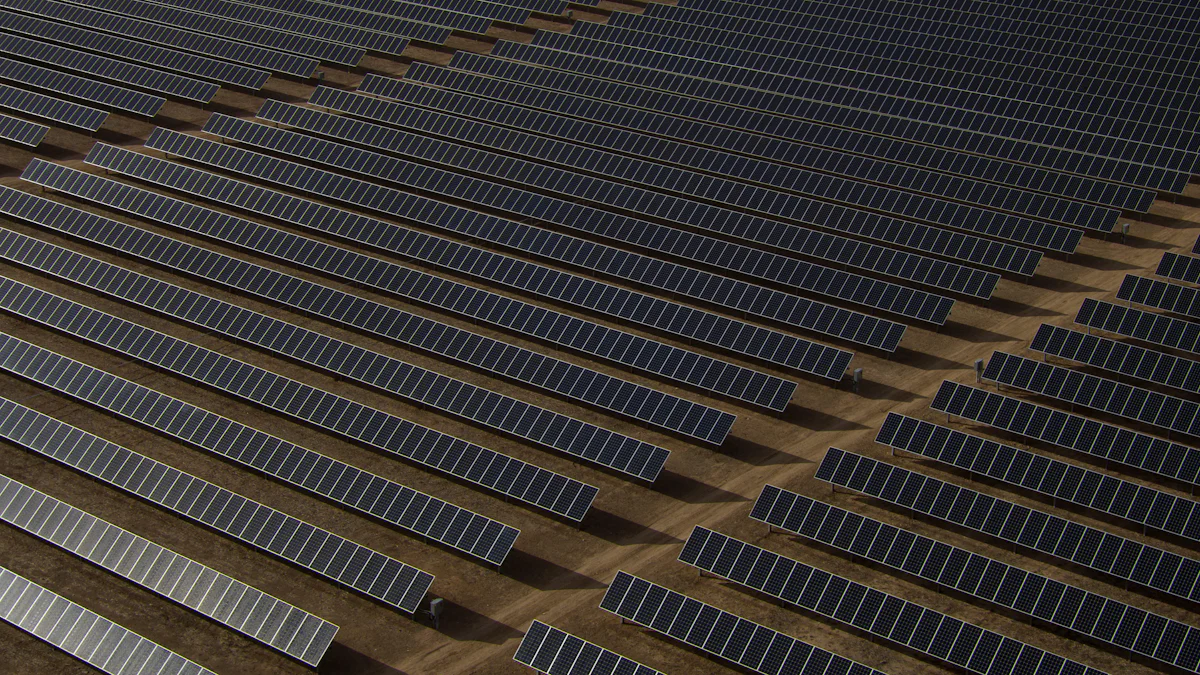
A Single Core Solar Cable is a specialized electrical cable designed for photovoltaic systems. It features a single conductor, ensuring efficient energy transmission between solar panels and other components. You rely on this cable to handle high currents and voltages, making it essential for solar power setups. Its robust design resists environmental factors like UV radiation, ensuring durability in outdoor conditions. By using this cable, you ensure reliable energy flow, which is critical for the performance and safety of your solar system.
Key Takeaways
- Single Core Solar Cables are designed for efficient energy transmission in photovoltaic systems, ensuring minimal energy loss.
- These cables are built to withstand harsh environmental conditions, featuring UV-resistant insulation that enhances durability.
- With a voltage handling capability of up to 1500V, Single Core Solar Cables are ideal for both residential and commercial solar installations.
- Choosing the right cable size is crucial; undersized cables can overheat, while oversized cables may lead to unnecessary costs.
- Regular inspections and maintenance of Single Core Solar Cables can significantly extend their lifespan and ensure optimal performance.
- Compliance with safety standards like TÜV, IEC, and UL guarantees the reliability and safety of Single Core Solar Cables in solar systems.
- Investing in high-quality Single Core Solar Cables reduces long-term costs by minimizing the need for frequent replacements and repairs.
Understanding Single Core Solar Cable
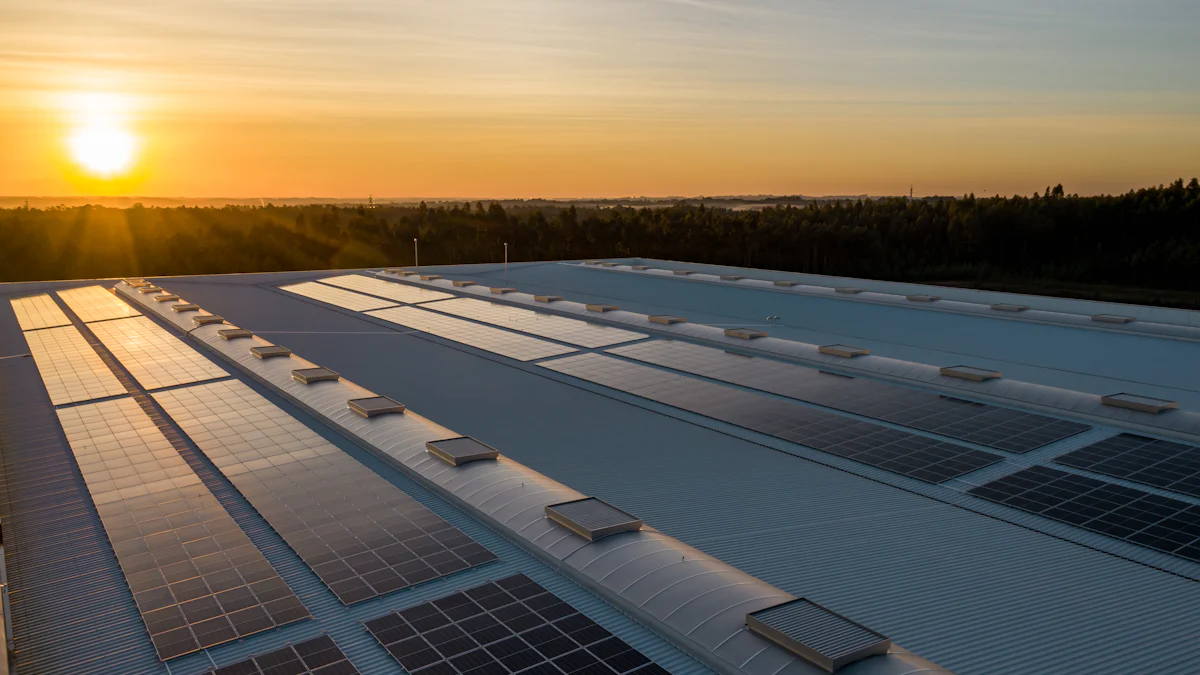
Definition and Structure
It consists of a single conductor, typically made from high-quality copper or aluminum.
Key Materials Used in Single Core Solar Cables
The materials used in Single Core Solar Cables are carefully selected to ensure durability and performance. The conductor, usually copper or aluminum, offers excellent conductivity. Copper is preferred for its superior electrical properties, while aluminum provides a lightweight alternative. The insulation layer, made from XLPE, shields the cable from extreme temperatures and harsh weather conditions. Additionally, the outer sheath is often UV-resistant, ensuring the cable remains intact even under prolonged exposure to sunlight. These materials work together to create a cable that performs reliably in demanding environments.
Differences Between Single Core and Multi-Core Solar Cables
Single Core Solar Cables and multi-core cables serve different purposes in solar systems. A Single Core Solar Cable contains one conductor, making it ideal for high-current applications. Its simple design reduces energy loss and ensures efficient power transmission. In contrast, multi-core cables have multiple conductors within a single sheath. These are used when multiple connections are required in a compact space. Single core cables are easier to install and maintain due to their straightforward structure. Multi-core cables, however, are more versatile for complex setups. Choosing between the two depends on your specific solar system requirements.
Features and Benefits of Single Core Solar Cable
Durability and Resistance to Environmental Factors
You need a cable that can withstand harsh conditions, especially in outdoor solar installations. A Single Core Solar Cable excels in durability. Its insulation, often made from cross-linked polyethylene (XLPE), resists ultraviolet rays, moisture, and mechanical stress. This ensures the cable remains intact even under prolonged exposure to sunlight or extreme weather. The robust design protects against abrasion and chemical exposure, making it suitable for challenging environments. By choosing this cable, you ensure reliable performance over time, regardless of environmental challenges.
High Voltage and Temperature Handling Capabilities
Solar systems demand cables that can handle high voltage and temperature fluctuations. A Single Core Solar Cable meets these requirements effectively. It is designed to operate efficiently at voltages up to 1500V, ensuring smooth energy transmission. The insulation material provides excellent thermal stability, allowing the cable to perform well in both high and low temperatures. This capability reduces the risk of overheating or energy loss. You can rely on this cable to maintain consistent performance, even in demanding solar power setups.
Longevity and Low Maintenance Needs
Investing in a durable cable reduces long-term costs. A Single Core Solar Cable offers exceptional longevity due to its high-quality materials and construction. The UV-resistant insulation and sturdy outer sheath prevent wear and tear, extending the cable’s lifespan. Its low maintenance requirements save you time and effort. Regular inspections are sufficient to ensure optimal performance. By using this cable, you minimize the need for frequent replacements, making it a cost-effective choice for your solar system.
Compliance with Safety and Industry Standards
When selecting a cable for your solar system, ensuring compliance with safety and industry standards is crucial. A Single Core Solar Cable adheres to strict guidelines, guaranteeing reliable and safe performance. These standards ensure the cable meets the necessary requirements for electrical conductivity, insulation quality, and environmental resistance.
You can trust these cables because they are tested and certified by recognized organizations. Certifications like TÜV, IEC, and UL confirm that the cable meets global safety benchmarks. These certifications validate the cable's ability to handle high voltage and extreme conditions without compromising safety.
Manufacturers design Single Core Solar Cables to meet fire resistance and low smoke emission standards. This feature minimizes risks in case of electrical faults. The insulation materials used in these cables are non-toxic and halogen-free, ensuring safety for both users and the environment.
By choosing a compliant cable, you protect your solar system from potential hazards. You also ensure that your installation aligns with local regulations and international standards. This compliance not only enhances safety but also boosts the efficiency and reliability of your photovoltaic system.
Applications of Single Core Solar Cable in Photovoltaic Systems
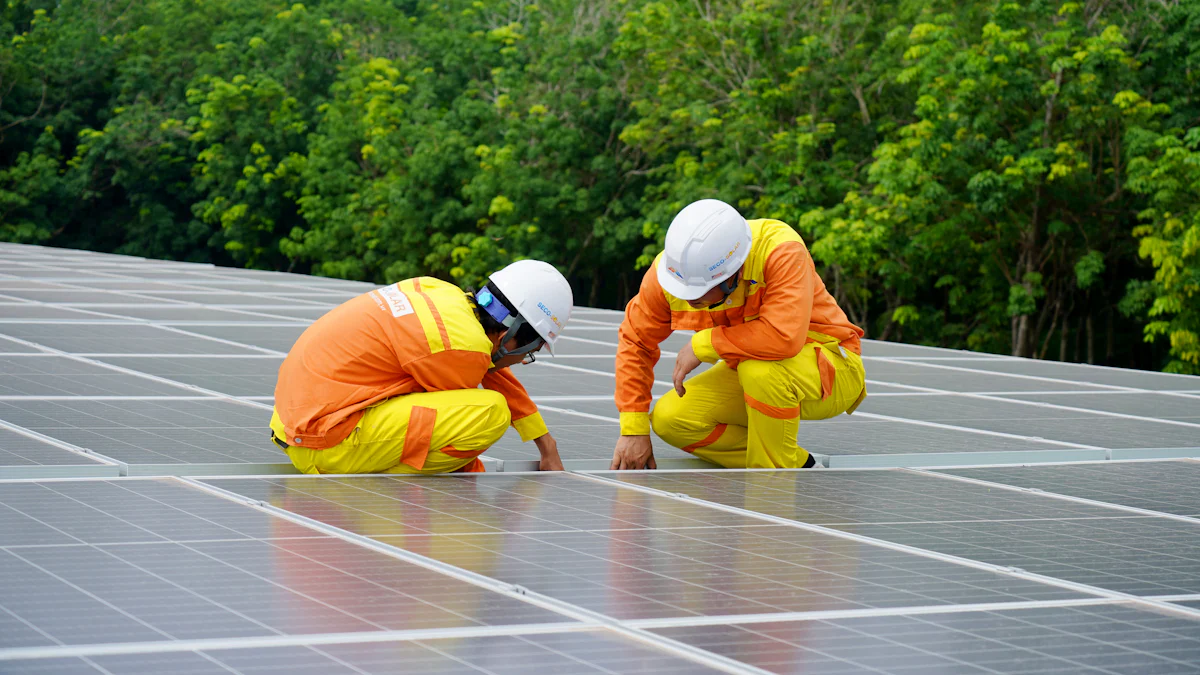
Residential Solar Installations
You can rely on Single Core Solar Cable for residential solar installations due to its efficiency and reliability.
Commercial and Industrial Solar Projects
In commercial and industrial solar projects, energy demands are significantly higher. Single Core Solar Cable meets these demands by providing efficient power transmission over long distances. You can use it to connect large arrays of solar panels to inverters and other system components. Its robust design ensures it can handle the high currents required in such setups. The cable’s compliance with safety standards adds an extra layer of reliability, which is crucial for large-scale projects. By choosing this cable, you ensure that your commercial or industrial solar system operates at optimal efficiency while maintaining safety.
Off-Grid and Hybrid Solar Systems
Off-grid and hybrid solar systems require cables that can perform reliably in diverse conditions. Single Core Solar Cable is an excellent choice for these applications. It connects your solar panels to batteries and inverters, ensuring consistent energy flow. Its resistance to environmental factors makes it suitable for remote locations where maintenance may not be frequent. You can depend on this cable to handle the high voltages and currents typical of off-grid systems. For hybrid systems, it supports seamless integration with other energy sources, ensuring uninterrupted power supply. By using this cable, you optimize the performance of your off-grid or hybrid solar setup.
Best Practices for Installation and Maintenance
Proper installation and maintenance of Single Core Solar Cables ensure the efficiency and safety of your photovoltaic system. Following best practices helps you avoid common issues and extends the lifespan of your cables.
1. Plan the Cable Layout Carefully
Before installation, map out the cable layout. Ensure the cables follow the shortest possible route between components to minimize energy loss. Avoid sharp bends or twists, as these can damage the insulation and reduce performance. Use cable trays or conduits to organize and protect the cables from physical damage.
2. Choose the Right Cable Size
Select a cable size that matches the current and voltage requirements of your solar system. Undersized cables can overheat and cause energy loss, while oversized cables may increase costs unnecessarily. Refer to the manufacturer’s specifications and consult a professional if needed.
3. Secure the Cables Properly
Use appropriate clamps or ties to secure the cables in place. This prevents movement caused by wind or vibrations, which can lead to wear and tear. Avoid over-tightening, as this may damage the insulation. Ensure the cables are not in contact with sharp edges or abrasive surfaces.
4. Protect Against Environmental Factors
Install the cables in areas where they are shielded from potential hazards like water pooling, excessive heat, or chemical exposure. For outdoor installations, ensure the cables are UV-resistant and positioned to avoid prolonged exposure to direct sunlight. Use protective coverings or conduits in areas prone to physical damage.
5. Perform Regular Inspections
Inspect the cables periodically to identify signs of wear, such as cracks in the insulation or discoloration. Check for loose connections or corrosion at terminals. Address any issues immediately to prevent further damage or system inefficiencies.
6. Clean the Cables When Necessary
Dirt and debris can accumulate on the cables over time, especially in outdoor installations. Clean the cables gently using a soft cloth and a mild cleaning solution. Avoid using abrasive materials or harsh chemicals that could damage the insulation.
7. Follow Manufacturer Guidelines
Always adhere to the installation and maintenance instructions provided by the cable manufacturer. These guidelines are tailored to the specific materials and design of the cable, ensuring optimal performance and safety.
8. Engage Qualified Professionals
For complex installations or repairs, rely on certified electricians or solar technicians. They have the expertise to handle high-voltage systems safely and efficiently. Professional assistance reduces the risk of errors and ensures compliance with local regulations.
By implementing these best practices, you enhance the reliability and longevity of your Single Core Solar Cables. Proper care not only improves the performance of your photovoltaic system but also minimizes the risk of costly repairs or replacements.
Single Core Solar Cable plays a vital role in photovoltaic systems. It ensures efficient energy transmission, enhances safety, and provides long-lasting durability for solar setups. By using this cable, you optimize the performance of your solar energy system while minimizing maintenance needs. Its robust design and compliance with industry standards make it a reliable choice for any solar project. When planning your installation, consider investing in high-quality Single Core Solar Cables to achieve a safe and efficient energy solution that stands the test of time.
FAQ
What is a Single Core Solar Cable?
A Single Core Solar Cable is an electrical cable with a single conductor designed for photovoltaic systems.
Why should you choose Single Core Solar Cables for solar installations?
You should choose Single Core Solar Cables because they offer excellent durability, high voltage handling, and resistance to environmental conditions. These cables ensure reliable energy transmission, which is essential for the efficiency and safety of your solar system.
Are Single Core Solar Cables suitable for outdoor use?
Yes, Single Core Solar Cables are ideal for outdoor use. Their insulation, often made from cross-linked polyethylene (XLPE), resists UV rays, moisture, and mechanical stress. This makes them durable and reliable in harsh outdoor environments.
How do Single Core Solar Cables differ from Multi-Core Solar Cables?
Single Core Solar Cables have one conductor, making them suitable for high-current applications. Multi-Core Solar Cables contain multiple conductors within a single sheath, which makes them more versatile for complex setups. Single core cables are simpler to install and maintain, while multi-core cables are better for compact connections.
What voltage can Single Core Solar Cables handle?
Single Core Solar Cables are designed to handle high voltages, with many rated for up to 1500V.
How do you select the right size of Single Core Solar Cable?
To select the right size, consider the current and voltage requirements of your solar system. Undersized cables can overheat, while oversized cables may increase costs unnecessarily. Refer to the manufacturer’s specifications or consult a professional for guidance.
What maintenance do Single Core Solar Cables require?
Single Core Solar Cables require minimal maintenance. Regular inspections help identify wear or damage. Cleaning the cables gently with a soft cloth removes dirt and debris. Following the manufacturer’s guidelines ensures optimal performance and longevity.
Can Single Core Solar Cables be used in off-grid systems?
Yes, Single Core Solar Cables are suitable for off-grid systems. They provide reliable energy transmission between solar panels, batteries, and inverters. Their resistance to environmental factors makes them ideal for remote locations with limited maintenance access.
Are Single Core Solar Cables compliant with safety standards?
Yes, Single Core Solar Cables comply with global safety and industry standards. Certifications like TÜV, IEC, and UL confirm their reliability and safety. These cables meet fire resistance and low smoke emission standards, ensuring safe operation in solar systems.
What are the benefits of using UV-resistant insulation in Single Core Solar Cables?
UV-resistant insulation protects the cable from prolonged exposure to sunlight. This feature prevents degradation, ensuring the cable remains durable and functional over time. It also reduces the need for frequent replacements, saving you time and money.