

 Send Email
 Whatsapp


Solar DC Cable vs Normal Cable: Key Differences Explained
Solar DC Cable vs Normal Cable: Key Differences Explained
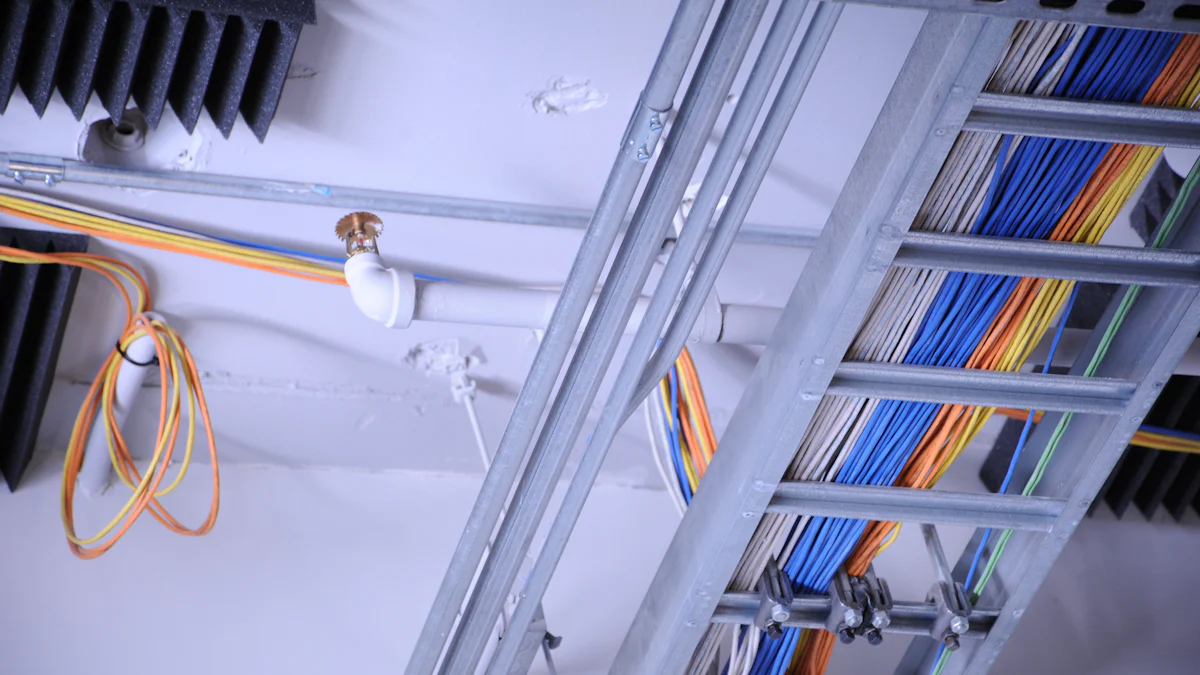
When you choose cables for your electrical projects, understanding the primary differences between Solar Dc Cables and normal cables becomes crucial. Solar DC cables are specifically designed to handle the direct current produced by solar panels. They offer durability and resistance to harsh environmental conditions. In contrast, normal cables typically cater to alternating current applications and may not withstand outdoor elements as effectively. Selecting the right cable ensures safety, efficiency, and longevity in your installations. Prioritize the correct cable type to match your specific application needs.
Key Takeaways
- Solar DC cables are specifically designed for direct current from solar panels, ensuring safety and efficiency in solar installations.
- Choose cables with appropriate current and voltage ratings to match your system's requirements, preventing electrical failures.
- Solar DC cables offer superior durability and weather resistance, making them ideal for outdoor use in harsh conditions.
- Normal cables are suitable for indoor applications but may not withstand outdoor elements as effectively as solar DC cables.
- Consider the long-term value of cables; investing in solar DC cables can lead to fewer replacements and lower maintenance costs over time.
- Always assess the installation environment and select cables that provide the necessary protection against environmental stressors.
- Prioritize flame retardant properties in cables to enhance fire safety, especially in high-temperature and high-load applications.
Characteristics of Solar DC Cables
Material Composition
Conductor Materials
You will find that solar DC cables use high-quality copper or aluminum as conductor materials. These metals offer excellent conductivity, ensuring efficient energy transfer from solar panels to the electrical system. Copper, in particular, provides superior conductivity and flexibility, making it a popular choice for solar DC cable applications.
Insulation Materials
The insulation materials in solar DC cables are designed to withstand harsh environmental conditions. Manufacturers often use cross-linked polyethylene (XLPE) or ethylene propylene rubber (EPR) for insulation. These materials resist moisture, chemicals, and abrasion, ensuring the cable's longevity and reliability in outdoor settings.
Electrical Properties
Current-Carrying Capacity
Solar DC cables have a high current-carrying capacity. This feature allows them to handle the direct current produced by solar panels efficiently. You should choose a cable with the appropriate current rating to match your solar system's requirements, ensuring optimal performance and safety.
Voltage Ratings
The voltage ratings of solar DC cables are crucial for their performance. These cables are designed to handle higher voltage levels than normal cables. You must select a cable with the correct voltage rating to prevent electrical failures and ensure the safe operation of your solar installation.
Durability and Weather Resistance
UV Resistance
Solar DC cables offer excellent UV resistance. This property protects the cables from the damaging effects of prolonged sun exposure. You can rely on these cables to maintain their integrity and performance even in sunny environments.
Temperature Tolerance
Temperature tolerance is another critical feature of solar DC cables. These cables can withstand extreme temperatures, both hot and cold. This capability ensures that your solar installation remains functional and efficient, regardless of the weather conditions.
Characteristics of Normal Cables
Material Composition
Conductor Materials
Normal cables often use copper or aluminum as conductor materials. Copper provides excellent conductivity, making it a common choice for many electrical applications. Aluminum, while slightly less conductive, offers a lighter and more cost-effective alternative. You should consider the specific needs of your project when selecting between these materials.
Insulation Materials
The insulation in normal cables typically consists of polyvinyl chloride (PVC) or polyethylene. These materials provide adequate protection for indoor and some outdoor applications. PVC insulation is flexible and resistant to abrasion, while polyethylene offers good moisture resistance. You should choose the insulation type based on the environmental conditions your cables will face.
Electrical Properties
Current-Carrying Capacity
Normal cables have a current-carrying capacity suitable for standard electrical applications. You must ensure that the cable you select can handle the current load of your devices to prevent overheating and potential hazards. Always check the manufacturer's specifications for the appropriate current rating.
Voltage Ratings
The voltage ratings of normal cables are designed for typical household and commercial electrical systems. You should verify that the cable's voltage rating matches your system's requirements to ensure safe and efficient operation. Using a cable with an incorrect voltage rating can lead to electrical failures.
Versatility and Common Uses
Indoor Applications
Normal cables excel in indoor applications. You can use them for household wiring, connecting appliances, and powering electronic devices. Their flexibility and ease of installation make them ideal for residential and commercial settings where environmental conditions are controlled.
Outdoor Applications
While not as robust as solar DC cables, normal cables can still serve in certain outdoor applications. You should use them in environments where they are protected from direct sunlight and extreme weather conditions. For example, they work well in covered outdoor areas or when used with additional protective measures. Always assess the specific requirements of your outdoor project to determine if normal cables are suitable.
Safety Considerations
Fire Safety
Flame Retardant Properties
When selecting cables, you must consider their flame retardant properties. Solar DC cables often feature materials that resist ignition and slow the spread of fire. This characteristic enhances safety in solar installations, where high temperatures and electrical loads are common. You should prioritize cables with strong flame retardant capabilities to minimize fire risks.
Smoke Emission
Smoke emission is another critical factor in cable safety. In the event of a fire, cables that emit less smoke reduce the risk of inhalation hazards. Solar DC cables typically produce minimal smoke, ensuring a safer environment during emergencies. You should choose cables with low smoke emission ratings to protect both people and property.
Installation Considerations
Installation Environment
The installation environment plays a significant role in cable selection. Solar DC cables are designed for outdoor use, withstanding harsh conditions like UV exposure and temperature fluctuations. You should assess the environment where you plan to install the cables. For outdoor solar projects, opt for cables that offer robust protection against environmental factors.
Maintenance Requirements
Maintenance requirements vary between cable types. Solar DC cables generally require less maintenance due to their durable construction and resistance to environmental stressors. You should consider the long-term maintenance needs of your cables. Choosing cables with minimal upkeep can save time and resources, ensuring your installation remains efficient and reliable.
Cost Analysis
Initial Costs
Material Costs
When you consider the initial costs of cables, material costs play a significant role. Solar DC cables often use high-quality materials like copper and specialized insulation, which can increase their price. These materials ensure durability and efficiency in solar installations. In contrast, normal cables might use less expensive materials, making them more affordable for general electrical applications. You should evaluate your budget and the specific requirements of your project when choosing between these options.
Installation Costs
Installation costs also impact the overall expense of using solar DC cables versus normal cables. Solar DC cables may require specialized installation techniques due to their unique properties and outdoor applications. This can lead to higher labor costs. However, their durability and resistance to environmental factors can reduce the need for frequent replacements. Normal cables, on the other hand, might have lower installation costs, especially for indoor applications. You should weigh the initial installation expenses against the long-term benefits when making your decision.
Long-Term Value
Durability
Durability is a crucial factor in assessing the long-term value of cables. Solar DC cables are designed to withstand harsh environmental conditions, offering a longer lifespan than normal cables. Their robust construction minimizes the risk of damage from UV exposure, temperature fluctuations, and moisture. This durability translates into fewer replacements and repairs over time. You should consider the long-term savings that come from investing in durable solar DC cables for your solar projects.
Efficiency
Efficiency is another important aspect of long-term value. Solar DC cables provide excellent conductivity and energy transfer, ensuring that your solar system operates at peak performance. This efficiency can lead to lower energy losses and increased power output from your solar panels. Normal cables, while suitable for many applications, may not offer the same level of efficiency in solar installations. You should prioritize efficiency to maximize the return on investment for your solar energy system.
Application Areas
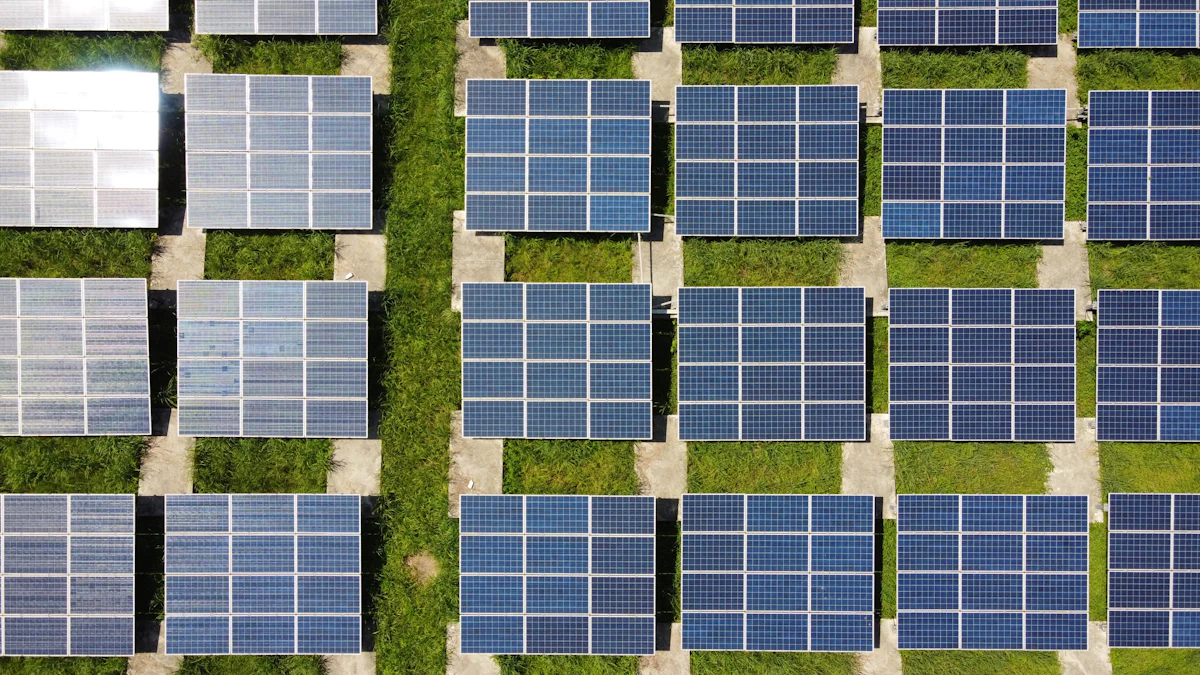
Solar Installations
Residential Solar Systems
When you install solar panels at home, choosing the right cable is crucial. Solar DC cables are designed to handle the direct current from solar panels efficiently. They offer durability and withstand outdoor conditions like UV exposure and temperature changes. This makes them ideal for residential solar systems. You ensure safety and efficiency by using solar DC cables in your home solar setup.
Commercial Solar Projects
In commercial solar projects, the scale and complexity increase. You need cables that can handle higher power levels and longer distances. Solar DC cables meet these demands with their high voltage ratings and robust construction. They resist environmental stressors, ensuring long-term reliability. By selecting solar DC cables for commercial installations, you optimize performance and reduce maintenance needs.
General Electrical Applications
Household Wiring
For household wiring, normal cables often suffice. You use them to connect appliances and power electronic devices indoors. Their flexibility and ease of installation make them suitable for controlled environments. When wiring your home, ensure the cables match the current and voltage requirements of your devices to maintain safety and efficiency.
Industrial Uses
In industrial settings, you encounter diverse electrical needs. Normal cables serve well in many applications, from powering machinery to lighting systems. You must choose cables that can handle the specific electrical loads and environmental conditions of your industrial projects. While normal cables work in many cases, assess whether solar DC cables might offer advantages in outdoor or high-stress environments.
In summary, solar DC cables and normal cables serve distinct purposes. Solar DC cables excel in handling direct current from solar panels, offering durability and resistance to environmental factors. Normal cables, however, are more suited for alternating current applications, often used indoors. When choosing the right cable, consider your specific needs. For solar installations, prioritize solar DC cables to ensure safety and efficiency. For general electrical tasks, normal cables may suffice. Always match the cable type to your application to optimize performance and longevity.
FAQ
What is the main difference between solar DC cables and normal cables?
Solar DC cables are designed for direct current (DC) from solar panels. They offer durability and resistance to outdoor conditions. Normal cables, on the other hand, are typically used for alternating current (AC) applications and may not withstand harsh environments as effectively.
Why should I choose solar DC cables for my solar installation?
You should choose solar DC cables because they handle the specific electrical characteristics of solar energy systems. They provide excellent UV resistance, temperature tolerance, and durability, ensuring the safety and efficiency of your solar installation.
Can I use normal cables for outdoor solar projects?
Normal cables can be used outdoors if they are protected from direct sunlight and extreme weather. However, they may not offer the same level of durability and resistance as solar DC cables. For optimal performance and safety, you should consider using solar DC cables for outdoor solar projects.
How do solar DC cables enhance fire safety?
Solar DC cables often feature flame retardant materials that resist ignition and slow the spread of fire. This enhances safety in solar installations, where high temperatures and electrical loads are common. Choosing cables with strong flame retardant properties minimizes fire risks.
Are solar DC cables more expensive than normal cables?
Solar DC cables can be more expensive due to their high-quality materials and specialized insulation. However, their durability and efficiency can lead to long-term savings by reducing the need for replacements and repairs.
What factors should I consider when selecting cables for my project?
You should consider the electrical properties, environmental conditions, and specific application needs. Assess the current-carrying capacity, voltage ratings, and durability of the cables. Ensure they match the requirements of your project for optimal performance and safety.
How do solar DC cables contribute to the efficiency of a solar system?
Solar DC cables provide excellent conductivity and energy transfer, ensuring your solar system operates at peak performance. This efficiency reduces energy losses and increases power output from your solar panels, maximizing the return on investment.
Can I use solar DC cables for indoor applications?
Yes, you can use solar DC cables indoors. However, they are specifically designed for outdoor solar installations. For indoor applications, normal cables may suffice, provided they meet the electrical and environmental requirements of your project.
What maintenance do solar DC cables require?
Solar DC cables generally require minimal maintenance due to their durable construction and resistance to environmental stressors. Regular inspections for wear and tear can help ensure their continued performance and reliability.
How do I determine the correct voltage rating for my cables?
You should check the manufacturer's specifications and ensure the cable's voltage rating matches your system's requirements. Using a cable with the correct voltage rating prevents electrical failures and ensures safe operation.