
 Send Email
 Whatsapp


Solar panel cable Photovoltaic DC Tinned Copper Solar system 1*10mm2 Cable
Solar panel cable Photovoltaic DC Tinned Copper Solar system 1*10mm2 Cable
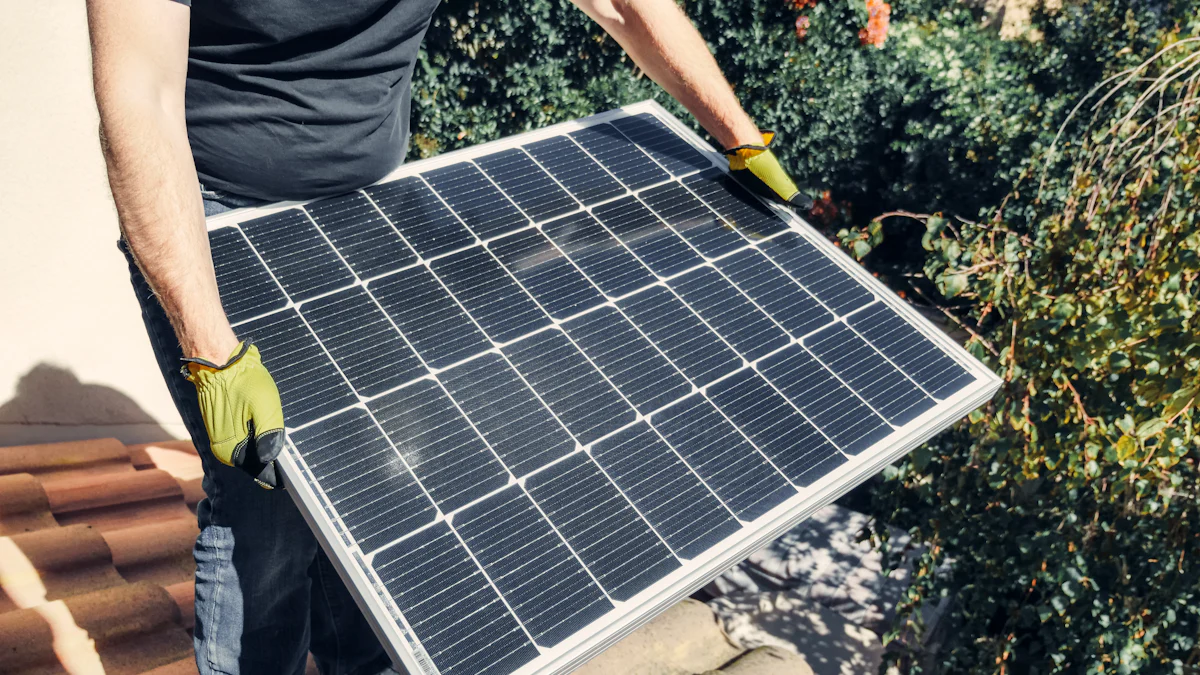
Solar panel cables play a vital role in ensuring the efficiency of your solar energy system. The Solar panel cable Photovoltaic DC Tinned Copper Solar system 110mm² Cable stands out due to its exceptional design and performance. Its tinned copper material enhances conductivity and resists corrosion, making it ideal for long-term use. The 110mm² size ensures optimal power transmission, while compliance with 62930 IEC 131 Single Core standards guarantees safety and reliability. This cable is essential for creating durable and efficient solar installations that can withstand harsh environmental conditions.
Key Takeaways
- Choose tinned copper cables for superior conductivity and corrosion resistance, ensuring long-term reliability in various environmental conditions.
- The 1*10mm² size is optimal for efficient power transmission, reducing energy loss and preventing overheating in solar energy systems.
- This cable is specifically designed for DC applications, making it ideal for photovoltaic systems that require safe and efficient energy transfer.
- Investing in high-quality Solar Cables like this one can lead to long-term cost savings by minimizing maintenance and replacement needs.
- Follow best practices for installation, such as inspecting cables and using the correct tools, to enhance the performance and longevity of your solar setup.
- Regular maintenance, including routine inspections and cleaning, is essential to keep your solar cables in excellent condition and ensure consistent performance.
- This cable meets international standards (62930 IEC 131), providing peace of mind regarding safety and reliability for both residential and commercial solar installations.
Key Specifications of the 62930 IEC 131 Single Core Cable
Material Composition and Benefits of Tinned Copper
The material of a solar cable directly impacts its performance and durability. This cable uses tinned copper as its conductor, which offers several advantages. Tinned copper resists corrosion effectively, even in humid or salty environments. This feature ensures that your solar system remains reliable over time. The tin coating also enhances the cable's conductivity, allowing electricity to flow with minimal resistance. You benefit from improved energy efficiency and reduced power loss. Additionally, tinned copper withstands high temperatures, making it suitable for outdoor solar installations exposed to extreme weather conditions.
Cable Size and Capacity (1*10mm²)
The 1*10mm² size of this cable is ideal for photovoltaic systems. This size ensures optimal power transmission, reducing the risk of overheating or energy loss. It supports high current flow, which is essential for connecting solar panels to inverters or combiner boxes. The cable's capacity aligns with the requirements of modern solar systems, enabling you to achieve maximum efficiency. Its design complies with the 62930 IEC 131 Single Core standards, ensuring safety and reliability during operation. By choosing the right cable size, you enhance the overall performance of your solar energy system.
DC Compatibility and Photovoltaic Applications
This cable is specifically designed for DC (direct current) applications, making it perfect for photovoltaic systems. It handles the unique demands of solar energy, such as high voltage and constant exposure to sunlight. The 62930 IEC 131 Single Core certification guarantees that the cable meets international standards for photovoltaic use. You can rely on this cable for safe and efficient energy transfer in residential, commercial, or industrial solar installations. Its compatibility with DC systems ensures seamless integration into your solar setup, providing consistent and reliable performance.
Benefits of the Solar panel cable Photovoltaic DC Tinned Copper Solar system 1*10mm2 Cable
Durability and Weather Resistance
You need a cable that can endure harsh conditions without compromising performance. This solar cable excels in durability, making it a reliable choice for outdoor installations. Its tinned copper construction resists corrosion, even in environments with high humidity or salt exposure. The insulation material, typically XLPE, provides excellent thermal resistance. It withstands extreme temperatures ranging from -40°C to +90°C, ensuring consistent performance in any climate. The cable also resists UV radiation and mechanical stress, which protects it from wear and tear over time. These features make it a long-lasting solution for your solar energy system.
Enhanced Conductivity and Efficiency
The 62930 IEC 131 Single Core certification guarantees that the cable meets international standards for photovoltaic applications.
Long-Term Cost Savings
Choosing this cable helps you achieve long-term savings while maintaining a high-performing Solar panel cable Photovoltaic DC Tinned Copper Solar system 1*10mm2 Cable.
Applications in Solar Energy Systems
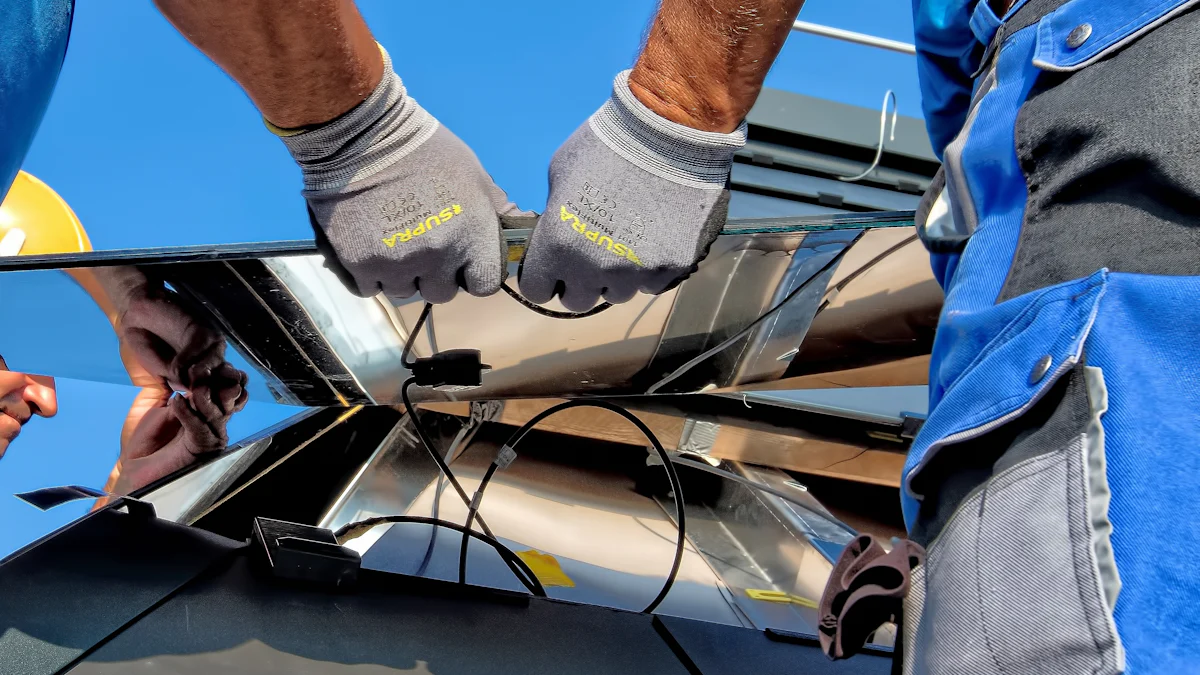
Residential Solar Installations
You can rely on this cable for efficient and safe residential solar installations. It ensures optimal power transmission between your solar panels and inverters, maximizing the energy output of your system. The 1*10mm² size supports high current flow, which is essential for meeting the energy demands of a household. Its tinned copper construction resists corrosion, even in humid environments, ensuring long-term reliability. The cable's insulation material withstands extreme temperatures, making it suitable for rooftop installations exposed to direct sunlight and varying weather conditions. By using this cable, you enhance the performance and durability of your home solar setup.
Commercial and Industrial Solar Installations
You can trust this cable to maintain efficiency and reduce energy loss, even in demanding applications. By choosing this cable, you ensure the success and longevity of your commercial or industrial solar energy system.
Installation and Maintenance Guidelines
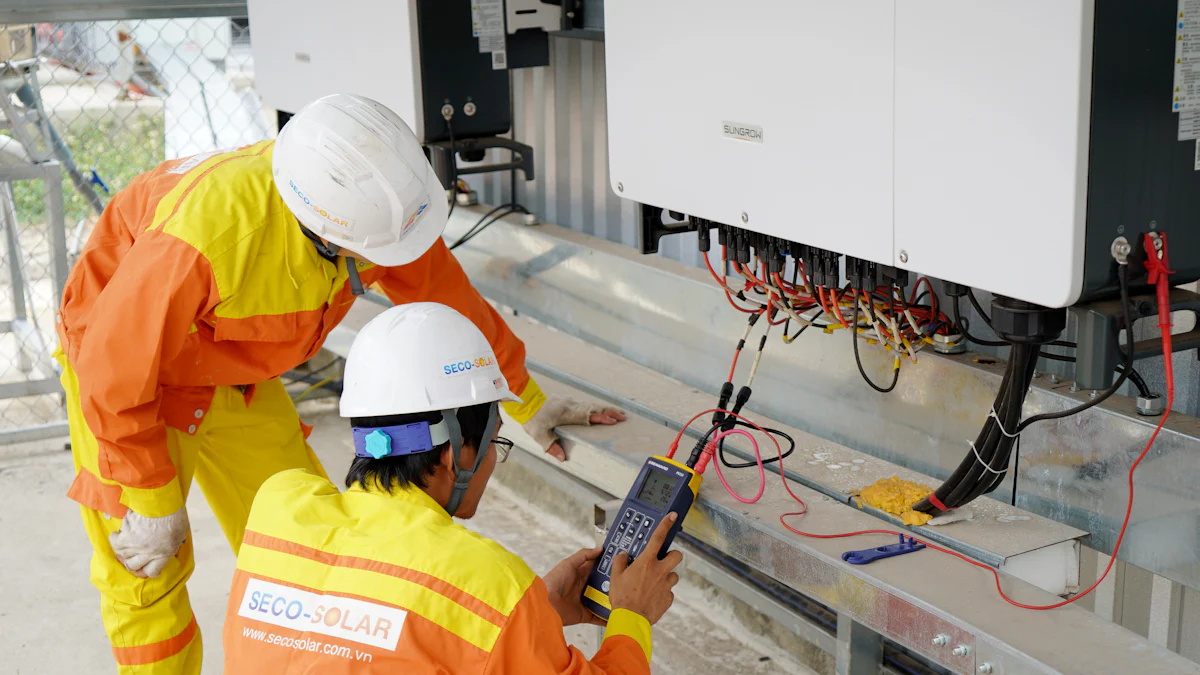
Best Practices for Installation
Proper installation ensures the efficiency and longevity of your solar cable. Follow these best practices to achieve optimal results:
-
Inspect the Cable Before Installation
Check the cable for any visible damage or defects. Ensure the insulation is intact and the conductor is free from corrosion. Using a damaged cable can compromise the performance of your solar system. -
Use the Correct Tools
Always use tools designed for cutting, stripping, and crimping solar cables. Incorrect tools can damage the cable, leading to poor connections and energy loss. -
Plan the Cable Layout
Map out the cable route before installation. Avoid sharp bends or twists, as these can weaken the cable over time. Maintain a safe distance from heat sources or sharp objects that could damage the insulation. -
Secure the Cable Properly
Use cable ties or clamps to secure the cable in place. This prevents unnecessary movement, which can cause wear and tear. Ensure the cable is not under tension or stretched during installation. -
Follow Manufacturer Guidelines
Adhere to the specifications and recommendations provided by the manufacturer. This includes voltage ratings, current capacity, and environmental conditions suitable for the cable. -
Ensure Proper Connections
Connect the cable securely to the solar panels, inverters, or combiner boxes. Loose connections can lead to energy loss or overheating, which may damage the system.
By following these steps, you can ensure a safe and efficient installation process.
Maintenance Tips for Longevity
Regular maintenance keeps your solar cable in excellent condition and extends its lifespan. Implement these tips to maintain your cable effectively:
-
Conduct Routine Inspections
Check the cable periodically for signs of wear, such as cracks, discoloration, or exposed conductors. Early detection of issues prevents further damage. -
Clean the Cable Surface
Remove dirt, dust, or debris from the cable using a soft cloth. A clean surface reduces the risk of insulation degradation caused by environmental factors. -
Monitor for Corrosion
Inspect the connectors and terminals for corrosion. Clean any affected areas with a suitable cleaning agent and ensure the connections remain secure. -
Protect Against UV Exposure
If the cable is exposed to direct sunlight, consider using UV-resistant covers or conduits. This protects the insulation from prolonged UV damage. -
Avoid Physical Stress
Ensure the cable is not subjected to excessive pulling, bending, or mechanical stress. Secure it properly to prevent unnecessary strain. -
Check Electrical Performance
Measure the voltage and current flow periodically to ensure the cable operates within its specified limits. Any irregularities may indicate a problem that needs immediate attention. -
Replace Damaged Sections Promptly
If you notice any damage, replace the affected section immediately. Delaying repairs can lead to system inefficiencies or safety hazards.
By maintaining your solar cable regularly, you ensure consistent performance and avoid costly repairs or replacements. These practices help you maximize the value of your solar energy system.
Comparison with Other Solar Cables
Advantages Over Standard Copper Cables
When comparing this tinned copper solar cable to standard copper cables, you will notice several key advantages. Tinned copper offers superior resistance to corrosion. Standard copper cables often degrade faster in humid or salty environments, which can lead to performance issues. The tin coating on this cable protects the conductor, ensuring long-term reliability even in challenging outdoor conditions.
Tinned copper also enhances conductivity. The tin layer reduces electrical resistance, allowing more efficient energy transfer. Standard copper cables may experience higher energy losses, which can lower the overall efficiency of your solar system. By choosing tinned copper, you maximize the power output of your solar panels.
Durability is another significant benefit. Standard copper cables are more prone to wear and tear when exposed to UV radiation or extreme temperatures. This tinned copper cable withstands harsh environmental factors, maintaining its performance over time. You gain peace of mind knowing your solar installation will remain reliable for years.
Advantages Over Aluminum Cables
Aluminum cables may seem like a cost-effective option, but they fall short in several critical areas. Tinned copper cables outperform aluminum in conductivity. Aluminum has higher electrical resistance, which leads to greater energy loss during transmission. This tinned copper cable ensures efficient power transfer, helping you get the most out of your solar system.
The strength and flexibility of tinned copper also surpass aluminum. Aluminum cables are more brittle and prone to breaking under mechanical stress. This tinned copper cable offers better flexibility, making installation easier and reducing the risk of damage during setup.
Corrosion resistance is another area where tinned copper excels. Aluminum corrodes more quickly, especially in moist or salty environments. Corrosion weakens the cable and compromises its performance. The tin coating on this cable protects it from corrosion, ensuring consistent and reliable operation.
Finally, tinned copper cables provide better long-term value. While aluminum cables may have a lower upfront cost, their shorter lifespan and higher maintenance requirements make them less economical over time. By investing in this tinned copper cable, you save money on replacements and repairs while enjoying superior performance.
The Solar panel cable Photovoltaic DC Tinned Copper Solar system 110mm² Cable offers unmatched performance and reliability for your solar energy needs. Its tinned copper construction ensures superior conductivity and corrosion resistance, while the 110mm² size supports efficient power transmission. This cable excels in durability, meeting international standards like 62930 IEC 131 Single Core.
You can trust this cable to enhance the efficiency and longevity of your solar installations. By choosing this high-quality solution, you invest in a sustainable and cost-effective energy future. Make the smart choice for your solar system today.
FAQ
What is the purpose of the 1*10mm² size in solar cables?
The 1*10mm² size ensures efficient power transmission in solar energy systems. It supports high current flow, reducing energy loss and preventing overheating. This size is ideal for connecting solar panels to inverters or combiner boxes, ensuring optimal performance.
Why is tinned copper used instead of standard copper?
Tinned copper offers superior resistance to corrosion, especially in humid or salty environments. The tin coating enhances conductivity, allowing electricity to flow with minimal resistance. This material also withstands extreme temperatures, making it more durable for outdoor solar installations.
Can this cable handle harsh weather conditions?
Yes, this cable is designed to endure extreme weather. Its insulation material, typically XLPE, resists UV radiation, high temperatures, and freezing conditions. It operates reliably in temperatures ranging from -40°C to +90°C, ensuring consistent performance in any climate.
Is this cable suitable for residential solar systems?
Absolutely. This cable works perfectly for residential solar installations. It ensures safe and efficient energy transfer between solar panels and inverters. Its durability and weather resistance make it ideal for rooftop setups exposed to varying environmental conditions.
How does this cable compare to aluminum cables?
This cable outperforms aluminum cables in several ways. It offers better conductivity, reducing energy loss during transmission. Tinned copper is more flexible and durable, making installation easier and ensuring long-term reliability. It also resists corrosion better than aluminum, especially in moist environments.
What certifications does this cable meet?
This cable complies with the 62930 IEC 131 standards. These international standards ensure safety, reliability, and quality for photovoltaic applications.
How do I maintain this cable for long-term use?
Regular maintenance ensures the cable's longevity. Inspect it periodically for wear or damage. Clean the surface to remove dirt and debris. Protect it from UV exposure using covers or conduits. Replace damaged sections promptly to maintain efficiency and safety.
Can this cable be used in commercial solar projects?
Yes, this cable is suitable for commercial and industrial solar installations. It handles high voltage and current requirements, ensuring consistent energy transfer. Its robust design resists mechanical stress and environmental factors, making it reliable for large-scale systems.
What tools should I use for installation?
Use tools specifically designed for solar cables, such as cutters, strippers, and crimpers.
Why is DC compatibility important for solar cables?
Solar panels generate direct current (DC), which requires cables designed for DC applications. This cable handles high voltage and constant sunlight exposure, ensuring safe and efficient energy transfer. Its DC compatibility makes it an essential component of photovoltaic systems.