

 Send Email
 Whatsapp


Solar photovoltaic aluminum alloy cable
Solar photovoltaic aluminum alloy cable
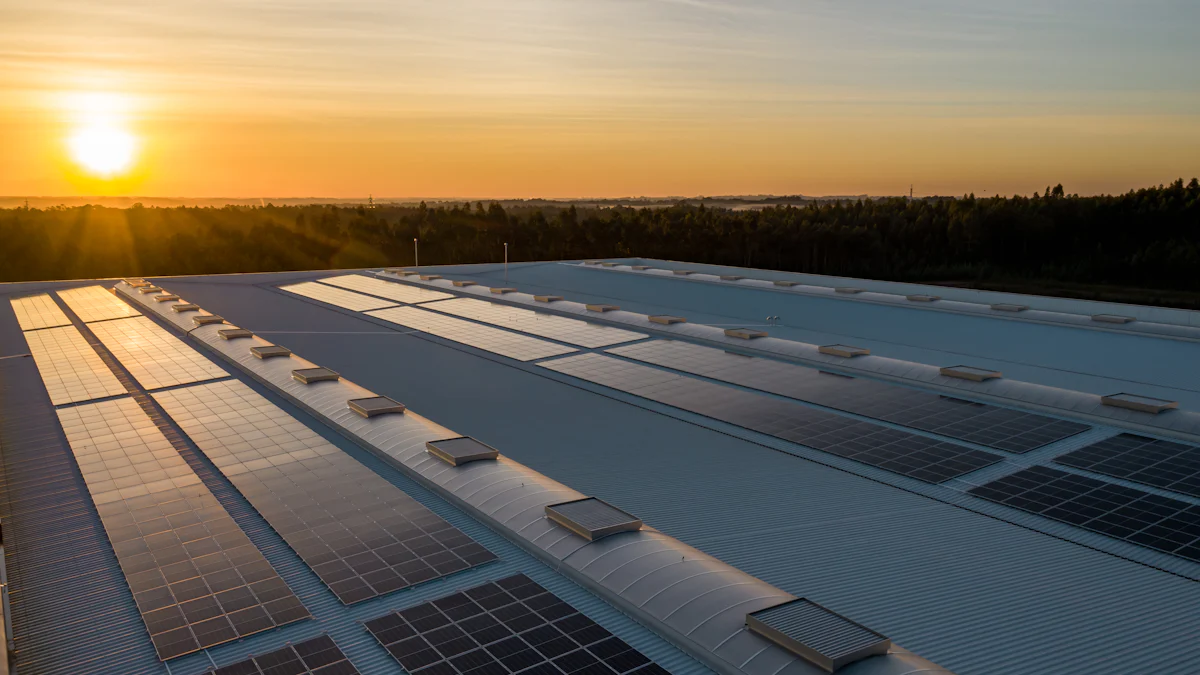
Choosing the right cable material for your solar photovoltaic system plays a crucial role in its efficiency and reliability. While copper cables have been the traditional choice, solar photovoltaic aluminum alloy cable offers a modern, cost-effective alternative. It delivers excellent performance without breaking the bank. You’ll find it lighter, easier to install, and just as dependable for long-term use. This innovative solution ensures you get the most out of your solar investment while keeping costs under control.
Key Takeaways
- Solar photovoltaic aluminum alloy cables are a cost-effective alternative to copper cables, allowing for significant savings in large-scale solar installations.
- These cables offer excellent performance, with advanced materials that minimize energy loss, making them suitable for most solar applications.
- The lightweight nature of aluminum alloy cables simplifies installation, reducing labor time and transportation costs.
- Durability is a key advantage; aluminum alloy cables resist corrosion, UV radiation, and extreme temperatures, ensuring long-term reliability.
- Aluminum alloy cables meet strict safety standards, featuring insulation that minimizes fire risks and ensures safe operation in various conditions.
- These cables are compatible with all solar systems, making them a versatile choice for both residential and commercial projects.
- By choosing aluminum alloy cables, you enhance your solar system's efficiency while investing in a solution built to withstand harsh environmental conditions.
Key Differences Between Solar Photovoltaic Aluminum Alloy Cables and Copper Cables
Cost and Affordability
On the other hand, solar photovoltaic aluminum alloy cables offer a more budget-friendly option.
Conductivity and Performance
You might wonder how aluminum alloy cables compare to copper in terms of conductivity. While copper has slightly better conductivity, aluminum alloy cables are engineered to deliver excellent performance for solar photovoltaic systems. They are designed to handle the electrical demands of solar power generation efficiently. Modern aluminum alloy cables also feature advanced materials that minimize energy loss, ensuring your system operates at optimal levels. For most solar applications, the performance difference is negligible, making aluminum alloy cables a practical and effective alternative.
Weight and Installation Benefits
One of the standout advantages of aluminum alloy cables is their lightweight nature. Copper cables are heavy, which can make installation more challenging and time-consuming. In contrast, aluminum alloy cables are much lighter, making them easier for you to handle and install. This reduced weight not only simplifies the installation process but also lowers transportation costs. If you’re working on a rooftop solar project or a large-scale ground-mounted system, the lighter weight of aluminum alloy cables can save you time and effort during setup. It’s a practical benefit that enhances the overall efficiency of your solar installation.
Durability and Environmental Resistance
When it comes to durability, solar photovoltaic aluminum alloy cables stand out as a reliable choice. These cables are built to endure tough conditions, ensuring your solar system performs consistently over time. You don’t have to worry about wear and tear because aluminum alloy cables are designed with strength in mind. They resist physical damage better than many other materials, making them a dependable option for long-term use.
Environmental resistance is another area where these cables excel. Outdoor solar installations expose cables to harsh weather, including rain, snow, and intense sunlight. Aluminum alloy cables handle these challenges with ease. They resist corrosion effectively, even in humid or coastal environments where salt and moisture can cause significant damage to other materials. This corrosion resistance ensures your cables maintain their integrity and performance, no matter the climate.
Temperature fluctuations can also impact cable performance. Aluminum alloy cables are engineered to withstand extreme heat and cold without losing their efficiency. Whether your solar system operates in scorching deserts or freezing winters, these cables adapt to the environment and keep your system running smoothly.
Another advantage is their resistance to UV radiation. Prolonged exposure to sunlight can degrade some materials, but aluminum alloy cables are built to last under constant UV exposure. This makes them an excellent choice for rooftop solar systems or open-field installations where sunlight is unavoidable.
By choosing aluminum alloy cables, you’re investing in a solution that’s tough, weather-resistant, and built to last. You’ll enjoy peace of mind knowing your solar system is equipped with cables that can handle the elements and deliver consistent performance year after year.
Advantages of Solar Photovoltaic Aluminum Alloy Cables
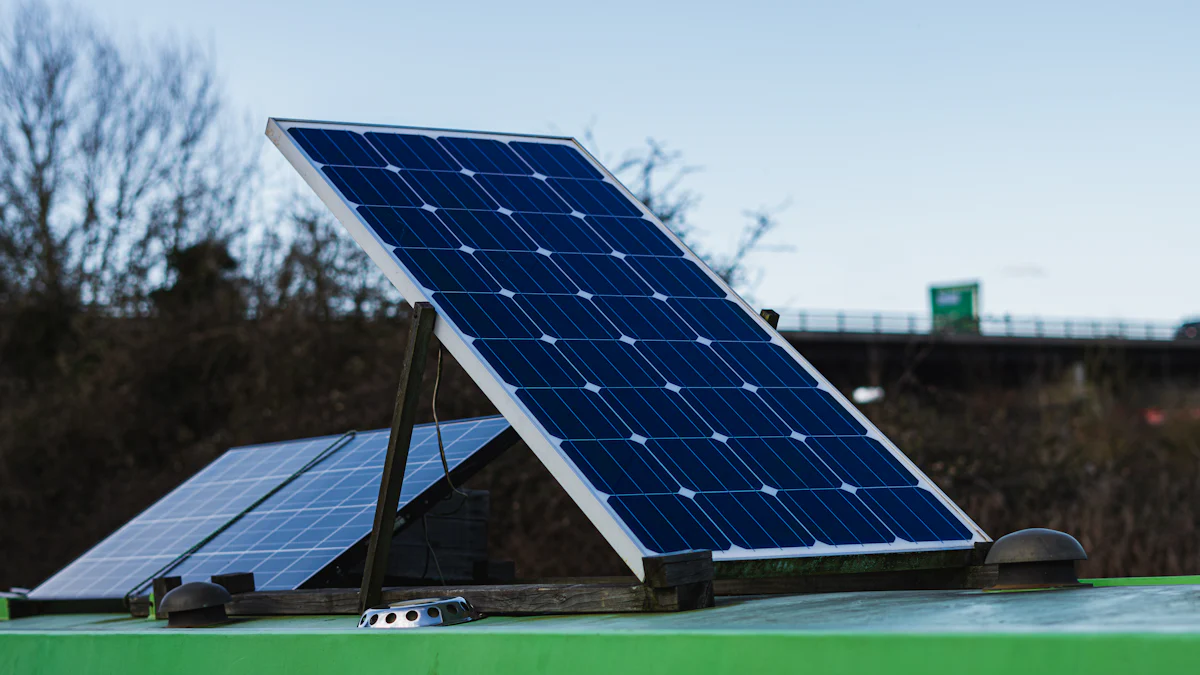
Cost-Effectiveness in Solar Applications
These cables cost significantly less than solar photovoltaic aluminum alloy cable alternatives, making them a smart choice for budget-conscious projects.
Creep and Corrosion Resistance
Durability matters when it comes to solar installations. Solar photovoltaic aluminum alloy cable offers exceptional resistance to creep, which is the gradual deformation of materials under stress. This feature ensures the cables maintain their shape and performance over time, even in demanding conditions. You won’t have to worry about frequent maintenance or replacements.
They resist rust and corrosion effectively, even in coastal areas where salt can wreak havoc on other materials. This durability ensures your cables stay reliable and functional for years, giving you peace of mind knowing your solar photovoltaic aluminum alloy cable's performance is not compromised.
Mechanical Strength and Flexibility
You need cables that can handle the physical demands of installation and operation. Solar photovoltaic aluminum alloy cable combines strength with flexibility, making it an ideal choice for solar applications. These cables are tough enough to endure physical stress, such as bending or pulling, without breaking or losing efficiency. Their flexibility simplifies the installation process, especially in complex setups where cables need to navigate tight spaces or sharp angles.
This balance of strength and flexibility also makes aluminum alloy cables suitable for various environments. Whether your solar system is installed on a rooftop, in an open field, or across uneven terrain, these cables adapt to the conditions. You’ll find them easy to work with, saving you time and effort during installation while ensuring long-term reliability.
Suitability for Harsh Environments
When your solar system operates in tough conditions, you need cables that can handle the challenge. Solar photovoltaic aluminum alloy cables are built to thrive in harsh environments, ensuring your system stays reliable no matter where it’s installed.
Extreme weather can put any solar installation to the test. Aluminum alloy cables perform exceptionally well in both scorching heat and freezing cold. They maintain their efficiency even when temperatures swing from one extreme to another. This makes them a dependable choice for desert solar farms or installations in snowy regions.
Moisture and humidity can cause serious damage to many materials, but not aluminum alloy cables. These cables resist corrosion effectively, even in coastal areas where salty air can accelerate wear and tear. You won’t have to worry about rust or degradation affecting their performance over time.
Outdoor solar systems also face constant exposure to UV radiation. Prolonged sunlight can weaken some materials, but aluminum alloy cables are designed to withstand it. They hold up under intense sunlight, making them ideal for rooftop systems or open-field installations.
Physical durability is another key advantage. Aluminum alloy cables resist abrasion and mechanical stress, so they can handle rough handling during installation or operation. Whether your system is in a windy area or exposed to heavy rain, these cables stay strong and functional.
By choosing aluminum alloy cables, you’re equipping your solar system with a solution that’s tough, weather-resistant, and built to last. You’ll have peace of mind knowing your cables can endure the elements and keep your system running smoothly for years to come.
Addressing Misconceptions About Solar Photovoltaic Aluminum Alloy Cables
Safety and Fire Resistance
You might have concerns about the safety of aluminum alloy cables, especially when compared to copper. Rest assured, solar photovoltaic aluminum alloy cable meets strict safety standards. These cables are designed with advanced materials that resist overheating and minimize fire risks. Manufacturers test them rigorously to ensure they perform safely under various conditions.
Fire resistance is another area where these cables excel. They feature insulation and protective layers that can withstand high temperatures without igniting. This makes them a reliable choice for solar systems, even in areas prone to extreme heat. By choosing aluminum alloy cables, you’re prioritizing safety without sacrificing performance.
Reliability and Longevity
Some people believe aluminum alloy cables don’t last as long as copper ones. That’s not true. Solar photovoltaic aluminum alloy cable is built to deliver consistent performance over time. These cables resist wear and tear, even in demanding environments. Their durability ensures your solar system operates smoothly for years.
Aluminum alloy cables also handle environmental challenges effectively. They resist corrosion, UV radiation, and temperature fluctuations. This means you won’t have to worry about frequent replacements or maintenance. When you invest in aluminum alloy cables, you’re choosing a solution that stands the test of time.
Compatibility with Solar Systems
You might wonder if aluminum alloy cables work well with modern solar systems. The answer is yes. These cables are specifically designed for photovoltaic applications. They handle the electrical demands of solar power generation efficiently. Whether you’re working on a residential rooftop system or a large-scale solar farm, aluminum alloy cables integrate seamlessly.
Their lightweight nature makes them easy to install, even in complex setups. They’re also available in various sizes and specifications, ensuring you find the right fit for your project. By using aluminum alloy cables, you’re equipping your solar system with a reliable and compatible solution.
Applications of Solar Photovoltaic Aluminum Alloy Cables
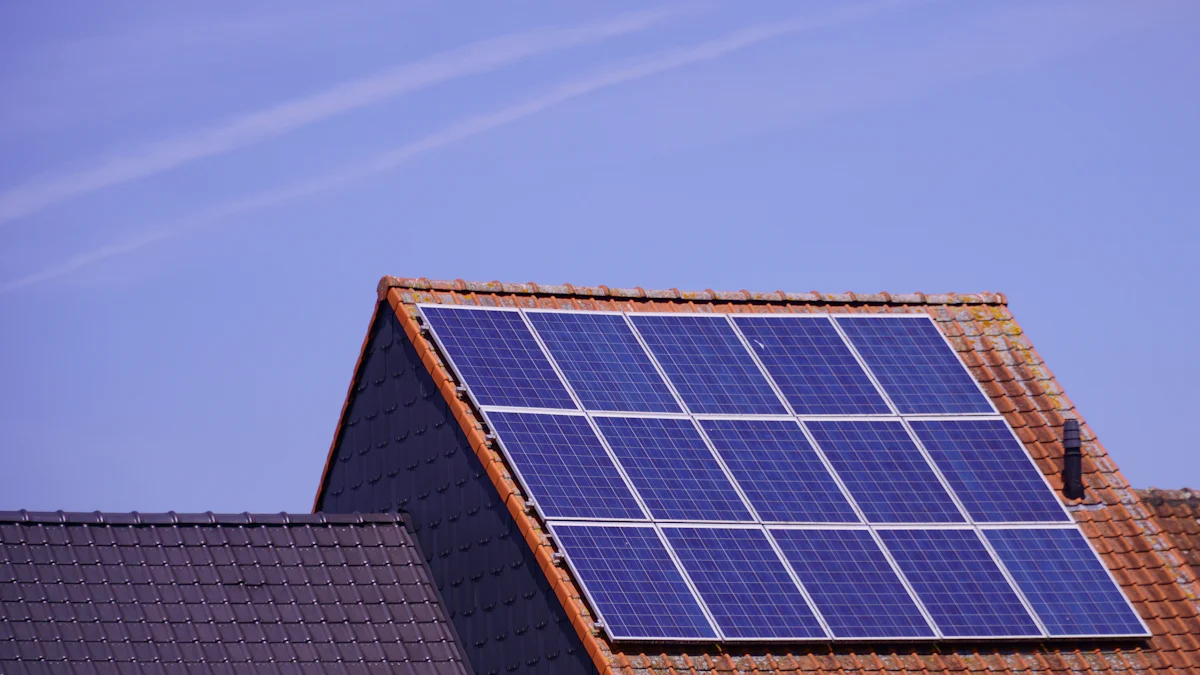
Use in AC Connections
By using aluminum alloy cables for AC connections, you optimize your system’s efficiency while keeping costs under control. If you’re planning a solar installation, consider applications of aluminum alloy cables as a practical and dependable option that delivers long-term value.
Solar photovoltaic aluminum alloy cable offers you a smart, reliable, and cost-effective solution for your solar projects. It combines affordability, durability, and excellent performance, making it a standout choice for both residential and large-scale installations. You can trust its reliability in various environments, from harsh weather to demanding conditions. By choosing this modern alternative, you optimize your system’s efficiency while saving money. If you’re planning a solar installation, consider aluminum alloy cables as a practical and dependable option that delivers long-term value.
FAQ
What makes aluminum alloy cables a good choice for solar systems?
Aluminum alloy cables offer you a cost-effective and reliable solution for solar installations.
Are aluminum alloy cables as safe as copper cables?
Yes, aluminum alloy cables meet strict safety standards. They are designed with advanced insulation and protective layers to resist overheating and minimize fire risks. Manufacturers rigorously test these cables to ensure they perform safely in various conditions.
Do aluminum alloy cables last as long as copper cables?
Absolutely. Aluminum alloy cables are built to deliver long-term performance. They resist wear and tear, corrosion, and environmental challenges like UV radiation and temperature fluctuations. You can count on them to remain reliable for years.
Can aluminum alloy cables handle extreme weather conditions?
Yes, these cables are engineered to withstand harsh environments. They perform well in extreme heat, freezing cold, and areas with high humidity or salty air. Their resistance to UV radiation and physical stress ensures consistent performance in tough conditions.
Are aluminum alloy cables compatible with all solar systems?
Aluminum alloy cables are specifically designed for photovoltaic applications. They handle the electrical demands of solar systems efficiently.
How do aluminum alloy cables compare to copper in terms of conductivity?
Copper has slightly better conductivity, but aluminum alloy cables are engineered to meet the electrical needs of solar systems effectively. Modern designs minimize energy loss, ensuring your system operates at optimal levels.
Are aluminum alloy cables easy to install?
Yes, their lightweight nature makes installation much easier compared to copper cables. You’ll find them simpler to handle, especially in projects with long cable runs or complex setups. This saves you time and effort during installation.
Can aluminum alloy cables resist corrosion?
Aluminum alloy cables excel in resisting corrosion. They are designed to endure exposure to moisture, humidity, and salty air. This makes them a dependable choice for coastal areas and other challenging environments.
Are aluminum alloy cables suitable for both AC and DC connections?
Yes, aluminum alloy cables work well for both AC and DC connections in solar systems. They ensure efficient power transmission and are available in various sizes to suit your specific needs.
Why should I choose aluminum alloy cables over copper cables?
Aluminum alloy cables provide you with a cost-effective, durable, and lightweight alternative to copper. They perform reliably in various environments, resist corrosion, and simplify installation. By choosing aluminum alloy cables, you optimize your solar system’s efficiency while saving money.