

 Send Email
 Whatsapp


Solar PV Connector types
Solar PV Connector types
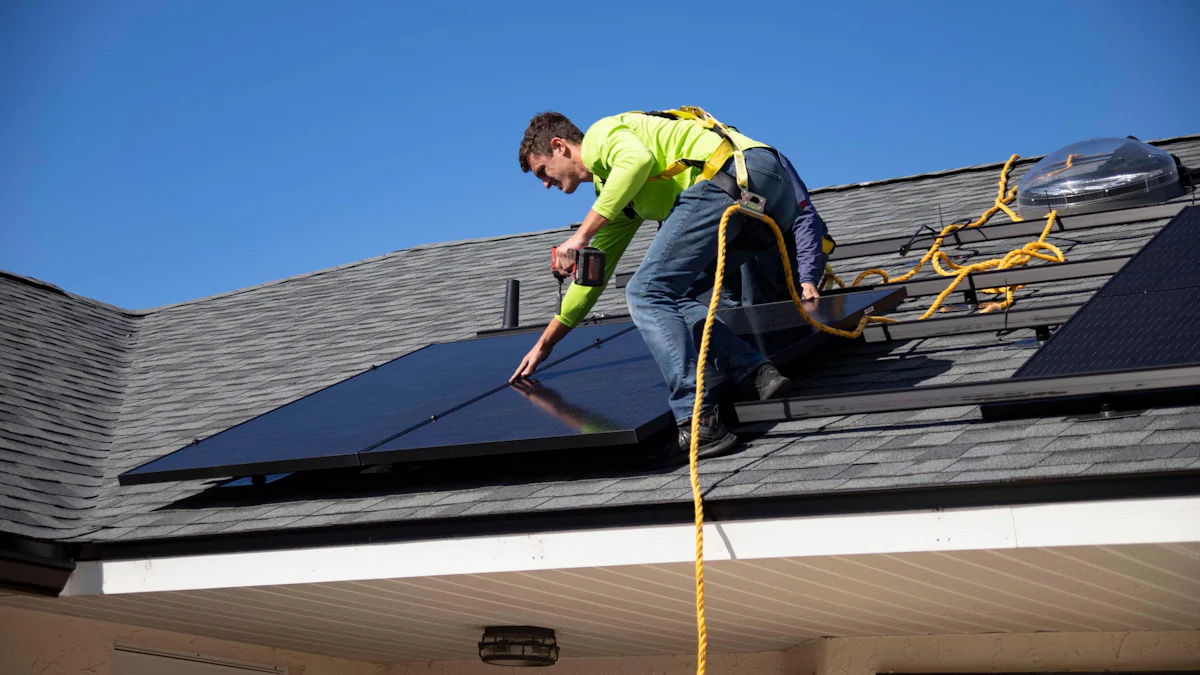
Solar PV Connectors play a vital role in connecting the components of your photovoltaic system. They ensure that electricity flows efficiently between solar panels and other parts of the system. Without reliable connectors, your solar installation could face energy losses or even safety risks. Choosing the right connector isn’t just about compatibility; it’s about maximizing performance and protecting your investment. The right choice can make your system more durable and efficient, giving you peace of mind for years to come.
Key Takeaways
- Solar PV connectors are essential for ensuring efficient and safe electricity flow in photovoltaic systems, preventing energy losses and safety risks.
- Choosing the right connector type, such as MC4, SMK, or Sunclix, is crucial for maximizing your solar system's performance and longevity.
- Look for connectors with waterproof and dustproof features to protect your system from harsh environmental conditions and extend its lifespan.
- Prioritize compatibility with your solar system's voltage and current requirements to avoid overheating and inefficiencies.
- Investing in high-quality connectors may have a higher upfront cost but can lead to significant long-term savings through reduced maintenance and replacement needs.
- Regularly inspect and maintain your connectors to ensure they remain functional and safe, preventing potential energy loss or hazards.
- Always consult product specifications to ensure the connectors you choose are suitable for your specific solar setup and environmental conditions.
What are Solar PV connectors, and why are they important?
Solar PV connectors might seem like small components, but they play a big role in your photovoltaic system. They ensure that the electricity generated by your solar panels flows smoothly to other parts of the system. Without them, your solar setup wouldn’t function efficiently or safely. Let’s dive deeper into their role and why they matter so much.
The role of Solar PV connectors in photovoltaic systems
Solar PV connectors act as the bridge between your solar panels and the rest of your system. They connect the panels to inverters, batteries, and other components. This connection allows the energy captured by your panels to be converted into usable electricity. Without these connectors, your system wouldn’t be able to transfer power effectively.
These connectors also help maintain the integrity of your system. They ensure that the electrical current flows without interruptions or losses. By doing so, they maximize the performance of your solar panels. A reliable connector keeps your system running smoothly, even in challenging conditions.
Key functions of Solar PV connectors
Ensuring secure electrical connections
A secure connection is essential for any electrical system, and your solar setup is no exception. Solar PV connectors lock tightly to prevent loose connections. Loose connections can lead to energy loss or even dangerous electrical sparks. With the right connector, you can trust that your system will operate safely and efficiently.
Protecting against environmental factors
Your solar panels face harsh outdoor conditions every day. Rain, dust, and extreme temperatures can damage electrical components. Solar PV connectors are designed to withstand these challenges. Many connectors come with waterproof and dustproof features, ensuring durability. This protection keeps your system safe and extends its lifespan.
Why choosing the right connector matters
Not all connectors are created equal. Choosing the right Solar PV connector can make a huge difference in your system’s performance. A compatible connector ensures that your panels work seamlessly with other components. It also reduces the risk of energy loss or system failure.
The right connector isn’t just about functionality—it’s about reliability. A high-quality connector lasts longer and requires less maintenance. Investing in the right one saves you time, money, and headaches in the long run. When you choose wisely, you’re setting your solar system up for success.
Types of Solar PV connectors
When it comes to Solar PV connectors, understanding the different types can help you make the best choice for your system. Each type offers unique features and serves specific purposes. Let’s explore some of the most common options available.
MC4 connectors
MC4 connectors are the most widely used connectors in solar installations. They’ve become the industry standard due to their reliability and ease of use. If you’ve ever worked with solar panels, chances are you’ve encountered these connectors.
Features of MC4 connectors
MC4 connectors are designed for durability and efficiency. They feature a simple snap-in mechanism that ensures a secure connection. This design minimizes the risk of loose connections, which could lead to energy loss or safety hazards. These connectors are also waterproof and dustproof, with an IP67 or higher rating. This makes them ideal for outdoor use, even in harsh weather conditions. Additionally, they can handle high voltages, often up to 1000V DC, making them suitable for large-scale solar systems.
Common applications of MC4 connectors
You’ll find MC4 connectors in residential, commercial, and industrial solar installations. They’re commonly used to connect solar panels to inverters and other components. Their compatibility with most solar systems makes them a go-to choice for many installers. Whether you’re setting up a small home system or a large solar farm, MC4 connectors can meet your needs.
SMK connectors
SMK connectors are another popular option in the world of solar energy. They’re known for their robust design and reliable performance. If you’re looking for a connector that combines strength with efficiency, SMK connectors might be worth considering.
Features of SMK connectors
SMK connectors are built to last. They offer excellent resistance to environmental factors like rain, dust, and UV radiation. Their locking mechanism ensures a tight and secure connection, reducing the risk of disconnections. These connectors are also designed to handle high currents and voltages, making them suitable for demanding applications. Their compact size allows for easy installation, even in tight spaces.
Common applications of SMK connectors
SMK connectors are often used in commercial and industrial solar systems. They’re particularly useful in setups where durability and high performance are essential. You might see them in large-scale solar farms or complex photovoltaic systems. Their reliability makes them a trusted choice for professionals in the solar industry.
Sunclix connectors
Sunclix connectors are designed with simplicity and efficiency in mind. They’re a newer option in the market but have quickly gained popularity for their innovative features. If you value ease of installation, these connectors could be a great fit.
Features of Sunclix connectors
Sunclix connectors stand out for their tool-free installation. You can connect and disconnect them without needing any special tools, saving you time and effort. They also offer excellent resistance to environmental factors, ensuring long-term durability. With a compact and lightweight design, they’re easy to handle and install. Despite their simplicity, they can handle high voltages and currents, making them a reliable choice for various applications.
Common applications of Sunclix connectors
Sunclix connectors are ideal for residential and small-scale commercial solar systems. Their ease of use makes them a favorite among DIY enthusiasts and professionals alike. You’ll often find them in systems where quick and hassle-free installation is a priority. They’re also a good option for temporary setups or projects that require frequent adjustments.
MC3 connectors
MC3 connectors were among the first Solar PV Connector types used in photovoltaic systems. Although they’ve been largely replaced by newer designs like MC4, they still hold value in specific applications. If you’re working with older solar setups, you might encounter these connectors.
Features of MC3 connectors
MC3 connectors are compact and lightweight, making them easy to handle during installation. They use a simple push-fit mechanism, which allows for quick connections. However, they lack the locking system found in newer connectors, which can make them less secure in certain conditions. These connectors are not as weather-resistant as modern options, so they may require additional protection in outdoor environments. Despite these limitations, they can handle moderate voltages and currents, making them suitable for smaller systems.
Common applications of MC3 connectors
You’ll often find MC3 connectors in older residential solar systems or small-scale setups. They’re also used in temporary installations where ease of connection is a priority. If you’re upgrading an older system, you might need MC3 connectors to ensure compatibility with existing components.
Helios H4 connectors
Helios H4 connectors are a step up from older designs like MC3. They offer improved durability and performance, making them a reliable choice for modern solar installations. If you’re looking for a connector that balances efficiency with robustness, Helios H4 might be the right fit.
Features of Helios H4 connectors
Helios H4 connectors are designed to withstand harsh environmental conditions. They feature a secure locking mechanism that prevents accidental disconnections. These connectors are waterproof and UV-resistant, ensuring long-term durability in outdoor settings. They can handle high voltages and currents, making them suitable for demanding applications. Their design also ensures minimal energy loss, which helps maintain the efficiency of your solar system.
Common applications of Helios H4 connectors
You’ll see Helios H4 connectors in both residential and commercial solar systems. They’re particularly popular in setups that require high reliability and performance. Whether you’re installing a rooftop system or a ground-mounted array, these connectors can meet your needs. Their compatibility with various components makes them a versatile option for many projects.
SolarLok connectors
SolarLok connectors are known for their innovative design and high performance. They’re a great choice if you want a connector that combines ease of use with advanced features. These connectors are designed to simplify installation while ensuring reliable operation.
Features of SolarLok connectors
SolarLok connectors stand out for their robust construction and user-friendly design. They feature a unique locking system that ensures a secure and stable connection. These connectors are highly resistant to water, dust, and UV radiation, making them ideal for outdoor use. They can handle high power levels, which makes them suitable for large-scale solar installations. Additionally, their design minimizes energy loss, helping you get the most out of your solar panels.
Common applications of SolarLok connectors
SolarLok connectors are commonly used in commercial and industrial solar systems. They’re also a popular choice for large solar farms where reliability and efficiency are critical. If you’re working on a project that demands high performance and durability, SolarLok connectors are worth considering.
Advantages of Solar PV connectors
Efficiency and performance
Solar PV connectors play a crucial role in ensuring your solar system operates at its best. They create secure electrical connections, which help minimize energy loss. When electricity flows smoothly between components, your system can generate and deliver power more efficiently. High-quality connectors also reduce the risk of interruptions, keeping your energy output consistent. By using reliable connectors, you maximize the performance of your solar panels and get the most out of your investment.
Durability and weather resistance
Your solar system faces tough outdoor conditions every day. Rain, dust, and extreme temperatures can take a toll on its components. Solar PV connectors are designed to handle these challenges. Many connectors come with waterproof and dustproof features, ensuring they stay functional even in harsh environments. Some are rated for high levels of protection, like IP67 or IP68, which means they can withstand heavy rain or dirt without failing. Durable connectors protect your system from wear and tear, helping it last longer and perform better over time.
Ease of installation and maintenance
Installing and maintaining your solar system shouldn’t feel like a hassle. Modern Solar PV connectors are designed to make the process simple and straightforward. Many connectors feature snap-in or tool-free mechanisms, allowing you to set them up quickly. This saves you time and effort during installation. Maintenance becomes easier too, as secure and durable connectors require fewer repairs or replacements. With user-friendly connectors, you can focus more on enjoying the benefits of solar energy and less on dealing with technical issues.
How to choose the right Solar PV connector
Choosing the right Solar PV Connector can feel overwhelming, but breaking it down into key factors makes the process easier. By focusing on compatibility, performance, and cost, you can ensure your solar system operates efficiently and reliably.
Compatibility with your solar system
Your Solar PV Connector must align with your system’s technical requirements. Without proper compatibility, your system may face inefficiencies or even failures.
Voltage and current requirements
Start by checking the voltage and current ratings of your solar system. Every connector has a specific capacity it can handle. Using a connector that doesn’t match your system’s power output can lead to overheating or energy loss. For example, if your system operates at high voltages, look for connectors rated for 1000V DC or more. Always match the connector’s capacity to your system’s needs to avoid performance issues.
Connector design and type
Different connectors serve different purposes. MC4 connectors, for instance, are ideal for most modern systems due to their reliability and ease of use. However, older systems might require MC3 connectors for compatibility. Consider the design as well. Some connectors, like Sunclix, offer tool-free installation, which simplifies the setup process. Choose a connector type that fits your system’s design and installation preferences.
Performance and reliability
A reliable Solar PV Connector ensures your system runs smoothly for years. Prioritizing performance and durability helps you avoid frequent replacements or repairs.
Environmental resistance
Your connectors will face harsh outdoor conditions daily. Look for connectors with waterproof and dustproof ratings, such as IP67 or IP68. These ratings indicate strong protection against rain, dirt, and other environmental factors. UV resistance is also crucial, especially for systems exposed to direct sunlight. Durable connectors maintain their performance even in extreme weather, keeping your system efficient.
Longevity and warranty
High-quality connectors often come with longer lifespans and warranties. A good warranty reflects the manufacturer’s confidence in their product. Check the warranty terms before purchasing. Investing in connectors with a solid warranty ensures peace of mind and reduces long-term costs. Reliable connectors last longer, saving you from frequent replacements.
Cost considerations
Balancing cost and quality is essential when selecting connectors. While cheaper options may seem appealing, they can lead to higher expenses in the long run.
Balancing quality and budget
Avoid compromising quality for a lower price. Low-cost connectors often lack durability and may fail under challenging conditions. Instead, aim for connectors that offer a balance between affordability and reliability. Research brands known for producing high-quality connectors at reasonable prices. Spending a bit more upfront can save you from costly repairs later.
Long-term savings from durable connectors
Durable connectors reduce maintenance and replacement costs over time. High-quality connectors maintain efficiency, ensuring you get the most out of your solar panels. While the initial investment might be higher, the long-term savings make it worthwhile. Reliable connectors protect your system and maximize its lifespan, giving you better value for your money.
“The right connector isn’t just a purchase; it’s an investment in your solar system’s future.”
By considering these factors, you can confidently choose a Solar PV Connector that meets your system’s needs. A well-chosen connector enhances performance, ensures reliability, and saves you money in the long run.
Solar PV Connectors are small but essential components that keep your solar system running efficiently and safely. They ensure smooth energy flow and protect your setup from environmental challenges. Choosing the right connector isn’t just a technical decision—it’s a step toward maximizing your system’s performance and longevity. Focus on compatibility, durability, and cost-effectiveness when making your choice. Prioritize quality and reliability to avoid future headaches and get the most out of your investment. The right connector can make all the difference in your solar journey.
FAQ
What are Solar PV connectors used for?
Solar PV connectors link solar panels to other components in your photovoltaic system. They ensure electricity flows efficiently and safely between the panels, inverters, and batteries. Without them, your system wouldn’t function properly.
Are all Solar PV connectors compatible with each other?
No, not all connectors are compatible. Each type has a specific design and locking mechanism. For example, MC4 connectors won’t fit with MC3 connectors. Always check the compatibility of your connectors with your system components before making a purchase.
How do I know which Solar PV connector is right for my system?
Start by checking your system’s voltage and current requirements. Then, consider the connector type that matches your setup. MC4 connectors are a common choice for modern systems, while older setups may need MC3 connectors. Also, think about environmental resistance and ease of installation.
Can I install Solar PV connectors myself?
Yes, many connectors, like MC4 or Sunclix, are designed for easy installation. Some even offer tool-free mechanisms. However, if you’re unsure about electrical connections or safety, it’s best to consult a professional installer.
How do I maintain Solar PV connectors?
Inspect your connectors regularly for signs of wear, dirt, or damage. Clean them with a dry cloth to remove dust or debris. Avoid using water or harsh chemicals. If you notice any cracks or loose connections, replace the connector immediately to prevent energy loss or safety risks.
Are Solar PV connectors waterproof?
Most modern connectors, like MC4 and SolarLok, are waterproof and rated IP67 or higher. This means they can withstand rain and other outdoor conditions. Always check the product specifications to ensure your connectors meet your environmental needs.
What happens if I use the wrong connector?
Using the wrong connector can lead to energy loss, overheating, or even system failure. Mismatched connectors may not lock securely, causing loose connections. This can create safety hazards or reduce your system’s efficiency.
How long do Solar PV connectors last?
High-quality connectors can last 20 years or more, depending on environmental conditions and maintenance. Look for connectors with durable materials and strong warranties to ensure long-term reliability.
Can I mix different types of connectors in one system?
It’s not recommended. Mixing connectors can cause compatibility issues and reduce system efficiency. Stick to one type of connector throughout your system to ensure seamless performance and safety.
Why are MC4 connectors so popular?
MC4 connectors are reliable, easy to use, and compatible with most modern solar systems. Their snap-in design ensures secure connections, while their waterproof and dustproof features make them ideal for outdoor use. These qualities have made them the industry standard for solar installations.