
 Send Email
 Whatsapp


the different types of solar connection and solar panel cable connectors
the different types of solar connection and solar panel cable connectors
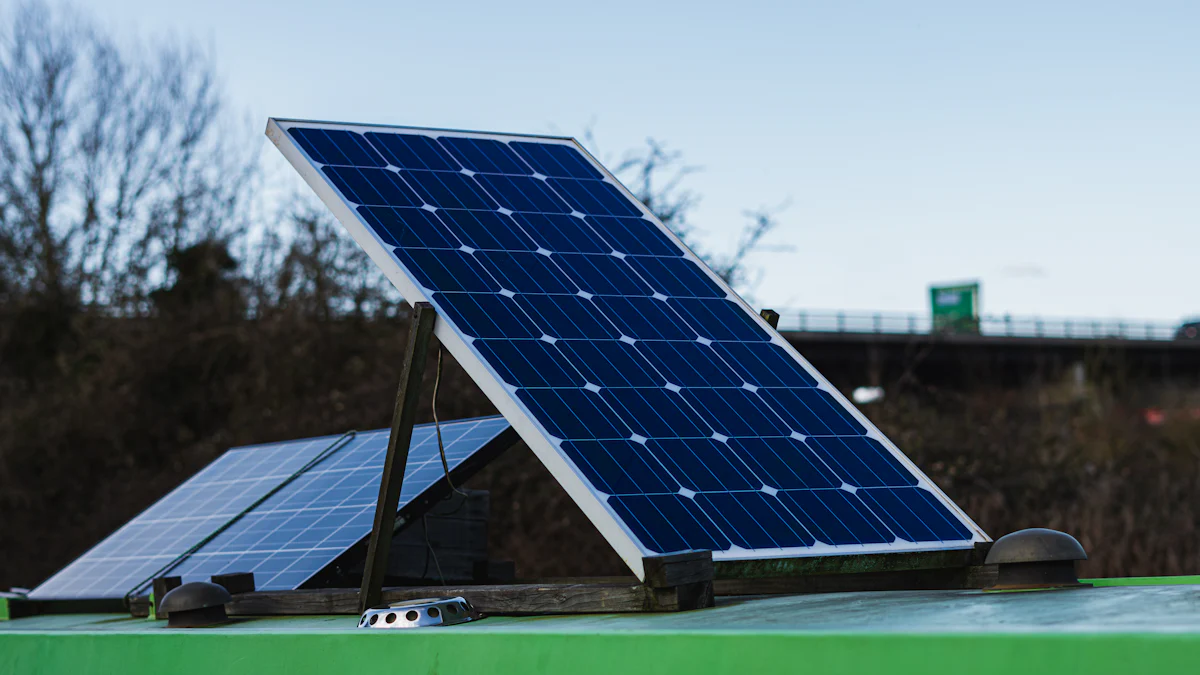
Solar connections and solar panel cable connectors are the backbone of any solar power system. They link your solar panels to other components, ensuring smooth energy flow. Without reliable connectors, your system could lose efficiency or even become unsafe. Common types include MC4, MC3, T4, Tyco SolarLok, and Radox connectors.
Understanding Solar Connections and Solar Panel Cable Connectors
What are solar connections?
Solar connections are the pathways that link your solar panels to the rest of your solar power system. Think of them as the veins in your body, carrying energy instead of blood. They ensure electricity flows smoothly from your panels to the inverter, battery, or grid. Without proper connections, your system won’t work efficiently. You might even face safety issues. These connections include wires, cables, and solar panel cable connectors, which play a critical role in keeping everything running seamlessly.
Importance of solar panel cable connectors in solar systems
Solar panel cable connectors are small but mighty components. They ensure a secure and stable connection between your solar panels and other parts of the system. A good connector prevents energy loss, which means you get the most out of your panels. They also protect your system from weather damage, dust, and moisture. Plus, they make installation and maintenance easier. Without reliable connectors, your solar setup could face frequent breakdowns or even pose safety risks.
Factors to consider when selecting connectors
Choosing the right solar panel cable connectors is crucial. First, check compatibility with your solar panels and cables. Not all connectors fit every system. Next, look for durability. You want connectors that can handle extreme weather and last for years. Also, consider ease of installation. Some connectors are more user-friendly than others. Finally, prioritize safety features like waterproofing and secure locking mechanisms. A little research now can save you a lot of trouble later.
Types of Solar Panel Cable Connectors
MC4 Connectors
MC4 connectors are the most popular choice for modern solar systems. You’ll find them on almost every residential and commercial setup. They’re designed to make installation quick and secure. These connectors feature a locking mechanism that clicks into place, ensuring a tight connection. Plus, they’re waterproof and UV-resistant, so they can handle harsh outdoor conditions. If you’re looking for reliability and ease of use, MC4 connectors are a solid option.
MC3 Connectors
MC3 connectors were widely used before MC4 connectors became the standard. They’re smaller and don’t have the same locking mechanism. While they’re still functional, they’re less secure and more prone to disconnection. If your system uses older panels, you might encounter MC3 connectors. However, many installers now recommend upgrading to MC4 for better performance and safety.
T4 Connectors
T4 connectors are similar to MC4 connectors but are often used with specific brands of solar panels. They offer the same weatherproofing and locking features, making them a reliable choice. If your panels come with T4 connectors, you’ll want to stick with them to ensure compatibility. They’re a great alternative if you’re working with a system that doesn’t use MC4 connectors.
Tyco SolarLok Connectors
Tyco SolarLok connectors are known for their durability and ease of installation. They’re designed to handle high currents, making them ideal for larger solar systems. These connectors also feature a unique locking system that prevents accidental disconnection. If you’re setting up a high-capacity system, Tyco SolarLok connectors might be the right fit for you.
Radox Connectors
Radox connectors are built for extreme conditions. They’re highly resistant to heat, cold, and chemical exposure. If you’re installing a solar system in a challenging environment, like a desert or industrial area, Radox connectors can handle the job. Their robust design ensures long-term reliability, even in the toughest settings.
Pro Tip: Always check the compatibility of your solar panel cable connectors with your system before making a purchase. This ensures smooth installation and optimal performance.
How to Connect Solar Panel Cable Connectors Safely
Tools required for connecting solar panel cable connectors
Before you start, gather the right tools. You’ll need a wire stripper to remove insulation from the cables. A crimping tool is essential for securing the connectors to the wires. A multimeter helps you check the connection’s continuity and voltage. Don’t forget safety gloves to protect your hands. If you’re working outdoors, keep a weatherproof cover handy to shield the connectors during installation. Having these tools ready makes the process smoother and safer.
Step-by-step guide to connecting solar panel cable connectors
- Prepare the cables: Strip about half an inch of insulation from the cable ends using a wire stripper. Make sure the exposed wire is clean and free of damage.
- Attach the connectors: Insert the stripped wire into the connector’s metal terminal. Use a crimping tool to secure it tightly. A firm crimp ensures a stable connection.
- Assemble the connector: Slide the connector housing over the crimped terminal. Push until you hear a click, which confirms it’s locked in place.
- Test the connection: Use a multimeter to check for continuity and voltage. This step ensures the connection is working properly.
- Secure the setup: If you’re installing outdoors, use a weatherproof cover to protect the connectors from moisture and dust.
Common mistakes to avoid during installation
Avoid rushing through the process. Skipping steps like testing the connection can lead to inefficiencies or safety hazards. Don’t use the wrong tools, as this can damage the connectors or cables. Make sure the connectors are compatible with your system. Forcing incompatible connectors can cause loose connections or even system failure. Lastly, never leave the connectors exposed to the elements without proper weatherproofing. This can lead to corrosion and reduced performance.
Quick Tip: Double-check every connection before powering up your system. A small mistake can lead to big problems later.
Choosing the right solar panel cable connectors makes a big difference in your system’s performance and safety. You’ve learned about MC4, MC3, T4, Tyco SolarLok, and Radox connectors. Each has unique strengths. Always pick connectors that match your system and handle tough conditions. Proper installation matters too. Take your time, follow steps, and double-check everything.
Reminder: A well-connected system lasts longer and works better. Don’t overlook the small details—they’re the key to big results!