
 Send Email
 Whatsapp


The Role of Quality in Solar Cable Performance
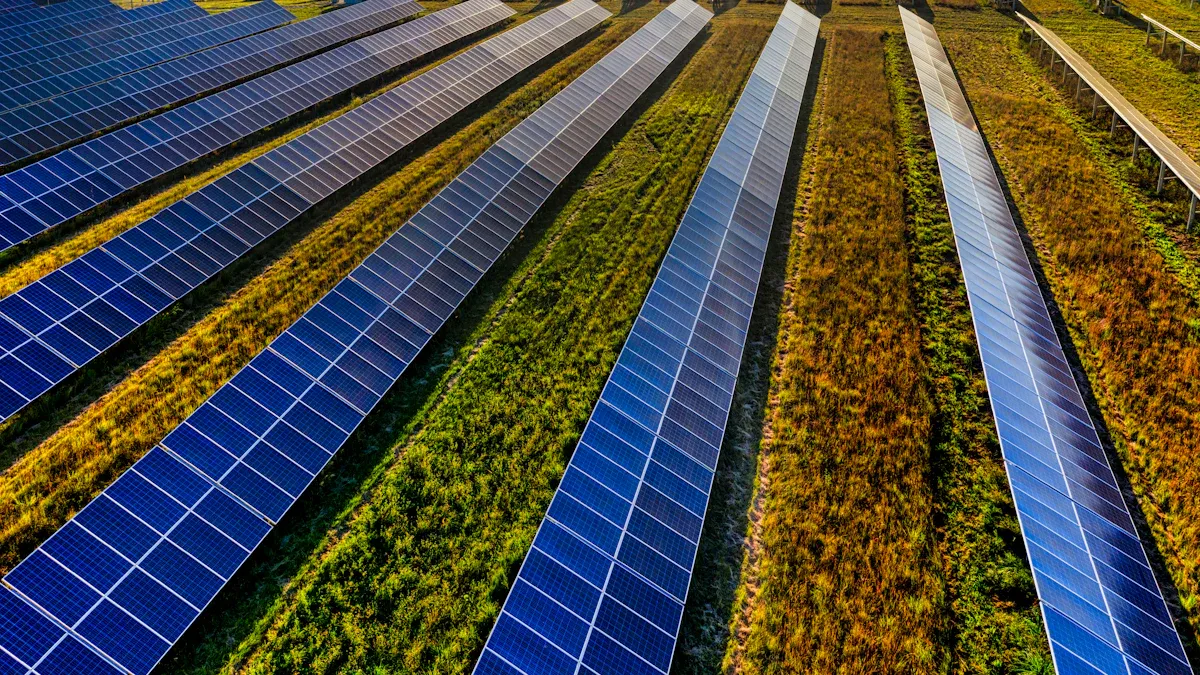
I cannot overstate the importance of quality when it comes to Solar Cables. High-quality cables ensure efficient energy transmission, reduce maintenance costs, and extend the lifespan of solar systems. Poor-quality cables, on the other hand, often lead to power loss, safety hazards, and frequent system failures. They fail to withstand harsh conditions, resulting in costly replacements. By investing in durable and reliablesolar cable solutions, we can enhance energy efficiency and safeguard the performance of photovoltaic systems.
Key Takeaways
- Buying good solar cables improves energy flow and lowers repair costs.
- Picking approved cables meets safety rules, keeping your system and people safe.
- Strong solar cables handle tough weather, making your solar system last longer.
The Role of Solar Cables in Photovoltaic Systems

Importance of Solar Cables in Energy Transmission
Solar cables play a vital role in photovoltaic systems. They transmit direct current (DC) electricity from solar panels to inverters, ensuring the system operates efficiently. Without these cables, energy generated by the panels would never reach the grid or power your home. High-quality solar cables minimize power loss, which maximizes the energy output from solar panels. They also ensure safety by reducing the risk of overheating or electrical faults.
In large-scale solar installations, the choice of cables directly impacts financial viability. Durable cables designed to withstand harsh environmental conditions enhance long-term performance and reliability. By investing in quality cables, I can ensure that my solar system delivers consistent energy output over its lifespan.
Risks and Consequences of Poor-Quality Solar Cables
Using poor-quality solar cables introduces significant risks. Structural failures, non-compliance with technical standards, and safety hazards are common consequences. For instance, cables with inconsistent material properties may degrade prematurely, leading to frequent replacements and increased costs. I’ve seen cases where substandard cables caused operational inefficiencies, compromising the entire system's performance.
To mitigate these risks, manufacturers must implement rigorous quality assurance processes. Stringent design criteria and performance tests during production are essential. By prioritizing quality, I can avoid costly repairs and ensure my system operates safely and efficiently.
Common Issues with Substandard Solar Cables
Substandard solar cables often exhibit several issues that compromise performance and safety. Here’s a breakdown of the most common problems:
| Issue | Impact on Performance and Safety |
|---|---|
| Quality failures in PV Cables | Severe safety hazards and operational inefficiencies |
| Inconsistent material properties | Performance and safety issues due to varying material quality |
| Lack of regulatory adherence | Increased risk of unreliable solar installations |
| Premature aging and degradation | Accelerated deterioration affecting energy transport and efficiency |
These issues highlight the importance of choosing cables that meet regulatory standards and are built to last. By avoiding substandard options, I can protect my investment and ensure the reliability of my photovoltaic system.
Types of Solar Cables and Their Applications
Common Types of Solar Cables
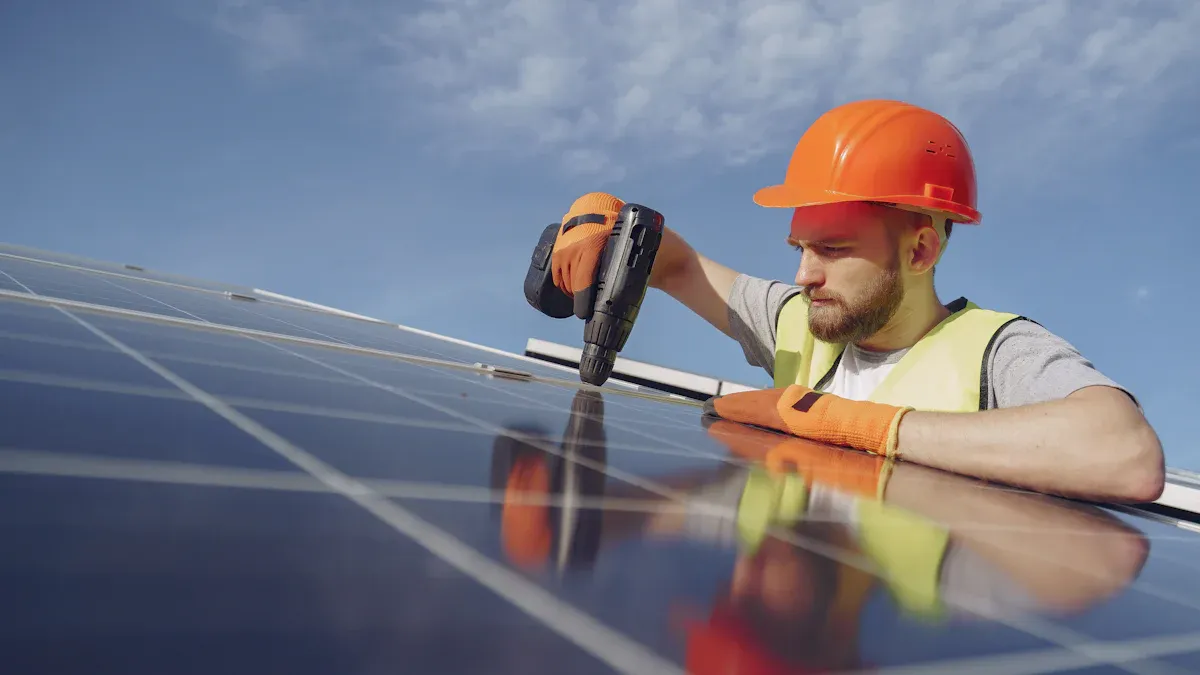
Solar cables come in various types, each designed to meet specific requirements in photovoltaic systems. The most commonly used cables include DC cables, AC cables, data communication cables, control cables, grounding cables, and overhead cables. These cables account for approximately 10% of the total construction cost in a photovoltaic power station, making them a critical investment. Photovoltaic modules represent around 50% of the equipment cost, while inverters and other electrical components make up about 10%. Choosing the right type of solar cable ensures efficient energy transmission and system reliability.
Applications of Different Solar Cable Types
Each type of solar cable serves a unique purpose in photovoltaic systems. For example, DC cables connect solar panels to the DC combiner box, ensuring UV resistance and flame retardancy. AC cables transmit converted power to the grid, requiring excellent insulation and heat resistance. Data communication cables relay real-time information to monitoring systems, while control cables facilitate automated operations. Grounding cables protect against electric shocks by providing a low-resistance path for fault currents. Overhead cables are ideal for long-distance transmission, offering durability against physical and climatic challenges.
| Cable Type | Application Description | Key Performance Metrics |
|---|---|---|
| Solar Dc Cable | Connects photovoltaic modules and transmits power to the DC combiner box. | UV resistance, weather resistance, salt spray corrosion resistance, flame retardancy, mechanical strength. |
| AC Cable | Transmits converted AC power to the distribution board or grid. | Good insulation properties, heat resistance, compliance with grid connection standards. |
| Data Communication Cable | Transmits electrical data and real-time status information to monitoring systems. | Stability in signal transmission, anti-interference capabilities. |
| Control Cable | Connects controllers, inverters, and auxiliary equipment for automated control. | Good signal transmission stability, anti-interference capabilities. |
| Grounding Cable | Provides a low-resistance path for discharging lightning or fault currents. | Low resistance, ensures safety against electric shocks and equipment damage. |
| Overhead Cable | Used for long-distance transmission or in challenging terrains. | Designed to resist physical damage and climatic factors while maintaining conductivity and mechanical strength. |
Essential Features of High-Quality Solar Cables
High-quality solar cables exhibit several essential features that distinguish them from inferior alternatives. They comply with safety certifications like TUV and UL, ensuring reliability and durability. UV and weather resistance protect cables from environmental damage, while high-temperature ratings prevent overheating. Low Smoke Zero Halogen (LSZH) properties enhance safety during fires. Flexibility and adequate insulation thickness simplify installation and reduce electrical faults. These cables are designed to endure mechanical stresses, resist biological threats like rodents, and withstand waterlogging. With a lifespan exceeding 30 years, high-quality cables safeguard solar assets and ensure system efficiency.
Key Considerations for Selecting High-Quality Solar Cables
Voltage and Amperage Requirements
When selecting a solar cable, I always prioritize voltage and amperage compatibility. A mismatch can lead to energy losses or overheating. For instance, I ensure the voltage drop remains within the acceptable range of 1% to 3%. This minimizes energy loss and maximizes efficiency. Cable gauge also plays a critical role. Thicker cables (lower gauge numbers) handle higher currents and longer distances better. For example, a 4mm² DC cable supports a maximum distance of 120 meters, while a 6mm² cable extends up to 170 meters. These considerations help me optimize performance and reduce power loss.
Safety Standards and Certifications
Safety standards and certifications validate the reliability of solar cables. I always look for certifications like TÜV, UL, and IEC. These ensure cables meet stringent safety and performance criteria. For example, TÜV certification guarantees compliance with international standards, while NEC compliance ensures safe installations in the U.S. The table below highlights key certifications:
| Certification/Standard | Description |
|---|---|
| TÜV Certification | Validates quality, safety, and performance of PV cables. |
| NEC Compliance | Ensures safety and reliability of photovoltaic systems. |
| IEC Standard Compliance | Meets international requirements for electrical performance and durability. |
By choosing certified cables, I can prevent issues like overheating and ensure long-term safety.
Durability and Weather Resistance
Durability is non-negotiable for me when selecting solar cables. Harsh environmental conditions, such as UV exposure, rain, and snow, can degrade cables over time. High-quality cables use insulation materials with high-temperature ratings, ensuring performance even in extreme conditions. For instance, PV cables are designed to be UV-resistant and moisture-proof, which enhances their lifespan. I’ve seen how substandard cables fail under mechanical stress, leading to costly repairs. By investing in durable options, I protect my system from unexpected failures.
Evaluating Cable Manufacturers and Suppliers
I always evaluate manufacturers and suppliers carefully. High-quality cables must withstand harsh conditions and last over 30 years. To ensure this, I check if manufacturers conduct performance tests for UV resistance, thermal aging, and mechanical stress. Recent case studies have shown that non-compliance with global standards often leads to safety hazards and inefficiencies. By choosing reputable suppliers, I can trust that the cables meet stringent quality standards and deliver reliable performance.
Prioritizing quality in solar cables ensures optimal performance and safety. High-quality cables minimize power losses and maximize energy yield. Certified options meet rigorous safety standards, protecting investments and personnel.
- They enhance energy transmission efficiency.
- They ensure system longevity and faster returns on investment.
Investing in durable cables safeguards photovoltaic systems for decades.
FAQ
What makes solar cables different from regular electrical cables?
Solar cables are designed for outdoor use. They resist UV rays, extreme temperatures, and moisture. Regular cables lack these features and degrade quickly in harsh environments.
How do I determine the correct cable size for my solar system?
I calculate the cable size based on the system's voltage, current, and distance. A professional installer can help ensure the correct gauge for optimal performance.
Are certified solar cables worth the investment?
Absolutely! Certified cables meet strict safety and performance standards. They last longer, reduce maintenance costs, and ensure the reliability of your photovoltaic system.
💡 Tip: Always check for certifications like TÜV or UL when purchasing solar cables. These guarantee quality and compliance with international standards.