

 Send Email
 Whatsapp


Tips for Maximizing Solar Efficiency with Aluminum Alloy Cables
Tips for Maximizing Solar Efficiency with Aluminum Alloy Cables
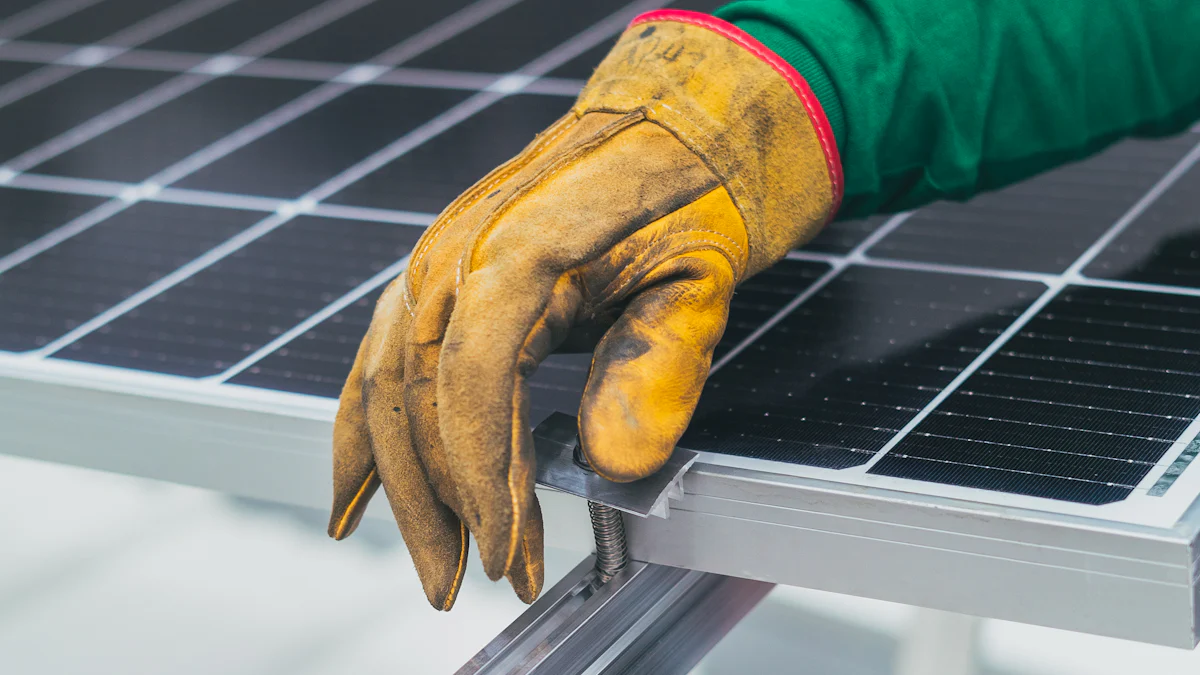
Efficient cabling forms the backbone of any solar energy system. Without it, you risk losing valuable energy during transmission. That’s where aluminum alloy cables step in. These cables offer a smart solution for improving energy flow and reducing losses. They’re not just wires; they’re tools that help you get the most out of your solar setup. By using a solar photovoltaic aluminum alloy cable, you ensure better performance and reliability. This innovation plays a key role in advancing renewable energy, making your solar investment more impactful and sustainable.
Key Takeaways
- Choose solar photovoltaic aluminum alloy cables to enhance energy efficiency and reduce transmission losses in your solar system.
- These cables are durable and resistant to harsh weather, ensuring long-term reliability and fewer maintenance costs.
- Their lightweight and flexible design simplifies installation, making them ideal for both professionals and DIY enthusiasts.
- Regular maintenance and inspections of your cables can prevent issues and extend their lifespan, ensuring optimal performance.
- Ensure compatibility between the cables and your solar system's components to maximize energy transfer and protect your investment.
- Opt for aluminum alloy cables over copper for a cost-effective solution that balances performance and durability.
- Follow proper installation practices to avoid damage and ensure efficient energy flow throughout your solar setup.
Understanding Solar Photovoltaic Aluminum Alloy Cables
What Are Solar Photovoltaic Aluminum Alloy Cables?
Solar photovoltaic aluminum alloy cables are specialized cables designed to connect and support the components of your solar energy system. These cables use aluminum alloy as the conductor material, which offers a balance of strength, flexibility, and efficiency. Unlike traditional cables, they are engineered to handle the unique demands of solar installations. They ensure smooth energy transmission from your solar panels to inverters and other system components.
You’ll find these cables particularly useful in outdoor setups. They resist harsh weather conditions and maintain performance over time. Their design focuses on durability and efficiency, making them a reliable choice for modern solar systems. If you’re looking to optimize your solar energy output, these cables are a must-have.
Key Features and Properties
Solar photovoltaic aluminum alloy cables come with several standout features that make them ideal for solar applications. Here’s what you can expect:
- Durability: These cables withstand extreme temperatures, ranging from -40℃ to 90℃. This makes them suitable for various climates.
- Corrosion Resistance: The aluminum alloy material resists rust and corrosion, ensuring long-term reliability.
- High Insulation Quality: The XLPO insulation material provides excellent electrical performance. It supports a rated voltage of DC1.5KV and maintains a minimum insulation resistance of 610 MΩ.km at 20℃.
- Flexibility: Their lightweight and flexible design simplifies installation, even in complex setups.
- Energy Efficiency: These cables promote efficient energy transfer, reducing energy loss during transmission.
Each of these features contributes to the overall performance of your solar system. By choosing cables with these properties, you enhance the reliability and efficiency of your setup.
Why They Are Essential for Solar Systems
Solar photovoltaic aluminum alloy cables play a critical role in the success of your solar energy system. They ensure that the energy generated by your solar panels reaches its destination without significant losses. This efficiency directly impacts the overall output of your system, helping you get the most out of your investment.
Their durability and resistance to environmental factors mean fewer replacements and repairs. This reduces maintenance costs and ensures uninterrupted energy production. Additionally, their lightweight design makes them easier to handle and install, saving you time and effort during setup.
By using these cables, you contribute to a more sustainable energy solution. They support the longevity and efficiency of your solar system, aligning with the broader goal of reducing carbon emissions and promoting renewable energy.
Benefits of Using Solar Photovoltaic Aluminum Alloy Cables
Cost-Effectiveness
When it comes to solar energy systems, managing costs is a top priority. Solar photovoltaic aluminum alloy cables offer a budget-friendly solution without compromising performance. These cables cost less than traditional copper cables, making them an economical choice for your solar setup. You can allocate your savings to other essential components or even expand your system.
Their long lifespan also adds to their cost-effectiveness. You won’t need frequent replacements, which reduces long-term expenses. By choosing these cables, you make a smart investment that balances affordability with reliability.
Lightweight and Flexible Design
Handling heavy and rigid cables during installation can be a hassle. Solar photovoltaic aluminum alloy cables solve this problem with their lightweight and flexible design. You’ll find them easier to transport and install, even in complex setups. This feature saves time and effort, especially for large-scale projects.
Their flexibility allows you to navigate tight spaces and tricky layouts with ease. Whether you’re working on a rooftop system or a ground-mounted array, these cables adapt to your needs. This adaptability ensures a smoother installation process and a more efficient solar energy system.
Environmental Resistance and Durability
Outdoor solar installations face harsh environmental conditions. From extreme temperatures to moisture and UV exposure, your cables must endure it all. Solar photovoltaic aluminum alloy cables excel in these situations. They resist corrosion and maintain their performance in challenging climates.
These cables withstand temperatures ranging from -40℃ to 90℃, ensuring reliable operation year-round. Their robust construction protects against wear and tear, reducing the risk of system failures. By using these durable cables, you ensure consistent energy production and fewer maintenance issues.
Enhanced Energy Transfer Efficiency
Efficient energy transfer is the heart of any solar energy system. When you use the right cables, like a solar photovoltaic aluminum alloy cable, you ensure that the energy generated by your solar panels flows smoothly to the rest of your system. This efficiency minimizes energy loss, which means more power reaches your appliances or gets stored in your batteries.
The unique design of these cables plays a big role in boosting energy transfer. Their high-quality aluminum alloy conductors reduce resistance during transmission. Lower resistance means less energy wasted as heat, so you get more usable electricity. This feature becomes especially important in larger systems where energy loss can add up quickly.
You’ll also notice that these cables maintain consistent performance over time. Their durable construction ensures that they don’t degrade easily, even in tough conditions. This reliability keeps your system running at peak efficiency for years. By choosing cables that enhance energy transfer, you maximize the return on your solar investment.
Another advantage is how these cables handle high electrical loads. They’re built to support the demands of modern solar systems without compromising safety or performance. This capability ensures that your system operates smoothly, even during peak energy production hours.
In short, better energy transfer means better results for your solar setup. With the right cables, you can optimize your system’s output and enjoy more reliable, efficient energy for your home or business.
Practical Tips for Maximizing Efficiency with Solar Photovoltaic Aluminum Alloy Cables
Proper Installation Practices
Getting the installation right is the first step to ensuring your solar system runs efficiently. When working with a solar photovoltaic aluminum alloy cable, you need to focus on precision and care. Start by measuring the exact lengths of cable required for your setup. This avoids unnecessary cuts and reduces waste. Make sure to use the correct tools for cutting and stripping the cable. Improper tools can damage the insulation or conductor, which may lead to performance issues.
Secure the cables firmly but avoid over-tightening. Over-tightening can damage the cable’s structure, while loose connections might cause energy loss. Use high-quality connectors that match the cable specifications. These connectors ensure a stable and efficient energy flow. Also, keep the cables organized and away from sharp edges or surfaces that could wear them down over time. Proper routing not only protects the cables but also makes future maintenance easier.
Finally, follow the manufacturer’s guidelines for installation. These instructions are tailored to the specific properties of the cable and help you achieve the best results. Taking these steps ensures your solar system operates at its full potential.
Regular Maintenance and Inspection
Even the best cables need regular care to maintain their efficiency. Inspect your solar photovoltaic aluminum alloy cable periodically to catch any signs of wear or damage early. Look for cracks in the insulation, corrosion on connectors, or any unusual bends in the cable. Addressing these issues promptly prevents bigger problems down the line.
Clean the cables and connectors to remove dirt, dust, or debris that might interfere with energy transfer. Use a soft cloth and avoid harsh chemicals that could harm the insulation. Check for loose connections and tighten them if necessary. Loose connections can lead to energy loss or even safety hazards.
Schedule professional inspections at least once a year. Experts can identify hidden issues that might not be visible during routine checks. Regular maintenance keeps your system running smoothly and extends the lifespan of your cables.
Ensuring Compatibility with Solar Systems
Compatibility plays a huge role in maximizing efficiency. Before installation, confirm that the solar photovoltaic aluminum alloy cable matches the voltage and current requirements of your solar system. Using an incompatible cable can lead to energy loss or even damage to your equipment.
Check the specifications of your solar panels, inverters, and other components. Make sure the cable’s rated voltage and insulation resistance align with these requirements. If you’re unsure, consult with a professional or refer to the product documentation.
Also, consider the environmental conditions of your installation site. These cables are designed to withstand extreme temperatures and harsh weather, but ensuring they meet the specific demands of your location adds an extra layer of reliability. By prioritizing compatibility, you optimize energy transfer and protect your investment.
Comparing Solar Photovoltaic Aluminum Alloy Cables to Other Materials

Aluminum Alloy vs. Copper
When choosing cables for your solar system, you might wonder whether aluminum alloy or copper is the better option. Both materials have their strengths, but aluminum alloy cables offer unique advantages that make them stand out.
Copper cables are known for their excellent conductivity. They transfer electricity efficiently and have been a popular choice for decades. However, they come with a hefty price tag. Copper is significantly more expensive than aluminum alloy, which can increase the overall cost of your solar installation. If you're working on a budget, aluminum alloy cables provide a cost-effective alternative without sacrificing performance.
Aluminum alloy cables are also much lighter than copper. This lightweight design makes them easier to handle and install, especially in large-scale projects. You’ll save time and effort during installation, which can be a big advantage for both professionals and DIY enthusiasts.
Durability is another area where aluminum alloy shines. These cables resist corrosion better than copper, especially in outdoor environments. Copper tends to oxidize over time, which can affect its performance. Aluminum alloy cables maintain their integrity even in harsh weather conditions, ensuring long-term reliability.
In short, if you’re looking for a balance between performance, cost, and durability, aluminum alloy cables are a smart choice. They may not match copper’s conductivity, but their other benefits make them a strong contender for solar applications.
Aluminum Alloy vs. Standard Aluminum
At first glance, aluminum alloy and standard aluminum might seem similar. However, their differences can significantly impact your solar system's efficiency and reliability.
Standard aluminum cables are lightweight and affordable, but they lack the strength and durability needed for demanding solar installations. They’re more prone to damage from bending, stretching, or environmental factors. This can lead to frequent replacements and higher maintenance costs over time.
Aluminum alloy cables, on the other hand, are engineered for toughness. The alloying process enhances the material’s strength, making it more resistant to wear and tear. You’ll find that these cables hold up better under stress, whether it’s from extreme temperatures or physical strain during installation.
Another key difference lies in energy transfer. Aluminum alloy cables are designed to reduce electrical resistance, which improves energy efficiency. Standard aluminum cables don’t offer the same level of performance, leading to higher energy losses during transmission.
If you want a cable that combines the lightweight nature of aluminum with added durability and efficiency, aluminum alloy is the way to go. It’s a step up from standard aluminum, offering better value and performance for your solar system.
Limitations and Considerations
While aluminum alloy cables offer many benefits, it’s important to understand their limitations to make an informed decision.
One consideration is their slightly lower conductivity compared to copper. Although aluminum alloy cables are efficient, they may require a slightly larger diameter to match the performance of copper cables. This isn’t a dealbreaker, but it’s something to keep in mind when planning your installation.
Another factor is proper installation. Aluminum alloy cables need careful handling to ensure optimal performance. Improper connections or over-tightening can lead to issues like energy loss or overheating. Following the manufacturer’s guidelines and using the right tools can help you avoid these problems.
Lastly, compatibility matters. Make sure the aluminum alloy cables you choose align with the voltage and current requirements of your solar system. Double-check the specifications of your panels, inverters, and other components to ensure everything works seamlessly together.
By understanding these considerations, you can maximize the benefits of aluminum alloy cables while addressing potential challenges. With the right approach, these cables can be a reliable and efficient choice for your solar energy needs.
Solar photovoltaic aluminum alloy cables bring a host of benefits to your solar energy system. They enhance efficiency, reduce costs, and ensure long-term durability. By installing them properly and maintaining them regularly, you can maximize their performance and extend their lifespan. These cables offer a reliable, cost-effective solution for creating a sustainable energy setup. If you're looking to boost your solar system's output while staying eco-friendly, these cables are a smart choice. Take the step toward a greener future by integrating these innovative cables into your solar projects.