
 Send Email
 Whatsapp


Tips for Selecting the Best Photovoltaic Cable for Solar Panels
Tips for Selecting the Best Photovoltaic Cable for Solar Panels
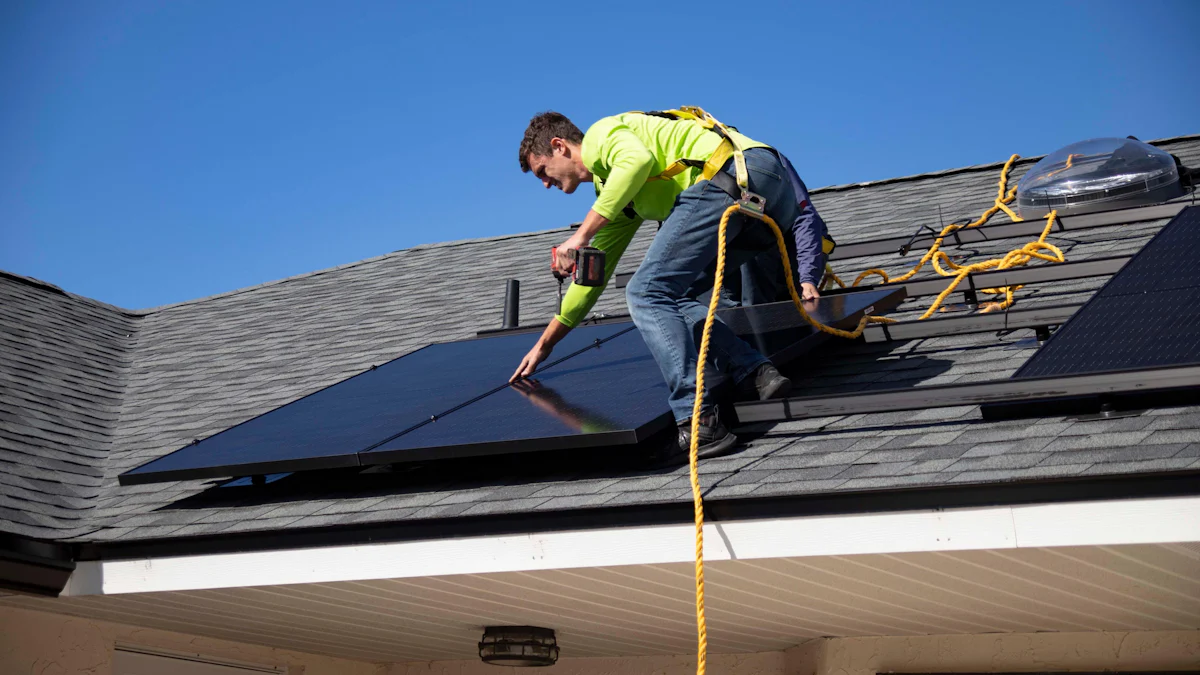
Choosing the right Photovoltaic Cable is crucial for your solar panel system's efficiency and safety. High-quality solar cables interconnect essential components like solar panels, inverters, and batteries, directly impacting power generation efficiency. These cables, made from durable materials, resist harsh conditions such as UV radiation and chemicals. They often last between 25 to 30 years, far exceeding the lifespan of regular electrical cables. By selecting the best photovoltaic cable, you ensure optimal performance and longevity for your solar energy system.
Types of Photovoltaic Cables
When selecting the best photovoltaic cable for your solar panel system, understanding the different types available is crucial. Each type serves specific purposes and offers unique benefits. Let's explore the main categories:
Single-Core Cables
Single-core cables consist of a single conductor encased in insulation. These cables are ideal for straightforward installations where flexibility is not a primary concern. They provide excellent conductivity and are often used in fixed installations. Photovoltaic PV H1Z2Z2-K Cable is a popular choice in this category. It is ozone-resistant and UV-resistant, ensuring durability in harsh environments. This type of cable is perfect for connecting solar panels to inverters or batteries, maintaining efficiency and safety.
Multi-Core Cables
Multi-core cables contain multiple conductors within a single sheath. These cables are suitable for complex installations requiring multiple connections. They offer the advantage of reducing the number of cables needed, simplifying the installation process. Multi-core cables are often used in larger solar systems where space and organization are critical. They provide reliable performance and are designed to handle the demands of modern solar installations.
Flexible Cables
Flexible Cables are designed to bend and twist without breaking, making them ideal for installations requiring frequent movement or adjustments. These cables are perfect for portable solar systems or installations in challenging terrains. TheTOPSOLAR® PV AL 1500V cable is an example of a flexible cable with a class 2 aluminum conductor and XLPE insulation. It is UV resistant and can withstand high voltages, making it suitable for various applications. Flexible cables ensure that your solar system remains adaptable and efficient, even in dynamic environments.
Choosing the right type of photovoltaic cable is essential for optimizing your solar panel system's performance. By understanding the characteristics and benefits of each type, you can make an informed decision that enhances the efficiency and longevity of your solar energy setup.
Key Factors to Consider
When selecting the best photovoltaic cable for your solar panel system, several key factors come into play. These factors ensure that your system operates efficiently and safely.
Material
Copper vs. Aluminum
Choosing between copper and aluminum cables is crucial. Copper cables offer superior conductivity, flexibility, and heat resistance. They carry more current due to their excellent electrical properties. This makes them a popular choice for solar applications. Copper cables also provide durability, which is essential for long-term installations.
On the other hand, aluminum cables are lighter and more cost-effective. They are easier to handle, especially in large-scale projects. However, they require a larger cross-sectional area to carry the same current as copper cables. This is due to their lower conductivity. Aluminum cables also need more maintenance because of their lower tensile strength.
Scientific Research Findings:
- Copper cables: Higher conductivity, flexibility, and heat resistance.
- Aluminum cables: More resistant to corrosion but require more maintenance.
Insulation
Importance of Insulation Quality
Insulation quality plays a vital role in the performance of photovoltaic cables. High-quality insulation protects the cables from environmental factors like moisture and chemicals. It also prevents electrical leakage, ensuring safety and efficiency. Insulation must withstand high temperatures and resist wear over time. This ensures that your solar system remains reliable and efficient.
UV Resistance
Why UV Resistance Matters
UV resistance is another critical factor to consider. Photovoltaic cables often face prolonged exposure to sunlight. UV-resistant cables prevent degradation caused by ultraviolet rays. This extends the lifespan of the cables and maintains their performance. UV resistance ensures that your solar system continues to operate efficiently, even in harsh environments.
By considering these key factors, you can select the best photovoltaic cable for your solar panel system. This choice enhances the system's efficiency, safety, and longevity.
Temperature Range
Understanding the operating temperature range of photovoltaic cables is essential for maintaining the efficiency and safety of your solar panel system. These cables must withstand various environmental conditions, including extreme temperatures, to ensure reliable performance.
Operating Temperature Considerations
-
Temperature Tolerance: Photovoltaic cables should have a wide temperature tolerance. This ensures they function effectively in both hot and cold climates. Cables with a broad operating temperature range can handle the heat generated by solar panels and the cold of winter without degrading.
-
Material Impact: The material of the cable affects its temperature tolerance. Copper cables, known for their superior conductivity and heat resistance, perform well in high-temperature environments. They maintain efficiency even when exposed to intense sunlight. Aluminum cables, while lighter and more cost-effective, may require additional considerations for heat management due to their lower heat resistance.
-
Insulation Quality: High-quality insulation is crucial for temperature management. It protects the cable from temperature fluctuations and prevents electrical leakage. Insulation must resist wear and tear over time, ensuring the cable's longevity and reliability.
-
Environmental Factors: Consider the specific environmental conditions of your installation site. Areas with extreme temperatures require cables designed to withstand such conditions. This ensures that your solar system operates efficiently year-round.
By considering these factors, you can select the best photovoltaic cable for your solar panel system. This choice not only enhances the system's efficiency but also ensures its safety and longevity.
Compatibility with Solar Panel Systems
Selecting the best photovoltaic cable involves ensuring compatibility with your solar panel system. This compatibility ensures that your system operates efficiently and safely, maximizing energy output and longevity.
Matching Cable Specifications with System Requirements
When choosing a photovoltaic cable, you must match the cable specifications with your system's requirements. This involves considering several factors:
-
Voltage Rating: Ensure the cable can handle the voltage of your solar panel system. Most residential systems require cables rated up to 600 volts, while commercial systems may need higher ratings.
-
Current Capacity: The cable must support the current flowing through your system. A cable with insufficient capacity can overheat, leading to potential failures. Consider the ambient temperature and installation conditions, as these can affect the cable's ability to dissipate heat.
-
Cable Length: Longer cables can lead to voltage drops, reducing system efficiency. Choose a cable length that minimizes resistance while maintaining flexibility for installation.
-
Temperature Range: Select cables that can withstand the temperature variations at your installation site. Cables rated from -40°C to 90°C or higher are ideal for handling extreme conditions without degrading.
By aligning these specifications with your system's needs, you ensure optimal performance and safety.
Considerations for Different Types of Installations
Different installations require specific considerations when selecting photovoltaic cables:
-
Residential Installations: These typically involve smaller systems with straightforward layouts. Single-core cables often suffice, providing excellent conductivity and ease of installation.
-
Commercial Installations: Larger systems may require multi-core cables to manage complex connections. These cables reduce clutter and simplify the installation process, ensuring efficient energy transfer.
-
Portable Systems: For systems that require frequent movement, flexible cables are essential. They allow for easy adjustments without compromising performance.
-
Extreme Environments: In areas with harsh weather conditions, prioritize cables with high-quality insulation and UV resistance. These features protect against environmental damage, ensuring long-term reliability.
By considering these factors, you can select the best photovoltaic cable for your specific installation type. This choice enhances your solar panel system's efficiency and durability, ensuring a sustainable energy solution.
Safety Standards and Certifications
When selecting the best photovoltaic cable for your solar panel system, understanding safety standards and certifications is crucial. These standards ensure that the cables meet specific requirements for performance, durability, and safety.
Understanding Safety Standards
Safety standards for photovoltaic cables are designed to protect your solar panel system from potential hazards. These standards ensure that the cables can withstand the environmental and electrical demands of solar installations. Here are some key aspects to consider:
-
Durability: Solar cables must endure harsh conditions, such as UV exposure and extreme temperatures. Standards ensure that cables like PV1-F and H1Z2Z2-K meet these requirements, providing long-lasting performance.
-
Thermal Resistance: High thermal resistance is essential for cables used in solar panels. This ensures that they can handle the heat generated by the panels without degrading.
-
Electrical Safety: Cables must prevent electrical hazards, such as short circuits and fires. Safety standards ensure that cables have adequate insulation and conductivity to handle the electrical load safely.
By adhering to these standards, you can ensure that your solar panel system operates safely and efficiently.
Key Certifications to Look For
Certifications provide assurance that photovoltaic cables meet industry standards for quality and safety. When selecting cables, look for the following certifications:
-
TÜV Certification: This certification indicates that the cable has been tested for safety and performance according to European standards. It ensures that the cable can withstand environmental stresses and electrical demands.
-
UL Certification: The Underwriters Laboratories (UL) certification is a mark of safety and quality in North America. It ensures that the cable meets rigorous safety standards and can handle the electrical load of your solar panel system.
-
IEC Standards: The International Electrotechnical Commission (IEC) sets global standards for electrical products. Cables that meet IEC standards have been tested for safety, performance, and durability.
-
RoHS Compliance: The Restriction of Hazardous Substances (RoHS) compliance ensures that the cable does not contain harmful substances. This certification is important for environmental safety and sustainability.
By choosing cables with these certifications, you can ensure that your solar panel system is safe, reliable, and compliant with industry standards.
Selecting the right photovoltaic cable is vital for your solar panel system's efficiency and safety. By choosing the best photovoltaic cable, you ensure optimal performance and longevity. Remember these key tips:
- Material Matters: Opt for copper cables for superior conductivity.
- Insulation Quality: High-quality insulation prevents electrical leakage.
- UV Resistance: Protects cables from sun damage.
- Safety Standards: Look for certifications like UL4703 and IEC62930.
For further guidance, consult professionals or conduct additional research to make informed decisions about your solar energy setup.