

 Send Email
 Whatsapp


Understanding Solar Cable 6mm²: A Comprehensive Guide for PV Installations
Introduction to Solar Cables
As the global demand for renewable energy continues to surge, solar photovoltaic capacity has experienced remarkable growth. With a capacity of 1.18 terawatts in 2022 and China alone accounting for 415 gigawatts, it is evident that solar power has become the fastest-growing electricity source in the U.S., reaching 135,700 megawatts (MW) as of late 2022. This exponential growth underscores the pivotal role of solar cables in photovoltaic (PV) installations.
Solar cables, also known as PV Cables, serve as the vital link between solar panels and other system components, facilitating the efficient transmission of electricity generated by solar panels. The significance of these cables lies in their ability to withstand outdoor conditions, including extreme temperatures and UV exposure, while ensuring minimal power loss during transmission. As a result, they play a crucial role in maintaining the overall efficiency and reliability of solar power systems.
Why 6mm² Size Matters
The size of a solar cable is a critical consideration in PV installations, and the 6mm² conductor holds particular importance. The nominal size of a 6mm² PV cable refers to its cross-sectional area, which directly impacts its current-carrying capacity and electrical resistance. This size is well-suited for medium-scale residential and commercial solar installations due to its optimal balance between current-handling capability and flexibility.
One key aspect that makes the 6mm² conductor stand out is its compatibility with higher current ratings while maintaining manageable dimensions. This characteristic allows for efficient power transmission without compromising on installation flexibility or adding unnecessary bulk to the system. Additionally, utilizing a 6mm² conductor reduces voltage drop over longer cable runs, ensuring that the electricity generated by solar panels reaches its intended destination with minimal losses.
Understanding the Basics of 6mm² Solar Cables
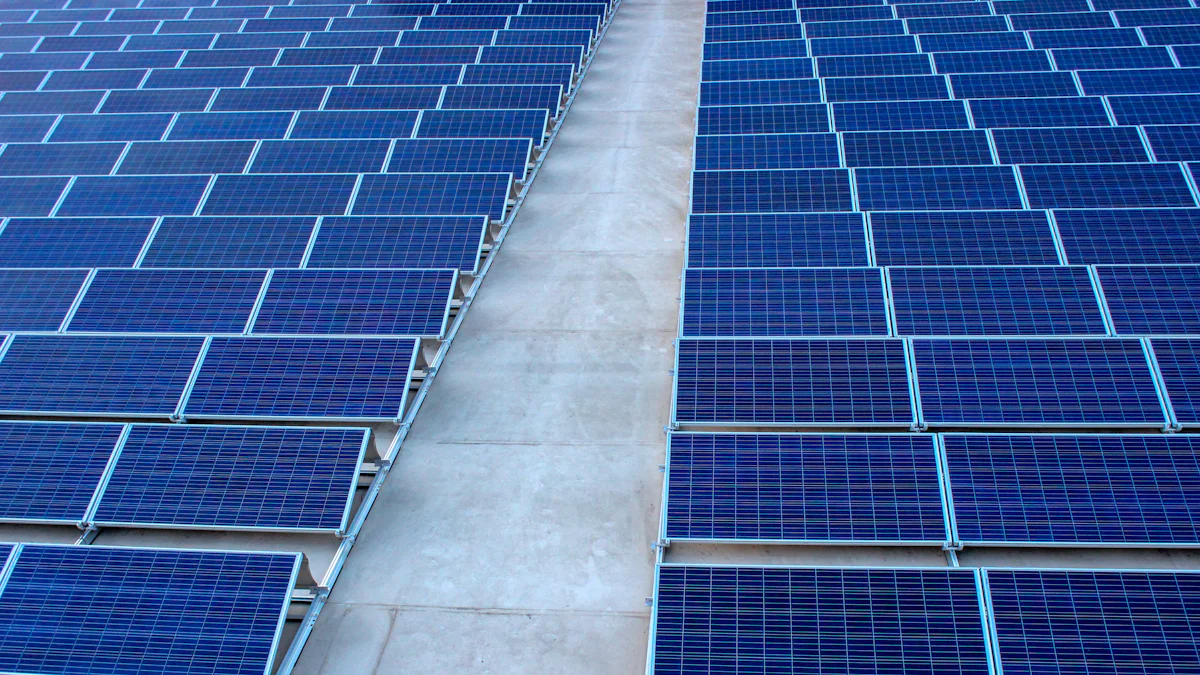
When delving into the basics of 6mm² solar cables, it's essential to grasp their key features and the advantages they offer in photovoltaic (PV) installations.
Key Features of 6mm² PV Cables
The 6mm² PV cables boast several key features that make them indispensable components in solar power systems. One notable feature is their reduced outer diameters and insulation thickness. This design element contributes to their versatility and efficiency, allowing for seamless integration within various installation settings.
The reduced outer diameters of 6mm² solar cables enable more streamlined routing and management within confined spaces, such as rooftops or mounting structures. This feature is particularly beneficial in residential and commercial installations where space optimization is crucial. Additionally, the thinner insulation thickness enhances flexibility, making it easier to maneuver and install the cables without compromising on durability or performance.
Solar Cables with Reduced Outer Diameters
Solar cables with reduced outer diameters offer a range of benefits that align with the evolving needs of modern PV installations. The slimmer cable design not only facilitates easier handling during installation but also minimizes the overall bulkiness of the wiring system. This characteristic is especially advantageous in scenarios where space constraints or aesthetic considerations come into play.
Moreover, the reduced outer diameters contribute to weight savings, which can be significant in large-scale solar projects where extensive lengths of cabling are required. By reducing the physical footprint of the cabling infrastructure, these solar cables help streamline installation processes while optimizing available resources.
In addition to practical advantages, the slimmer cable design supports enhanced airflow around the wiring system, promoting better heat dissipation and minimizing temperature-related performance issues. This feature becomes increasingly valuable in regions characterized by high ambient temperatures or prolonged exposure to direct sunlight.
Furthermore, the reduced outer diameters contribute to a more organized and visually appealing installation, aligning with industry standards for clean and professional-looking solar arrays. This aspect holds particular significance in residential settings where aesthetics play a pivotal role in overall customer satisfaction and system acceptance.
The Importance of Electron Beam Cross-Linked Solar Cables
In the realm of solar power systems, Electron Beam Cross-Linked (EBXL) solar cables hold a distinct position, offering unique advantages that contribute to the overall reliability and performance of photovoltaic installations.
What Makes Electron Beam Cross-Linked Solar Cables Special
The utilization of electron beam cross-linking technology sets these solar cables apart from conventional alternatives. Through this advanced process, the molecular structure of the cable's insulation undergoes a transformation, resulting in enhanced durability and resilience. The introduction of electron beam cross-linking reinforces the insulation material, effectively minimizing the risk of damage due to environmental factors such as UV exposure and temperature fluctuations.
Moreover, the electron beam cross-linking process imbues the insulation with exceptional resistance to abrasion and mechanical stress, ensuring prolonged service life even in demanding operational conditions. This heightened resistance to wear and tear significantly reduces the likelihood of insulation degradation over time, thereby safeguarding the integrity of the electrical core within the cable.
Beam Cross-Linked Solar Cables: Enhancing Durability and Performance
The application of electron beam cross-linking technology directly translates into tangible benefits for solar panel connector cables performance. By enhancing durability, these cables exhibit remarkable longevity, making them well-suited for long-term deployment in solar power systems. The robust insulation material fortified through electron beam cross-linking effectively mitigates the risks associated with environmental wear, thereby preserving the electrical properties and structural integrity of the cable.
Furthermore, EBXL solar cables demonstrate exceptional thermal stability, capable of withstanding elevated temperatures without compromising their electrical characteristics. This attribute is particularly crucial in solar installations where exposure to heat is inevitable, ensuring consistent performance under varying climatic conditions.
In addition to their superior durability and thermal resilience, EBXL solar cables offer enhanced flexibility without sacrificing structural strength. This flexibility facilitates ease of handling during installation processes while accommodating dynamic system configurations. As a result, these cables enable efficient routing and management within diverse PV installations while maintaining optimal electrical connectivity.
The incorporation of electron beam cross-linking technology aligns with industry standards for high-quality solar components that prioritize reliability and longevity. These advanced cables not only meet but exceed expectations for durability and performance in demanding SOLAR environments.
Choosing the Right Connectors for Your PV Cable 6mm
When it comes to ensuring a reliable and efficient connection for your photovoltaic cable, selecting the appropriate solar connectors is paramount. These connectors serve as the crucial interface between the PV cable 6mm, solar flat 6mm, and other system components, facilitating seamless electrical connectivity within solar power installations.
Overview of Solar Panel Connector Cables
Solar panel connector cables come in various configurations, each designed to meet specific requirements and industry standards. Among the most widely used connectors are the MC4, Helios H4, and other popular variants. These connectors adhere to established solar connector standards and are renowned for their robust construction, reliable performance, and compatibility with a wide range of solar cables.
The MC4 connectors, known for their durability and versatility, have become a standard choice in many photovoltaic installations. Similarly, the Helios H4 connectors offer exceptional reliability and efficiency, making them a preferred option for connecting PV cable 6mm in diverse solar array setups.
Matching Connectors with PV Cable 6mm, Solar Flat 6mm
Selecting suitable connectors that seamlessly match the specifications of PV cable 6mm or solar flat 6mm is essential to ensure optimal electrical conductivity and long-term reliability. When choosing connectors for these cables, factors such as compatibility with conductor materials, insulation types, and environmental resistance must be carefully considered to guarantee a secure and enduring connection.
The ideal connector for a PV cable 6mm should feature robust construction with high-quality materials such as copper conductors and durable insulation. This ensures low electrical resistance while effectively safeguarding against environmental elements such as UV exposure and moisture ingress.
Furthermore, selecting connectors that align with industry-standard specifications such as IEC norms contributes to seamless integration within existing solar power systems. Adhering to recognized standards not only ensures compatibility but also simplifies maintenance and future expansions of the photovoltaic installation.
In addition to technical considerations, practical aspects such as ease of installation, crimping compatibility with tools like crimping pliers for solar applications or FUNIVERSAL STRIP stripping toolPreviousNext can significantly impact the overall efficiency of the connection process. Opting for connectors that facilitate straightforward assembly while maintaining secure connections minimizes installation time and enhances system reliability.
Moreover, when procuring connectors for your PV cable 6mm or solar flat 6mm, it's essential to consider factors beyond product quality alone. Evaluating aspects such as shipping costs, delivery timescales incl VAT can aid in making informed decisions regarding procurement while ensuring timely availability of essential components.
By meticulously matching suitable connectors with your PV cable 6mm or solar flat 6mm based on technical compatibility, industry standards adherence, ease of installation, and procurement considerations, you can establish a robust electrical interface that underpins the performance and longevity of your SOLAR power system.
Installation Tips and Best Practices
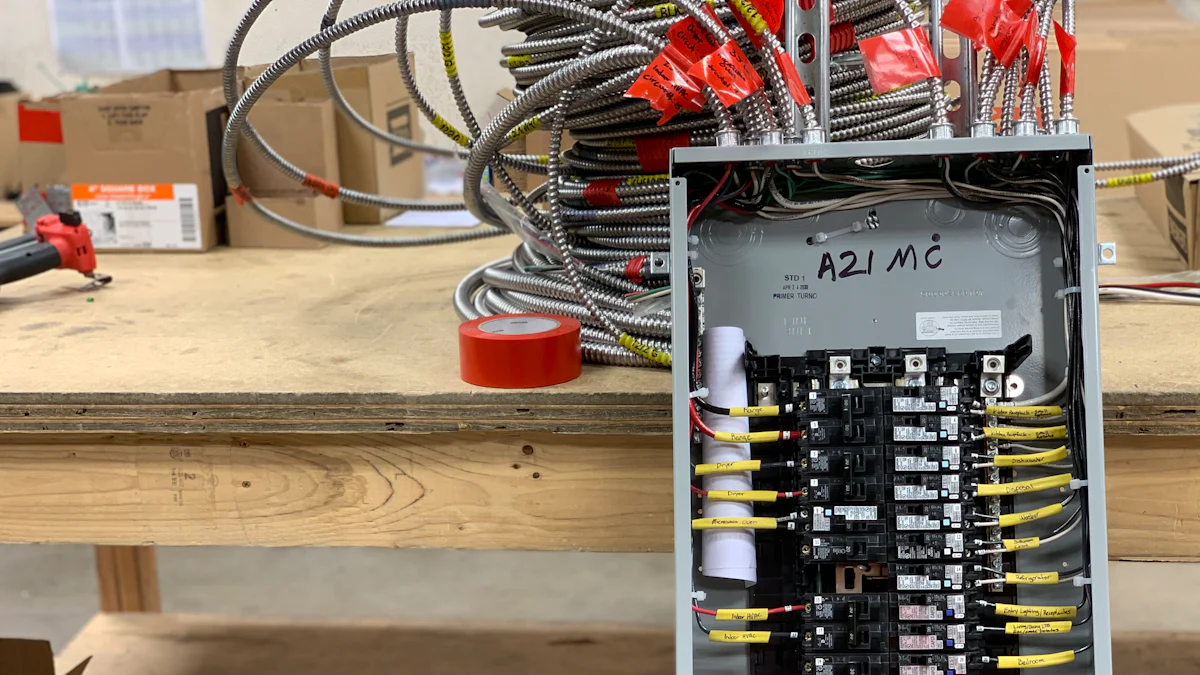
Preparing for Installation: Tools and Safety
Before embarking on a solar cable installation, it is essential to ensure that the necessary tools and safety measures are in place. The following steps outline the preparatory measures required for a successful and secure installation:
1.Assess the Work Area: Begin by conducting a thorough assessment of the work area to identify any potential hazards or obstructions. Clearing the workspace of debris and ensuring adequate lighting can significantly enhance safety during the installation process.
2.Gather Essential Tools: Assemble the required tools for cable handling, cutting, stripping, and termination. These may include wire cutters, cable strippers, crimping tools, and appropriate personal protective equipment (PPE) such as gloves and safety glasses.
3.Verify Electrical Safety: Prior to handling any cables or connectors, it is crucial to verify that the electrical system is safely isolated to prevent any risk of electric shock or short circuits. Adhering to established lockout/tagout procedures can help mitigate electrical hazards effectively.
4.Review Installation Guidelines: Familiarize yourself with the manufacturer's installation guidelines specific to the solar cables being used. This includes understanding recommended bending radii, permissible voltage ratings, and temperature limits to ensure compliance with product specifications.
5.Safety First: Emphasize adherence to safety protocols throughout the installation process. This includes maintaining proper ladder usage when working at heights, securing loose cables to prevent tripping hazards, and implementing fall protection measures where necessary.
6.Grounding Considerations: Verify that grounding requirements for solar arrays are met in accordance with relevant electrical codes and standards. Proper grounding helps mitigate potential electrical faults and ensures system safety.
7.Weather Preparedness: Keep an eye on weather forecasts before initiating outdoor installations. Postpone work if adverse weather conditions such as heavy rain or thunderstorms are anticipated to avoid unnecessary risks.
8.Documentation Review: Ensure that all relevant documentation pertaining to cable specifications, connector compatibility, and installation procedures is readily accessible on-site for quick reference.
Step-by-Step Guide to Installing Solar Cables
Once all preparatory measures have been addressed, follow this step-by-step guide for a systematic installation of solar cables:
1.Cable Routing Planning: Begin by planning the routing path for the solar cables from the photovoltaic array to the designated connection point within the building or power distribution system. Consider factors such as cable length optimization, minimizing exposure to environmental stressors, and avoiding interference with other electrical components.
2.Cable Handling: Exercise caution when handling solar cables to prevent damage to insulation or conductor cores during transportation and routing activities.
3.Cable Stripping: Use precision cable stripping tools designed for solar applications to carefully remove insulation from cable ends without damaging underlying conductors.
4.Connector Assembly: Select suitable connectors based on compatibility with PV cable 6mm specifications and assemble them securely onto stripped cable ends using appropriate crimping techniques.
5.Connection Testing: After connector assembly, perform thorough testing of each connection point using specialized testing equipment designed for solar installations.
6.Secure Mounting : Securely mount cables along their designated routes using industry-approved fastening methods such as cable clips or conduit supports while maintaining recommended bend radii at all times.
7 .Labeling & Documentation : Label all installed cables clearly with pertinent information including circuit designations, polarity markings (if applicable), and date of installation for future reference.
8 .Final Inspection & Verification : Conduct a comprehensive inspection of all installed cables while verifying proper terminations,
connections,and compliance with manufacturer's guidelines.
9 .System Integration & Commissioning : Upon successful completion of cable installations,
integrate them into the overall photovoltaic system architecture followed by commissioning
procedures including performance testing,voltage measurements,and system functionality checks.
Conclusion
In conclusion, the significance of solar cables, particularly the 6mm² PV cables, cannot be overstated in the context of photovoltaic installations. These essential components serve as the lifeline of solar power systems, enabling the efficient transmission of electricity generated by solar panels while ensuring durability and reliability in diverse environmental conditions.
Recap of Key Points
Throughout this comprehensive guide, several key points have been highlighted to underscore the importance and advantages of 6mm² solar cables:
1.The role of solar cables in facilitating the seamless transmission of electricity from solar panels to other system components has been emphasized, emphasizing their critical function in maintaining overall system efficiency and reliability.
2.The specific significance of the 6mm² conductor size has been elucidated, showcasing its optimal balance between current-carrying capacity and flexibility for medium-scale residential and commercial solar installations.
3.The key features and benefits of 6mm² PV cables, including reduced outer diameters, insulation thickness, and enhanced flexibility, have been outlined to underscore their practical advantages in diverse installation settings.
4.The unique advantages offered by solar cables have been detailed, emphasizing their exceptional durability, thermal stability, and resistance to wear and tear.
5.The crucial role played by suitable connectors in ensuring reliable electrical connectivity for PV cable 6mm has been underscored, highlighting the importance of technical compatibility and adherence to industry standards.
6.Essential installation tips and best practices have been provided to guide individuals through a systematic approach to installing solar cables while prioritizing safety and compliance with manufacturer guidelines.
Looking Forward: The Future of Solar Installations
As technology trends continue to shape the landscape of the solar cable industry, it is evident that ongoing innovations will drive improvements in cable materials, construction techniques, and design elements. These advancements aim to enhance not only the performance but also the durability and safety aspects of solar cables. For instance, the integration of new materials and advanced insulation technologies is expected to elevate electrical performance while bolstering anti-interference capabilities within future solar cable designs.
Moreover, as technological progress unfolds, there is a growing anticipation that future solar cables may undergo transformations that render them thinner, softer, and easier to install and maintain. This evolution aligns with broader industry objectives aimed at streamlining installation processes while optimizing long-term maintenance efforts for sustainable energy solutions.
In parallel with technological advancements, cost trends within the solar cable manufacturing industry are poised for growth in response to escalating demand for solar power generation worldwide. As countries like India pursue ambitious energy transition goals through policy interventions supporting renewable energy segments such as SOLAR power generation,the demand for safe and efficient solar cables is expected to surge significantly. Embracing these latest cost trends alongside technological innovations will be instrumental in sustaining competition within the industry while effectively responding to expanding SOLAR energy segments globally.
Looking further into the future trajectory of solar installations, it becomes evident that innovations in cable technology will continue driving efficiency enhancements,durability improvements,and flexibility optimizations within next-generation SOLAR cable designs.Such advancements are anticipated to enable tighter integration between SOLAR cablesand smart grid technologies,enabling bidirectional energy flow,data communication functions,and active participationin energy trading activities.These developments are poisedto propel sustainable energy developmentand smart grid infrastructure constructionforward into a new eraof renewable energy utilization.