

 Send Email
 Whatsapp


Waterproof DC Solar Cables: Essential for Offshore Solar Installations
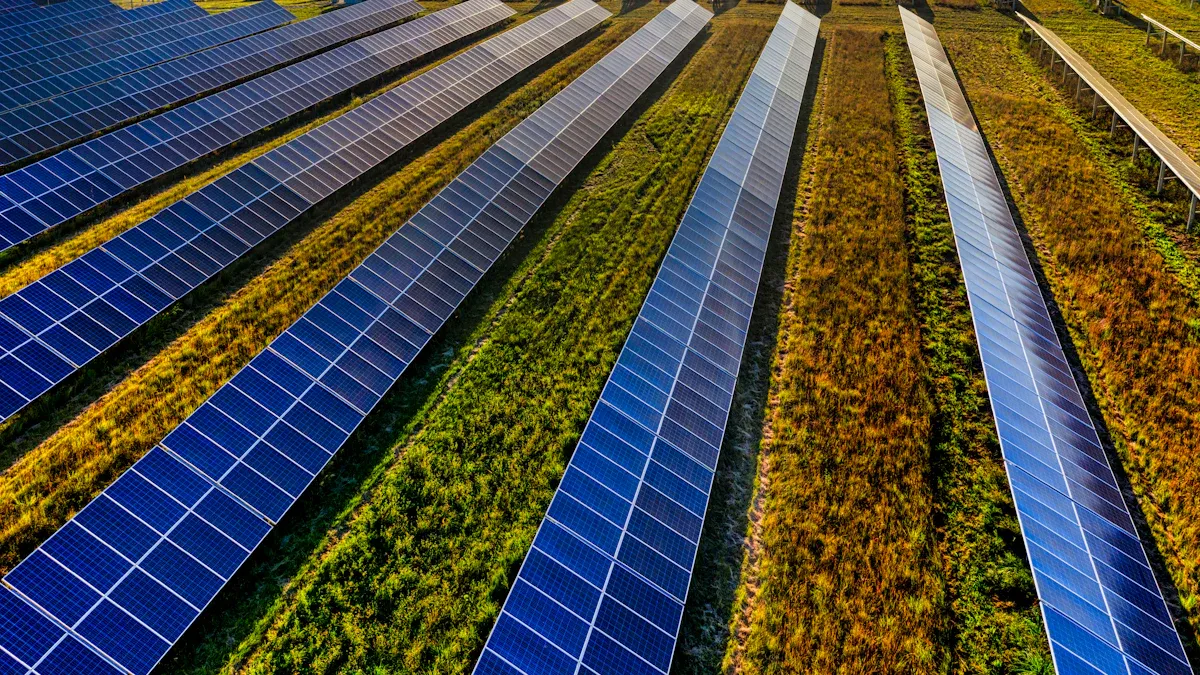
Offshore solar installations demand robust electrical infrastructure. "Waterproof DC Solar Cables: Essential for Offshore Solar Installations" are critical for these projects. They navigate the extreme environmental challenges of marine settings. These cables ensure reliable power transmission. They withstand harsh conditions, providing essential system integrity.
Key Takeaways
- Offshore solar farms need special waterproof DC cables. These cables protect against harsh sea conditions like saltwater and strong waves.
- Waterproof cables make offshore solar systems reliable and safe. They stop electrical problems and keep power flowing steadily.
- Choosing the right waterproof cables means looking for strong materials. These materials resist damage from the sun, water, and constant movement.
The Imperative for Waterproof DC Solar Cables in Offshore Environments

Unique Challenges of Marine Solar Installations
Offshore solar installations face many severe environmental conditions. Saltwater constantly attacks all components. This corrosive environment quickly degrades standard materials. High humidity levels also contribute to material breakdown. Intense ultraviolet (UV) radiation from the sun weakens cable jackets over time. Waves and strong currents create significant mechanical stress. This stress can cause abrasion and fatigue in cables. Temperature fluctuations between day and night, or seasons, also put strain on materials. Marine organisms, like barnacles and algae, can grow on surfaces. This biofouling adds weight and can damage cable insulation. These combined factors make the marine environment extremely harsh for electrical infrastructure. Standard solar cables cannot withstand these conditions for long.
Mitigating Risks with Advanced Cable Design

Advanced cable design directly addresses these marine challenges. Manufacturers use specialized materials for cable jackets. These materials often include cross-linked polyolefin or other robust polymers. These jackets resist saltwater corrosion, UV degradation, and abrasion. The insulation layers inside the cable also feature enhanced properties. They prevent water ingress even under pressure. Cable construction often includes multiple protective layers. These layers provide superior mechanical strength and flexibility. This design helps cables endure constant movement from waves and currents. Internal strain relief mechanisms prevent damage from pulling forces. These advanced designs ensure the cables maintain their integrity. They protect the electrical conductors from the harsh external environment.
The Role of Waterproofing in System Integrity

Waterproofing is absolutely critical for offshore solar system integrity. Water ingress into a cable causes immediate problems. It can lead to short circuits, which disrupt power flow. This results in significant power loss for the entire installation. Water also compromises insulation, increasing the risk of electrical shock. Effective waterproofing prevents these failures. It ensures the insulation remains intact and functional. This maintains consistent and reliable power transmission from the solar panels. Waterproofing also protects against long-term degradation. It prevents corrosion of copper conductors, which would otherwise reduce efficiency. Ultimately, robust waterproofing ensures the safety of personnel and the longevity of the entire system. Waterproof DC Solar Cables: Essential for Offshore Solar Installations provide this crucial protection. They guarantee reliable operation in demanding marine settings. These specialized cables are fundamental for the success of any offshore solar project.
Key Benefits and Selection Criteria for Offshore Waterproof DC Solar Cables

Enhancing Reliability and Longevity
Offshore solar installations demand maximum uptime. Waterproof DC solar cables significantly boost system reliability. They prevent common electrical failures. Water ingress, a major threat, causes short circuits and corrosion. These cables seal out moisture effectively. This protection ensures consistent power flow from the solar panels. Reduced failures mean less downtime for repairs. This directly translates to higher energy production and better financial returns. Furthermore, these specialized cables extend the operational lifespan of the entire solar array. They resist degradation from saltwater, UV radiation, and mechanical stress. This resilience means fewer replacements over time. Operators save on maintenance costs and labor. The long-term performance of the system relies heavily on these durable components.
Ensuring Safety and Performance Optimization
Safety is paramount in any electrical installation, especially offshore. Waterproof DC solar cables play a crucial role in protecting both personnel and equipment. They prevent electrical hazards like shocks and fires. Water-damaged cables can expose live conductors. This creates dangerous conditions for workers. Proper waterproofing eliminates this risk.
💡 Safety First: Robust cable insulation and sealing prevent current leakage. This protects against electrical faults and ensures a safe working environment on the platform.
These cables also optimize system performance. They maintain stable electrical conductivity. Water or corrosion inside a cable increases resistance. This leads to power loss and reduced efficiency. High-quality waterproof cables minimize these losses. They ensure maximum power transfer from the solar modules to the grid or storage. This consistent performance helps the installation meet its energy output targets.
Critical Material and Design Considerations
Selecting the right waterproof DC solar cables involves careful consideration of materials and design. The cable's construction must withstand the harsh marine environment.
- Conductor Material: Tinned copper conductors are essential. Tinning provides superior corrosion resistance against saltwater. It ensures long-term electrical integrity.
- Insulation: Cross-linked polyethylene (XLPE) or similar high-performance polymers offer excellent electrical insulation. They resist water absorption and maintain properties across temperature changes.
- Jacket Material: The outer jacket is the first line of defense. It requires materials like specialized polyolefins or polyurethane (PUR). These materials offer high resistance to UV radiation, abrasion, chemicals, and saltwater. They remain flexible even in cold temperatures.
- Water Blocking: Manufacturers often incorporate water-blocking tapes or gels within the cable structure. These prevent water from traveling along the cable if the outer jacket sustains damage.
- Mechanical Strength: The cable design must include features for high tensile strength and flexibility. This helps it endure constant movement and strain from waves and currents.
Adherence to Industry Standards and Certifications
Compliance with industry standards and certifications is non-negotiable for offshore solar cables. These standards guarantee quality, safety, and performance. They provide a benchmark for manufacturers and assurance for operators.
Key certifications and standards include:
- IEC (International Electrotechnical Commission): Standards like Iec 62930 specify requirements for DC cables in photovoltaic systems.
- UL (Underwriters Laboratories): Ul 4703 outlines safety standards for photovoltaic wire.
- TÜV Rheinland: This certification body tests and certifies solar components, including cables, for performance and safety.
- Marine Classification Societies: Organizations like DNV (Det Norske Veritas) or ABS (American Bureau of Shipping) provide specific certifications for marine-grade equipment. These certifications confirm the cables meet stringent requirements for offshore use.
Choosing cables with these approvals ensures they have undergone rigorous testing. This validates their ability to perform reliably and safely in demanding marine conditions. It also helps with regulatory approval and insurance requirements for the offshore project. "Waterproof DC Solar Cables: Essential for Offshore Solar Installations" must meet these high benchmarks.
Installation Best Practices for Offshore Waterproof DC Solar Cables
Proper Routing and Strain Relief Techniques
Correct cable routing prevents damage. Installers must avoid sharp bends. These bends stress the cable jacket and conductors. They can lead to premature failure. Secure cables along their path. This prevents movement from waves and currents. Use appropriate cable trays or conduits. These protect cables from abrasion and external impacts. Strain relief is also crucial. It absorbs tension and pulling forces. Installers use cable glands or clamps at connection points. These devices prevent stress on the cable terminations. Proper routing and strain relief ensure cable longevity.
Effective Sealing of Connections and Terminations
Sealing all connections is vital for offshore systems. Water ingress at these points causes system failure. Technicians must use marine-grade connectors. These connectors feature robust seals. They prevent moisture from entering. Apply heat-shrink tubing or potting compounds. These materials create a waterproof barrier around splices and terminals. Ensure all seals are tight and complete. Even a small gap allows water to penetrate. Proper sealing protects the electrical integrity of the entire system.
Importance of Regular Inspection and Maintenance
Regular inspection and maintenance extend cable life. Offshore environments are harsh. Operators should schedule routine visual checks. Look for signs of wear, abrasion, or damage to cable jackets. Check for any loose connections or compromised seals. Marine growth can also affect cables. Remove biofouling carefully. Address any issues promptly. Early detection prevents major failures. This proactive approach ensures continuous, reliable power generation. It also maintains safety standards for the installation.
Waterproof DC solar cables are indispensable for offshore solar installations. They provide necessary resilience against harsh marine conditions. These cables ensure reliable, safe, and efficient energy production. "Waterproof DC Solar Cables: Essential for Offshore Solar Installations" guarantee project success and sustainability.
FAQ
Why do offshore solar installations need waterproof DC cables?
Offshore environments have saltwater, UV, and mechanical stress. Waterproof cables protect against corrosion, short circuits, and degradation. They ensure reliable power. 🌊
What makes these cables different from standard solar cables?
They use specialized jackets and insulation. Tinned copper conductors resist corrosion. Water-blocking features prevent internal water travel. These designs withstand harsh marine conditions.
How do waterproof cables improve safety on offshore platforms?
They prevent electrical hazards like shocks and fires. Robust insulation and sealed connections protect personnel. This ensures a safe working environment for everyone.