

 Send Email
 Whatsapp


What is extension solar cable called?

You might hear people call these wires Solar Extension cables, PV extension cables, or MC4 extension cables. These cables connect solar panels safely. MC4 extension cables help you extend the distance between panels or your charge controller. You will find different types of extension solar cable for various solar setups.
Key Takeaways
- Solar extension cables, PV extension cables, and MC4 extension cables serve different roles in solar setups, helping connect panels safely and efficiently.
- Choosing the right cable length, thickness, and connector type ensures your solar system works well and stays safe from power loss or damage.
- Always follow safe connection and installation steps, like turning off the system before handling cables and securing connections to protect your solar setup.
Different Types of Extension Solar Cable
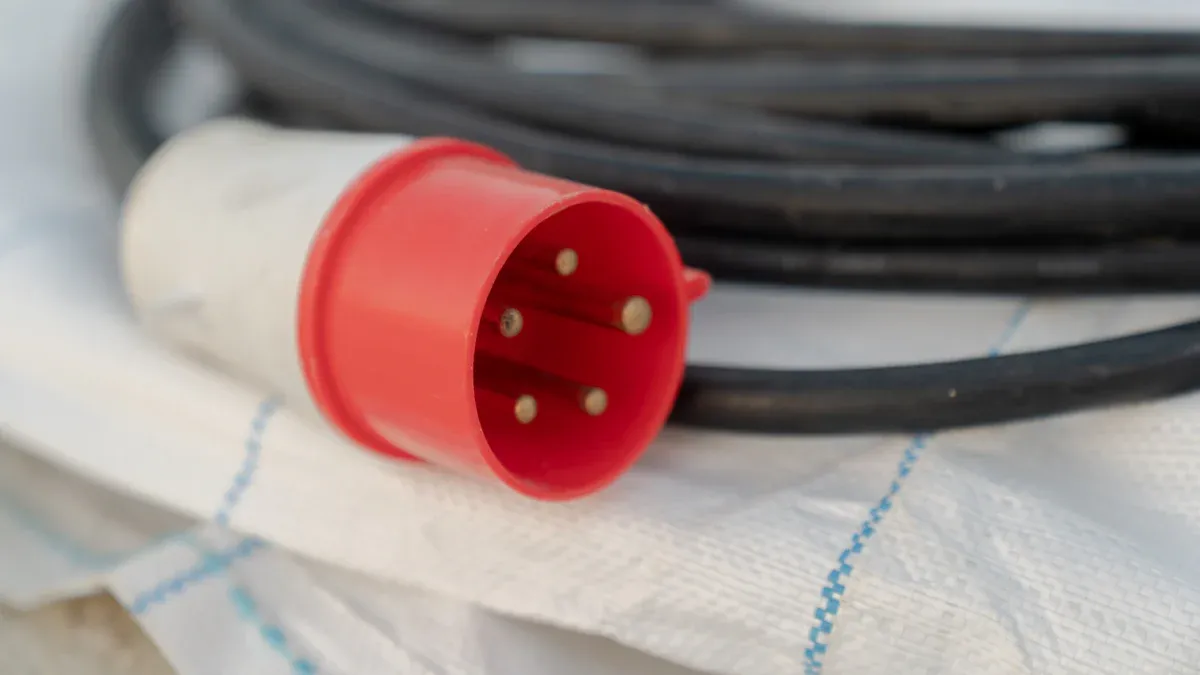
When you set up a solar power system, you will see different types of extension solar cable. Each type has a special purpose. Knowing the differences helps you choose the right cable for your needs.
Solar Extension Cable
Solar extension cables help you connect solar panels over longer distances. You can use these cables to reach from your solar panel to your charge controller or inverter. Most solar extension cables come with thick insulation. This protects the wires from sunlight, rain, and wind.
Tip: Always check the length and thickness of your solar extension cable. Longer cables need thicker wires to carry electricity safely.
You will find that solar extension cables often use copper for better conductivity. Some cables come with pre-attached connectors, making installation easier for you.
PV Extension Cable
PV extension cables are another type you will see in solar setups. PV stands for "photovoltaic," which means these cables work with solar panels. PV extension cables have special insulation. This insulation resists UV rays and harsh weather.
You can use PV extension cables for both home and commercial solar systems. These cables often meet strict safety standards. You should look for cables labeled as "PV1-F" or "solar-rated" to ensure quality.
Here is a quick comparison table to help you understand the different types of extension solar cable:
| Cable Type | Main Use | Special Feature |
|---|---|---|
| Solar Extension Cable | Extending panel connections | Thick insulation |
| PV Extension Cable | General solar panel wiring | UV and weather resistance |
| MC4 Extension Cable | Quick, secure connections | MC4 connectors attached |
MC4 Extension Cable
MC4 extension cables are very popular in solar systems today. MC4 refers to the type of connector at the ends of the cable. These connectors snap together easily. You do not need special tools to connect or disconnect them.
You can use MC4 extension cables to link panels together or connect panels to other equipment. The MC4 connectors keep water and dust out. This makes your solar system safer and more reliable.
Note: When you buy MC4 extension cables, make sure the connectors match your solar panels. This helps you avoid connection problems.
You will often see MC4 extension cables used in both small and large solar projects. They are part of the different types of extension solar cable you will need for a safe and efficient setup.
Uses and Selection of Extension Solar Cables
Common Uses in Solar Setups
You will use extension solar cables in many parts of your solar system. These cables help you connect solar panels to each other. You can also use them to link panels to a charge controller or inverter. Many people use extension cables to place panels farther apart for better sunlight. Some setups need longer cables to reach from the roof to the battery bank. You might also use these cables to connect portable solar panels when camping or traveling.
Tip: Always plan your cable layout before you start your solar project. This helps you avoid running out of cable or making unsafe connections.
Choosing the Right Length and Gauge
You need to pick the right length and thickness (gauge) for your extension solar cables. Longer cables lose more power, so you should use thicker cables for long runs. Most home solar systems use 10 AWG or 12 AWG cables. Shorter runs can use thinner cables, but always check your system’s needs. Measure the distance between your panels and other equipment before you buy cables.
Here is a simple table to help you choose:
| Distance (feet) | Recommended Gauge |
|---|---|
| 10-20 | 12 AWG |
| 20-50 | 10 AWG |
| 50+ | 8 AWG |
Selecting the Correct Connector Type
You must match the connector type to your solar panels and devices. Most modern systems use MC4 connectors. These connectors snap together and keep water out. Some older systems use different connectors, so check your equipment before buying cables. Using the correct connector helps you avoid loose or unsafe connections. You will find that the different types of extension solar cable often come with connectors already attached.
Note: Never force connectors that do not fit. This can damage your cables and cause safety problems.
Safe Connection and Installation Tips
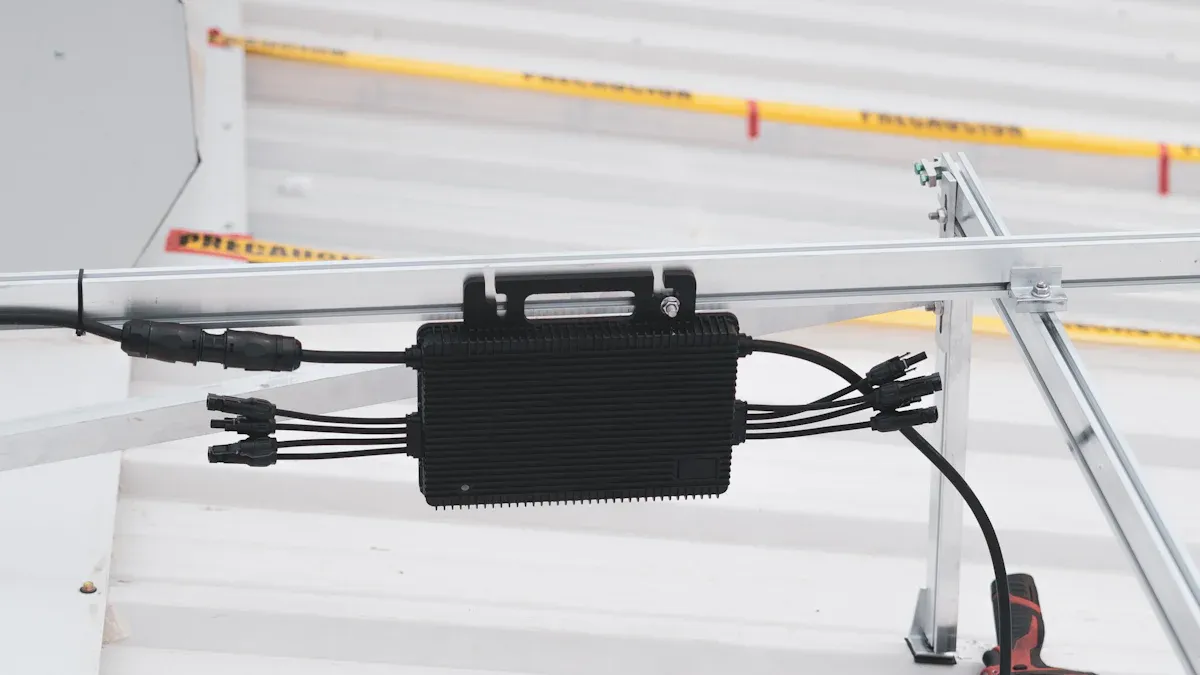
How to Connect and Disconnect Safely
You should always turn off your solar system before you connect or disconnect any cables. This step keeps you safe from electric shock. Make sure your hands are dry and you stand on a dry surface. Check the connectors for dirt or damage before you use them. If you see any cracks or broken parts, replace the cable right away.
To connect MC4 extension cables, push the connectors together until you hear a click. This sound means the connection is secure. To disconnect, press the tabs on the sides of the connectors and pull them apart. Never pull on the cable itself. Always grip the connector to avoid damaging the wire.
Tip:Use only your hands or a special Mc4 Tool for disconnecting. Do not use metal tools, as they can cause short circuits.
Installation Best Practices
Plan your cable layout before you start the installation. Measure the distance between your solar panels and other equipment. This step helps you choose the right cable length and reduces waste. Keep your cables away from sharp edges and hot surfaces. Use cable clips or ties to secure the wires neatly.
Check that all connections are tight and weatherproof. Loose connections can cause power loss or even fires. Label your cables if you have a large system. This practice makes future maintenance easier. You should also inspect your cables every few months for signs of wear.
Note: Following these best practices helps you get the most out of the different types of extension solar cable and keeps your solar system safe.
You now know the main terms: solar extension cable, PV extension cable, and MC4 extension cable. When you understand the different types of extension solar cable, you can choose the right one. This helps you keep your solar system safe and working well.
Remember: Using the correct cable and connectors keeps your system reliable.
FAQ
What is the difference between MC4 and PV extension cables?
MC4 extension cables have MC4 connectors attached. PV extension cables may not. You use MC4 cables for quick, secure connections. PV cables focus on weather resistance.
Can you use regular electrical wire for solar panels?
You should not use regular wire. Solar extension cables have special insulation. These cables handle sunlight and weather better than standard wires.
How long can your solar extension cable be?
You can use cables up to 100 feet. Longer cables need thicker wires. Always check for voltage drop to keep your system safe.