
 Send Email
 Whatsapp


What is the difference between solar AC and DC?
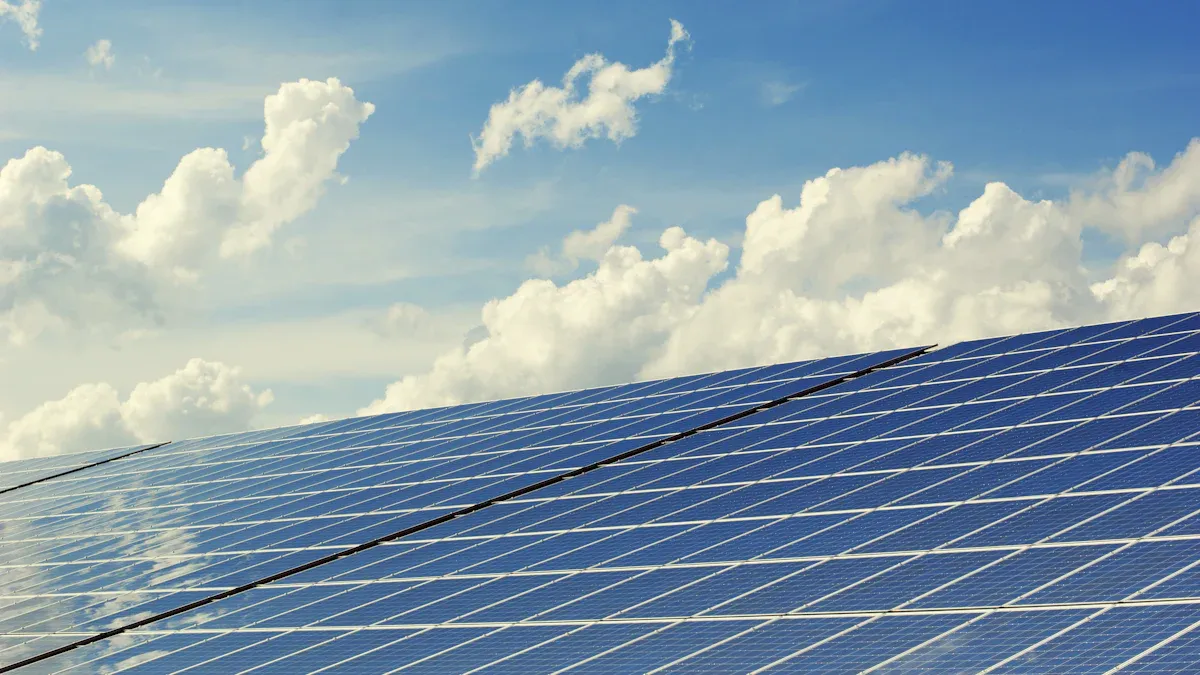
Electricity flows differently in AC and DC systems. AC alternates direction, while DC flows steadily in one direction. Solar panels produce DC electricity, but most homes use AC. That’s where inverters and components like a Solar Cable come in. Knowing these basics helps you choose the right solar setup for your needs.
Key Takeaways
- AC electricity moves back and forth. It works well for homes. It powers most appliances and connects easily to the power grid.
- DC electricity flows in one direction only. Solar panels make DC power, which is good for batteries and small devices.
- Picking AC or DC solar systems depends on your needs and money. AC systems are flexible for big setups. DC systems are simple and cheaper for smaller uses.
Understanding AC and DC Electricity

What is AC (Alternating Current)?
AC, or alternating current, is the type of electricity that flows back and forth in cycles. It changes direction multiple times per second. This is the electricity you use in your home for powering lights, appliances, and devices. The reason AC is so common is that it travels long distances efficiently. Power plants generate AC, and it’s distributed through the grid to homes and businesses.
Think about your wall outlets. They supply AC electricity because it’s easier to transmit and works well with most household appliances. The frequency of AC is measured in hertz (Hz), which tells you how many times the current changes direction in one second. In the U.S., for example, the standard frequency is 60 Hz.
What is DC (Direct Current)?
DC, or direct current, flows in one steady direction. It’s the type of electricity that batteries produce. Solar panels also generate DC electricity when they convert sunlight into energy. Unlike AC, DC doesn’t alternate; it moves in a straight line from the power source to the device.
You’ll find DC in devices like smartphones, laptops, and anything with a battery. Even though DC isn’t as efficient for long-distance transmission, it’s perfect for small electronics and renewable energy systems. In solar setups, DC electricity from the panels is converted to AC using an inverter so you can use it in your home.
Key Differences Between AC and DC
Here’s a quick comparison to help you understand the differences:
| Feature | AC (Alternating Current) | DC (Direct Current) |
|---|---|---|
| Flow Direction | Changes direction periodically | Flows in one steady direction |
| Source | Power plants, generators | Batteries, solar panels |
| Transmission | Efficient for long distances | Less efficient for long distances |
| Common Uses | Household appliances, grid power | Electronics, renewable energy |
Both AC and DC play important roles in modern energy systems. For solar setups, DC electricity from the panels is converted to AC for household use. Components like the solar cable ensure smooth energy transfer between these systems.
AC and DC in Solar Systems
The Role of DC in Solar Panels
Solar panels generate DC electricity. When sunlight hits the panels, it excites electrons, creating a steady flow of energy. This direct current is perfect for storing energy in batteries or powering devices that run on DC. You’ll find that DC is the foundation of any solar system because it’s what the panels naturally produce. Without DC, there’s no energy to convert or use.
The Role of Inverters in Solar Systems
Most of the appliances in your home run on AC electricity. That’s where inverters come into play. They take the DC electricity from your solar panels and convert it into AC. This conversion makes the energy usable for your lights, fridge, and other devices. Inverters are essential for connecting your solar system to your home’s electrical grid. Without them, the DC electricity from your panels would be incompatible with most household appliances.
AC Solar Panels vs. DC Solar Panels
AC solar panels come with built-in microinverters. These panels convert DC to AC right at the source. On the other hand, DC solar panels rely on a central inverter to handle the conversion. AC panels are easier to install and maintain, but DC panels are more cost-effective. Your choice depends on your budget and energy needs.
The Importance of Solar Cable in Solar Systems
A solar cable connects the components of your solar system. It transfers electricity from the panels to the inverter and then to your home. High-quality solar cables ensure efficient energy flow and reduce power loss. They’re designed to handle the unique demands of solar systems, like exposure to sunlight and weather. Choosing the right solar cable is crucial for a reliable and long-lasting setup.
Comparing Solar AC and DC

Advantages of DC in Solar Systems
DC electricity has some clear benefits when it comes to solar systems. First, solar panels naturally produce DC power, so there’s no need for conversion if you’re storing energy in batteries. This makes DC systems more efficient for off-grid setups. You’ll also find that DC systems are simpler and often cost less to install since they don’t require as many components.
Another advantage is that DC works well with small electronics and devices. If you’re powering gadgets like LED lights or charging batteries, DC is the way to go. Plus, DC systems tend to lose less energy during transmission over short distances. This means you get more out of the electricity your panels generate.
Advantages of AC in Solar Systems
AC electricity is what most homes and businesses use. This makes AC solar systems incredibly versatile. With an inverter, you can power almost any appliance or device in your home. AC systems also integrate easily with the electrical grid, allowing you to sell excess energy back to your utility company.
Another big plus is the ability to transmit AC over long distances with minimal energy loss. If you’re connecting your solar system to a grid or a remote location, AC is the better choice. AC solar panels with built-in microinverters also simplify installation and maintenance.
Disadvantages of AC and DC in Solar Systems
Both AC and DC systems have their downsides. DC systems can be less practical for homes because most appliances run on AC. You’ll need an inverter, which adds to the cost and complexity. DC also struggles with energy loss over long distances, making it less ideal for large-scale setups.
On the other hand, AC systems rely heavily on inverters, which can fail or require maintenance. The conversion process from DC to AC also results in some energy loss. Additionally, AC systems often need high-quality components, like a solar cable, to ensure efficient energy transfer. This can increase the overall cost of the system.
Choosing Between Solar AC and DC Systems
Factors to Consider: Energy Needs, Budget, and Complexity
When deciding between solar AC and DC systems, you need to think about your energy needs first. Are you powering a small off-grid cabin or a large home connected to the grid? DC systems work well for smaller setups, especially if you’re storing energy in batteries. For larger homes or businesses, AC systems are often more practical since they integrate easily with the grid.
Budget is another big factor. DC systems tend to cost less upfront because they don’t require as many components. However, if you’re planning to use AC appliances, you’ll need an inverter, which adds to the cost. AC systems, while more expensive, offer flexibility and compatibility with most household devices.
Finally, consider the complexity of installation and maintenance. DC systems are simpler but may require specialized components like a solar cable for efficient energy transfer. AC systems, especially those with microinverters, can be easier to manage but might need more maintenance over time.
Solar AC and DC systems differ in how electricity flows and how they’re used. Solar panels generate DC power, but most appliances need AC. That’s why inverters are essential.
Choosing between AC and DC depends on your energy needs, budget, and setup preferences. Both options have unique benefits, so understanding them helps you make smarter decisions.
FAQ
What’s the difference between AC and DC solar panels?
AC panels have built-in microinverters that convert electricity directly on the panel. DC panels rely on a central inverter for conversion. AC panels are easier to install.
Do solar panels work without an inverter?
Yes, but only for DC-powered devices or battery storage. To power household appliances, you’ll need an inverter to convert the DC electricity into AC.
Can you mix AC and DC in one solar system?
Yes, hybrid systems combine AC and DC. They use inverters to manage the conversion, allowing you to store energy in batteries and power your home efficiently.
💡 Tip: Always consult a professional when designing a hybrid solar system to ensure compatibility and safety.