
 Send Email
 Whatsapp


Why Photovoltaic Connectors Matter for Solar Panels
Why Photovoltaic Connectors Matter for Solar Panels
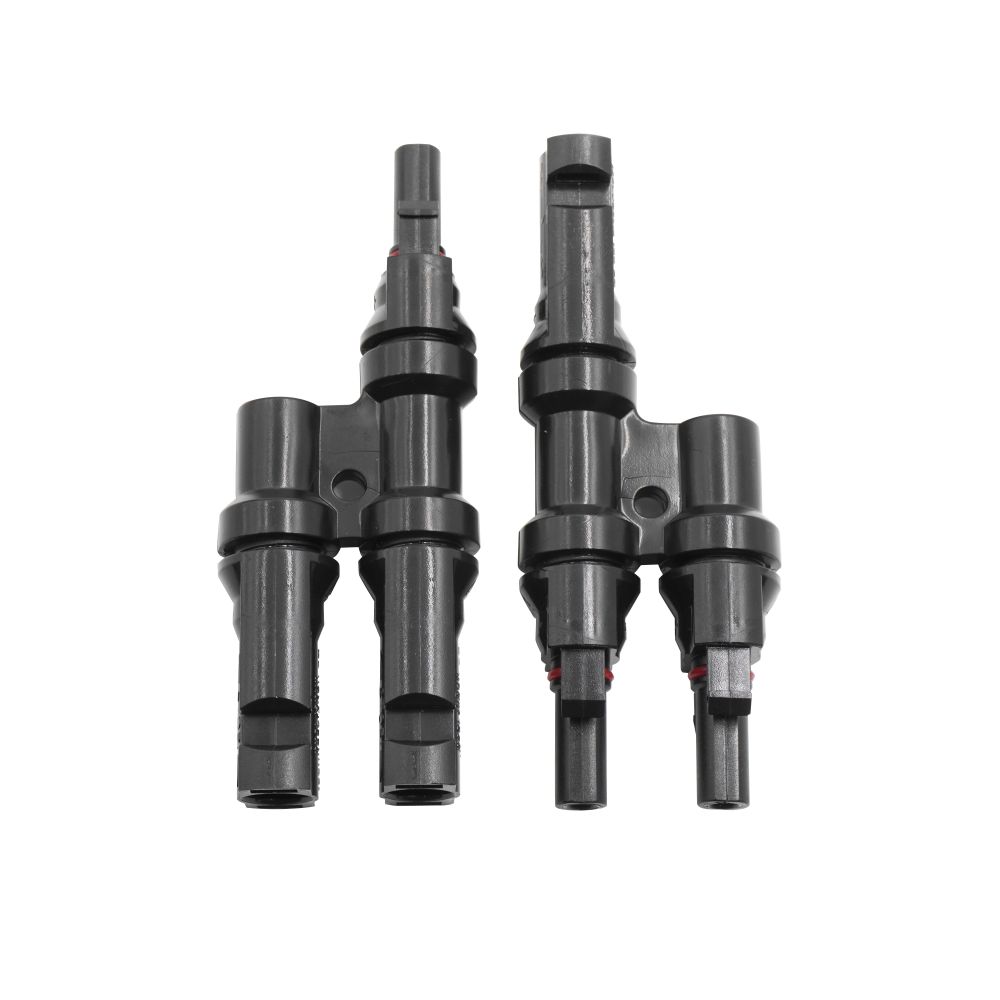
Photovoltaic connectors play a vital role in solar panel systems. They ensure smooth energy transfer, system reliability, and safety. Without them, your solar panels cannot perform at their best. High-quality options, like the Photovoltaic connector Three-way solar photovoltaic panel module two-manifold T-connector 1000v adapter, improve energy efficiency and reduce power loss. These connectors also protect your system from wear and tear, extending its lifespan. By choosing the right connector, you can maximize the performance of your solar installation and enjoy long-term benefits.
Key Takeaways
- Photovoltaic connectors are essential for efficient energy transfer, ensuring that your solar panels operate at peak performance.
- Choosing high-quality connectors, like the Three-way solar photovoltaic panel module T-connector, minimizes energy loss and enhances overall system efficiency.
- Reliable connectors protect your solar system from electrical faults and environmental damage, promoting safety and longevity.
- Investing in durable connectors reduces maintenance costs and extends the lifespan of your solar installation.
- Always ensure compatibility between connectors and your solar system to maximize performance and prevent inefficiencies.
- Look for industry certifications when selecting connectors to guarantee safety and compliance with regulations.
- Consulting with solar installation professionals can help you choose the best connectors for your specific needs, ensuring optimal performance.
What Are Photovoltaic Connectors?
Definition and Function
What are photovoltaic connectors?
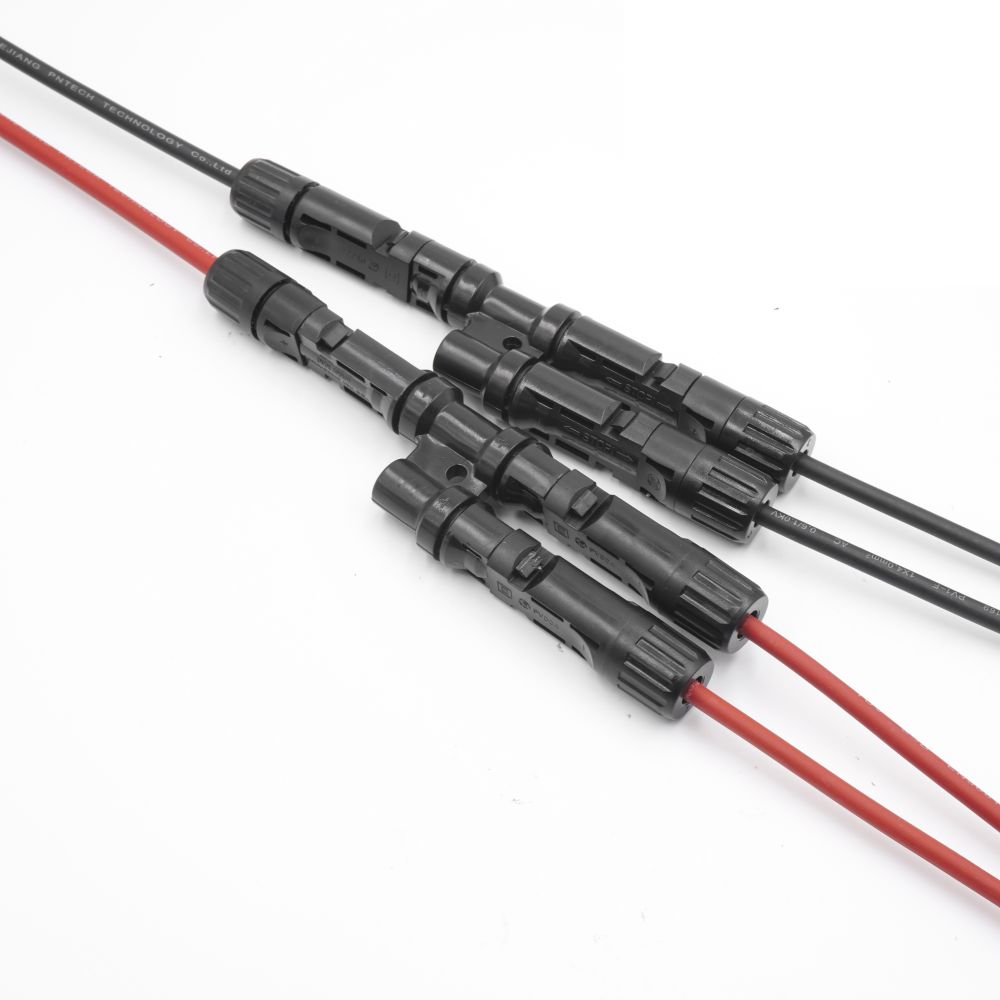
Photovoltaic connectors are specialized components that link solar panels to the rest of your solar energy system. These photovoltaic connectors ensure a secure and efficient transfer of electricity generated by the panels.
How do they work in a solar panel system?
Photovoltaic connectors work by creating a tight and stable connection between solar panels and other system components. They prevent energy loss during transmission by minimizing resistance. Most connectors use a locking mechanism to ensure a firm attachment, which reduces the risk of accidental disconnections. High-quality connectors also protect against environmental factors like dust, water, and extreme temperatures. This protection ensures that your solar system operates efficiently and safely over time.
Types of Photovoltaic Connectors
Common types used in solar systems
Several types of photovoltaic connectors are available for solar systems. The most commonly used type is the MC4 connector, known for its reliability and ease of use. These solar panel connectors are compatible with most solar panels and cables, making them a popular choice for residential and commercial installations.
Features of the Photovoltaic connector Three-way solar photovoltaic panel module two-manifold T-connector 1000v adapter
The Photovoltaic connector Three-way solar photovoltaic panel module two-manifold T-connector 1000v adapter stands out for its advanced design and functionality. It supports a rated voltage of DC 1000V and a current capacity of 30A, making it suitable for modern solar systems. Its three-way configuration allows you to connect multiple panels efficiently, reducing installation time. The connector is made from high-strength PPO insulating material, which offers excellent heat resistance and durability. Its IP65 protection level ensures that it remains waterproof and dustproof, even in harsh outdoor conditions. Additionally, the secure buckle lock mechanism prevents accidental disconnections, enhancing the safety and reliability of your solar installation.
Why Are Photovoltaic Connectors Essential?
Ensuring Energy Efficiency
Minimizing energy loss during transmission
Photovoltaic connectors play a critical role in reducing energy loss. When electricity flows from your solar panels to other components, poor connections can cause resistance.
Supporting optimal power output
Efficient connectors allow your solar panels to deliver their maximum power output. A secure connection ensures that the energy generated by your panels reaches the inverter without interruptions. This consistency helps your system operate at its peak capacity. With reliable connectors, you can achieve better energy production, which translates into greater savings on your energy bills. Choosing the right connectors ensures that your solar installation performs as intended.
Enhancing System Safety
Preventing electrical faults and hazards
Safety is a top priority in any solar installation. Poor-quality connectors can lead to electrical faults, such as short circuits or overheating. These issues pose serious risks to your system and property. Photovoltaic connectors are designed to prevent such hazards. For example, the Photovoltaic connector Three-way solar photovoltaic panel module two-manifold T-connector 1000v adapter features a secure locking mechanism. This design reduces the risk of loose connections, which are a common cause of electrical problems. By using reliable connectors, you protect your system from potential dangers.
Ensuring secure and stable connections
High-quality connectors also offer protection against environmental factors, such as moisture or dust, which can compromise safety.
Promoting Durability and Longevity
Protecting against environmental factors
Solar installations often face harsh outdoor conditions. Exposure to rain, dust, and extreme temperatures can damage system components. Photovoltaic connectors shield your system from these elements. For instance, the Photovoltaic connector Three-way solar photovoltaic panel module two-manifold T-connector 1000v adapter features an IP65 protection level. This waterproof and dustproof design ensures that your connections remain intact, even in challenging environments. By protecting your system, these connectors enhance its durability.
Reducing wear and tear on system components
Reliable connectors reduce the strain on your solar system. Poor connections can cause fluctuations in energy flow, which increases wear and tear on components. Over time, this can lead to premature failures and costly repairs. High-quality connectors maintain a consistent energy flow, reducing stress on your system. This consistency helps extend the lifespan of your solar installation. By choosing durable connectors, you minimize maintenance needs and enjoy long-term reliability.
Key Benefits of High-Quality Photovoltaic Connectors
Improved Performance
Maximizing energy transfer efficiency
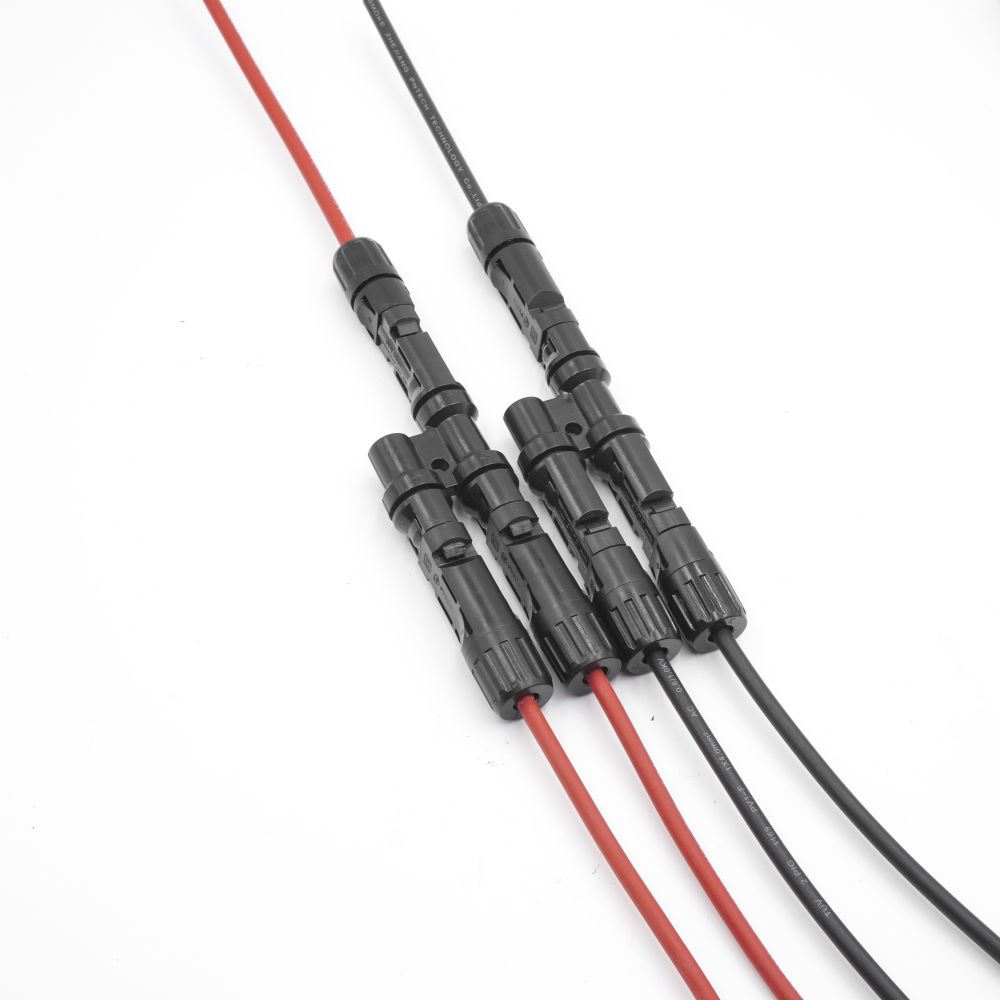
High-quality photovoltaic connectors ensure that the energy generated by your solar panels flows efficiently to the rest of your system. Poor connections can create resistance, which wastes energy and reduces overall efficiency. Reliable connectors, such as the Photovoltaic connector Three-way solar photovoltaic panel module two-manifold T-connector 1000v adapter, minimize resistance.
Supporting high-performance solar systems
With connectors designed for modern solar systems, like the Photovoltaic connector Three-way solar photovoltaic panel module two-manifold T-connector 1000v adapter, you can achieve high performance and reliable energy output.
Reduced Energy Loss
Importance of low-resistance connections
Energy loss occurs when resistance disrupts the flow of electricity. Low-resistance connections are essential for reducing this loss. High-quality photovoltaic connectors create tight and secure links between components, minimizing resistance. This ensures that more of the energy your panels generate reaches your inverter or battery storage. By choosing connectors with advanced designs, you can reduce energy waste and improve the efficiency of your solar system.
Impact on overall system output
Energy loss directly affects the output of your solar system. Poor connections can lower the amount of usable electricity your system produces. High-quality connectors prevent this issue by maintaining a smooth and uninterrupted energy flow. For example, the Photovoltaic connector Three-way solar photovoltaic panel module two-manifold T-connector 1000v adapter is designed to handle high voltage and current levels efficiently. This helps your system deliver consistent and reliable power, maximizing its overall output.
Enhanced System Longevity
Durability under harsh weather conditions
Solar installations often face challenging outdoor environments. Rain, dust, and extreme temperatures can damage system components over time. High-quality photovoltaic connectors are built to withstand these conditions. For instance, the Photovoltaic connector Three-way solar photovoltaic panel module two-manifold T-connector 1000v adapter features an IP65 protection level. This ensures that your connections remain waterproof and dustproof, even in harsh weather. Durable connectors protect your system from environmental wear, extending its lifespan.
Reduced maintenance and replacement costs
Reliable connectors reduce the need for frequent maintenance and replacements. Poor-quality connections can cause wear and tear on your system, leading to costly repairs. High-quality connectors maintain stable energy flow, which minimizes stress on other components. This reduces the likelihood of failures and extends the life of your solar installation. By investing in durable connectors, you save money on maintenance and enjoy long-term reliability.
Common Issues Without Proper Connectors
Energy Inefficiency
Increased energy loss due to poor connections
Poor-quality or improper connectors can lead to significant energy loss in your solar system. When connections are loose or unstable, resistance increases. This resistance wastes the electricity your solar panels generate. You may notice a drop in the overall efficiency of your system. Over time, this energy loss can add up, reducing the financial and environmental benefits of your solar installation.
Reduced system output and performance
Unreliable connectors can prevent your solar panels from delivering their full potential. Weak connections disrupt the flow of electricity, which lowers the output of your system. This reduced performance means your solar panels cannot produce the energy you need. By using substandard connectors, you risk compromising the effectiveness of your entire solar setup.
Safety Risks
Potential for electrical faults and fires
Improper connectors increase the risk of electrical faults. Loose or poorly designed connectors can cause short circuits, overheating, or even sparks. These issues create serious safety hazards, including the potential for fires. Protecting your property and ensuring the safety of your solar system requires high-quality connectors that meet industry standards.
Risks of improper or loose connections
Loose connections can lead to dangerous situations. They may cause intermittent power flow, which stresses your system and increases the likelihood of malfunctions. Improperly installed connectors can also disconnect unexpectedly, exposing live wires. This poses a risk to both your equipment and anyone near the system. Secure and reliable connectors are essential for maintaining a safe solar installation.
System Failures
Increased wear and tear on components
Poor connectors put extra strain on your solar system. Fluctuations in energy flow caused by unstable connections accelerate wear and tear on components. This added stress can damage your inverter, battery, or other parts of your system. Over time, these issues lead to higher maintenance costs and more frequent repairs.
Shortened lifespan of the solar system
Using low-quality connectors can significantly reduce the lifespan of your solar installation. The constant strain on components caused by poor connections leads to premature failures. Instead of enjoying decades of reliable energy, you may face costly replacements much sooner. Investing in proper connectors ensures that your solar system lasts as long as possible, providing you with maximum value and performance.
How to Choose the Right Photovoltaic Connectors
Factors to Consider
Quality and durability of materials
When selecting photovoltaic connectors, prioritize quality and durability. Choosing photovoltaic connectors ensures that your connectors can withstand harsh environmental conditions.
Compatibility with your solar system
Ensure that the connectors you choose are compatible with your solar system. Check the voltage and current ratings of the connectors to match your system's requirements. Incompatible connectors can lead to energy loss or system inefficiencies. For example, if your system uses MC4-compatible components, select connectors designed to integrate seamlessly with them. Compatibility guarantees smooth energy transfer and reliable operation.
Importance of Certifications
Industry standards and safety certifications
Look for connectors certified by organizations like TÜV or UL. These certifications ensure that the product has undergone rigorous testing. Certified connectors provide peace of mind, as they meet the necessary safety certifications and quality benchmarks.
Ensuring compliance with regulations
Using certified connectors helps you comply with local and international regulations. Many regions have strict guidelines for solar installations. Non-compliant connectors can lead to legal issues or system failures. By choosing connectors that meet regulatory standards, you ensure the safety and reliability of your solar setup. Compliance also protects your investment and enhances the overall efficiency of your system.
Tips for Selecting Reliable Connectors
Researching trusted brands and manufacturers
Start by researching reputable brands and manufacturers. Trusted companies often have a proven track record of delivering high-quality products. Read customer reviews and testimonials to gauge the performance of their connectors. Brands like Pntech offer reliable options designed for modern solar systems. Investing in connectors from a trusted source ensures durability and efficiency.
Consulting with solar installation professionals
Seek advice from solar installation professionals when choosing connectors. Experts can recommend the best options based on your system's specifications. They can also help you avoid common pitfalls, such as selecting incompatible or low-quality connectors. Professional guidance ensures that you make an informed decision, maximizing the performance and longevity of your solar installation.
Photovoltaic connectors play a crucial role in ensuring your solar panel system operates efficiently and safely. High-quality options, like the Photovoltaic connector Three-way solar photovoltaic panel module two-manifold T-connector 1000v adapter, enhance energy transfer and protect your system from potential hazards. They also extend the lifespan of your installation by reducing wear and tear. Choosing the right connectors allows you to maximize your system’s performance and reliability. By investing in dependable connectors, you secure long-term benefits for your solar energy setup.
FAQ
What are photovoltaic connectors used for?
Photovoltaic connectors link link solar panels to other components in your solar energy system.
How do I know if a connector is compatible with my solar system?
Check the voltage and current ratings of the connector. Ensure these match your system's requirements. Look for compatibility with standard components like MC4 connectors. If unsure, consult your solar installation professional for guidance.
Why is the quality of photovoltaic connectors important?
High-quality connectors reduce energy loss and improve system efficiency.
Can I install photovoltaic connectors myself?
You can install connectors if you have experience with solar systems. However, improper installation can lead to safety risks or system inefficiencies. For best results, seek help from a certified solar installation expert.
What makes the Pntech Photovoltaic Connector unique?
The Pntech Photovoltaic Connector offers advanced features like a three-way configuration and a secure buckle lock mechanism. It provides IP65 protection, ensuring waterproof and dustproof performance. Its durable PPO material resists heat and wear, making it ideal for outdoor use.
How do photovoltaic connectors improve energy efficiency?
These connectors minimize resistance in energy transfer. A tight and stable connection ensures that more electricity flows from your solar panels to the inverter or battery. This reduces energy loss and boosts overall system output.
Are photovoltaic connectors safe for outdoor use?
Yes, most high-quality connectors are designed for outdoor conditions. For example, the Pntech Photovoltaic Connector features IP65 protection. This ensures resistance to water, dust, and environmental wear, making it reliable in harsh weather.
How often should I replace photovoltaic connectors?
Replacement depends on the quality of the connectors and environmental conditions. High-quality options, like the Pntech Photovoltaic Connector, can last for decades. Regular inspections help identify wear or damage, ensuring timely replacements when needed.
What certifications should I look for in photovoltaic connectors?
Look for certifications like TÜV or UL. These indicate that the connectors meet industry standards for safety and performance. Certified connectors ensure compliance with regulations and provide reliable operation.
Can using poor-quality connectors damage my solar system?
Yes, poor-quality connectors can cause energy loss, electrical faults, and system inefficiencies. They may also lead to wear and tear on components, shortening the lifespan of your solar installation. Investing in high-quality connectors prevents these issues and protects your system.