
 Send Email
 Whatsapp


Why TUV-Certified PV Cables Matter for Solar Installations
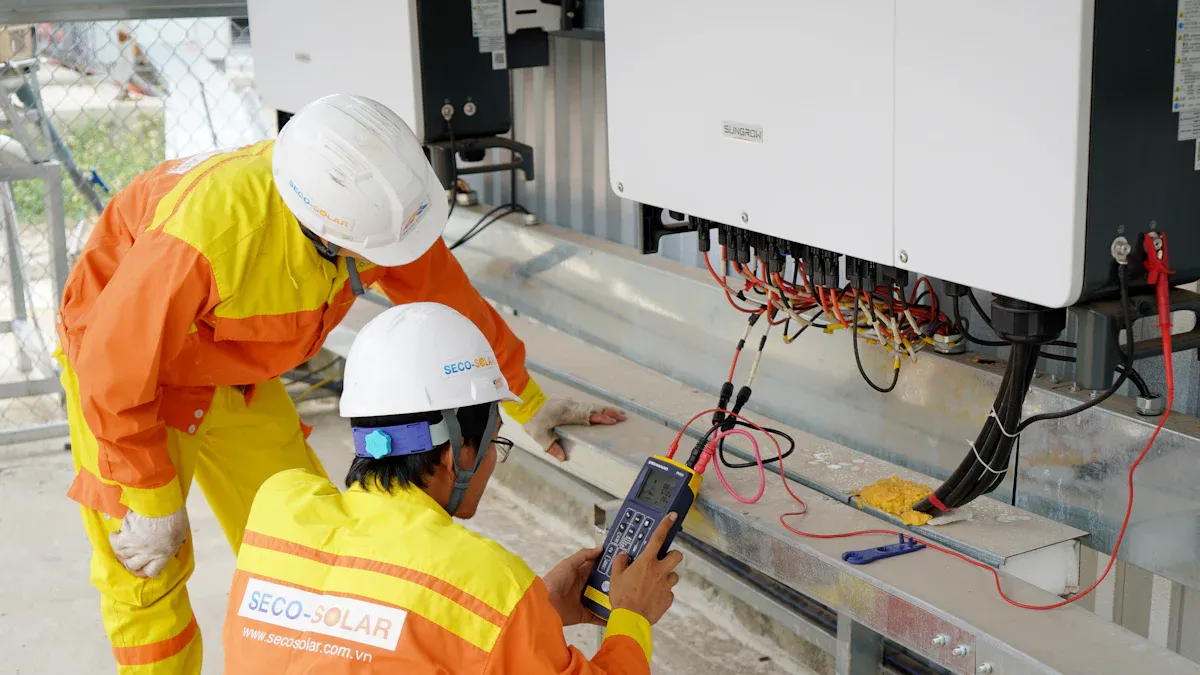
TUV-certified PV cables are fundamental for the safety of solar installations. They ensure the long-term efficiency and reliability of solar energy systems. Prioritizing quality cables, like a Solar Cable TUV, protects your solar investment. A ssolar cable TUV also extends the operational lifespan of the system.
Key Takeaways
- TUV-certified cables make solar systems safe. They stop electrical fires and keep your system working well for a long time.
- These special cables help your solar panels make the most electricity. They also protect your money by making sure your solar system lasts.
- Using cables without TUV certification is risky. They can cause fires, make your system work poorly, and cost you more money later.
What TUV Certification Means for Solar Cable Quality
Rigorous Electrical Safety and Fire Resistance
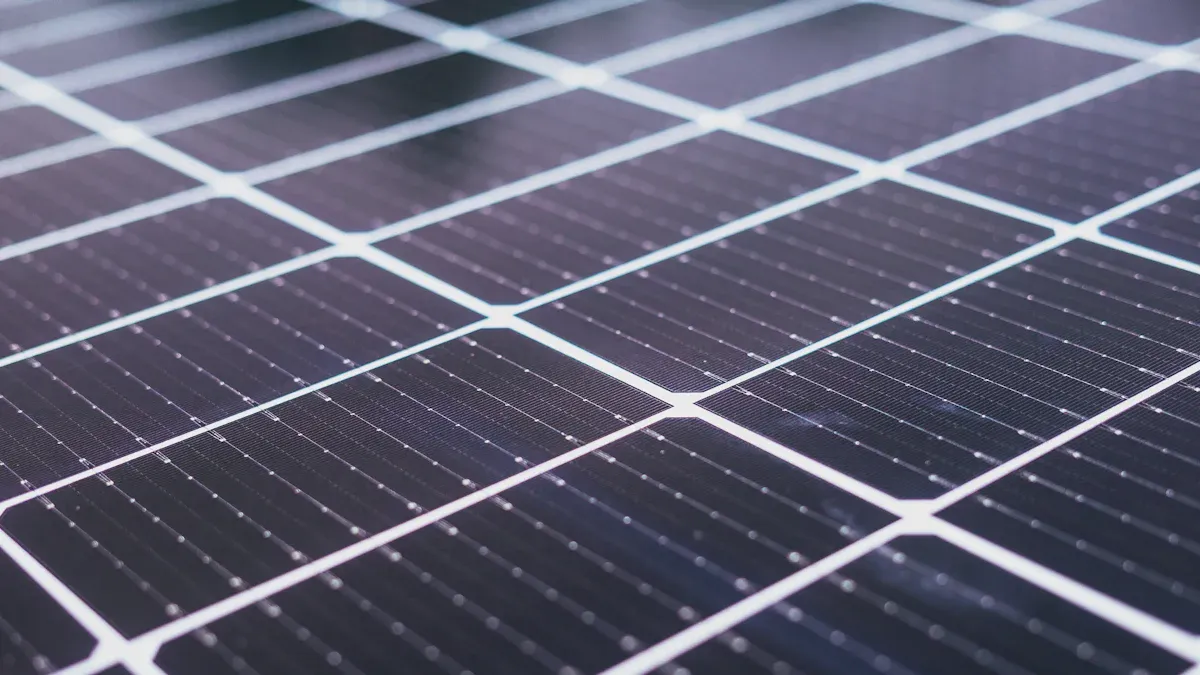
TUV certification involves strict testing for electrical safety. These tests ensure cables handle high voltages without failure. Manufacturers subject cables to extreme conditions to verify insulation integrity. Furthermore, TUV certification confirms a cable's fire resistance. Certified cables resist flame spread and produce minimal smoke in a fire. This significantly reduces fire hazards in solar installations.
Unmatched Mechanical Durability and Environmental Resilience
TUV certification guarantees exceptional mechanical durability. Cables undergo tests for tensile strength, abrasion resistance, and impact resistance. This ensures they withstand physical stress during installation and operation. TUV also verifies environmental resilience. Certified cables resist UV radiation, extreme temperatures, and moisture. They maintain performance in harsh outdoor environments for many years. This protection prevents premature cable degradation.
Compliance with International Standards for Solar Cable TUV
TUV certification signifies compliance with global industry standards. It ensures that a solar cable TUV meets specific performance and safety benchmarks. These standards include requirements for material quality, construction, and electrical properties. Adherence to these international norms guarantees reliability and interoperability. When a solar cable TUV carries this certification, it assures users of its quality and suitability for solar energy systems worldwide.
The Indispensable Benefits of TUV-Certified Solar Cables
Safeguarding Against Electrical Hazards and System Failures
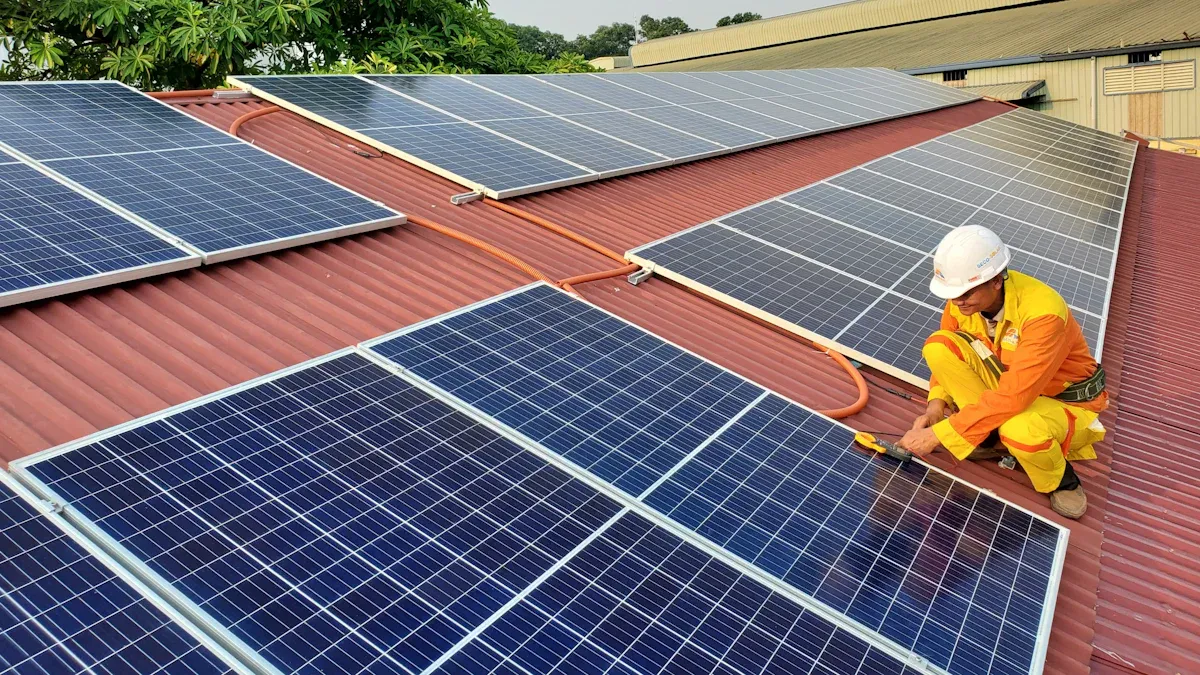
TUV-certified cables significantly enhance safety within solar installations. They actively prevent electrical hazards such as short circuits and ground faults. Rigorous testing ensures the integrity of their insulation. This robust insulation effectively stops current leakage. It also minimizes the risk of dangerous arc faults. fire hazard Arc faults can ignite fires, posing serious threats. Certified cables protect both personnel and property from these electrical dangers. They ensure the solar system operates safely and reliably for its entire lifespan.
Maximizing Energy Yield and System Performance
High-quality cables are crucial for efficient energy transfer in any solar array. TUV-certified cables minimize energy loss within the system. They feature low electrical resistance. This characteristic reduces voltage drop across the entire array. Less voltage drop means more generated power reaches the inverter. Consequently, the solar system produces more usable electricity. This maximizes the overall energy yield. It ensures consistent and efficient performance for many years. Investors therefore achieve a better return on their solar investment.
Protecting Your Long-Term Solar Investment
Investing in TUV-certified cables secures your solar investment for the long term. These cables offer exceptional durability and resilience. They effectively resist harsh environmental conditions. This includes intense UV radiation, extreme temperatures, and moisture. The cables do not degrade prematurely under these stresses. This reduces the need for costly repairs or replacements over time. A reliable solar cable TUV ensures the system's longevity. It maintains optimal performance throughout its entire operational life. This protects the financial value of the solar installation. It also often supports warranty validity from equipment manufacturers.
The Critical Risks of Non-Certified PV Cables
Compromised Safety and Potential Fire Hazards
Non-certified PV cables pose significant safety risks to solar installations. These cables often lack the rigorous testing and quality assurance of their certified counterparts. Their insulation quality proves inferior, making it susceptible to breakdown under various stresses. Environmental factors like intense UV radiation, extreme temperatures, and mechanical strain accelerate this degradation. Insulation failure leads directly to dangerous electrical faults, including short circuits and ground faults. fire hazard A major concern involves arc faults. These events generate intense heat, easily igniting surrounding materials and causing severe fires. Non-certified cables typically do not meet essential fire resistance standards. They can propagate flames quickly and produce toxic smoke, endangering both property and personnel.
Reduced Efficiency and Premature System Degradation
Using non-certified cables directly impacts a solar system's operational efficiency and lifespan. These cables often exhibit higher electrical resistance compared to TUV-certified options. Higher resistance causes greater energy loss during power transmission from the panels to the inverter. This results in a noticeable voltage drop across the entire array. Consequently, the inverter receives less power than the panels generate, significantly reducing the system's overall energy yield. Furthermore, manufacturers often use substandard materials in non-certified cables. These materials degrade rapidly when exposed to harsh outdoor conditions. They become brittle, crack, and lose their insulating properties prematurely. This degradation shortens the operational lifespan of the entire solar array and leads to a steady decline in system performance over time.
Financial Losses and Warranty Invalidations
The initial cost savings from non-certified PV cables often lead to substantial financial losses in the long run. System failures or performance issues stemming from these cables necessitate costly repairs and replacements. Property owners incur significant expenses for labor and new materials. Reduced energy production due to inefficient cables also translates directly into lost revenue for the system owner. financial loss Many reputable solar equipment manufacturers require the use of certified components to maintain product warranties. Installing non-certified cables frequently voids warranties on other critical system components, such as solar panels and inverters. This leaves the system owner fully responsible for all repair and replacement costs, negating any perceived initial savings and severely impacting the return on investment.
TUV-certified PV cables are a non-negotiable component for secure and efficient solar installations. Investing in these certified cables directly ensures the safety, performance, and longevity of your solar system. Prioritizing a high-quality solar cable TUV is crucial for the sustainable future of solar energy. This choice protects your investment. solar energy
FAQ
What does TUV certification mean for PV cables?
TUV certification verifies PV cables meet strict safety, performance, and quality standards. It ensures reliability and durability for solar installations. protection
How do TUV-certified cables improve solar system safety?
They prevent electrical hazards like short circuits and arc faults. Their fire-resistant properties protect against potential fires, safeguarding property and personnel. fire hazard
Will using non-certified cables void my solar warranty?
Many manufacturers require certified components. Using non-certified cables often invalidates warranties on other system parts, leading to financial risks. financial loss
