
 Send Email
 Whatsapp


best solar cable for solar system
best solar cable for solar system
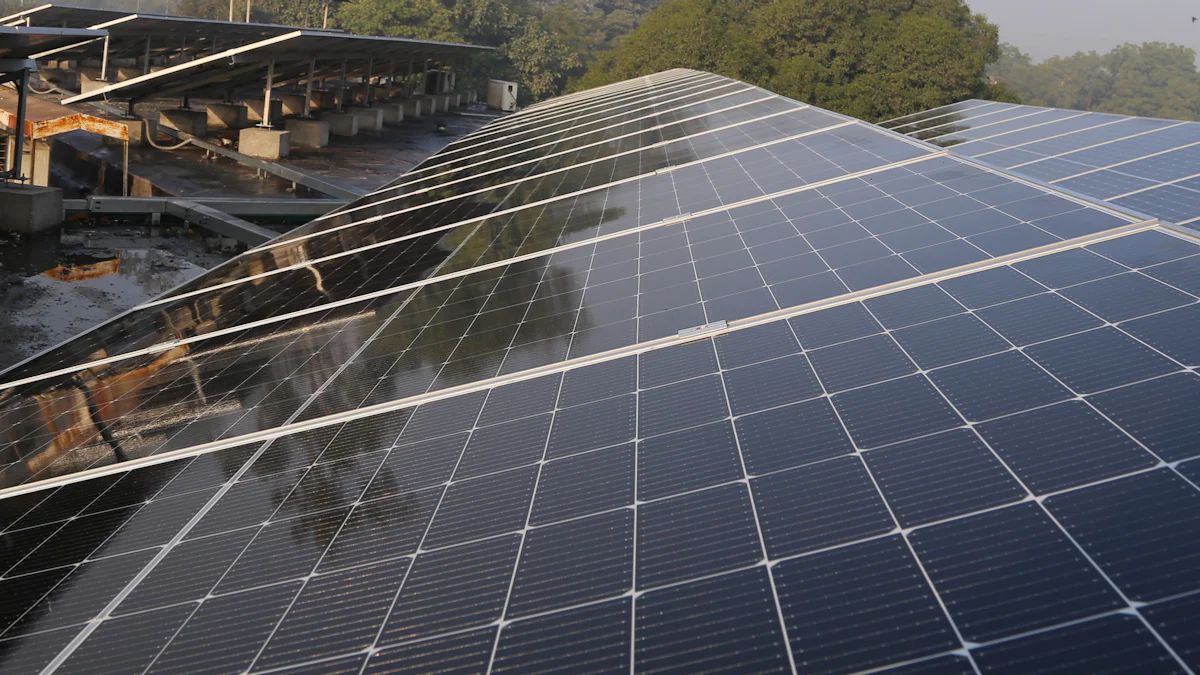
When it comes to building a reliable solar system, choosing the right Solar Cable is essential. PV wires and USE-2 wires stand out for their durability and ability to handle tough outdoor conditions. These cables resist UV damage and last for decades. PV1-F solar cables, available in 4mm² and 6mm² sizes, work perfectly for most residential and commercial setups. They ensure safety and efficiency while supporting your system’s performance for over 25 years. With the right cable, you can maximize your solar investment and enjoy long-term peace of mind.
Key Takeaways
- Choosing the right solar cable, such as H1Z2Z2-K or Iec 62930, is crucial for ensuring the durability and efficiency of your solar system.
- Understand the differences between DC and AC cables to select the appropriate type for your solar setup, ensuring optimal energy transfer.
- Prioritize features like UV resistance, water protection, and temperature tolerance when selecting solar cables to enhance their longevity.
- Regularly inspect and maintain your solar cables to catch potential issues early, ensuring your system operates efficiently for years.
- Use proper installation practices, such as avoiding sharp bends and securing cables, to prevent damage and ensure reliable performance.
- Always check for certifications like UL and IEC to ensure the cables meet industry safety and performance standards.
Types of Solar Cables
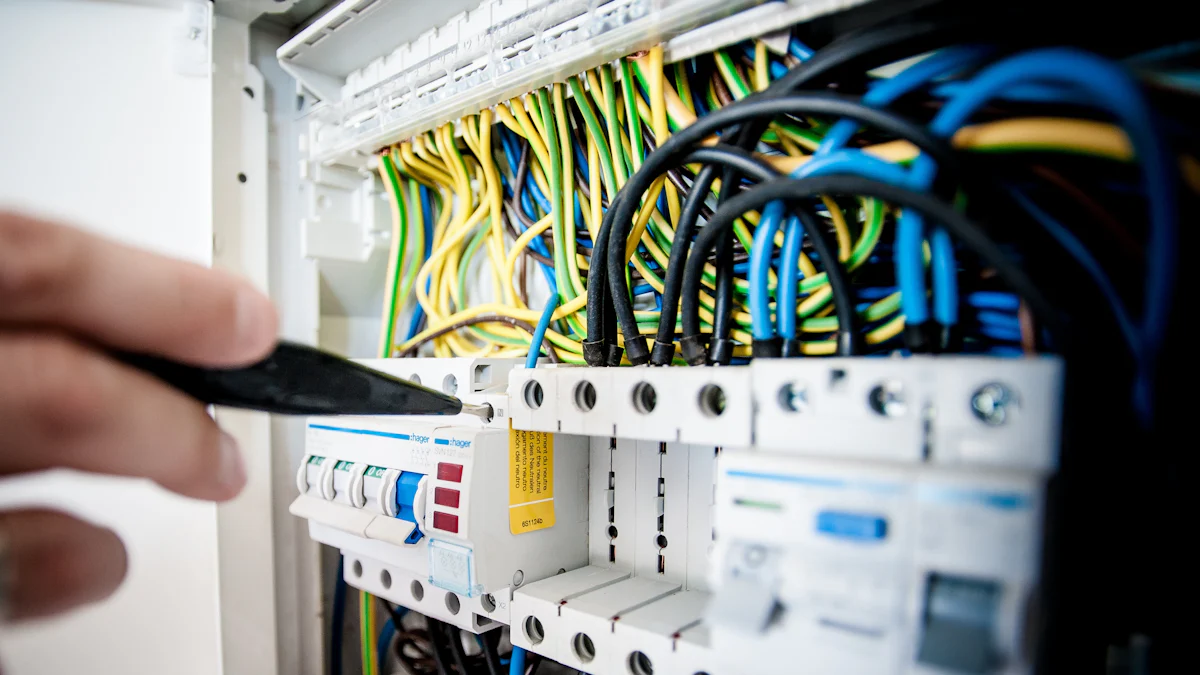
When setting up your solar system, understanding the different types of cables is crucial. Each type serves a specific purpose and ensures your system operates efficiently and safely. Let’s break down the main categories of solar cables.
PV Cables
PV cables are the backbone of any solar system. They connect your solar panels to the inverter and other components, ensuring smooth energy transfer. These cables are designed to handle high voltages and resist harsh outdoor conditions.
Single-core PV cables
Single-core PV cables are the most common choice for solar installations. They consist of a single conductor, making them lightweight and easy to install. These cables are perfect for connecting individual solar panels in a series. Their insulation provides excellent protection against UV rays, moisture, and extreme temperatures.
Multi-core PV cables
Multi-core PV cables contain multiple conductors within a single sheath. They are ideal for more complex setups where multiple connections are needed. These cables save space and reduce clutter, making them a great option for larger systems. Their robust design ensures durability and long-term performance.
DC Cables vs. AC Cables
Solar systems use both DC (direct current) and AC (alternating current) cables. Knowing the difference helps you choose the right cable for each part of your system.
Differences in usage
DC cables carry electricity from your solar panels to the inverter. They handle high voltages and must be well-insulated to prevent energy loss. AC cables, on the other hand, transport electricity from the inverter to your home or the grid. These cables are designed to handle lower voltages and are often more flexible.
When to use each type
Use DC cables for the connection between your solar panels and the inverter. For the connection between the inverter and your home’s electrical system, opt for AC cables. Choosing the correct cable type ensures efficient energy transfer and reduces the risk of electrical issues.
Other Specialized Solar Cables
In addition to PV, DC, and AC cables, some specialized cables play a vital role in your solar system.
Battery cables
Battery cables connect your solar system to a battery bank. These cables are thicker and designed to handle high currents. They ensure safe and efficient energy storage, which is essential for off-grid systems or backup power setups.
Grounding cables
Grounding cables protect your solar system from electrical surges and faults. They provide a safe path for excess electricity to flow into the ground, reducing the risk of damage to your equipment. Proper grounding is a critical safety measure for any solar installation.
By understanding these cable types, you can make informed decisions and ensure your solar system runs smoothly. Each cable type has its unique role, and selecting the right one is key to maximizing your system’s performance.
Key Features to Look For
When choosing a solar cable, you need to focus on specific features that ensure long-term performance and safety. Let’s explore the key aspects to consider.
Durability and Weather Resistance
Solar cables face constant exposure to outdoor elements. Ensuring they can withstand these conditions is crucial for the reliability of your solar system.
UV resistance
Sunlight can degrade materials over time. A good solar cable comes with UV-resistant insulation, which prevents cracking and deterioration caused by prolonged sun exposure. This feature ensures your cables remain intact and functional for years.
Water and moisture protection
Rain, humidity, and condensation can damage poorly insulated cables. Look for cables with water-resistant sheathing to protect against moisture. This feature is especially important if your solar system is in a region with frequent rainfall or high humidity levels.
Temperature Tolerance
Solar systems operate in various climates, from scorching heat to freezing cold. Your cables must handle these temperature extremes without losing efficiency.
High-temperature performance
Cables exposed to high temperatures can overheat and fail. High-quality solar cables are designed to perform well even in intense heat. They maintain their structure and conductivity, ensuring uninterrupted energy flow.
Cold-weather flexibility
In colder climates, cables can become brittle and crack. A reliable solar cable remains flexible in freezing temperatures, reducing the risk of damage during installation or operation. This flexibility ensures your system works smoothly, no matter the weather.
Certifications and Standards
Certifications guarantee that the cables meet industry standards for safety and performance. Always check for these marks when selecting your cables.
TUV certification
TUV certification indicates that the cable has undergone rigorous testing for safety and reliability. It ensures the cable can handle the electrical demands of your solar system without posing risks.
IEC standards
IEC standards focus on the quality and durability of solar cables. Cables meeting these standards are built to last and perform efficiently under various conditions. Choosing cables with IEC certification gives you peace of mind about their quality.
By prioritizing these features, you can select a solar cable that meets your system’s needs and withstands the test of time. Durable, weather-resistant, and certified cables ensure your solar setup operates safely and efficiently for years to come.
Cable Insulation and Sheathing
The insulation and sheathing of a solar cable play a critical role in its performance and safety. These layers protect the cable from environmental damage, electrical faults, and physical wear. Let’s dive into the key aspects you should consider.
Material types (e.g., XLPE, PVC)
The type of material used for insulation and sheathing affects the cable's durability and efficiency. Two common materials are XLPE (cross-linked polyethylene) and PVC (polyvinyl chloride).
-
XLPE: This material offers excellent thermal resistance and can handle high temperatures without degrading. It’s also resistant to chemicals and abrasion, making it a top choice for long-term outdoor use. If your solar system operates in extreme heat or harsh conditions, XLPE-insulated cables are a reliable option.
-
PVC: Known for its flexibility and affordability, PVC is another popular choice. It provides decent protection against UV rays and moisture. However, it may not perform as well as XLPE in high-temperature environments. PVC cables work well for smaller systems or installations in moderate climates.
When choosing between these materials, think about your system’s location and environmental challenges. The right material ensures your cables last longer and perform better.
Fire resistance
Fire safety is a crucial factor when selecting solar cables. High-quality cables come with fire-resistant insulation and sheathing to minimize risks.
-
Look for cables labeled as flame-retardant. These cables are designed to resist ignition and slow the spread of fire. This feature is especially important for residential and commercial installations where safety is a top priority.
-
Some cables also include low-smoke, zero-halogen (LSZH) properties. These cables emit minimal smoke and toxic gases in case of a fire, reducing harm to people and equipment. LSZH cables are ideal for enclosed spaces or areas with strict safety regulations.
By prioritizing fire-resistant cables, you can protect your solar system and ensure the safety of your property. Always check the manufacturer’s specifications to confirm the cable meets fire safety standards.
Choosing the right insulation and sheathing materials isn’t just about durability—it’s about ensuring your solar system operates safely and efficiently. With the right materials, you can enjoy peace of mind and long-lasting performance.
Compatibility with Solar Systems
When setting up your solar system, ensuring compatibility between components is essential. The right solar cable plays a significant role in maintaining efficiency and safety. Let’s explore the key factors you need to consider.
Voltage and Current Ratings
Matching the cable’s capacity with your system’s requirements is critical. Using an undersized cable can lead to overheating and energy loss, while an oversized one may unnecessarily increase costs.
Matching cable capacity with system requirements
You need to choose a cable that matches the voltage and current output of your solar panels. For example, if your system generates high current, opt for a thicker cable with a higher ampacity. This ensures the cable can handle the electrical load without overheating or causing inefficiencies. Always check the specifications of your solar panels and inverter to determine the appropriate cable size.
Avoiding voltage drop
Voltage drop occurs when electricity travels through a cable over long distances. This can reduce the efficiency of your solar system. To minimize voltage drop, use a cable with a larger diameter or shorten the cable length wherever possible. A high-quality solar cable designed for low resistance can also help maintain optimal performance.
Connector Compatibility
The connectors you use must align with your solar cables and other system components. Incompatible connectors can lead to poor connections, energy loss, or even safety hazards.
MC4 connectors
MC4 connectors are the most common choice for solar systems. They provide a secure and weatherproof connection between cables and panels. These connectors are easy to install and ensure a reliable link, even in harsh outdoor conditions. When selecting MC4 connectors, make sure they match the diameter and type of your solar cable.
Other common connector types
While MC4 connectors dominate the market, other types like Anderson Powerpole or T4 connectors may suit specific setups. These connectors offer unique features, such as higher current ratings or compatibility with specialized equipment. Always verify that the connector type you choose works seamlessly with your cables and system components.
System Size and Layout
The size and layout of your solar system influence the type and length of cables you’ll need. Proper planning ensures efficient energy transfer and reduces unnecessary costs.
Cable length considerations
Longer cables can lead to higher resistance and voltage drop. Measure the distance between your solar panels, inverter, and other components to determine the required cable length. Choose a cable that balances length and thickness to maintain efficiency. For larger systems, consider using junction boxes or combiner boxes to reduce cable runs.
Series vs. parallel connections
The way you connect your solar panels affects the cable requirements. In a series connection, the voltage increases while the current remains constant, allowing you to use thinner cables. In a parallel connection, the current increases, requiring thicker cables to handle the load. Understand your system’s configuration to select the right cable type and size.
By focusing on these compatibility factors, you can ensure your solar system operates efficiently and safely. The right solar cable, paired with proper connectors and layout planning, will maximize your system’s performance and longevity.
Top Recommended Solar Cables
Choosing the right solar cable can feel overwhelming with so many options available. To make it easier for you, here are three top-rated solar cables that stand out for their performance, durability, and reliability. Let’s dive into their features, pros, and cons.
Product 1: H1Z2Z2-K Solar Cable (4mm² and 6mm²)
H1Z2Z2-K solar cables are a popular choice for residential and commercial solar systems. These cables are designed to handle high voltages and harsh outdoor conditions, making them a reliable option for long-term use.
Pros
- Excellent UV resistance ensures durability under direct sunlight.
- High flexibility makes installation easier, even in tight spaces.
- Available in multiple sizes (4mm² and 6mm²) to suit different system requirements.
- Rated for a lifespan of over 25 years, ensuring long-term performance.
Cons
- Slightly higher cost compared to standard cables.
- May not be necessary for smaller systems with lower voltage needs.
Product 2: IEC 62930 Solar Cable
IEC 62930 solar cables are another excellent option, especially for outdoor installations. These cables are known for their rugged design and ability to withstand extreme weather conditions.
Pros
- Strong insulation provides protection against moisture and abrasion.
- Suitable for both above-ground and underground installations.
- Affordable pricing makes it a budget-friendly choice for many users.
- Meets industry standards for safety and performance.
Cons
- Less flexible than PV1-F cables, which can make installation more challenging.
- Limited size options may not fit all system configurations.
Product 3: 10 AWG Copper Solar Cable
The 10 AWG copper solar cable is ideal for those seeking high conductivity and efficiency. Its copper construction ensures excellent energy transfer, making it a great choice for various solar setups.
Pros
- Superior conductivity reduces energy loss during transmission.
- Durable design resists wear and tear, even in demanding environments.
- Compatible with most residential solar systems.
- Easy to work with due to its manageable thickness.
Cons
- Not suitable for larger systems requiring thicker cables.
- Copper material increases the overall cost compared to aluminum alternatives.
By understanding the strengths and limitations of these solar cables, you can select the one that best fits your solar system’s needs. Whether you prioritize durability, flexibility, or affordability, these options provide reliable solutions for efficient energy transfer.
Installation and Maintenance Tips
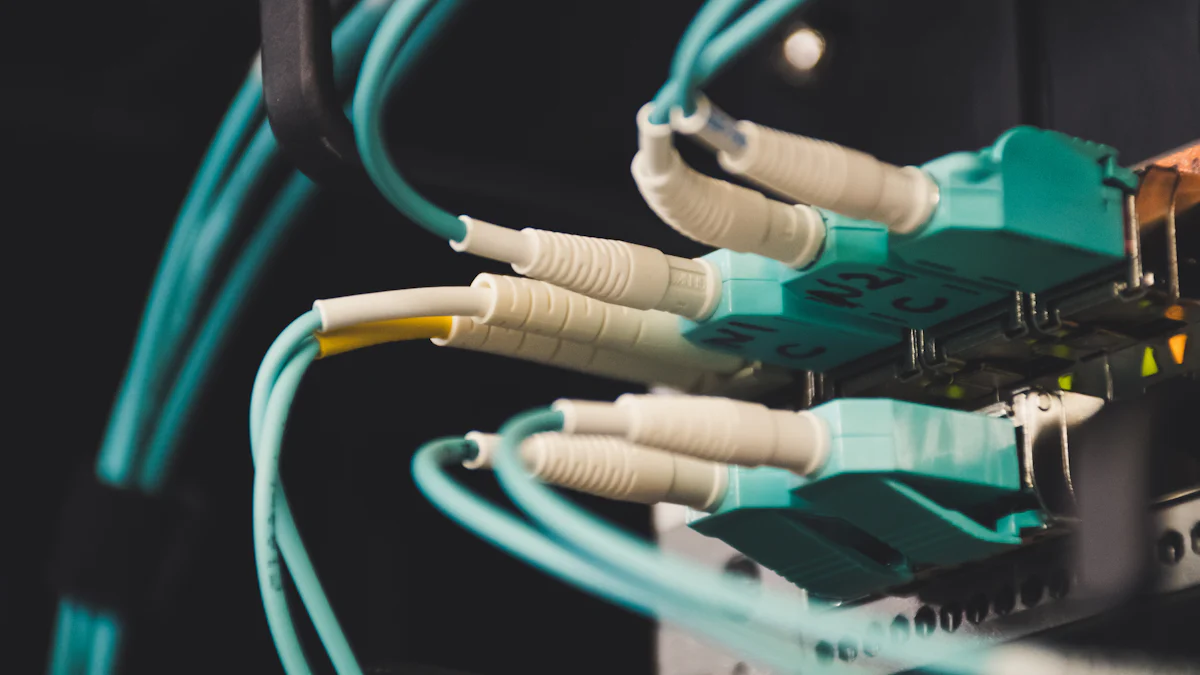
Proper installation and regular maintenance of your solar cables are essential for ensuring the efficiency and longevity of your solar system. By following these tips, you can avoid common issues and keep your system running smoothly.
Proper Installation Practices
Installing solar cables correctly is the first step to a reliable and safe solar system. Here are some key practices to follow.
Avoiding sharp bends and kinks
Sharp bends or kinks in your cables can weaken the insulation and reduce their lifespan. When laying out your cables, keep the bends smooth and gradual. Use cable clips or ties to guide the cables along their path without forcing them into tight angles. This simple step prevents unnecessary stress on the wires and ensures consistent energy flow.
Securing cables to prevent movement
Loose cables can shift over time due to wind, vibrations, or other environmental factors. This movement may lead to wear and tear or even disconnections. Secure your cables firmly using UV-resistant cable ties or clamps. Attach them to stable surfaces like walls, poles, or mounting structures. Properly secured cables not only last longer but also improve the overall appearance of your solar setup.
Regular Maintenance
Regular maintenance helps you catch potential problems early and keeps your solar system operating at peak performance. Here’s what you should focus on.
Inspecting for wear and tear
Check your cables periodically for signs of damage, such as cracks, fraying, or discoloration. Pay close attention to areas exposed to direct sunlight or harsh weather. If you notice any damage, replace the affected cables immediately to prevent further issues. Routine inspections can save you from costly repairs down the line.
Cleaning and protecting connectors
Dirty or corroded connectors can disrupt the flow of electricity and reduce your system’s efficiency. Clean your connectors with a soft brush or cloth to remove dirt and debris. For stubborn grime, use a mild cleaning solution recommended by the manufacturer. After cleaning, apply a protective coating or sealant to shield the connectors from moisture and corrosion.
Troubleshooting Common Issues
Even with proper installation and maintenance, issues can arise. Knowing how to troubleshoot common problems can save you time and effort.
Identifying voltage drops
A voltage drop can indicate a problem with your cables or connections. Use a multimeter to measure the voltage at different points in your system. If you notice a significant drop, check for loose connections, damaged cables, or excessive cable length. Addressing these issues promptly restores your system’s efficiency.
Replacing damaged cables
Damaged cables pose safety risks and reduce your system’s performance. If you find a damaged cable during an inspection, replace it with a new one that matches the specifications of your system. Always follow the manufacturer’s guidelines for installation to ensure a secure and reliable connection.
Regular care and attention to your solar cables can make a big difference in the performance and lifespan of your solar system. By following these installation and maintenance tips, you’ll enjoy a safer, more efficient, and longer-lasting solar setup.
Choosing the right solar cable is key to building a safe and efficient solar system. You need to understand the different types of cables and their features to make the best choice for your setup. PV cables like PV1-F and USE-2 stand out for their durability, UV resistance, and certifications. Proper installation and regular maintenance ensure your system performs well for years. Use the recommended products and tips shared here to make an informed decision and get the most out of your solar investment.
FAQ
What is the best type of solar cable for residential systems?
The best type of solar cable for residential systems is the PV1-F cable. It offers excellent UV resistance, durability, and flexibility. For most setups, 4mm² cables work well for systems under 20A, while 6mm² cables are better for higher currents. These cables ensure safety and long-term performance.
Can I use regular electrical cables for my solar system?
No, regular electrical cables are not suitable for solar systems. Solar cables, like PV and USE-2 wires, are specifically designed to handle high voltages, UV exposure, and harsh outdoor conditions. Using regular cables can lead to safety hazards and reduced efficiency.
How do I determine the right cable size for my solar system?
To choose the right cable size, consider your system's voltage, current, and distance between components. Higher currents or longer distances require thicker cables to prevent voltage drops. For example, a 10 AWG cable works for most residential systems, but larger setups may need 6mm² or thicker cables.
Are copper cables better than aluminum cables for solar systems?
Yes, copper cables are better for solar systems. Copper has superior conductivity, which reduces energy loss and improves efficiency. Although copper cables cost more than aluminum ones, their durability and performance make them a worthwhile investment for long-term use.
How often should I inspect my solar cables?
You should inspect your solar cables at least twice a year. Look for signs of wear, such as cracks, fraying, or discoloration. Regular inspections help you catch potential issues early and ensure your system operates efficiently.
What happens if I use the wrong type of solar cable?
Using the wrong type of solar cable can lead to overheating, energy loss, or even electrical fires. It may also void your system's warranty. Always choose cables designed for solar applications, like PV1-F or USE-2 wires, to ensure safety and efficiency.
Do solar cables need to be fire-resistant?
Yes, fire resistance is an important feature for solar cables. Fire-resistant cables reduce the risk of ignition and slow the spread of fire. Look for cables labeled as flame-retardant or with low-smoke, zero-halogen (LSZH) properties for added safety.
Can I install solar cables underground?
Yes, you can install solar cables underground. USE-2 cables are a good choice for this purpose because they are designed for both above-ground and underground installations. Ensure the cables are properly insulated and protected from moisture and physical damage.
How do I prevent voltage drops in my solar system?
To prevent voltage drops, use cables with the correct thickness for your system's current and voltage. Shorten cable lengths wherever possible, and opt for high-quality cables with low resistance. Proper planning and installation can minimize energy loss.
Are MC4 connectors necessary for solar cables?
MC4 connectors are highly recommended for solar cables. They provide secure, weatherproof connections that ensure efficient energy transfer. These connectors are easy to install and compatible with most solar cables, making them a reliable choice for any solar setup.