

 Send Email
 Whatsapp


Do solar cables need to be the same length?
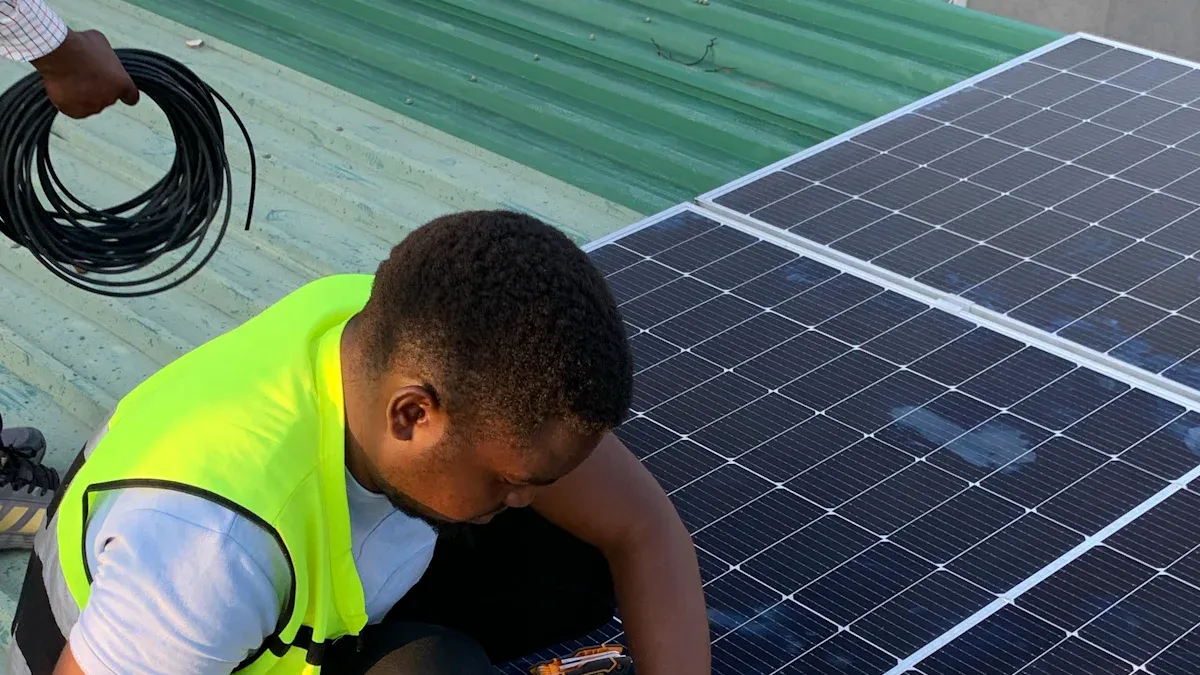
When setting up a solar system, you might wonder if the cables need to match in length. In most installations, unequal cable lengths work fine without affecting performance. Focus on minimizing voltage drop and sizing the cables properly. These steps ensure your Solar Cable delivers energy efficiently and safely.
Key Takeaways
- Different solar cable lengths can work, but use thicker cables for longer distances to reduce power loss.
- For battery links, always use cables of the same length. This helps charge batteries evenly and makes them last longer.
- Check your solar cables often for damage or heat issues. This is extra important if the cables are different lengths to keep things safe and working well.
Why Solar Cable Length Matters
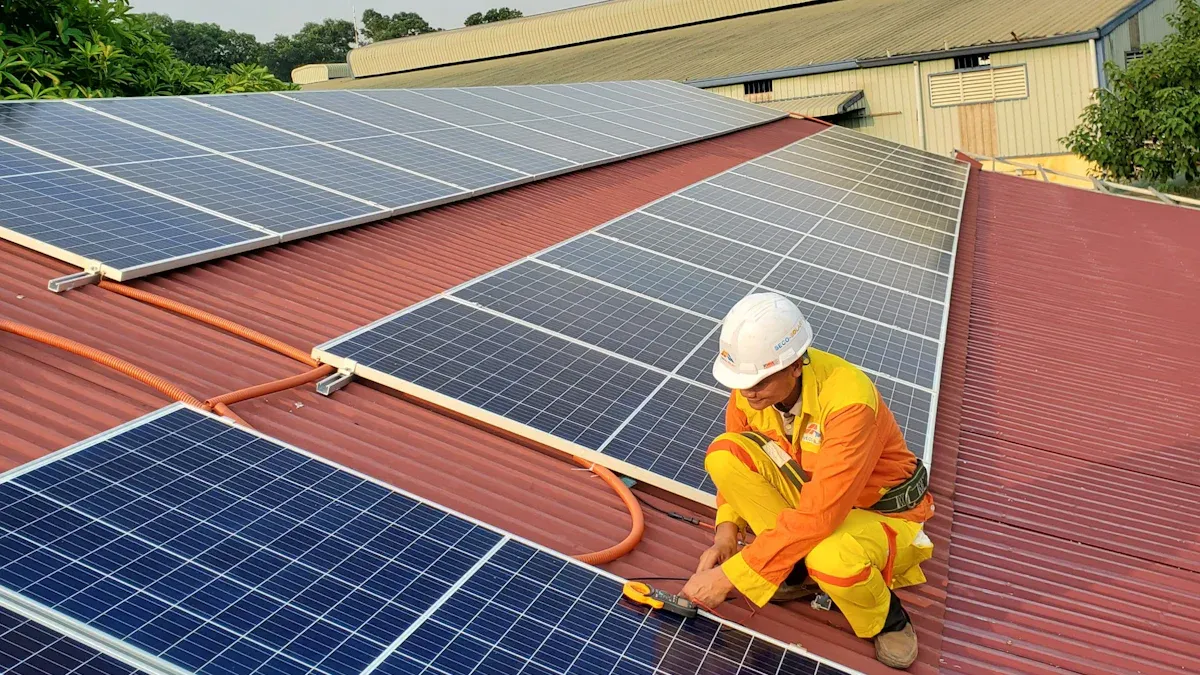
When setting up a solar system, understanding why cable length matters can help you optimize performance and safety. Let’s explore the key factors that make cable length an important consideration.
Voltage drop and its impact on efficiency
Voltage drop occurs when electricity travels through a cable and loses some of its energy as heat. Longer cables increase this loss, which reduces the efficiency of your solar system. For example, if your solar cable is too long, the power reaching your devices may be lower than expected. This can lead to wasted energy and reduced performance.
To minimize voltage drop, you should choose cables with the right thickness (also called gauge). Thicker cables can carry electricity more efficiently over longer distances. If you’re using cables of different lengths, make sure the longer one is thick enough to handle the extra distance without significant energy loss.
Tip: Use an online voltage drop calculator to estimate how much energy your system might lose based on cable length and thickness.
System performance considerations
Unequal cable lengths can sometimes affect how well your solar system performs. For instance, if you connect solar panels with cables of varying lengths, the power output might become unbalanced. This happens because longer cables may deliver less power due to voltage drop, while shorter ones deliver more.
To avoid performance issues, you should aim for balanced connections whenever possible. If equal cable lengths aren’t practical, you can compensate by using thicker cables for the longer runs. This ensures that all parts of your system work together efficiently.
Safety factors related to cable length
Safety is another critical reason to pay attention to cable length. Longer cables can overheat if they aren’t thick enough to handle the electrical current. Overheating increases the risk of fire or damage to your equipment. Additionally, mismatched cable lengths can create uneven power distribution, which may strain certain components of your system.
To keep your solar setup safe, always follow the manufacturer’s recommendations for cable sizing and length. You can also install fuses or circuit breakers to protect your system from electrical faults caused by improper cable use.
Note: Regularly inspect your solar cables for signs of wear or overheating, especially if you’re using cables of different lengths.
When Solar Cables Should Be the Same Length
Equal lengths in battery connections for balanced charging
When connecting batteries in a solar power system, using cables of equal length is essential. Uneven cable lengths can cause imbalances in the flow of electricity. This happens because longer cables create more resistance, which reduces the current reaching the battery. As a result, some batteries may charge faster than others, leading to uneven wear and reduced lifespan.
To avoid this issue, you should measure and cut your cables to the same length when wiring batteries. This ensures that all batteries receive an equal amount of current during charging and discharging. Balanced charging not only improves the efficiency of your system but also extends the life of your batteries.
Tip: Use a measuring tape to ensure precise cable lengths when setting up your battery connections.
Scenarios requiring uniform cable lengths for safety
In certain setups, uniform cable lengths are necessary to maintain safety. For example, if you’re wiring multiple solar panels in parallel, mismatched cable lengths can create uneven power distribution. This imbalance may cause overheating in some cables, increasing the risk of fire or damage to your equipment.
Using cables of the same length helps distribute power evenly across your system. This reduces the chances of overheating and ensures that all components operate within their safe limits. Always follow the manufacturer’s guidelines for cable length and thickness to avoid potential hazards.
Note: If you’re unsure about the correct cable length for your setup, consult a professional installer or refer to your solar system’s manual.
Preventing power imbalances in specific setups
Certain solar setups, such as those involving inverters or charge controllers, require equal cable lengths to prevent power imbalances. Unequal lengths can lead to voltage differences, which may disrupt the performance of your system. For instance, an inverter might struggle to handle inconsistent power inputs, resulting in reduced efficiency or even system failure.
To prevent these issues, you should plan your wiring layout carefully. Keep the cables connecting your solar panels, batteries, and other components as uniform as possible. If equal lengths aren’t feasible, consider using thicker cables for longer runs to compensate for the voltage drop.
Reminder: Regularly inspect your system to ensure all cables remain in good condition and maintain consistent performance.
When Unequal Solar Cable Lengths Are Acceptable
Acceptable scenarios for different cable lengths
Unequal cable lengths can work in many solar setups. For instance, if you are connecting solar panels to a charge controller located far from one panel, a longer cable may be necessary. Similarly, when wiring panels in series, slight differences in cable length often do not affect performance. These setups allow for flexibility in cable placement without compromising efficiency.
However, you should always check the voltage drop for longer cables. If the drop is minimal and within acceptable limits, using cables of different lengths is perfectly fine. This approach can save time and reduce material costs, especially in larger installations.
Tip: Always measure the distance between components before cutting your cables to avoid unnecessary waste.
Mitigating voltage drop with thicker cables
When using cables of unequal lengths, voltage drop becomes a concern. Longer cables lose more energy as electricity travels through them. To counter this, you can use thicker cables for the longer runs. Thicker cables have lower resistance, which helps maintain consistent power delivery.
For example, if one cable is twice as long as another, you might choose a thicker gauge for the longer cable. This adjustment ensures that both cables deliver similar amounts of power, keeping your system efficient.
Note: Use a voltage drop calculator to determine the ideal cable thickness for your setup.
Using fuses for safety in mismatched setups
Safety should always be a priority in solar installations. Unequal cable lengths can sometimes lead to uneven power distribution, which increases the risk of overheating. Installing fuses at key points in your system can prevent damage caused by electrical faults.
Fuses act as a safeguard by cutting off the current if it exceeds safe levels. This is especially important when using cables of different lengths, as the longer cable may carry more heat. By adding fuses, you protect your equipment and ensure a safer solar system.
Reminder: Check your fuses regularly to ensure they are functioning properly.
Solar cables don’t always need to match in length. However, equal lengths are essential for battery connections to ensure balanced charging. You can safely use unequal lengths by choosing thicker cables or adding fuses. Proper sizing and minimizing voltage drop help you achieve an efficient and reliable solar system.
FAQ
What happens if solar cables are too long?
Long cables increase voltage drop, reducing system efficiency. They may also overheat if not thick enough, posing safety risks. Use proper cable sizing to avoid these issues.
Tip: Always calculate voltage drop for longer cables to ensure optimal performance.
Can I mix cable lengths in a solar system?
Yes, you can mix lengths in many setups. Use thicker cables for longer runs to minimize voltage drop and maintain efficiency. Follow safety guidelines for mismatched lengths.
How do I choose the right cable thickness?
Cable thickness depends on length, current, and voltage. Use a voltage drop calculator or consult your solar system manual for accurate sizing recommendations.
Reminder: Thicker cables reduce resistance and improve energy efficiency over long distances.