

 Send Email
 Whatsapp


Do solar panels make your house hotter in the summer?
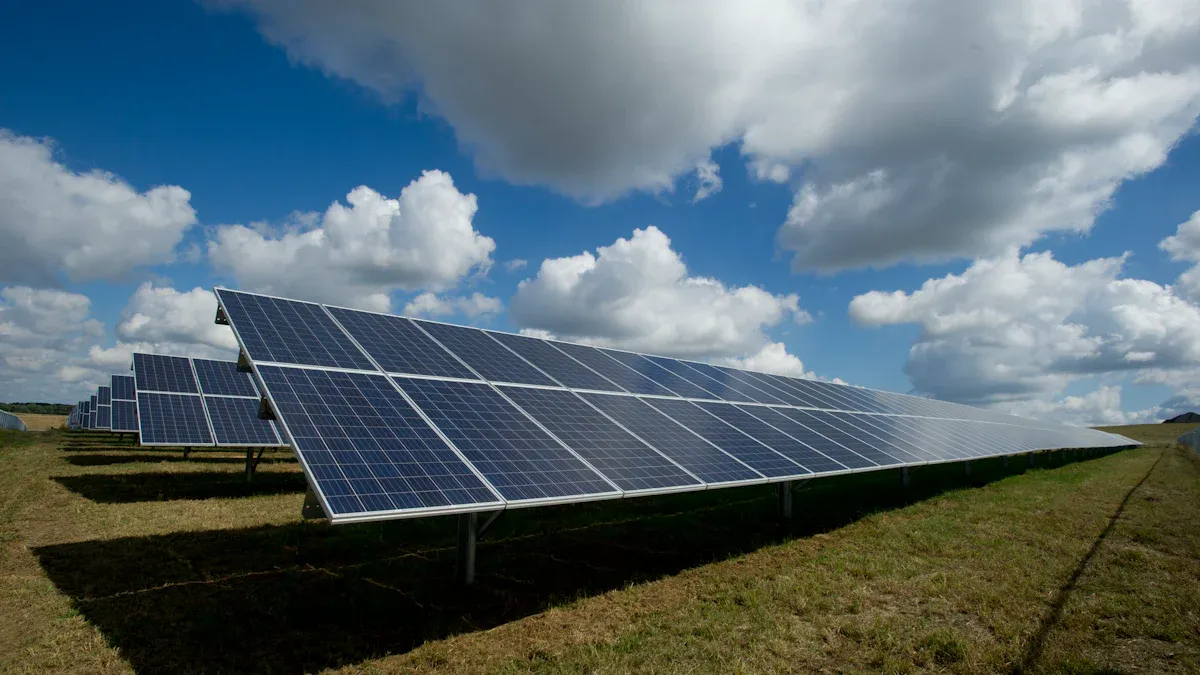
You might think solar panels increase heat in your home during summer, but they actually do the opposite. By acting as a shield, solar panels block sunlight from directly hitting your roof. This reduces heat transfer into your home. Additionally, proper installation, including well-placed Solar Cables, ensures better ventilation, keeping your roof cooler.
Key Takeaways
- Solar panels help cool your house by stopping sunlight from heating the roof.
- Installing them correctly is important. Leave space under panels for air to flow and keep things cooler.
- Picking the right roof material can make cooling better. Light or shiny roofs work well in hot places.
How solar panels interact with sunlight and heat
Do solar panels absorb or reflect heat?
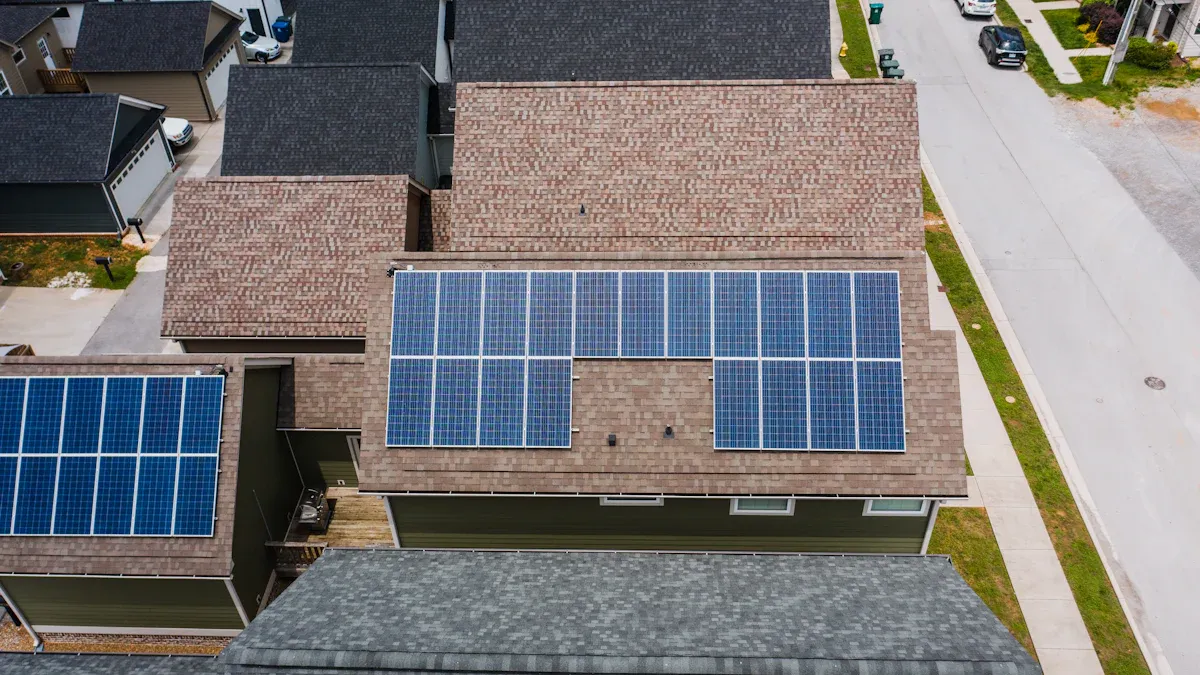
Solar panels primarily absorb sunlight to generate electricity. They contain photovoltaic cells that capture solar energy and convert it into usable power. While absorbing sunlight, they also reflect a portion of it away from your roof. This reflection reduces the amount of heat that would otherwise penetrate your home.
Tip: The darker surface of solar panels absorbs more sunlight than lighter-colored materials, but this energy is used for electricity production rather than heating your roof.
Unlike traditional roofing materials, solar panels are designed to optimize energy conversion rather than store heat. This makes them an effective tool for reducing heat buildup on your roof during sunny days.
Impact of solar panels on roof temperature
Solar panels act as a barrier between your roof and direct sunlight. By blocking sunlight, they prevent your roof from absorbing excessive heat. Studies show that roofs covered with solar panels can be up to 5°F cooler compared to uncovered roofs.
Here’s how solar panels influence roof temperature:
- Shade Creation: Solar panels provide shade, which reduces the amount of sunlight hitting your roof directly.
- Airflow Beneath Panels: Proper installation creates a gap between the panels and the roof. This gap allows air to circulate, dissipating heat more effectively.
- Reduced Heat Transfer: With less sunlight reaching the roof, the heat transfer into your home decreases, keeping indoor spaces cooler.
Note: The placement of solar cables can also impact ventilation under the panels. Well-organized solar cable arrangements ensure better airflow, enhancing cooling effects.
Solar panels not only lower roof temperatures but also contribute to energy efficiency. By reducing heat absorption, they help maintain a more comfortable indoor environment during summer months.
Benefits of solar panels in reducing heat
Solar panels as a source of shade
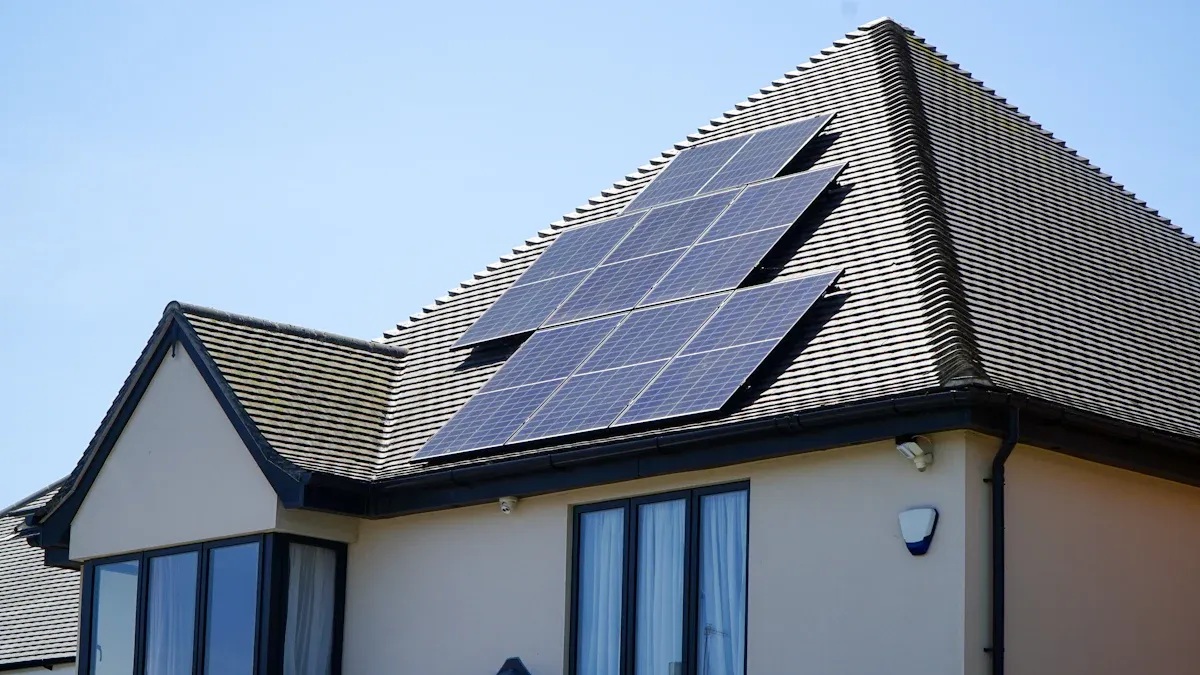
Solar panels act like umbrellas for your roof. They block sunlight from directly hitting the surface, creating a shaded area that helps keep your home cooler. This shading effect reduces the amount of heat your roof absorbs during the hottest parts of the day.
When sunlight hits your roof, it usually heats up the materials, which then transfer that heat into your home. Solar panels stop this process by intercepting the sunlight before it reaches the roof. The panels absorb the sunlight to produce electricity, leaving less heat to affect your home.
Tip: If you live in a sunny climate, installing solar panels can significantly reduce the heat load on your roof, making your indoor spaces more comfortable.
Reduced heat absorption by the roof
Solar panels not only provide shade but also lower the amount of heat your roof absorbs. Without panels, your roof directly absorbs sunlight, which raises its temperature. With panels installed, the roof stays cooler because the panels block most of the sunlight.
The gap between the panels and the roof plays a key role in reducing heat. This space allows air to circulate, which helps cool the roof. Proper installation, including well-organized solar cable placement, ensures better airflow under the panels. This setup prevents heat from building up and keeps your roof temperature lower.
Note: Studies show that roofs with solar panels can stay several degrees cooler than roofs without them. This cooling effect not only benefits your home but also extends the lifespan of your roofing materials.
By reducing heat absorption, solar panels help maintain a cooler indoor environment. You’ll notice lower energy bills because your air conditioning system won’t have to work as hard to keep your home comfortable.
Factors that influence heat impact
Role of roof material
The type of roof material on your home plays a big role in how heat interacts with solar panels. Some materials, like metal or tile, reflect more sunlight and absorb less heat. Others, like asphalt shingles, tend to retain heat longer. If your roof is made of a heat-absorbing material, solar panels can help by blocking sunlight and reducing heat buildup.
Tip: Consider pairing solar panels with reflective or light-colored roofing materials for even better cooling effects. This combination can improve energy efficiency and extend the life of your roof.
Importance of installation methods
How your solar panels are installed affects their ability to reduce heat. Panels mounted with a slight gap between them and the roof allow air to flow underneath. This airflow helps cool the roof and prevents heat from getting trapped. Poor installation, on the other hand, can limit ventilation and reduce the cooling benefits.
A professional installer ensures the panels are positioned correctly for maximum airflow. They also organize components like the solar cable to avoid blocking ventilation paths. Proper installation not only improves cooling but also boosts the efficiency of your solar system.
Effect of ventilation and solar cable placement
Ventilation under the panels is key to keeping your roof cool. The gap between the panels and the roof acts as a natural airflow channel. This airflow carries heat away, lowering the temperature of your roof.
The placement of the solar cable also matters. When cables are neatly arranged, they don’t obstruct airflow. This setup ensures that heat doesn’t build up under the panels. By focusing on proper ventilation and cable management, you can maximize the cooling benefits of your solar panels.
Practical tips for homeowners
Optimize solar panel placement
Positioning your solar panels correctly maximizes their cooling benefits and energy efficiency. Panels should face the direction that receives the most sunlight throughout the day. In the United States, south-facing panels often perform best.
Consider the angle of installation. Panels tilted at the right angle capture more sunlight and create better airflow underneath. This airflow helps cool your roof and prevents heat buildup. If you're unsure about the ideal placement, consult a professional installer. They can assess your home's location and recommend the best setup for your panels.
Tip: Regularly clean your panels to remove dirt and debris. Clean panels absorb sunlight more effectively, improving both cooling and energy production.
Ensure proper ventilation under panels
Ventilation beneath your solar panels plays a crucial role in keeping your roof cool. The gap between the panels and the roof allows air to circulate, carrying heat away. Without proper airflow, heat can accumulate under the panels, reducing their cooling effect.
Ask your installer to leave enough space between the panels and the roof during installation. Neatly arranged components, such as the solar cable, ensure airflow remains unobstructed. This setup not only keeps your roof cooler but also enhances the efficiency of your solar system.
Note: Poor ventilation can lead to overheating, which may affect the lifespan of your roof and the performance of your panels.
Choose the right roof material for your climate
Your roof material significantly impacts how solar panels interact with heat. Light-colored or reflective materials, like metal or tile, work well in hot climates. These materials reflect sunlight, reducing heat absorption. Pairing them with solar panels amplifies the cooling effect.
If your roof uses heat-retaining materials, such as asphalt shingles, solar panels can still help. They block sunlight and reduce heat buildup. However, you may want to consider upgrading to a more reflective material for better results.
Tip: Consult a roofing expert to determine the best material for your climate. Combining the right roof material with solar panels improves energy efficiency and extends your roof's lifespan.
Solar panels don’t make your house hotter. They block sunlight, reduce heat absorption, and keep your home cooler.
Key Takeaway: Proper installation matters. Focus on ventilation, roof material, and cable placement. These steps maximize cooling benefits and energy efficiency.
Adding solar panels to your home is a smart way to stay cool and save energy.
FAQ
Do solar panels work better in hot climates?
Solar panels perform well in sunny climates but lose efficiency in extreme heat. Cooler temperatures improve their energy conversion, making them more effective overall. ☀️
Can solar panels damage my roof?
Properly installed panels protect your roof. They shield it from sunlight and weather, extending its lifespan. Poor installation may cause issues, so hire a professional.
How much cooler does a roof stay with solar panels?
Studies show roofs with solar panels stay 5°F cooler. Panels block sunlight and improve airflow, reducing heat absorption and keeping your home comfortable.