

 Send Email
 Whatsapp


How do I know what size wire to use for my solar system?
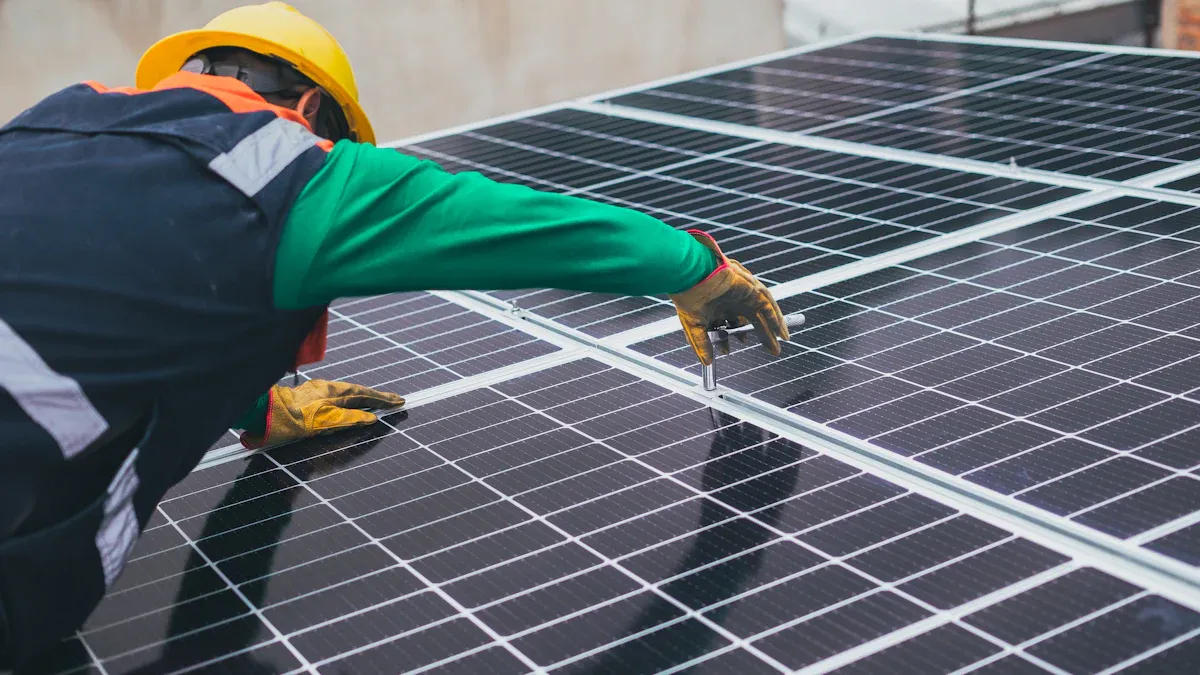
Choosing the right wire size for your solar system is crucial. The size of the wire affects the efficiency and safety of your setup. Several factors influence your selection, including voltage, current, and wire length. You should also consider environmental conditions, as they can impact wire performance. Always prioritize safety to prevent overheating and potential hazards. Using high-quality Solar Cable ensures that your system operates effectively.
Key Takeaways
- Choosing the right wire size is crucial for the efficiency and safety of your solar system. Always prioritize safety to prevent overheating.
- Understand voltage and current. Higher voltage systems can use thinner wires, while more current requires thicker wires to handle the load.
- Consider wire length to minimize voltage drop. Keep voltage drop below 3% for optimal performance, especially for longer wire runs.
- Account for environmental factors like temperature, sunlight, and moisture. Use UV-resistant and properly insulated wires for durability.
- Follow safety standards and local codes. Consult a licensed electrician to ensure compliance and enhance the performance of your solar system.
Voltage and Current

When selecting wire size for your solar system, understanding voltage and current is essential. Voltage refers to the electrical potential difference, while current measures the flow of electricity. Both factors play a significant role in determining the appropriate wire size.
-
Voltage:
- Higher voltage systems can use thinner wires. This is because higher voltage allows for lower current to deliver the same power.
- For example, a 48V system will require less current than a 12V system for the same power output.
-
Current:
- Current directly affects the wire size. More current means you need thicker wires to handle the load without overheating.
- You can calculate the current using the formula:
Current (I) = Power (P) / Voltage (V) - If your solar panel produces 300 watts at 12 volts, the current would be:
I = 300W / 12V = 25A
-
- Use the American Wire Gauge (AWG) system to determine the correct wire size.
- Here’s a quick reference table for common wire sizes based on current:
Current (Amps) Wire Size (AWG) 10 14 20 12 30 10 40 8 50 6
Choosing the right wire size ensures that your solar system operates efficiently. Using solar cable designed for solar applications can help maintain performance and safety. Always consider both voltage and current when making your selection.
Wire Length
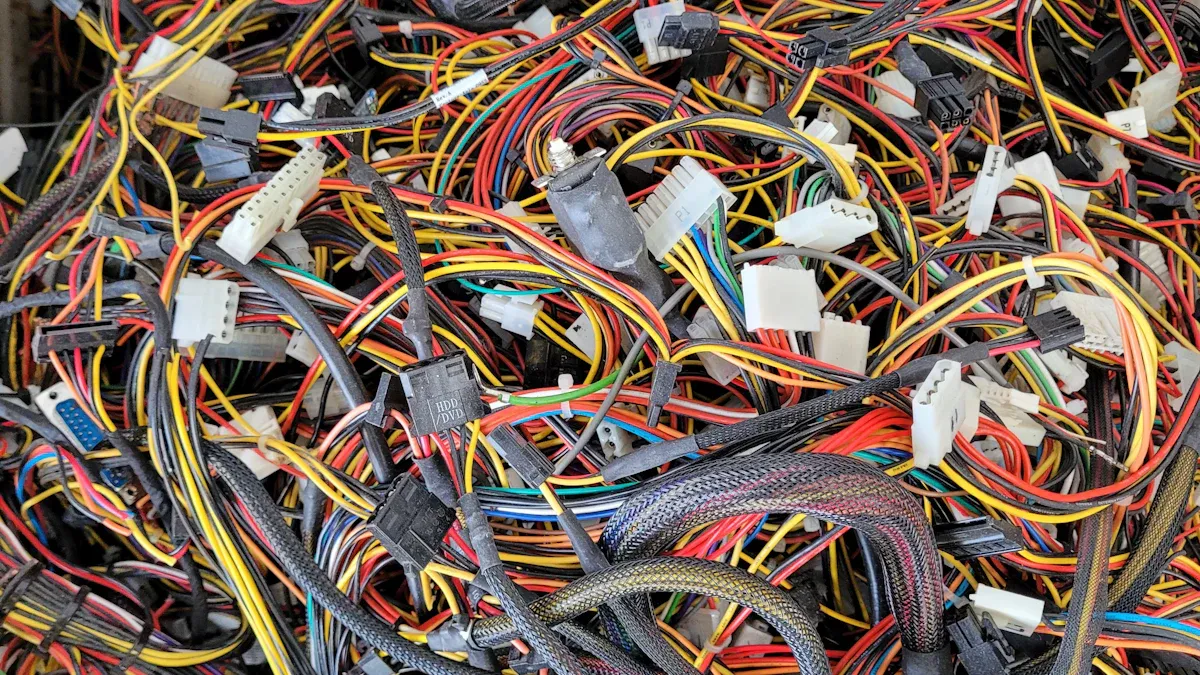
When you install a solar system, wire length plays a crucial role in determining the appropriate wire size. Longer wire runs can lead to voltage drop, which reduces the efficiency of your system. Here’s what you need to know about wire length and its impact:
-
Voltage Drop:
- Voltage drop occurs when electricity travels through a wire. The longer the wire, the more resistance it has. This resistance can cause a significant loss of voltage.
- A general rule is to keep voltage drop below 3% for optimal performance. If your system operates at 12 volts, a drop of more than 0.36 volts can affect efficiency.
-
Calculating Voltage Drop:
- You can calculate voltage drop using the formula:
Voltage Drop (V) = (Current (I) x Length (L) x Resistance (R)) / 1000 - Here, the resistance (R) depends on the wire gauge. For example, a 10 AWG wire has a resistance of about 1.24 ohms per 1000 feet.
- You can calculate voltage drop using the formula:
-
- If your wire length exceeds 100 feet, consider using a thicker wire to minimize voltage drop. For instance, if you initially planned to use 12 AWG wire, switching to 10 AWG may be beneficial for longer runs.
- Always refer to a voltage drop calculator or chart to determine the best wire size based on your specific setup.
-
Using Solar Cable:
- Solar cable is designed to withstand outdoor conditions and has lower resistance than standard wire. This makes it an excellent choice for long runs. It helps maintain efficiency and safety in your solar system.
By understanding the relationship between wire length and wire size, you can ensure your solar system operates efficiently. Always consider the distance from your solar panels to your inverter or battery bank. This will help you select the right wire size and minimize energy loss.
Environmental Considerations
When you install a solar system, environmental factors can significantly impact your wire selection. Here are some key considerations:
-
Temperature:
- High temperatures can increase the resistance of wires. This can lead to overheating and energy loss.
- Choose wires rated for higher temperatures if you live in a hot climate.
-
Sunlight Exposure:
- Direct sunlight can degrade standard wires over time.
- Use UV-resistant solar cables to ensure durability. These cables can withstand harsh sunlight without breaking down.
-
Moisture and Humidity:
- Moisture can cause corrosion, especially in metal wires.
- Select wires with proper insulation to protect against moisture. This is crucial if you live in a humid area or near the coast.
-
Wind and Weather Conditions:
- Strong winds and storms can affect wire integrity.
- Ensure that your installation secures wires properly to prevent damage during severe weather.
Tip: Always check the manufacturer's specifications for environmental ratings. This will help you choose the right wire for your specific conditions.
By considering these environmental factors, you can enhance the performance and longevity of your solar system. Proper wire selection not only improves efficiency but also ensures safety. Always prioritize quality and suitability for your local environment when choosing wires for your solar setup. This approach will help you maximize your solar investment and maintain a reliable energy source.
Safety Standards and Regulations
When you install a solar system, following safety standards and regulations is essential. These guidelines help ensure your system operates safely and efficiently. Here are some key points to consider:
-
National Electrical Code (NEC):
- The NEC provides guidelines for electrical installations in the United States.
- It includes specific requirements for solar systems, including wire sizing, grounding, and circuit protection.
-
Local Codes:
- Always check local building codes.
- These codes may have additional requirements based on your location.
-
Wire Ratings:
- Use wires rated for solar applications.
- Look for wires that meet or exceed UL (Underwriters Laboratories) standards.
-
Grounding and Bonding:
- Proper grounding protects your system from electrical faults.
- Follow NEC guidelines for grounding your solar panels and equipment.
-
Overcurrent Protection:
- Install circuit breakers or fuses to protect against overcurrent.
- This prevents overheating and potential fire hazards.
Tip: Always consult a licensed electrician when installing your solar system. They can help ensure compliance with all safety standards and regulations.
By adhering to these safety standards, you protect yourself and your investment. Proper wire selection and installation practices minimize risks and enhance the performance of your solar system. Remember, safety should always be your top priority when working with electricity.
Following these guidelines not only ensures compliance but also promotes a safe and efficient solar energy system. Stay informed and proactive about safety to enjoy the benefits of solar power without worry.
Practical Examples and Calculations
Using Solar Cable for Different Applications
When you choose a solar cable, consider the specific application. Different setups require different types of cables. Here are some common applications:
- Residential Solar Systems: Use solar cables rated for outdoor use. These cables must withstand UV exposure and temperature fluctuations.
- Off-Grid Systems: Select thicker cables for longer distances. This helps minimize voltage drop and ensures efficiency.
- Battery Storage: Use cables that can handle high current. This is crucial for charging and discharging batteries safely.
Choosing the right solar cable for each application enhances performance and safety. Always check the specifications to ensure compatibility with your system.
Step-by-Step Calculation Process
Calculating the right wire size for your solar system involves a few simple steps. Follow this process to determine the appropriate wire gauge:
-
Determine Power Output: Identify the total wattage of your solar panels. For example, if you have three 300-watt panels, your total power output is 900 watts.
-
Calculate Current: Use the formula:
Current (I) = Power (P) / Voltage (V)If your system operates at 24 volts:
I = 900W / 24V = 37.5A -
Consider Wire Length: Measure the distance from your solar panels to the inverter. If the distance is 150 feet, you may need to adjust the wire size to account for voltage drop.
-
Select Wire Size: Refer to an AWG chart. For 37.5 amps over a long distance, you might choose 6 AWG wire to minimize voltage drop.
-
Check Environmental Factors: Ensure the selected wire can handle local conditions, such as temperature and moisture.
By following these steps, you can confidently select the right wire size for your solar system. This ensures safety and efficiency in your solar energy setup.
Selecting the right wire size for your solar system is vital. It ensures safety and maximizes efficiency. Using the correct wire prevents overheating and energy loss.
Tip: Always consider factors like voltage, current, and environmental conditions when making your choice.
If you feel uncertain about your calculations or wire selection, consult a professional. Their expertise can help you avoid costly mistakes and ensure your solar system operates smoothly. Remember, a well-planned installation leads to a reliable energy source! 🌞
FAQ
What is the best wire size for a 12V solar system?
For a 12V solar system, use at least 10 AWG wire for currents up to 30 amps. If your system has longer wire runs, consider using 8 AWG to reduce voltage drop.
How do I calculate voltage drop in my solar system?
Calculate voltage drop using this formula:
Voltage Drop (V) = (Current (I) x Length (L) x Resistance (R)) / 1000 Use the wire gauge's resistance value for accurate results.
Can I use regular electrical wire for my solar system?
No, regular electrical wire may not withstand outdoor conditions. Use solar-rated cables designed for UV resistance and temperature fluctuations to ensure safety and efficiency.
What factors affect wire size selection?
Key factors include voltage, current, wire length, and environmental conditions. Always consider these elements to choose the right wire size for your solar system.
Should I consult a professional for wire selection?
Yes, consulting a professional can help you avoid mistakes. They can ensure your wire selection meets safety standards and optimizes your solar system's performance.