

 Send Email
 Whatsapp


Is solar panel wire special?

Solar Cables play a critical role in solar energy systems. These wires are built to handle harsh outdoor conditions, including intense sunlight and extreme weather. Their UV resistance and weatherproof design ensure long-lasting performance. By using a solar cable, you can maintain safety and efficiency while maximizing the durability of your solar installation.
Key Takeaways
- Solar Wires are made to handle tough outdoor weather. They keep solar systems safe and working well.
- Picking the correct solar wire,such as PV Wire, is important. It helps the system work properly and follow safety rules.
- Good solar wires stop damage and help the system last longer.
What Makes Solar Cables Special?

UV Resistance and Weatherproofing
Solar cables are designed to withstand harsh outdoor conditions. You might wonder why this matters. Regular wires degrade quickly when exposed to sunlight. Solar cables, however, feature UV-resistant insulation. This protects them from damage caused by prolonged exposure to the sun's rays.
Weatherproofing is another critical feature. These cables resist moisture, extreme temperatures, and even snow. This ensures they perform reliably in all climates. Whether you live in a hot desert or a snowy region, a solar cable will maintain its integrity.
Tip: Always check for UV resistance and weatherproofing when selecting a solar cable for your system.
High Voltage and Current Capacity
Solar energy systems generate high voltages and currents. A solar cable is built to handle these demands. Its insulation prevents electrical leaks, ensuring safety. The cable's design also minimizes energy loss, improving efficiency.
You can trust these cables to carry electricity from your panels to your inverter without overheating. This makes them ideal for both residential and commercial installations.
Durability and Fire Safety Features
Durability is a hallmark of solar cables. Their robust construction resists wear and tear, even in challenging environments. You won't need to worry about frequent replacements.
Fire safety is another advantage. Solar cables use materials that reduce the risk of fire. This adds an extra layer of protection to your solar energy system.
Choosing a durable and fire-safe solar cable ensures long-term performance and peace of mind.
Comparing Solar Cables to Other Wires
PV Wire vs. USE-2 Wire
When comparing PV wire and USE-2 wire, you’ll notice key differences in their design and applications. PV wire, short for Photovoltaic wire, is specifically made for solar energy systems. It features thicker insulation, which provides better protection against UV rays and harsh weather. This makes it ideal for outdoor use, especially in exposed environments.
USE-2 wire, on the other hand, is often used for underground installations. It lacks the same level of UV resistance as PV wire. While it can handle high voltages, it isn’t as durable when exposed to sunlight or extreme weather. If your solar panels are installed outdoors, PV wire is the safer and more reliable choice.
Note: Always check your system’s requirements before selecting between PV wire and USE-2 wire.
Solar Cables vs. THHN/THWN Wires
THHN and THWN wires are common in general electrical installations, but they differ significantly from solar cables. THHN wire is lightweight and cost-effective, making it suitable for indoor use. THWN wire adds water resistance, which allows for limited outdoor applications. However, neither is designed to handle the unique demands of solar energy systems.
Solar cables, by contrast, are built to withstand high voltages, UV exposure, and extreme weather. Their insulation ensures long-term durability and safety. If you’re installing a solar energy system, using a solar cable ensures better performance and compliance with electrical codes.
Choosing the right wire type protects your system and enhances its efficiency.
Types of Solar Cables and Choosing the Right One
Overview of PV Wire and Its Applications
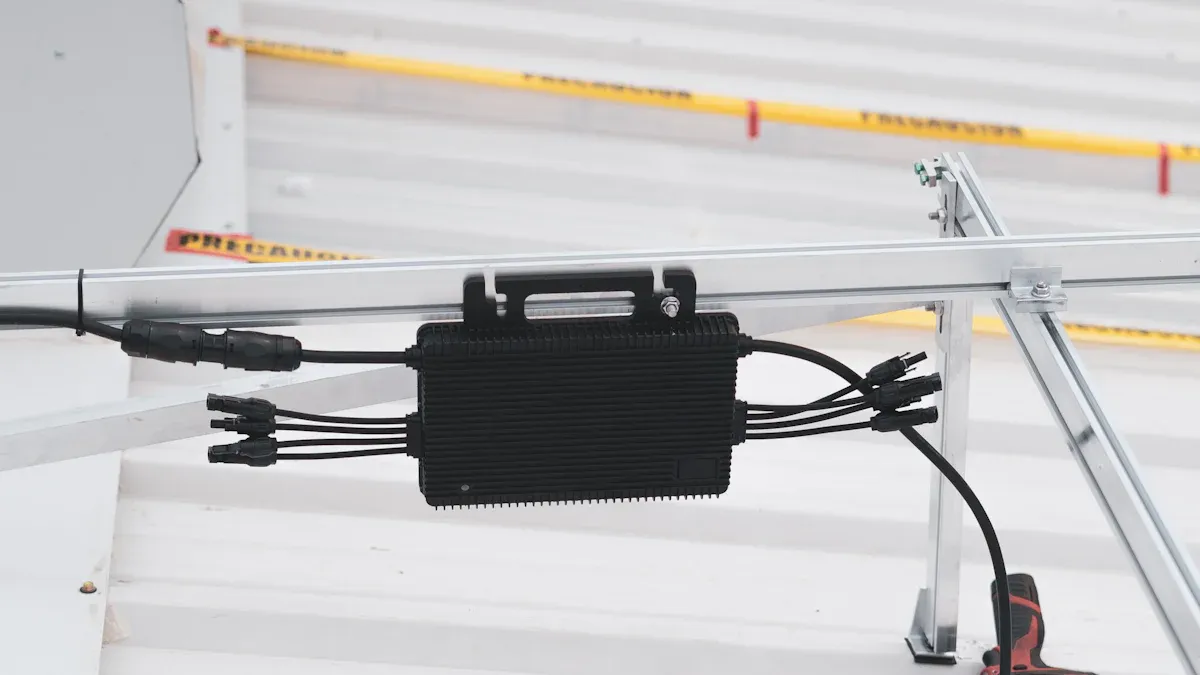
PV wire, or Photovoltaic wire, is a specialized type of solar cable designed for solar energy systems. It features thick insulation that protects against UV rays, moisture, and extreme temperatures. This makes it ideal for outdoor use, especially in areas where cables are exposed to direct sunlight.
You’ll often find PV wire used in solar panel arrays to connect individual panels. Its robust design ensures reliable performance, even in harsh environments. If you’re installing a solar system, PV wire is a dependable choice for maintaining safety and efficiency.
Tip: Always verify that the PV wire you choose meets the voltage and current requirements of your solar system.
Key Factors for Choosing a Solar Cable
Selecting the right solar cable involves considering several factors. First, check the voltage and current ratings of your system. The cable must handle these demands without overheating or losing efficiency.
Next, evaluate the environmental conditions. If your installation is outdoors, prioritize cables with UV resistance and weatherproofing. Durability is also crucial. A high-quality cable reduces the need for frequent replacements, saving you time and money.
Lastly, consider the cable’s compatibility with your solar components. Using the wrong type of cable can lead to performance issues or safety hazards.
Importance of Compliance with Electrical Codes
Electrical codes exist to ensure the safety and reliability of your solar installation. Using a compliant solar cable helps you meet these standards. For example, PV wire is often required for outdoor installations due to its UV resistance and insulation properties.
Non-compliance can result in fines or system failures. You can avoid these risks by consulting local regulations and choosing cables that meet the necessary certifications.
Following electrical codes not only ensures safety but also protects your investment in the long run.
Solar cables play a vital role in solar energy systems. Their unique features, like UV resistance, high voltage capacity, and durability, make them essential for safe and efficient installations.
- Why it matters:
Choosing the right cable ensures long-term performance and compliance with regulations.
Remember: Investing in quality solar cables protects your system and maximizes its lifespan.
FAQ
What happens if you use regular wires instead of solar cables?
Regular wires degrade quickly under sunlight and harsh weather. This can lead to safety hazards, energy loss, or system failures. Always use solar cables for outdoor installations.
Can you bury solar cables underground?
Yes, but only if the cable is rated for underground use. Look for cables with proper insulation and certifications to ensure safety and durability in buried installations.
How do you know if a solar cable is compliant with electrical codes?
Check for certifications like UL 4703 or IEC standards. These labels confirm the cable meets safety and performance requirements for solar energy systems.
Tip: Always consult a professional to verify compliance with local regulations.