
 Send Email
 Whatsapp


Key Features and Benefits of Solar DC Cables
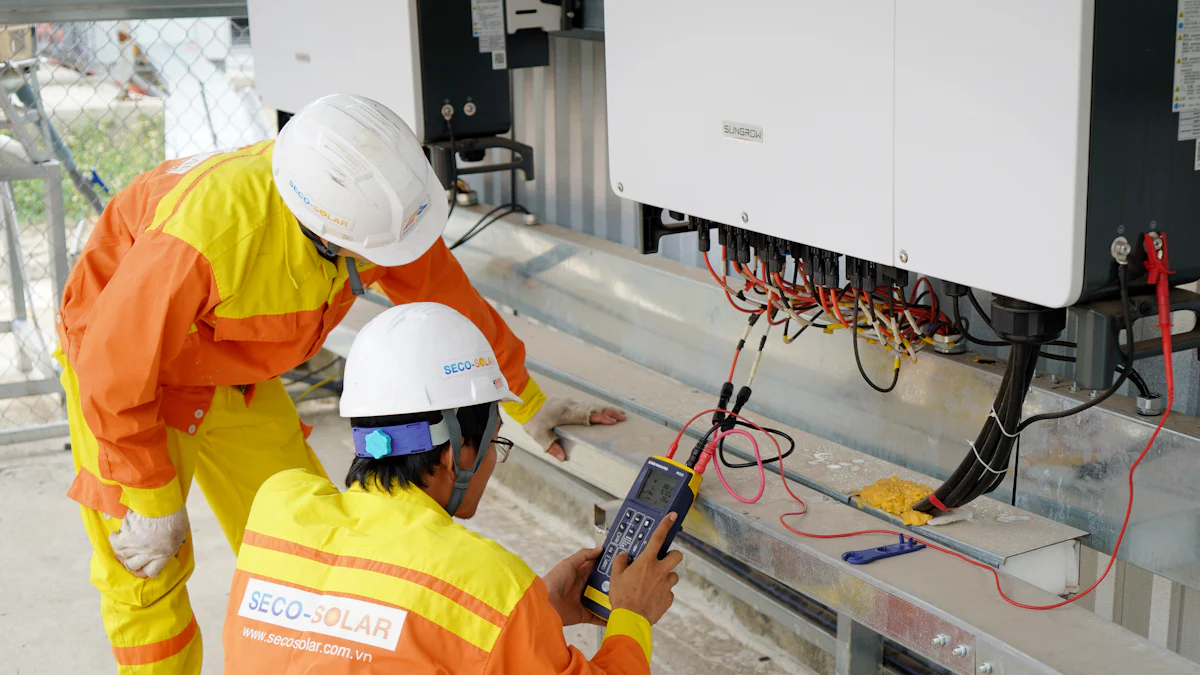
When setting up a solar power system, you need a reliable Solar Dc Cable to ensure safety and efficiency. PV Wire, the most commonly used type, stands out for its durability and high voltage capacity. It resists harsh weather conditions, making it ideal for outdoor installations. Choosing the right cable improves system performance and longevity.
Key Features and Benefits of Solar DC Cables
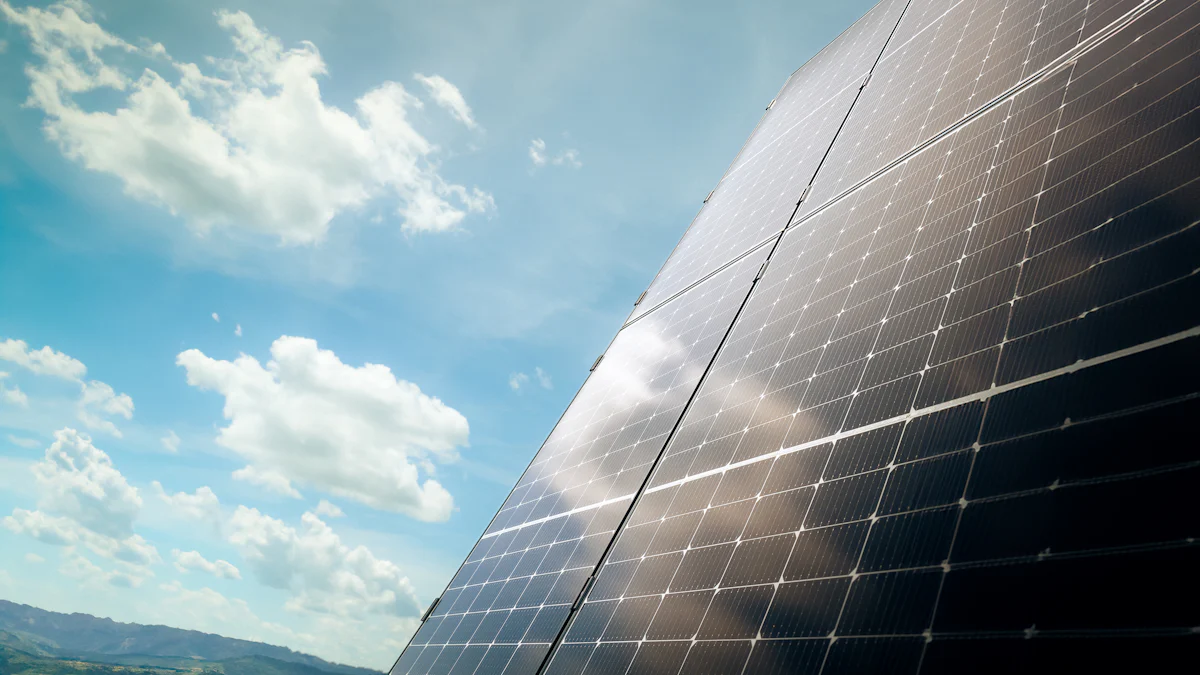
Durability and weather resistance
Solar DC cables are designed to withstand tough environmental conditions. You can rely on them to resist abrasion, moisture, and mechanical stress. These cables often feature double insulation, which protects the internal wiring from damage caused by rain, snow, or dust. This durability ensures that your solar power system operates reliably for years, even in challenging outdoor environments.
High voltage and current capacity
A solar DC cable must handle the high voltage and current generated by solar panels. PV Wire, the most commonly used type, supports voltages up to 1500V DC. This capacity makes it suitable for both residential and commercial solar installations. By using cables with high voltage ratings, you reduce the risk of overheating and energy loss, ensuring your system runs efficiently.
UV and temperature resistance
Exposure to sunlight and extreme temperatures can degrade ordinary cables. Solar DC cables, however, are built to resist UV radiation and temperature fluctuations. Whether your system is installed in a hot desert or a cold mountainous region, these cables maintain their performance. This resistance prevents cracking, brittleness, and other issues caused by prolonged exposure to the elements.
Compliance with safety standards
Safety is a top priority in any solar installation. Solar DC cables meet strict industry standards, such as UL 4703 and IEC 62930. These certifications ensure that the cables are flame-retardant, halogen-free, and safe for use in electrical systems. By choosing certified cables, you protect your system from potential hazards like electrical fires or short circuits.
Comparing Solar DC Cable Types
PV Wire vs. USE-2 Wire
PV Wire and USE-2 Wire are both used in solar installations, but they serve different purposes. PV Wire has thicker insulation, making it more durable and resistant to environmental factors. It is designed for direct exposure to sunlight and can handle higher voltages. USE-2 Wire, on the other hand, is primarily used for underground applications. It lacks the UV resistance and double insulation of PV Wire. If your solar panels are installed outdoors, PV Wire offers better protection and performance.
PV Wire vs. THHN Wire
THHN Wire is a general-purpose electrical wire, while PV Wire is specifically designed for solar systems. PV Wire withstands extreme temperatures and UV exposure, ensuring long-term reliability. THHN Wire, though cheaper, is not suitable for outdoor use without additional conduit protection. It also does not meet the same safety standards as PV Wire. For solar installations, PV Wire provides the durability and compliance needed for safe operation.
Why PV Wire is the most commonly used solar DC cable
PV Wire stands out as the most commonly used solar DC cable due to its superior features. It resists UV radiation, extreme temperatures, and mechanical stress. Its high voltage capacity supports modern solar systems, ensuring efficiency and safety. Unlike other cables, PV Wire meets strict industry standards, making it the preferred choice for both residential and commercial installations.
Choosing the Right Solar DC Cable
Assessing system voltage and current requirements
Start by evaluating the voltage and current your solar power system generates. This step helps you select a cable that can handle the electrical load safely. For example, if your system operates at 1500V DC, you need a cable rated for that voltage. Using an undersized cable can lead to overheating and energy loss. Always match the cable's capacity to your system's requirements for optimal performance.
Considering environmental conditions (e.g., temperature, UV exposure)
Environmental factors play a significant role in cable selection. If your solar panels are installed outdoors, choose a cable that resists UV radiation and extreme temperatures. High-quality cables, like PV Wire, perform well in harsh conditions, whether it's intense sunlight or freezing temperatures. This ensures your system remains reliable and efficient over time.
Ensuring compliance with safety and certification standards
Safety should always be a priority. Look for cables that meet industry standards, such as UL 4703 or IEC 62930. These certifications guarantee the cable's quality and safety features, like flame resistance and halogen-free materials. Certified cables reduce the risk of electrical hazards, protecting both your system and your property.
Importance of professional installation and maintenance
Even the best solar dc cable won't perform well without proper installation. Hire a professional to ensure the cables are installed correctly and securely. Regular maintenance also helps identify wear and tear early, preventing potential issues. A well-installed and maintained system operates efficiently and lasts longer.
PV Wire remains the top choice for solar dc cable applications. Its durability and safety features ensure reliable performance. Selecting the right cable improves your system’s efficiency and lifespan. Always evaluate your system’s needs, environmental conditions, and safety standards. These steps help you make informed decisions for your solar power setup.