

 Send Email
 Whatsapp


What gauge wire to use for solar cable
What gauge wire to use for solar cable
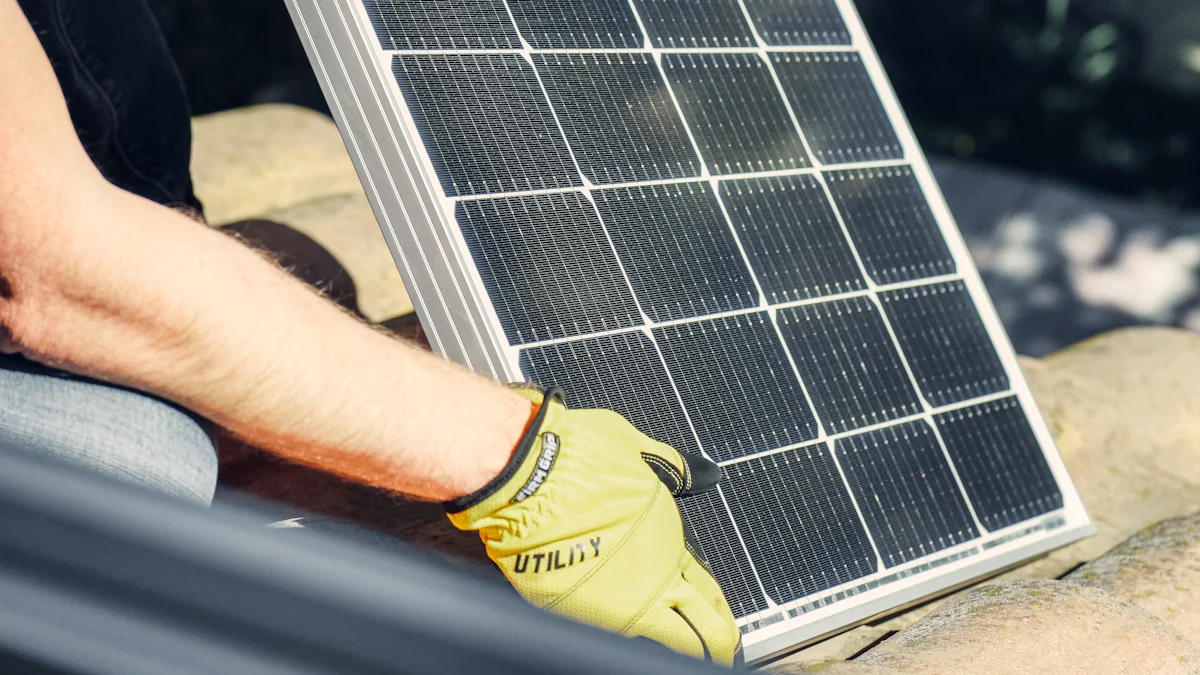
Choosing the right wire gauge for your Solar Cable is essential. It ensures safe operation and reduces power loss. Smaller gauges handle higher currents, while larger ones suit lower demands. Consider the distance between components, as longer runs may require thicker wires to prevent voltage drops. Proper selection improves efficiency and system longevity.
Key Takeaways
- Choosing the right wire gauge minimizes power loss and enhances the efficiency of your solar system, especially over long distances.
- Using appropriately sized wires ensures safety by preventing overheating and potential fire hazards, protecting both your equipment and your home.
- Consulting professionals or using wire gauge calculators can help you make informed decisions, ensuring compliance with safety standards and future system upgrades.
Why Wire Gauge is Important for Solar Cable
Minimizing power loss
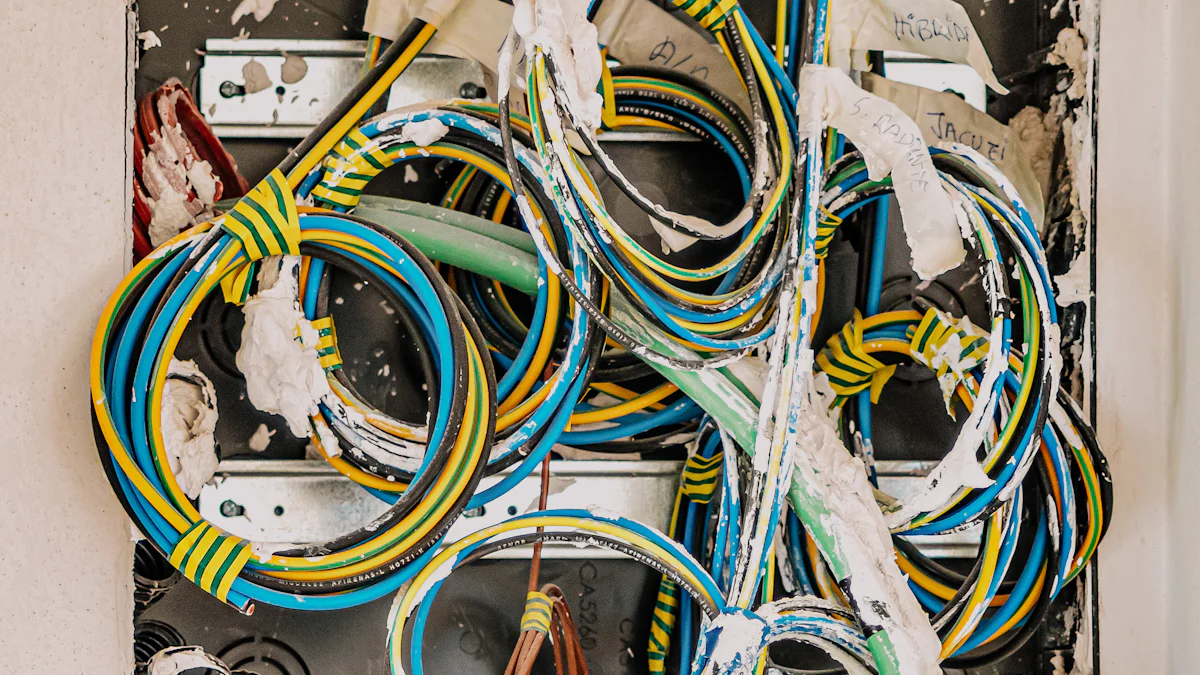
Wire gauge plays a critical role in reducing power loss in your solar system. When electricity flows through a wire, some energy converts into heat due to resistance. Thinner wires have higher resistance, which leads to greater energy loss. Over time, this can reduce the efficiency of your solar setup. By choosing the correct wire gauge, you ensure that more power reaches your devices or batteries. This is especially important for longer cable runs, where resistance increases with distance. Using the right wire size helps you maximize the energy output of your solar cable and improve overall system performance.
Ensuring safety and preventing overheating
Safety is another key reason to select the proper wire gauge. Undersized wires can overheat when carrying more current than they are designed to handle. This overheating can damage the insulation, cause short circuits, or even start a fire. Larger wires, on the other hand, can safely carry higher currents without overheating. By matching the wire gauge to your system's current requirements, you protect your equipment and reduce the risk of accidents. A well-chosen wire gauge ensures that your solar cable operates safely under all conditions.
Meeting electrical codes and standards
Electrical codes and standards exist to ensure the safe and efficient operation of electrical systems. These regulations specify the minimum wire gauge required for different applications. By following these guidelines, you comply with safety standards and avoid potential legal issues. Proper wire sizing also ensures that your solar system passes inspections if required. Adhering to these codes not only protects your investment but also guarantees that your solar cable meets industry standards for reliability and performance.
Factors That Determine Solar Cable Wire Gauge
Current (amperage) requirements
The amount of current your solar system generates directly impacts the wire gauge you need. Higher currents require thicker wires to handle the load safely. If you use a wire that is too thin, it may overheat or fail under the strain of the current. For example, a system producing 30 amps will need a thicker wire than one producing 10 amps. Always check the current rating of your solar equipment and match it with the appropriate wire gauge to ensure safe and efficient operation.
Voltage and its influence on wire size
Voltage also plays a role in determining the right wire gauge. Systems with higher voltages can use thinner wires because they carry less current for the same power output. For instance, a 48-volt system may require a smaller wire gauge compared to a 12-volt system with the same power capacity. Understanding your system's voltage helps you choose a wire size that balances safety and efficiency.
Distance and voltage drop considerations
The distance between your solar panels and other components affects wire size. Longer distances increase resistance, which can lead to voltage drops. A significant voltage drop reduces the efficiency of your solar cable. To minimize this, you may need a thicker wire for longer runs. For example, if your panels are far from your inverter, upgrading to a larger wire gauge can help maintain performance.
Environmental conditions and durability
Environmental factors like temperature, moisture, and UV exposure influence your wire choice. In hot climates, wires may need to handle higher temperatures without degrading. Outdoor installations require cables with durable insulation to resist weather and UV damage. Choosing a wire designed for your environment ensures your solar cable lasts longer and performs reliably.
Recommended Wire Gauges for Solar Cable Configurations
Series configurations
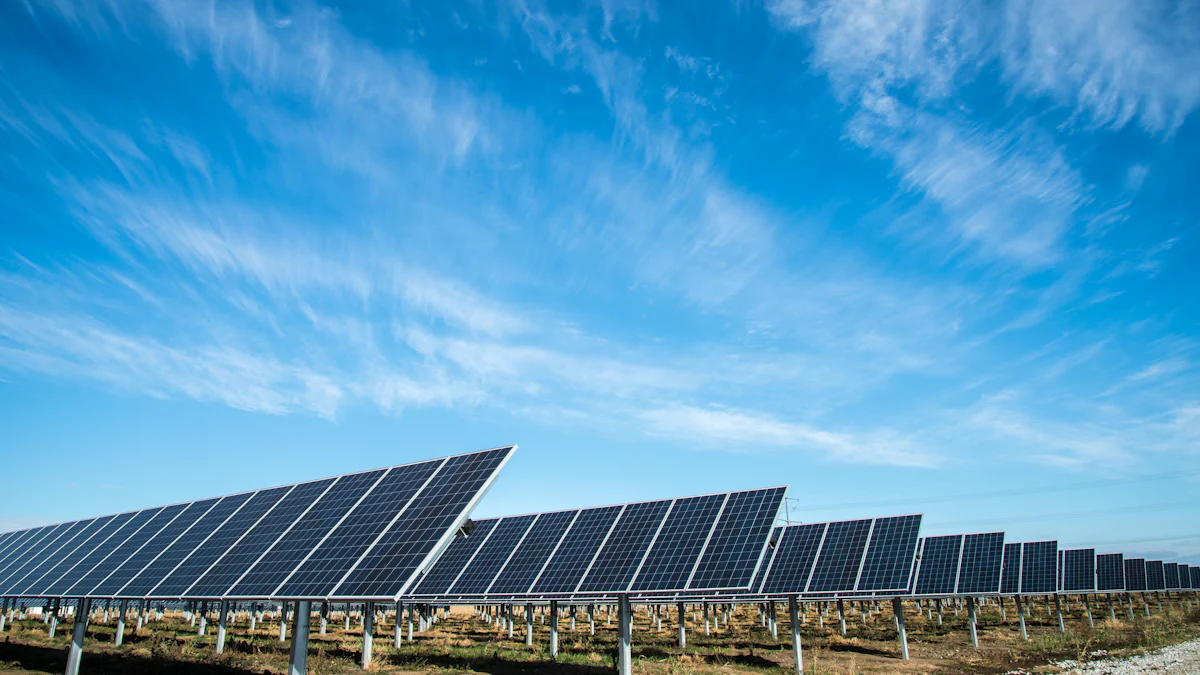
In a series configuration, you connect solar panels in a single line, increasing the voltage while keeping the current constant. This setup allows you to use thinner wires since the current remains low. For most residential systems, a 12 AWG wire works well for short distances. However, if the panels are far from the inverter, consider upgrading to a 10 AWG wire to minimize voltage drop. Always check the voltage rating of your solar cable to ensure it matches your system's requirements.
Tip: Series configurations are ideal for high-voltage systems, as they reduce the need for thicker wires.
Parallel configurations
A parallel configuration connects solar panels side by side, increasing the current while maintaining the same voltage. Higher current demands thicker wires to handle the load safely. For this setup, a 10 AWG wire is often recommended. If your system generates significant current or involves long cable runs, you may need an even thicker wire, such as 8 AWG. Proper wire sizing prevents overheating and ensures efficient power delivery.
Note: Parallel configurations are common in low-voltage systems where current levels are higher.
Series-parallel configurations
A series-parallel configuration combines the benefits of both series and parallel setups. It increases both voltage and current, making it versatile for various system sizes. Wire gauge selection depends on the specific design of your system. For most setups, 10 AWG or 12 AWG wires are sufficient. However, larger systems with higher current or longer distances may require 8 AWG wires. Always calculate the total current and voltage to determine the best wire size for your solar cable.
Reminder: Double-check your system's specifications to avoid undersizing or oversizing your wires.
Pros and Cons of Different Wire Gauges for Solar Cable
Benefits of larger wire gauges
Larger wire gauges, such as 8 AWG or 10 AWG, offer several advantages. These wires handle higher currents without overheating, making them safer for your solar system. They also reduce resistance, which minimizes power loss and improves efficiency. This is especially useful for long cable runs where voltage drop can become a problem. Larger wires are more durable and less likely to fail under heavy loads. By choosing a larger wire gauge, you ensure your solar cable performs reliably and lasts longer.
Tip: If you plan to expand your solar system in the future, larger wire gauges can accommodate higher power demands.
Drawbacks of larger wire gauges
Despite their benefits, larger wire gauges come with some downsides. They are more expensive than smaller wires, which increases the overall cost of your solar installation. These wires are also thicker and less flexible, making them harder to work with during installation. If your system doesn’t require high current capacity, using a larger wire gauge may be unnecessary and wasteful. Always balance your system’s needs with the cost and practicality of the wire size.
Risks of smaller wire gauges
Smaller wire gauges, like 12 AWG or 14 AWG, may seem cost-effective, but they pose significant risks. These wires have higher resistance, which leads to greater power loss. They can overheat if they carry more current than they are designed for, potentially causing damage or even fire hazards. Using an undersized wire can also result in voltage drops, reducing the efficiency of your solar cable. To avoid these risks, always calculate your system’s current and voltage requirements before selecting a wire gauge.
Reminder: Never compromise safety by choosing a wire gauge that is too small for your system’s needs.
Practical Tips for Choosing the Right Solar Cable Wire Gauge
Using wire gauge calculators
Wire gauge calculators simplify the process of selecting the right size for your solar cable. These tools allow you to input key details like current, voltage, and distance. They then calculate the ideal wire gauge for your system. By using a calculator, you avoid guesswork and ensure your wires meet safety and efficiency standards. Many online calculators are free and easy to use. Some even include options for factoring in voltage drop and environmental conditions. Always double-check the results with your system's specifications to confirm accuracy.
Tip: Look for calculators that account for both DC and AC systems if your setup includes an inverter.
Consulting professionals or electricians
When in doubt, consulting a professional can save you time and prevent costly mistakes. Electricians and solar installers have the expertise to recommend the best wire gauge for your system. They consider factors like local electrical codes, environmental conditions, and future expansion plans. Professionals also ensure your installation complies with safety standards. If you're new to solar systems, their guidance can help you avoid common pitfalls.
Reminder: Always hire licensed electricians or certified solar installers for reliable advice.
Planning for future system upgrades
Think about your system's future needs when choosing a wire gauge. If you plan to add more panels or increase your system's capacity, select a wire gauge that can handle the extra load. Upgrading wires later can be expensive and time-consuming. By planning ahead, you ensure your solar cable remains efficient and safe as your system grows.
Note: Oversizing your wires slightly now can save you money and effort in the long run.
Choosing the right wire gauge for your solar cable ensures safety and efficiency. Consider factors like current, voltage, and distance when making your decision. Environmental conditions also play a role. Use a wire gauge calculator or consult a professional to avoid mistakes. Proper planning guarantees a reliable and long-lasting system.
FAQ
What happens if you use the wrong wire gauge for your solar system?
Using the wrong wire gauge can cause overheating, power loss, or even fire hazards. It also reduces efficiency and may violate electrical safety codes.
Can you mix different wire gauges in one solar system?
You can mix wire gauges, but it’s not ideal. It complicates calculations and increases risks of uneven power distribution or voltage drops. Always aim for consistency.
How do you calculate voltage drop for solar cables?
Use this formula:Voltage Drop (%) = (Current × Distance × Resistance) ÷ Voltage × 100.
Online calculators simplify this process for accurate results.
Tip: Always aim for less than 3% voltage drop for optimal efficiency.