

 Send Email
 Whatsapp


What gauge wire to use for solar panels and the importance of PV System Solar Cable,1500V Solar Cable With TUV
What gauge wire to use for solar panels and the importance of PV System Solar Cable,1500V Solar Cable With TUV
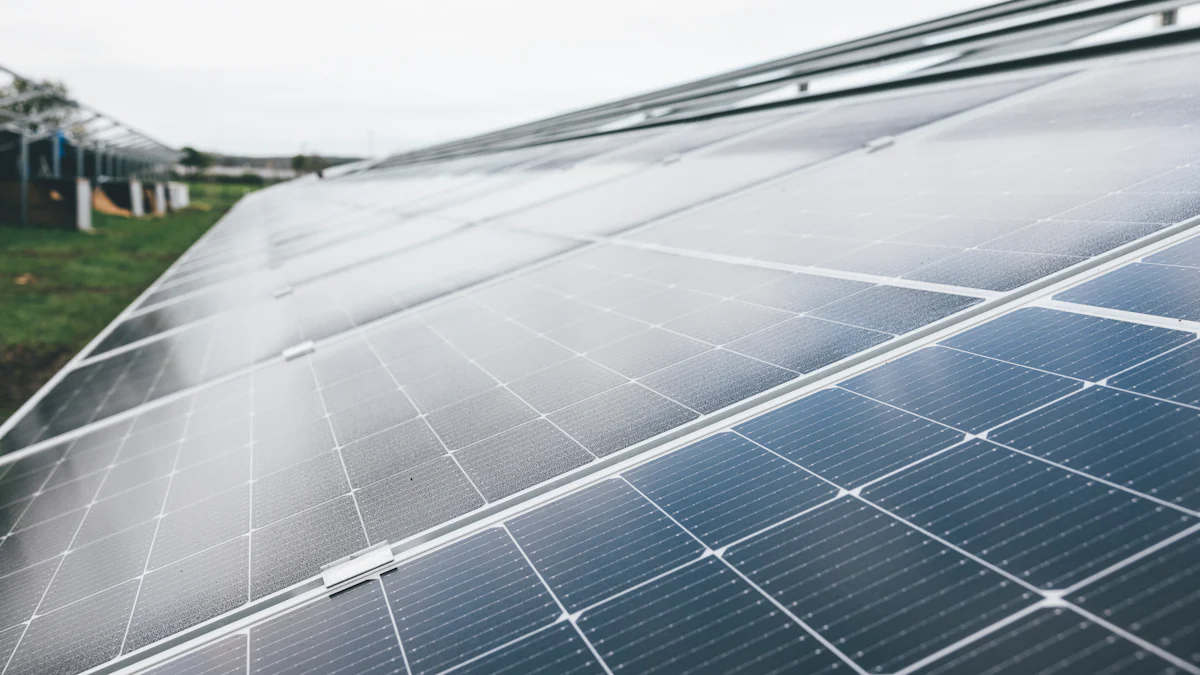
Choosing the right wire gauge ensures your solar panel system operates safely and efficiently. Wire size affects resistance, current flow, and voltage drop, which influence performance. Using a certified PV System Solar Cable, like a 1500V solar cable, guarantees durability and compliance with industry standards, protecting your investment and enhancing system reliability.
Key Takeaways
- Choosing the correct wire gauge is crucial for the safety and efficiency of your solar panel system, as it directly impacts resistance, current flow, and voltage drop.
- Always opt for certified PV system solar cables, like 1500V options, to ensure durability and compliance with industry standards, protecting your investment.
- Consulting a professional for complex solar systems can help you navigate wire gauge selection and ensure optimal performance, saving you time and preventing costly mistakes.
Understanding Wire Gauge in Solar Panel Systems
Overview of the American Wire Gauge (AWG) system
The American Wire Gauge (AWG) system is the standard for measuring wire thickness in the United States. It uses a numerical scale where smaller numbers represent thicker wires, and larger numbers indicate thinner wires. For example, a 10 AWG wire is thicker than a 14 AWG wire. You can use this system to determine the wire's capacity to carry current safely. Thicker wires handle more current with less resistance, making them ideal for high-power applications like solar panel systems.
Impact of wire size on resistance and current capacity
Wire size directly affects resistance and current flow. Thinner wires have higher resistance, which reduces the amount of current they can carry. This resistance generates heat, which can damage the wire or even cause a fire. On the other hand, thicker wires have lower resistance, allowing electricity to flow more efficiently. When you choose the correct wire size, you minimize energy loss and ensure your solar panels operate at peak performance.
Importance of proper wire sizing for safety and efficiency
Using the right wire size is essential for both safety and efficiency. Undersized wires can overheat, leading to system failures or safety hazards. Oversized wires, while safer, can increase costs unnecessarily. Proper wire sizing ensures your solar panel system operates efficiently without wasting energy. Certified cables, like a PV System Solar Cable, provide the reliability and durability needed for long-term performance.
Key Factors in Wire Gauge Selection
System voltage and its influence on wire size
The voltage of your solar panel system plays a significant role in determining the wire gauge. Higher voltage systems, such as 1500V setups, require wires that can handle the electrical load without overheating. Lower voltage systems may allow for thinner wires, but you must still ensure they meet safety standards. Always match the wire's voltage rating with your system's requirements to avoid potential hazards.
Current (amperage) requirements for solar panels
The amount of current your solar panels generate directly impacts the wire size you need. Higher amperage requires thicker wires to safely carry the electricity. For example, a system producing 30 amps will need a thicker wire than one producing 10 amps. Check the specifications of your solar panels to determine their current output and select a wire gauge that can handle it efficiently.
Wire length and its effect on voltage drop
The distance between your solar panels and the inverter or charge controller affects voltage drop. Longer wires increase resistance, which reduces the voltage reaching your equipment. To minimize energy loss, you should use thicker wires for longer distances. For shorter runs, thinner wires may suffice, provided they meet the system's current and voltage requirements.
Practical examples of wire gauge selection
Consider a 12V solar panel system producing 20 amps over a 30-foot distance. Using a wire capacity chart, you might select a 10 AWG wire to minimize voltage drop and ensure safety. For a 1500V system with the same current but a shorter distance, a thinner wire like 12 AWG could work. These examples highlight the importance of considering all factors when choosing a wire gauge.
Wire capacity chart for reference
A wire capacity chart can help you quickly determine the appropriate wire size for your system. Here's a simplified example:
| Wire Gauge (AWG) | Max Amps | Recommended Distance (Feet) |
|---|---|---|
| 14 AWG | 15 | Up to 20 |
| 12 AWG | 20 | Up to 30 |
| 10 AWG | 30 | Up to 50 |
Use this chart as a starting point, but always consult a professional or refer to manufacturer guidelines for precise calculations.
Tip: Certified cables, like a PV System Solar Cable, often include detailed specifications to help you make informed decisions.
The Role of PV System Solar Cable
Differences between PV system solar cables and standard wires
PV system solar cables differ significantly from standard wires. They are specifically designed to handle the unique demands of solar panel systems. Standard wires often lack the insulation and weather resistance needed for outdoor use. In contrast, PV system solar cables are built to withstand extreme temperatures, UV radiation, and moisture. These cables also feature double insulation, which enhances safety and reduces the risk of electrical faults. You can rely on them for long-term durability in harsh environments where standard wires would fail.
Features of 1500V solar cables with TUV certification
1500V solar cables with TUV certification offer several advanced features. These cables are rated for high-voltage systems, making them ideal for modern solar installations. They use high-quality materials that resist abrasion, chemicals, and fire. The TUV certification ensures the cables meet strict international safety and performance standards. This certification guarantees that the cables can handle high electrical loads without compromising safety. By choosing these cables, you ensure your system operates efficiently and reliably.
Benefits of certified cables for safety and durability
Certified cables, like PV system solar cables, provide unmatched safety and durability. Their robust construction minimizes the risk of overheating, short circuits, and electrical fires. These cables maintain their performance even in extreme weather conditions, ensuring uninterrupted power delivery. Their long lifespan reduces the need for frequent replacements, saving you time and money. Using certified cables also ensures compliance with industry regulations, giving you peace of mind about your system's safety.
Risks of using non-certified or low-quality cables
Non-certified or low-quality cables pose serious risks to your solar panel system. They often lack the necessary insulation and durability, making them prone to damage from weather or physical stress. These cables can overheat, leading to system failures or even fires. Voltage drops and energy losses are common with substandard cables, reducing your system's efficiency. Investing in high-quality, certified cables protects your system and prevents costly repairs or replacements.
Note: Always prioritize certified PV system solar cables to ensure the safety and efficiency of your solar panel system.
Tips for Choosing the Right Wire Gauge and Cables
Steps to calculate the correct wire gauge
To calculate the correct wire gauge, you need to consider three main factors: system voltage, current (amperage), and wire length. Start by identifying the voltage and amperage of your solar panel system. These values are usually listed in the product specifications. Next, measure the distance between your solar panels and the inverter or charge controller. Use this information to calculate the voltage drop. A voltage drop calculator or wire capacity chart can help you determine the appropriate wire size. Always aim for a voltage drop below 3% to maintain efficiency.
Identifying high-quality PV system solar cables
High-quality PV system solar cables have specific features that set them apart. Look for cables with double insulation and UV resistance. These features protect the cables from harsh weather conditions. Check for certifications like TUV, which ensure the cables meet international safety standards. High-quality cables also use durable materials that resist abrasion and chemicals. Avoid cables that lack clear specifications or certifications. Investing in reliable cables ensures your solar panel system operates safely and efficiently.
Consulting professionals for complex systems
For complex solar panel systems, consulting a professional is essential. Professionals can assess your system's unique requirements and recommend the correct wire gauge and cables. They can also help you navigate local regulations and safety standards. Their expertise ensures your system is installed correctly and operates at peak performance. If you're unsure about calculations or cable selection, seeking professional advice can save you time and prevent costly mistakes.
Choosing the right wire gauge ensures your solar panel system operates safely and efficiently. Certified PV System Solar Cable, like 1500V options, offers durability and meets industry standards. High-quality materials and professional guidance improve performance and reliability. Prioritize these factors to protect your investment and maximize your solar system's lifespan.
FAQ
What happens if you use the wrong wire gauge for your solar panels?
Using the wrong wire gauge can cause overheating, energy loss, or system failure. It may also create safety hazards like electrical fires. Always choose the correct gauge for your setup.
Why is TUV certification important for solar cables?
TUV certification ensures the cables meet international safety and performance standards. It guarantees durability, reliability, and compliance, protecting your solar system from potential risks and inefficiencies.
Can you use standard electrical wires for solar panel systems?
Standard wires lack the insulation and weather resistance needed for solar systems. PV system solar cables are specifically designed to handle outdoor conditions and high electrical loads safely.
Tip: Always consult a professional if you're unsure about wire or cable selection for your solar system.