

 Send Email
 Whatsapp


WHAT IS SOLAR CABLE?
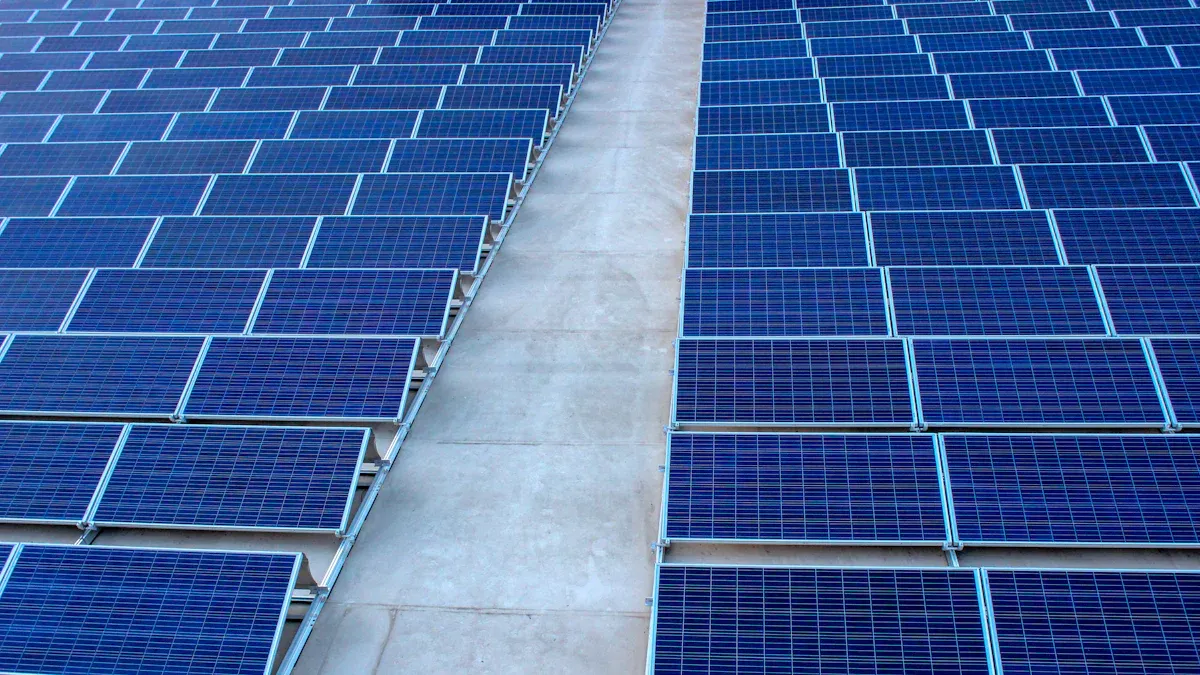
A Solar Cable is a specialized wire designed to connect various components in a solar power system, like panels, inverters, and batteries. It plays a critical role in transferring electricity efficiently. Without the right cable, your solar installation might face energy losses or wear out quickly. Choosing the right one ensures your system lasts longer and performs better.
Key Takeaways
- Solar cables are important for linking parts of a solar system. They help move energy well and stop energy waste.
- Picking good solar cables can save money over time. Strong cables last longer and need fewer repairs or replacements.
- Always look at the cable's material and insulation before buying. Good materials like tinned copper and XLPE insulation work better and last longer.
Key Features and Benefits of Solar Cable
Durability and Longevity
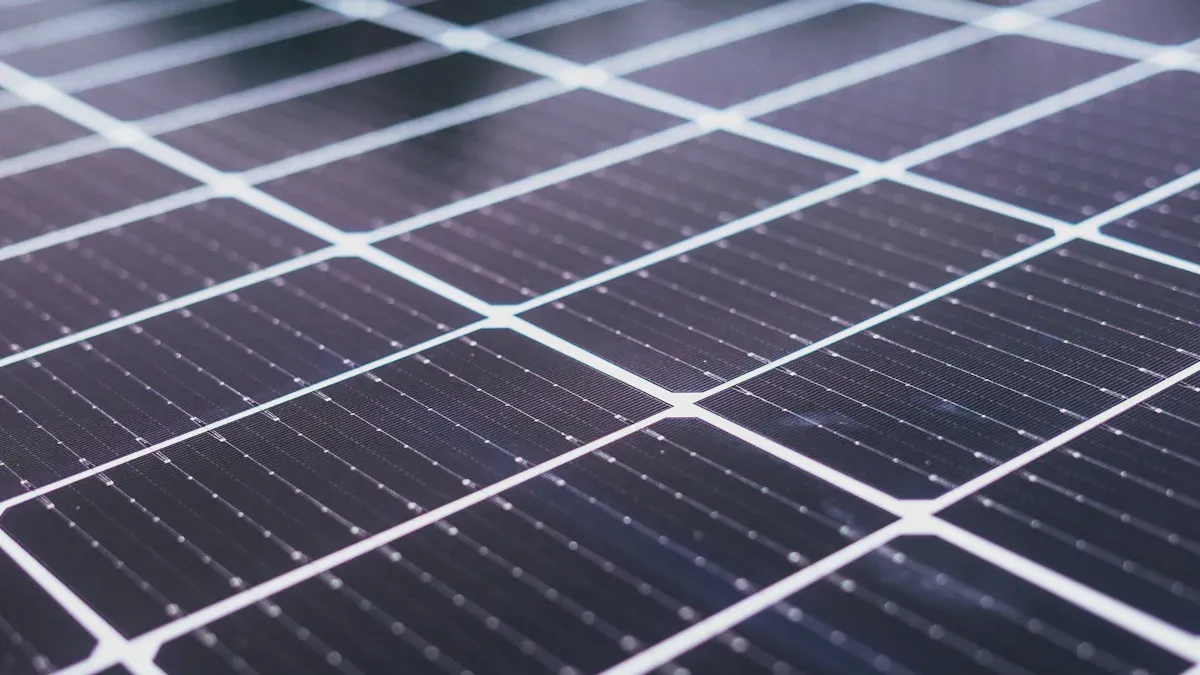
When you invest in a solar power system, you want it to last, right? That’s where the durability of a solar cable comes in. These cables are built to handle tough conditions, like extreme temperatures and constant exposure to the elements. Unlike regular wires, they’re designed to resist wear and tear over time. This means fewer replacements and less maintenance for you.
Pro Tip: Choosing high-quality solar cables can save you money in the long run by reducing repair costs and downtime.
UV and Weather Resistance
Solar installations are often exposed to the sun all day, every day. Regular cables might degrade or crack under such conditions, but solar cables are different. They’re made with materials that resist UV radiation and harsh weather. Whether it’s scorching heat, heavy rain, or freezing cold, these cables keep performing. You can count on them to maintain efficiency no matter the climate.
- Why it matters:
- Prevents energy loss.
- Ensures safety by avoiding insulation damage.
Environmental Compatibility and Safety
If you care about the environment, you’ll love this feature. Solar cables are designed with eco-friendly materials that minimize their impact on the planet. Plus, they meet strict safety standards to protect you and your system. Their insulation prevents electrical hazards, giving you peace of mind while reducing your carbon footprint.
🌱 Going green? Solar cables are a small but vital step toward a sustainable future.
Solar Cable vs. Normal Cable
Material and Design Differences
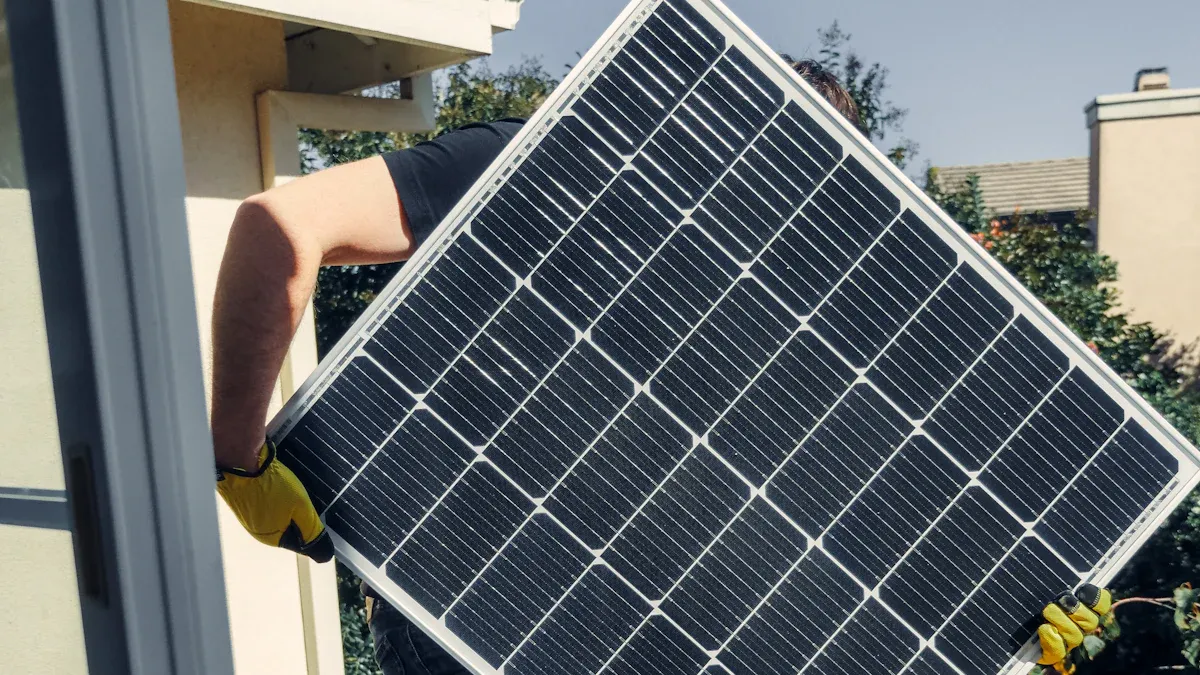
Ever wondered why you can’t just use regular cables for your solar system? The answer lies in the materials and design. Solar cables are made with high-quality copper or tinned copper, which ensures better conductivity. Their insulation is also thicker and more robust, often made from cross-linked polyethylene (XLPE). This material resists heat and wear much better than the PVC used in normal cables.
On the other hand, normal cables are designed for indoor use or less demanding environments. They lack the specialized coatings and flexibility that solar cables offer. If you try using them in a solar setup, they might degrade quickly, leading to inefficiency or even safety hazards.
Quick Tip: Always check the cable’s material and insulation type before making a purchase. It’s a small step that can save you big headaches later.
Performance in Harsh Conditions
Solar cables are built to thrive in extreme conditions. Whether it’s scorching heat, freezing cold, or heavy rain, they keep performing. Their UV-resistant coating protects them from sunlight, while their insulation prevents cracking in low temperatures. Normal cables, however, can’t handle such stress. They may crack, melt, or lose efficiency when exposed to harsh weather.
If your solar installation is outdoors (and most are), you need cables that can handle the elements. Solar cables ensure your system runs smoothly, no matter the weather.
Cost Efficiency and Long-Term Value
At first glance, solar cables might seem more expensive than regular ones. But here’s the thing: they’re an investment. Their durability means fewer replacements and lower maintenance costs over time. Plus, they help your solar system operate at peak efficiency, saving you money on energy losses.
Normal cables might cost less upfront, but they wear out faster. You’ll end up spending more on repairs and replacements. In the long run, solar cables offer better value for your money.
Did You Know? Using the right cable can extend the lifespan of your entire solar system. It’s a smart way to protect your investment.
Choosing the Right Solar Cable
Determining Cable Size and Capacity
Picking the right cable size is crucial for your solar system’s performance. If the cable is too small, it can overheat or cause energy loss. On the other hand, an oversized cable might cost more than necessary. So, how do you figure out the right size? Start by checking the current (amperage) your system generates and the distance between components. Longer distances need thicker cables to reduce energy loss.
Tip: Use an online solar cable size calculator to simplify the process. It’ll save you time and ensure accuracy.
Evaluating Material and Insulation
Not all cables are created equal. When choosing a solar cable, look for high-quality materials like tinned copper. It offers excellent conductivity and resists corrosion. Insulation is just as important. Cross-linked polyethylene (XLPE) is a popular choice because it withstands high temperatures and harsh conditions. Avoid cables with PVC insulation for outdoor use—they’re not built to last under the sun.
- Key things to check:
- Material: Copper or tinned copper.
- Insulation: UV-resistant and weatherproof.
Matching the Cable to the Application
Every solar setup is unique, so your cable choice should match your specific needs. For instance, if you’re installing panels on a rooftop, you’ll need cables that can handle UV exposure and temperature changes. Ground-mounted systems might require cables with extra protection against moisture and pests. Always consider the environment and the type of installation when making your decision.
Pro Tip: Consult your solar system’s manual or a professional installer to ensure you’re using the right cable for the job.
Solar cables are the backbone of any solar power system. They ensure efficient energy transfer, safety, and durability. By choosing the right cables, you’re not just protecting your investment—you’re also contributing to a greener planet.
🌟 Remember: High-quality solar cables mean fewer repairs, better performance, and a longer-lasting system. Choose wisely!
FAQ
What makes solar cables different from regular electrical cables?
Solar cables are built for outdoor use. They resist UV rays, extreme weather, and high temperatures. Regular cables lack these features and degrade faster in harsh conditions.
How do I know which cable size to choose?
You’ll need to calculate based on your system’s current (amperage) and the distance between components. Longer distances require thicker cables to prevent energy loss.
Tip: Use an online solar cable size calculator for accuracy.
Can I install solar cables myself?
If you’re experienced with electrical systems, you can. However, hiring a professional ensures safety and compliance with local regulations. It’s worth the investment for peace of mind.
⚠️ Safety First: Always follow installation guidelines to avoid hazards.