

 Send Email
 Whatsapp


What Is The Difference Between 4mm And 6mm Solar Cable
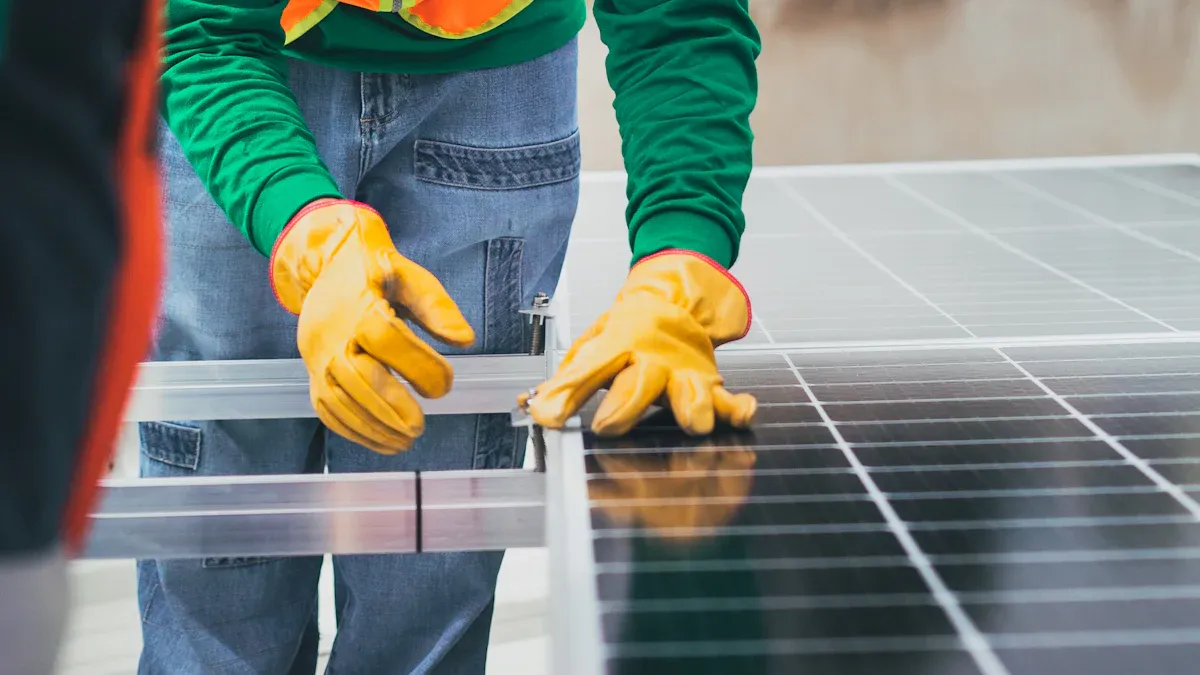
When selecting a Solar Cable, understanding the differences between 4mm and 6mm options is crucial. The main distinctions lie in their size and ability to carry electric current. A 6mm cable can handle higher power loads, making it ideal for larger systems. Choosing the right cable ensures efficiency and prevents energy loss.
Key Takeaways
- Use a 4mm solar cable for small systems or short runs. It is bendable, affordable, and works well with medium power needs.
- Pick a 6mm Solar Cable for big systems or long runs. It carries more electricity, lowers power loss, and works efficiently.
- Always check your system's power needs and distance first. This keeps it safe, efficient, and working its best.
Cable Specifications
Physical Differences
When comparing 4mm and 6mm solar cables, the most noticeable difference is their size. The "mm" in their names refers to the cross-sectional area of the cable's conductor. A 4mm Solar Cable has a smaller diameter than a 6mm cable. This difference in size affects how much current the cable can carry and how much heat it can handle.
The insulation and outer sheathing of both cables are designed to withstand harsh outdoor conditions. However, the thicker 6mm cable often has a slightly more robust build, making it better suited for larger systems or installations in challenging environments. If you look closely, you’ll also notice that the 6mm cable is heavier and less flexible than the 4mm cable. This can make it a bit harder to work with in tight spaces.
Tip: Always check the physical dimensions of the cable to ensure it fits your installation requirements.
Electrical Properties
The electrical properties of a solar cable play a critical role in its performance. A 6mm cable can carry more current than a 4mm cable due to its larger conductor size. This means it can handle higher power loads without overheating. For example, if your solar system generates a lot of electricity, a 6mm cable will ensure efficient power transfer with minimal energy loss.
Voltage drop is another important factor to consider. Over long distances, electricity traveling through a cable can lose some of its power. A 6mm cable has a lower voltage drop compared to a 4mm cable, making it a better choice for installations where the panels are far from the inverter.
Both 4mm and 6mm cables are designed to meet safety standards for solar installations. They are resistant to UV rays, moisture, and extreme temperatures. However, the thicker 6mm cable provides an added layer of reliability for high-demand systems.
Note: Choosing the right cable size ensures your solar system operates efficiently and safely.
Applications of Solar Cables
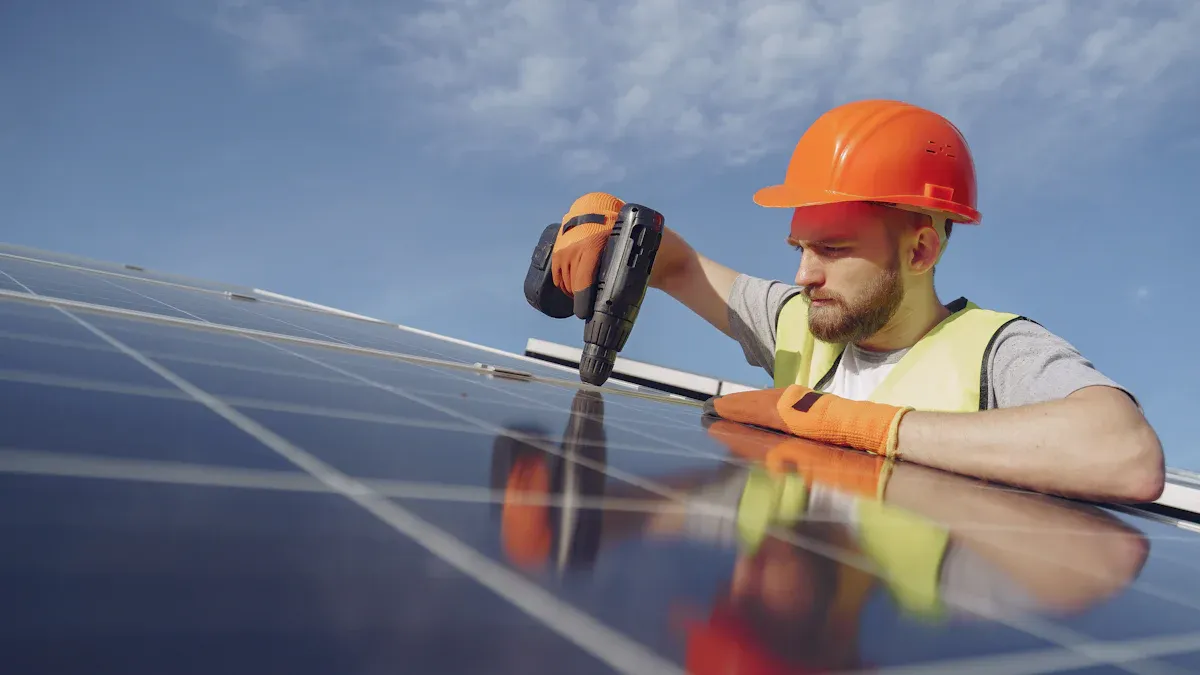
When to Use 4mm Solar Cable
A 4mm solar cable works well for smaller solar systems. If you have a residential setup with a few panels, this cable size is often sufficient. It can handle moderate power loads and is easier to install due to its flexibility and lighter weight. For example, if your solar panels are close to the inverter, a 4mm cable minimizes voltage drop effectively over short distances.
This cable is also a cost-effective choice. If your system does not require high current-carrying capacity, using a 4mm cable can save money without compromising performance. It is ideal for applications like powering small appliances, lighting, or other low-demand devices.
Tip: Always check the current and voltage requirements of your system before choosing a 4mm cable. This ensures safe and efficient operation.
When to Use 6mm Solar Cable
A 6mm solar cable is better suited for larger or more demanding solar systems. If your setup generates high amounts of electricity, this cable can handle the increased current without overheating. It is also the preferred choice for installations where the distance between the solar panels and the inverter is significant. The thicker conductor reduces voltage drop, ensuring efficient power transfer over long distances.
This cable is often used in commercial or industrial solar systems. It is also a good option for residential setups with high energy needs, such as homes with multiple appliances or electric vehicle charging stations. While it may cost more and be harder to install due to its size, the benefits of reliability and efficiency outweigh these challenges.
Note: If you plan to expand your solar system in the future, consider using a 6mm cable. It provides the flexibility to handle increased power loads.
Choosing the Right Solar Cable
System Size and Power Requirements
The size of your solar system plays a big role in choosing the right solar cable. Larger systems generate more electricity, which means they need cables that can handle higher current. If your system has a high power output, a 6mm cable is the better choice. It can carry more current without overheating, ensuring your system runs efficiently. For smaller systems, like those used in homes with fewer panels, a 4mm cable is often enough. It provides reliable performance for moderate power needs.
Tip: Always check the current rating of your solar system before selecting a cable. This ensures safety and efficiency.
Distance Between Panels and Inverter
The distance between your solar panels and the inverter affects how much power is lost during transmission. Longer distances increase voltage drop, which reduces efficiency. A 6mm cable has a lower voltage drop compared to a 4mm cable, making it ideal for installations where the panels are far from the inverter. For shorter distances, a 4mm cable works well and is more cost-effective.
Note: Measure the distance carefully to determine the best cable size for your setup.
Budget and Cost Implications
Your budget is another important factor. A 6mm solar cable costs more than a 4mm cable due to its larger size and higher current-carrying capacity. If your system doesn’t require the extra capacity, a 4mm cable can save you money. However, investing in a 6mm cable may be worth it for larger systems or future expansions.
Reminder: Balance cost with performance to get the best value for your solar installation.
Choosing between 4mm and 6mm solar cables depends on your system's needs. The 4mm cable suits smaller setups with short distances, while the 6mm cable handles higher power and longer distances efficiently.
Quick Guide:
- Use 4mm for small systems or short distances.
- Choose 6mm for high-power systems or future expansions.
Selecting the right cable ensures safety and efficiency.
FAQ
What happens if I use the wrong cable size?
Using the wrong cable size can cause overheating, energy loss, or inefficiency. Always match the cable size to your system's power and distance requirements.
Can I mix 4mm and 6mm cables in one system?
You can mix them, but it’s not recommended. Different cable sizes may cause uneven power distribution, reducing system efficiency and potentially causing safety issues.
How do I calculate voltage drop for my solar cables?
Use a voltage drop calculator or formula:Voltage Drop = (Current × Distance × Resistance) ÷ 1000.
This helps you choose the correct cable size.
Tip: Always consult a professional for accurate calculations and safe installations.