

 Send Email
 Whatsapp


1x4mm² & 1x6mm² Photovoltaic (PV) Cable Knowledge
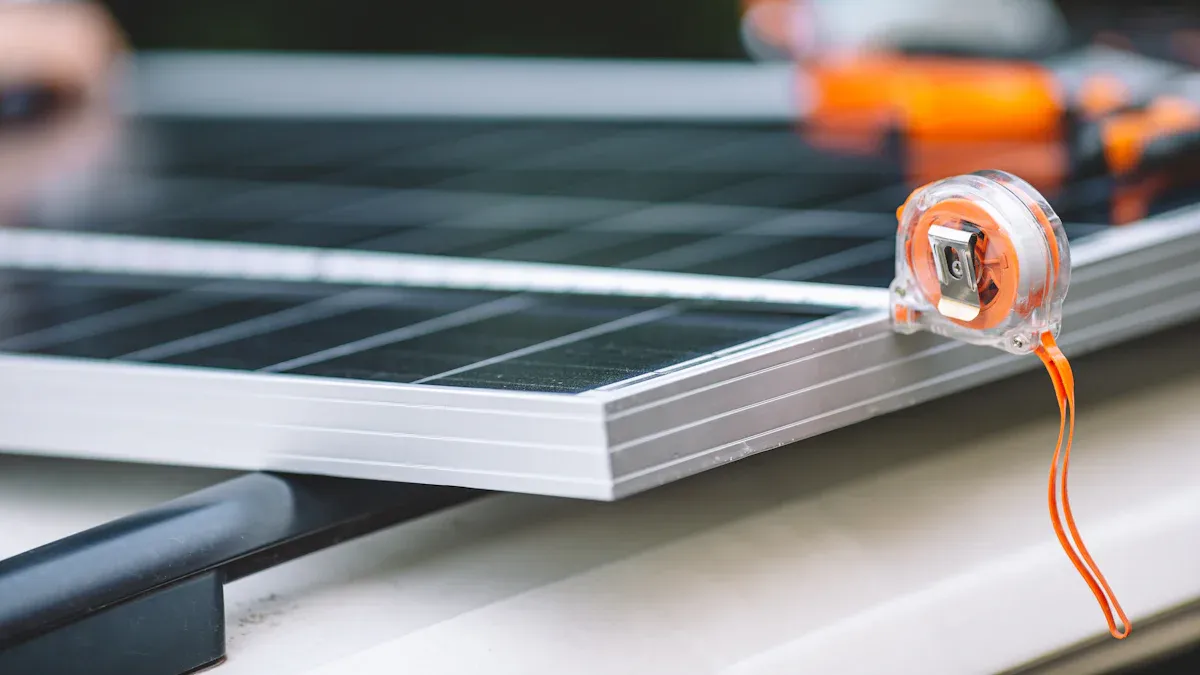
Choosing the right Solar Cable ensures your solar system operates efficiently and safely. A properly sized cable minimizes energy losses and prevents overheating. Smaller cables may cause voltage drops, reducing performance. Larger cables, while safer, can increase costs unnecessarily. By understanding cable sizing, you can optimize your system for both safety and efficiency.
Key Takeaways
- Picking the correct solar cable size, like 1x4mm² or 1x6mm², is important for safety and efficiency. Right sizing stops energy waste and overheating.
- Check your solar system's power needs and cable length first. This helps match the cable and avoids overheating or energy loss.
- Use strong, certified cables for better durability and performance. Focusing on safety and efficiency makes your solar system last longer.
Understanding Solar Cables
What are PV cables?
Photovoltaic (PV) cables are special wires designed for solar power systems. These cables connect solar panels to other components like inverters and batteries. They carry the electricity generated by the panels, ensuring it reaches where it’s needed. PV Cables are built to handle tough outdoor conditions. They resist UV rays, extreme temperatures, and moisture. This durability makes them reliable for long-term use in solar installations.
Key features of 1x4mm² and 1x6mm² cables
The 1x4mm² and 1x6mm² cables are single-core solar cables commonly used in solar systems. The "1x" means they have one conductor, while "4mm²" and "6mm²" refer to the cross-sectional area of the conductor. A larger cross-sectional area allows the cable to carry more current. Both types are flexible, weather-resistant, and insulated with materials that prevent electrical leakage. These features ensure safe and efficient energy transfer in your solar setup.
Why cable size matters in solar systems
Choosing the right cable size is crucial for your solar system’s performance. A cable that’s too small can cause voltage drops, reducing the energy delivered to your devices. It can also overheat, posing safety risks. On the other hand, an oversized cable increases costs unnecessarily. By selecting the correct size, like 1x4mm² or 1x6mm², you ensure your system operates efficiently and safely.
Comparing 1x4mm² and 1x6mm² Solar Cables
Voltage drop and its effect on performance
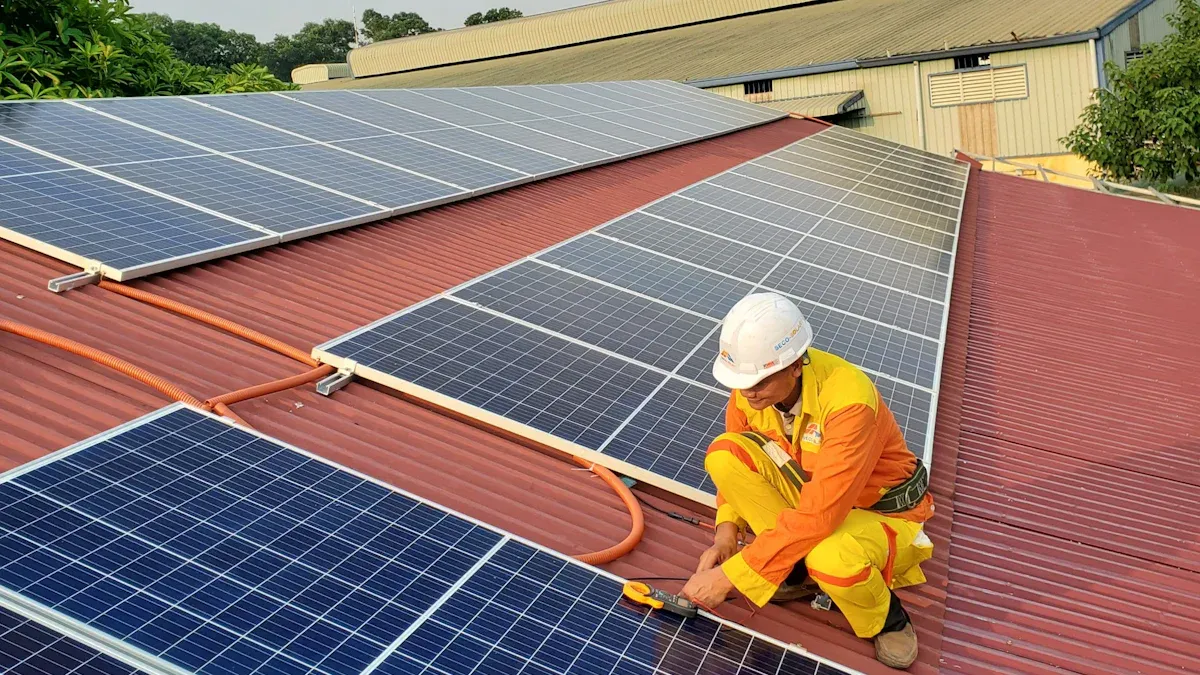
Voltage drop occurs when electricity travels through a cable, losing some of its energy as heat. This loss can reduce the efficiency of your solar system. A smaller cable, like the 1x4mm², has a higher resistance compared to the 1x6mm². Higher resistance means more energy loss over long distances. If your solar panels are far from the inverter, you should consider using the 1x6mm² cable to minimize voltage drop. By choosing the right cable size, you ensure that your system delivers maximum power to your devices.
Current capacity and compatibility with system requirements
Each solar cable has a specific current-carrying capacity. The 1x4mm² cable can handle less current than the 1x6mm². If your solar system generates higher currents, the 1x6mm² cable is a better choice. Using a cable with insufficient capacity can lead to overheating and safety risks. Always check your system’s current requirements before selecting a cable. This ensures compatibility and prevents potential hazards.
Typical applications for 1x4mm² and 1x6mm² cables
The 1x4mm² cable is suitable for smaller solar systems or shorter distances between components. It works well in residential setups with lower energy demands. On the other hand, the 1x6mm² cable is ideal for larger systems or installations requiring longer cable runs. You might use it in commercial solar projects or when connecting multiple panels to a central inverter. Choosing the right cable depends on your system’s size and layout.
Choosing the Right Solar Cable
Factors to consider: temperature rating, cable length, and current load
When selecting a solar cable, you need to evaluate three critical factors: temperature rating, cable length, and current load. The temperature rating determines how well the cable performs under extreme heat or cold. If your solar installation is in a hot or freezing environment, choose a cable designed for those conditions.
Cable length also plays a significant role. Longer cables increase resistance, leading to energy loss. To minimize this, you should calculate the distance between your solar panels and other components. A shorter cable reduces voltage drop and improves efficiency.
Lastly, consider the current load. Each cable has a maximum current it can safely carry. Exceeding this limit can cause overheating and damage. Always match the cable’s capacity to your system’s energy output to ensure safety and reliability.
Importance of compliance with industry standards
Using cables that meet industry standards ensures safety and performance. Look for certifications like TÜV or UL, which indicate the cable has passed rigorous testing. These standards verify that the cable resists UV rays, moisture, and mechanical stress. By choosing certified cables, you protect your system from potential failures and hazards.
Balancing cost, performance, and safety
Balancing cost, performance, and safety is essential when choosing a solar cable. While cheaper cables may save money upfront, they often lack durability and efficiency. Investing in high-quality cables ensures long-term reliability and reduces maintenance costs. Prioritize safety and performance over initial savings to maximize your system’s lifespan.
Benefits of Single-Core Solar Cables
Advantages of single-core cables in solar installations
Single-core cables offer several benefits for solar installations. Their design makes them lightweight and easy to handle. You can install them quickly, even in complex setups. The simplicity of a single conductor reduces the chances of wiring errors, ensuring a safer and more reliable system.
These cables also excel in durability. Manufacturers use high-quality insulation materials to protect them from harsh environmental conditions. They resist UV radiation, extreme temperatures, and moisture. This makes them ideal for outdoor solar systems. Additionally, single-core cables have lower electrical resistance, which minimizes energy loss during transmission. This improves the overall efficiency of your solar setup.
Another advantage is their flexibility. You can bend and route them through tight spaces without damaging the cable. This feature is especially useful in installations with limited room for wiring. By choosing single-core cables, you simplify the installation process while enhancing the performance and safety of your solar system.
Common use cases for 1x4mm² and 1x6mm² cables
The 1x4mm² and 1x6mm² cables are versatile options for various solar applications. The 1x4mm² cable works well in residential systems with lower energy demands. You can use it to connect solar panels to inverters or batteries over short distances. Its smaller size makes it cost-effective for compact setups.
The 1x6mm² cable is better suited for larger systems or installations requiring longer cable runs. It handles higher currents, making it ideal for commercial projects or connecting multiple panels to a central inverter. You might also use it in off-grid systems where reliability is critical. By selecting the appropriate cable, you ensure your system meets its energy and safety requirements.
Installation Practices for Solar Cables
Ensuring safety and longevity through proper installation
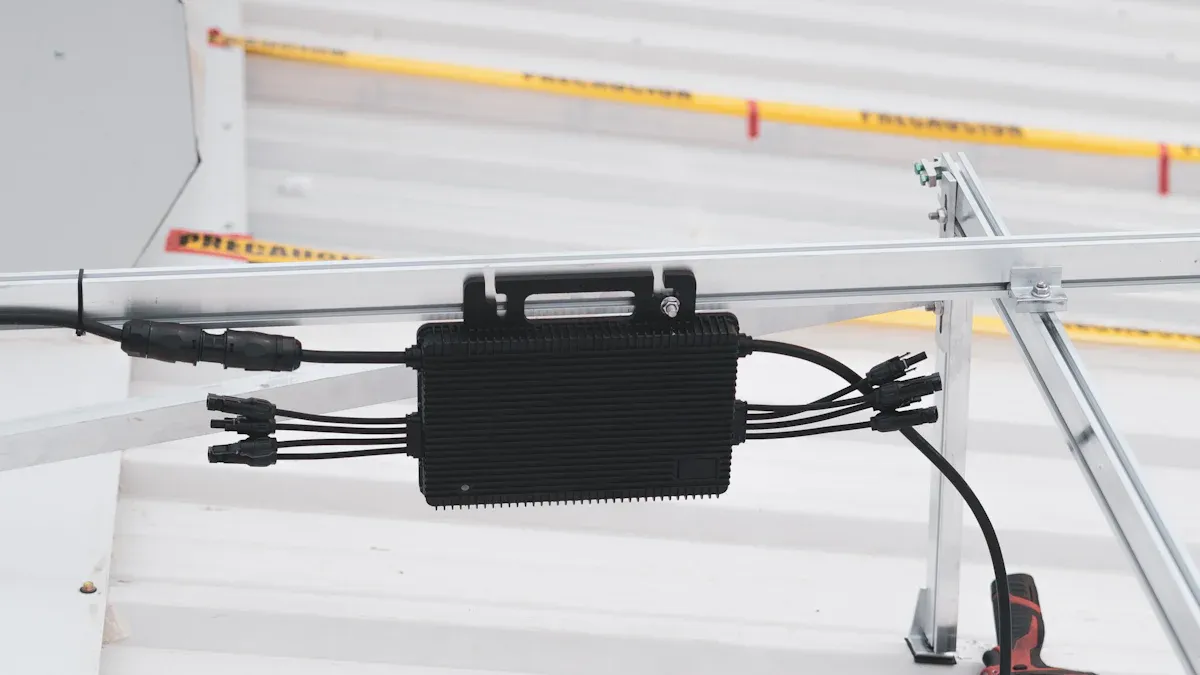
Proper installation plays a vital role in ensuring the safety and longevity of your solar cables. Start by selecting a location that minimizes exposure to physical damage. Avoid areas where cables might be stepped on or pinched. Use cable clips or ties to secure the cables and prevent unnecessary movement. This reduces wear and tear over time.
When routing the cables, maintain a safe distance from sharp edges or heat sources. Sharp edges can damage the insulation, while heat sources may degrade the cable material. Always follow the manufacturer’s guidelines for bending radius and tension limits. Overbending or pulling the cable too tightly can weaken its structure.
You should also ensure all connections are tight and secure. Loose connections can lead to overheating or energy loss. Regularly inspect the cables for signs of wear, such as cracks or discoloration. Early detection of issues helps you address them before they escalate.
Tip: Label your cables during installation. This makes future maintenance easier and reduces the risk of errors.
Common mistakes to avoid during installation
Avoiding common mistakes during installation can save you time and money. One frequent error is using the wrong cable size. A cable that’s too small may overheat, while an oversized one increases costs unnecessarily. Always match the cable size to your system’s requirements.
Another mistake is improper grounding. Failing to ground your system correctly can pose safety risks. Ensure all components are grounded according to local regulations.
Improper routing is another issue. Running cables through areas with high foot traffic or sharp objects can lead to damage. Plan your cable paths carefully to avoid these hazards.
Lastly, skipping regular inspections is a common oversight. Even after installation, you should periodically check your cables for wear or damage. This ensures your system remains safe and efficient.
Selecting the correct solar cable size is essential for optimizing your system’s efficiency and safety. Properly sized cables prevent energy loss and overheating.
Remember: Always evaluate your system’s needs, including current load and cable length. By choosing high-quality cables and following proper installation practices, you ensure long-term reliability and performance for your solar setup. 🌞
FAQ
What happens if you use the wrong cable size in a solar system?
Using the wrong cable size can cause overheating, voltage drops, or energy loss. This reduces efficiency and may damage your system over time.
How do you calculate the correct cable size for your solar system?
Consider three factors: current load, cable length, and voltage drop. Use online calculators or consult a professional to determine the appropriate size.
Tip: Always choose cables certified for solar use to ensure safety and durability.
Can you use regular electrical cables for solar installations?
No, regular cables lack the UV resistance and durability of PV cables. Solar cables are designed to withstand outdoor conditions and ensure long-term reliability.
Remember: Using the right cable type protects your system and prevents failures. 🌞