

 Send Email
 Whatsapp


Can you use any wire for solar?
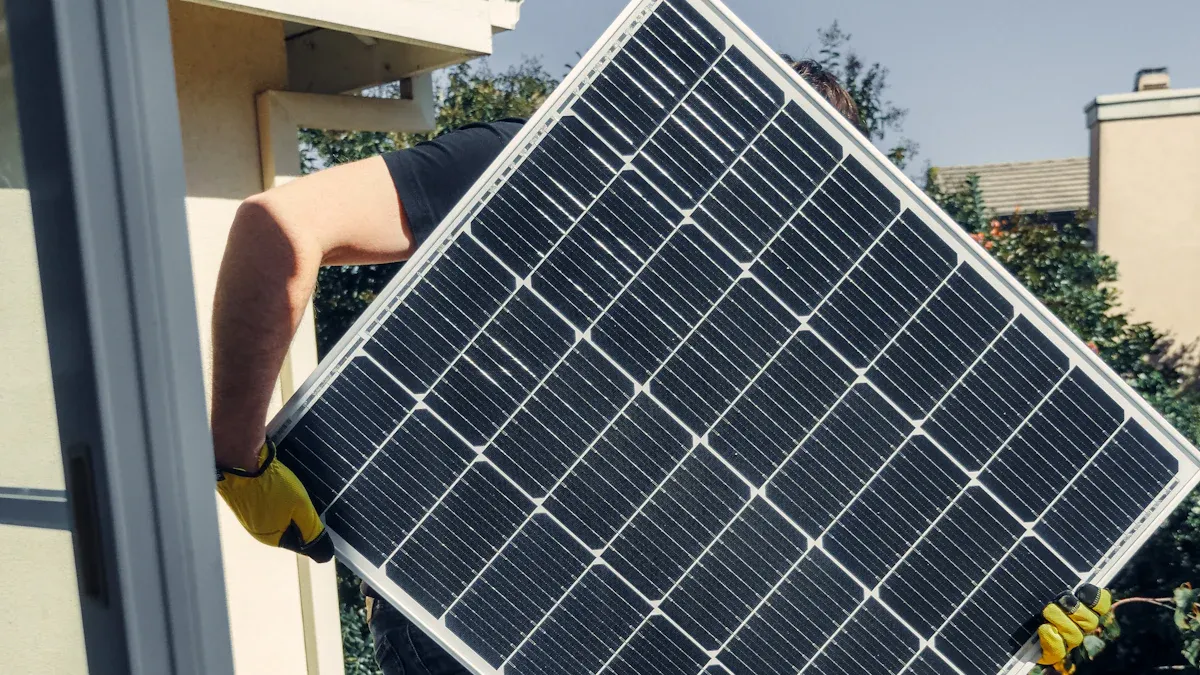
You cannot use just any wire for your solar panel system. The wrong choice can cause safety risks, reduce efficiency, and violate electrical codes. A Solar Cable, like PV wire, is specifically engineered to handle the demands of solar installations. It ensures durability, proper insulation, and compliance with industry standards.
Key Takeaways
- Picking the correct solar wire, like PV wire, is important for safety and good performance. Wrong wires can get too hot and start fires.
- Always look at wire details to make sure they match the voltage, current, and distance needs of your solar setup. This stops energy waste and system problems.
- Asking a professional installer can help you find the right wires and follow safety rules. This saves time and avoids expensive errors.
Why the Right Solar Cable Matters

Risks of Using Incorrect Wires
Using the wrong type of wire in your solar system can lead to serious problems. Incorrect wires may overheat, causing fire hazards. They might not handle the electrical load, leading to system failures. Outdoor wires that lack proper insulation can degrade quickly under sunlight or extreme weather. This can result in exposed wiring, which increases the risk of electric shock. You also risk voiding warranties or insurance claims if your system uses non-compliant wiring.
Importance of Wire Specifications
Solar installations require wires that meet specific standards. A solar cable, such as PV wire, is designed to handle high voltage and current levels. It also resists UV rays, moisture, and temperature changes. These features ensure long-term performance and safety. Choosing wires with the right gauge and insulation prevents energy loss and keeps your system efficient. You should always check the specifications to match your system's requirements.
Common Misconceptions About Solar Wiring
Many people believe any electrical wire will work for solar panels. This is not true. Regular wires lack the durability and insulation needed for outdoor use. Some think thicker wires are always better, but oversized wires can increase costs unnecessarily. Others assume solar cables are optional, but they are essential for safety and compliance. Understanding these misconceptions helps you make informed decisions.
Types of Solar Cables for Installations

PV Wire vs. Other Cables
PV wire stands out as the most reliable choice for solar installations. It is specifically designed to handle the high voltage and current levels generated by solar panels. Unlike standard electrical wires, PV wire offers superior insulation and resistance to UV rays, moisture, and temperature fluctuations. These features make it ideal for outdoor use.
Other cables, such as THHN or USE-2, are sometimes used in solar systems. However, they lack the same level of durability and protection as PV wire. THHN is suitable for indoor applications but cannot withstand prolonged exposure to sunlight. USE-2 is more robust but does not meet the same stringent standards as PV wire. Choosing the right cable ensures your system operates safely and efficiently.
Insulation and Durability Features
The insulation of a solar cable plays a critical role in its performance. PV wire uses cross-linked polyethylene (XLPE) insulation, which provides excellent resistance to heat, chemicals, and abrasion. This insulation ensures the cable remains intact even in harsh conditions.
Durability is another key factor. A high-quality solar cable can endure years of exposure to sunlight, rain, and snow without degrading. This longevity reduces maintenance costs and enhances the reliability of your solar system.
Outdoor and Indoor Wiring Needs
Outdoor wiring requires cables that can withstand environmental challenges. PV wire is the best option for outdoor use due to its UV resistance and weatherproof design. For indoor wiring, you can use cables like THHN, which are more cost-effective but still meet safety standards.
Tip: Always match the cable type to the specific environment where it will be installed. This ensures optimal performance and safety.
Choosing the Best Solar Cable
Key Factors: Voltage, Current, and Distance
When selecting a solar cable, you must consider three critical factors: voltage, current, and distance. Voltage refers to the amount of electrical potential your system generates. The cable you choose must handle this voltage without overheating or losing efficiency. Current, on the other hand, measures the flow of electricity. A cable with the wrong current rating can cause energy loss or even damage your system.
Distance plays a significant role as well. Longer distances between your solar panels and the inverter require thicker cables to minimize energy loss. Use a voltage drop calculator to determine the correct cable size for your setup. By balancing these factors, you ensure your system operates efficiently and safely.
Compliance with NEC Standards
The National Electrical Code (NEC) sets strict guidelines for solar installations. These standards ensure safety and reliability. Your solar cable must meet NEC requirements for insulation, voltage rating, and fire resistance. For example, PV wire complies with NEC standards and is ideal for outdoor use. Using non-compliant cables can lead to fines or system failures. Always check for NEC compliance when purchasing cables.
Benefits of Professional Installation
Hiring a professional installer offers several advantages. They have the expertise to select the right solar cable for your system. Professionals ensure proper connections and adherence to safety codes. This reduces the risk of accidents and improves system performance. Additionally, professional installation often comes with warranties, giving you peace of mind.
Tip: Investing in professional help can save you time and prevent costly mistakes.
Using the right solar cable ensures your system operates safely and efficiently. PV wire and other approved cables are built to handle the unique demands of solar energy. They resist harsh weather and meet strict safety standards.
Tip: Always consult a professional. They can help you choose the best cables and ensure your system complies with regulations.
FAQ
What happens if you use the wrong wire for solar panels?
Using the wrong wire can cause overheating, energy loss, or even fires. It may also void warranties and fail to meet safety regulations.
Can you use regular electrical wires for solar installations?
No, regular wires lack the durability and insulation needed for solar systems. Solar cables, like PV wire, are specifically designed for outdoor and high-voltage applications.
How do you determine the correct wire size for your solar system?
Consider voltage, current, and distance. Use a voltage drop calculator to find the right size. Proper sizing ensures efficiency and prevents energy loss.
Tip: Always consult a professional to verify your calculations and ensure compliance with safety standards.