

 Send Email
 Whatsapp


What size cable for a 200W solar panel?
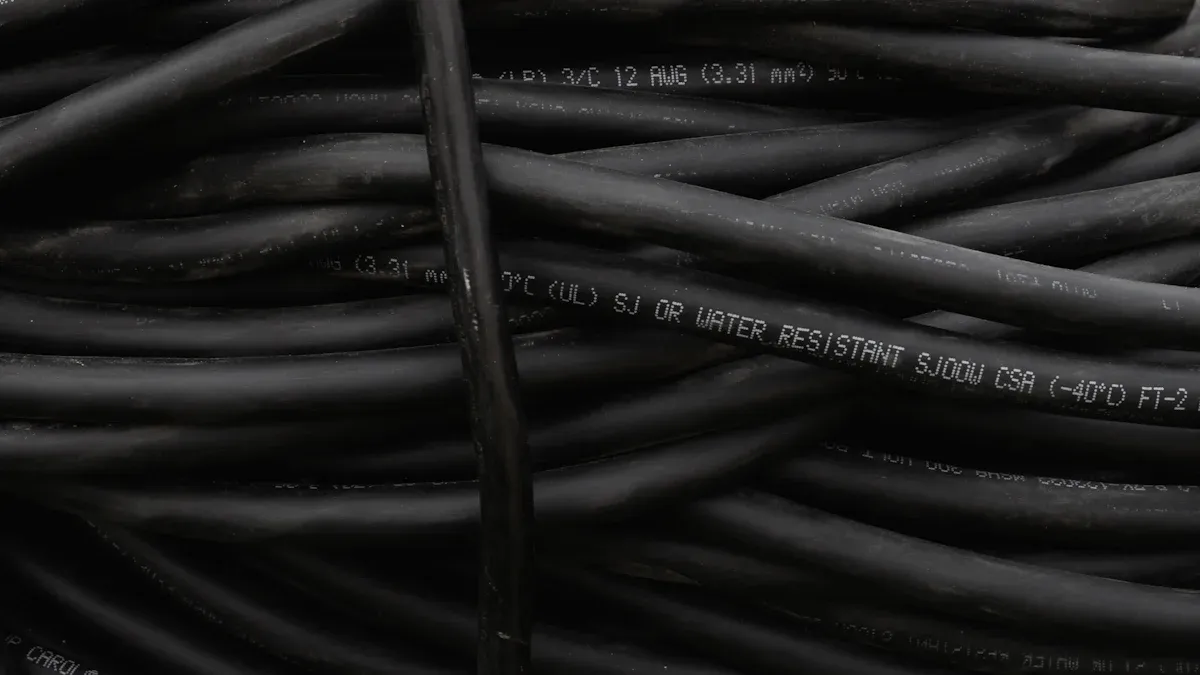
When you set up a 200W solar panel, choosing the right Solar Cable is crucial. A cable that suits your installation can enhance energy efficiency and safety. Make sure to consider factors like voltage drop and distance to ensure optimal performance.
Key Takeaways
- Keep voltage drop below 3% for optimal solar panel performance. Use the formula: Voltage Drop (V) = Current (A) × Length (m) × Resistance (Ω/m).
- Choose the right cable size based on distance: 10 AWG for up to 10 feet, 8 AWG for 10-30 feet, and 6 AWG for over 30 feet.
- Select between copper and aluminum cables. Copper offers better conductivity, while aluminum is lighter and more cost-effective.
Factors Influencing Cable Size

When selecting the right size for your solar cable, several factors come into play. Understanding these factors will help you make an informed decision.
Voltage Drop
Voltage drop occurs when the electrical voltage decreases as it travels along the cable. This drop can lead to inefficiencies in your solar power system. You want to keep the voltage drop below 3% for optimal performance.
To calculate voltage drop, you can use the formula:
Voltage Drop (V) = Current (A) × Length (m) × Resistance (Ω/m) If the voltage drop is too high, you may need to choose a thicker cable. A thicker cable has lower resistance, which reduces voltage drop.
Distance from Panel to Battery/Inverter
The distance between your solar panel and the battery or inverter significantly affects cable size. Longer distances increase resistance, leading to higher voltage drops.
- For short distances (up to 10 feet), you might use a smaller gauge cable.
- For medium distances (10 to 30 feet), a thicker cable is often necessary.
- For long distances (over 30 feet), you should definitely opt for a larger gauge to minimize losses.
Always measure the distance accurately to ensure you select the right cable size.
Current Rating
Current rating refers to the maximum amount of current a cable can safely carry. Each cable gauge has a specific current rating. You need to ensure that the cable can handle the current produced by your 200W solar panel.
For a 200W solar panel operating at 12V, the current output is approximately:
Current (A) = Power (W) / Voltage (V) = 200W / 12V ≈ 16.67A Choose a cable with a current rating higher than this value to ensure safety and efficiency.
By considering voltage drop, distance, and current rating, you can select the appropriate solar cable for your 200W solar panel setup.
Recommended Cable Sizes for 200W Solar Panel
When selecting the right solar cable for your 200W solar panel, distance plays a crucial role. Here’s a breakdown of recommended cable sizes based on different distances.
Cable Sizes for Short Distances
For distances up to 10 feet, you can use a smaller gauge cable. A 10 AWG (American Wire Gauge) cable is typically sufficient for this range. This size can handle the current produced by your solar panel while keeping voltage drop minimal.
- Recommended Size: 10 AWG
- Voltage Drop: Generally below 2% for short runs.
Using a 10 Awg Solar Cable ensures that you maintain efficiency without overspending on thicker cables.
Cable Sizes for Medium Distances
If your setup requires a distance between 10 to 30 feet, you should consider a thicker cable. A 8 AWG cable is a good choice for this range. It provides a balance between cost and performance, reducing voltage drop effectively.
- Recommended Size: 8 AWG
- Voltage Drop: Typically around 2-3%.
This size allows you to maintain efficiency while ensuring safety. It can handle the current output from your 200W solar panel without significant losses.
Cable Sizes for Long Distances
For distances exceeding 30 feet, you need to use a larger gauge cable to minimize voltage drop. An 6 AWG cable is recommended for these longer runs. This size significantly reduces resistance and ensures that your solar panel operates efficiently.
- Recommended Size: 6 AWG
- Voltage Drop: Usually below 3%.
Using a 6 Awg Solar Cable for long distances helps you avoid energy losses and ensures that your system runs smoothly.
Types of Solar Cables

Copper Cables
Copper cables are a popular choice for solar installations. They offer excellent conductivity, which means they can carry more current with less resistance. This feature helps reduce voltage drop, making your solar system more efficient. Here are some benefits of using copper cables:
- High conductivity: Copper has a lower resistance than many other materials.
- Durability: Copper cables resist corrosion and can last for many years.
- Flexibility: They are easier to work with, especially in tight spaces.
Aluminum Cables
Aluminum cables are another option for solar systems. While they are generally less conductive than copper, they are lighter and often more affordable. Here are some advantages of aluminum cables:
- Cost-effective: Aluminum cables usually cost less than copper.
- Lightweight: Their lighter weight makes installation easier.
- Good for long distances: They can be effective for longer runs when you choose a larger gauge.
Comparison of Copper and Aluminum
When deciding between copper and aluminum cables, consider the following factors:
| Feature | Copper Cables | Aluminum Cables |
|---|---|---|
| Conductivity | Excellent | Good, but lower |
| Cost | Higher | Lower |
| Weight | Heavier | Lighter |
| Lifespan | Longer | Moderate |
Choosing the right cable size for your 200W solar panel is essential. Remember these key points:
- Consider voltage drop, distance, and current rating.
- Use appropriate cable types like copper or aluminum.
Selecting the correct cable enhances efficiency and ensures safety in your solar power system. 🌞
FAQ
What is the best cable size for a 200W solar panel?
For distances up to 10 feet, use a 10 AWG cable. For longer distances, consider 8 AWG or 6 AWG cables.
How do I calculate voltage drop?
Use this formula: Voltage Drop (V) = Current (A) × Length (m) × Resistance (Ω/m). Keep it below 3% for efficiency.
Can I use aluminum cables instead of copper?
Yes, aluminum cables are lighter and cheaper. However, they require a larger gauge to match copper's conductivity.