

 Send Email
 Whatsapp


What is the best cable for solar panels?
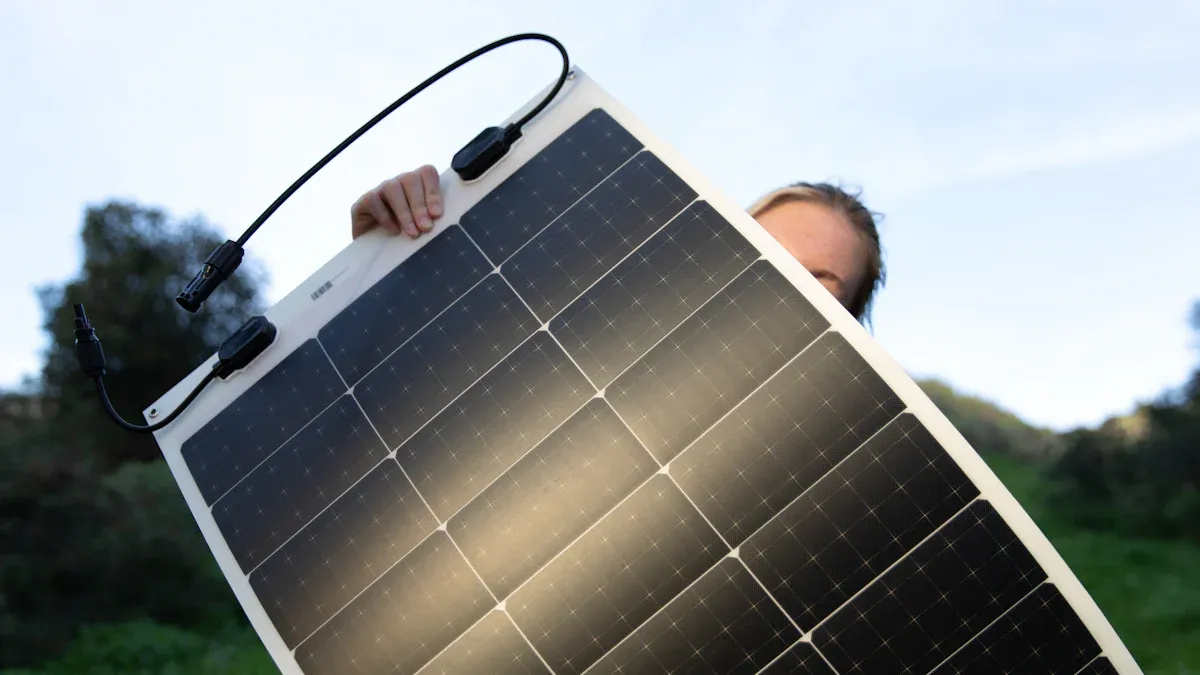
Choosing the right Solar Cable is crucial for getting the best performance from your solar panels. The right cable helps maximize energy efficiency and ensures safety in your system. A poor choice can lead to energy loss or even hazards. So, pay attention to your cable selection!
Key Takeaways
- Choose copper cables for their high conductivity and durability. They maximize energy output and resist corrosion, making them ideal for outdoor use.
- Consider aluminum cables if you're on a budget. They are lighter and cheaper but may require larger sizes and more maintenance over time.
- Always check insulation types and gauge sizes. Proper insulation protects against environmental factors, while the right gauge minimizes energy loss and ensures system safety.
Best Material for Solar Cable
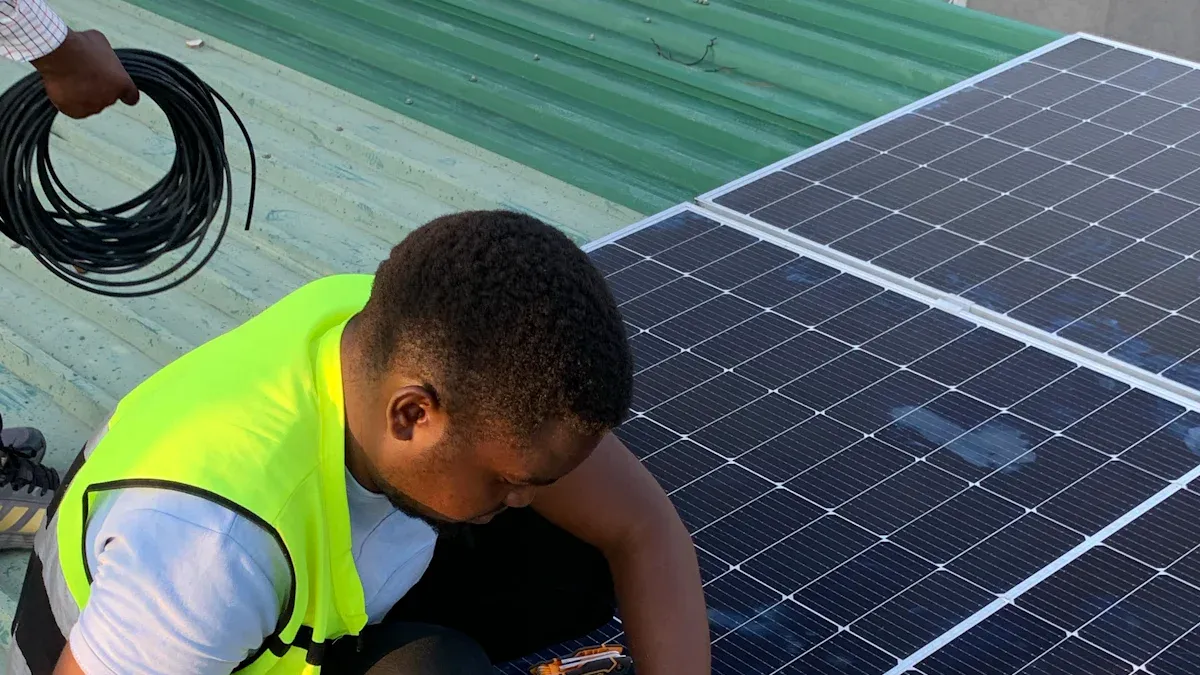
When it comes to solar cables, the material you choose plays a huge role in performance and durability. You have two main options: copper and aluminum. Let’s break down the pros and cons of each.
Copper Cables
Copper is the most popular choice for solar cables. Here’s why:
- High Conductivity: Copper has excellent electrical conductivity. This means it can carry more current with less resistance, which is crucial for maximizing energy output.
- Durability: Copper cables are strong and resistant to corrosion. They can withstand harsh weather conditions, making them ideal for outdoor use.
- Flexibility: Copper is more flexible than aluminum, which makes installation easier, especially in tight spaces.
However, copper cables can be more expensive than aluminum. If you’re on a tight budget, this might be a consideration.
Aluminum Cables
Aluminum cables are another option, and they come with their own set of benefits:
- Cost-Effective: Aluminum is generally cheaper than copper. If you’re looking to save money, aluminum cables can be a great choice.
- Lightweight: Aluminum is lighter than copper, which can make handling and installation easier.
- Adequate Conductivity: While aluminum doesn’t conduct electricity as well as copper, it can still perform adequately for many solar applications.
On the downside, aluminum cables can be more prone to corrosion and may require larger gauge sizes to carry the same current as copper. This can lead to increased installation costs.
Copper vs Aluminum for Solar Applications
When you’re deciding between copper and aluminum for your solar cable, it’s essential to weigh the pros and cons of each material. Both have their strengths, but they also come with unique challenges. Let’s dive into the details to help you make an informed choice.
Conductivity and Performance
Copper shines when it comes to conductivity. It can carry more current with less resistance, which means you get more energy from your solar panels. Here’s a quick comparison:
-
Copper:
- Higher conductivity
- Less energy loss
- Ideal for high-performance systems
-
Aluminum:
- Lower conductivity
- More energy loss
- May require larger gauge sizes to match copper's performance
Cost Considerations
Cost is often a deciding factor. While copper cables are more expensive, they can save you money in the long run due to their efficiency. Aluminum cables are cheaper upfront, but you might end up spending more on installation and maintenance. Here’s a breakdown:
| Material | Initial Cost | Long-term Cost | Maintenance Needs |
|---|---|---|---|
| Copper | Higher | Lower | Minimal |
| Aluminum | Lower | Higher | More frequent |
Weight and Flexibility
If you’re working on a DIY solar project, weight and flexibility matter. Aluminum is lighter, making it easier to handle and install. However, copper’s flexibility allows for easier routing in tight spaces. Consider your installation environment when making your choice.
Corrosion Resistance
Corrosion can be a significant issue, especially in outdoor installations. Copper is naturally resistant to corrosion, while aluminum can corrode if not properly treated. If you live in a humid or coastal area, copper might be the better option for longevity.
Insulation Types for Solar Cables
When you choose a solar cable, insulation is just as important as the material. The right insulation protects your cables from environmental factors and ensures safety. Here are the most common types of insulation used in solar cables:
-
Thermoplastic Elastomer (TPE): This type offers excellent flexibility and durability. TPE can handle extreme temperatures, making it a great choice for outdoor installations. It also resists UV rays and ozone, which helps prolong the life of your solar cable.
-
Polyvinyl Chloride (PVC): PVC is another popular option. It’s cost-effective and provides decent protection against moisture and chemicals. However, it may not perform as well in extreme temperatures compared to TPE. If you live in a milder climate, PVC could be a suitable choice.
-
Cross-Linked Polyethylene (XLPE): XLPE insulation is known for its high thermal resistance. It can withstand higher temperatures without degrading. This makes it ideal for systems that generate a lot of heat.
Tip: Always check the insulation rating before purchasing. The right insulation can make a big difference in the longevity and performance of your solar cable.
Choosing the right insulation type can enhance the efficiency of your solar system. Make sure to consider your local climate and installation conditions when making your decision.
Gauge Size and Solar Panel Performance
When it comes to solar cables, gauge size matters more than you might think. The gauge refers to the thickness of the wire, and it directly impacts how much current the cable can carry. If you choose the wrong gauge, you could face energy loss or even damage to your system.
Here’s a quick breakdown of how gauge size affects performance:
-
Lower Gauge Numbers: These indicate thicker wires. Thicker wires can carry more current with less resistance. This means less energy loss and better performance for your solar panels.
-
Higher Gauge Numbers: These indicate thinner wires. While they may be cheaper, they can’t handle as much current. This can lead to overheating and potential system failure.
So, how do you choose the right gauge? It depends on your solar panel system's size and the distance between the panels and the inverter. For longer distances, you’ll want a lower gauge to minimize energy loss.
Tip: Always consult the manufacturer’s guidelines for your solar panels. They often provide recommendations on the appropriate gauge size for optimal performance.
Installation Considerations for Solar Cables
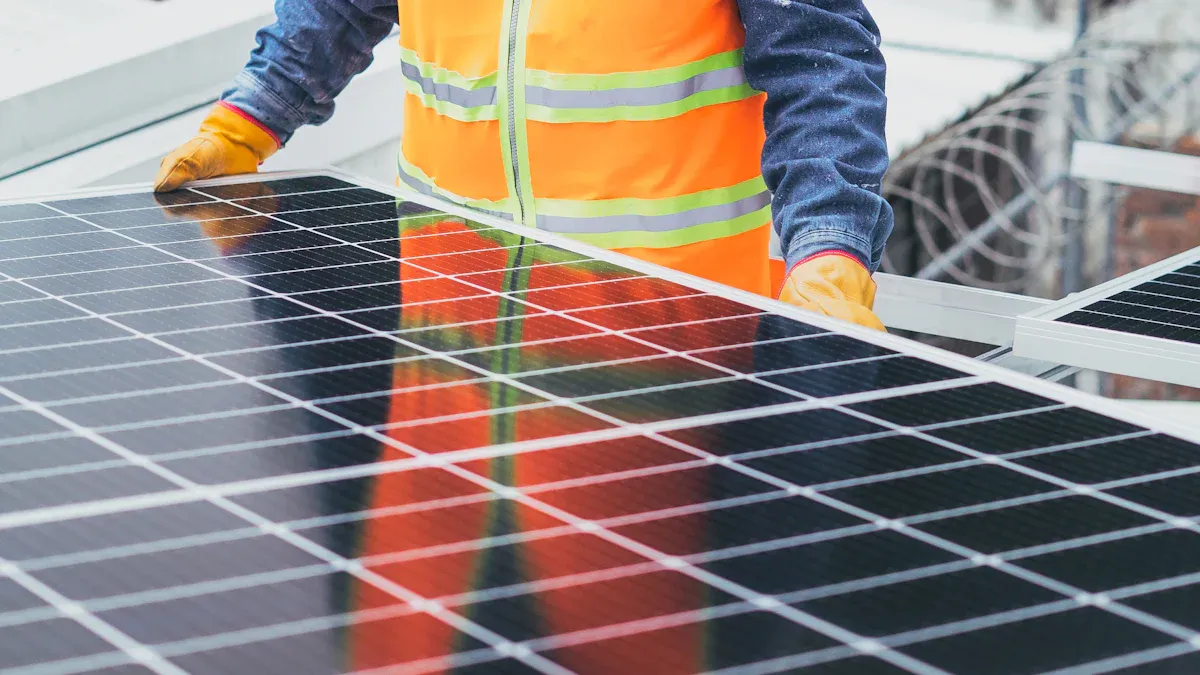
When you install solar cables, several factors can affect your system's performance and safety. Here are some key considerations to keep in mind:
-
Cable Length: The distance between your solar panels and the inverter matters. Longer cables can lead to energy loss. If you have a long run, consider using a thicker gauge to minimize this loss.
-
Temperature Ratings: Check the temperature ratings of your solar cable. Cables need to withstand the heat generated by the system. If you live in a hot climate, choose cables with higher temperature ratings to ensure they perform well.
-
Environmental Protection: Your cables will face various environmental conditions. Make sure to select cables with proper insulation to protect against UV rays, moisture, and extreme temperatures. This will help extend the life of your solar cable.
-
Secure Connections: Ensure all connections are tight and secure. Loose connections can lead to overheating and energy loss. Regularly inspect your system to catch any issues early.
-
Local Codes and Regulations: Always check local building codes and regulations. They may have specific requirements for solar cable installation. Following these guidelines ensures your system is safe and compliant.
By considering these factors, you can enhance the efficiency and longevity of your solar panel system.
In summary, choosing the right solar cable is vital for your solar panel system's efficiency and safety. Copper cables offer excellent conductivity and durability, while aluminum cables are budget-friendly. Always make informed decisions to ensure your system performs at its best. Your choice matters!
FAQ
What type of cable is best for solar panels?
Copper cables are generally the best choice due to their high conductivity and durability, ensuring optimal performance for your solar system.
How do I determine the right gauge size?
Choose a gauge based on your system's size and distance from the inverter. Thicker wires minimize energy loss over longer distances.
Can I use regular electrical wire for solar panels?
No, regular electrical wire lacks the necessary insulation and durability for outdoor solar applications. Always use cables specifically designed for solar energy systems.