
 Send Email
 Whatsapp


How to Choose the Best Solar Cable for Maximum Efficiency
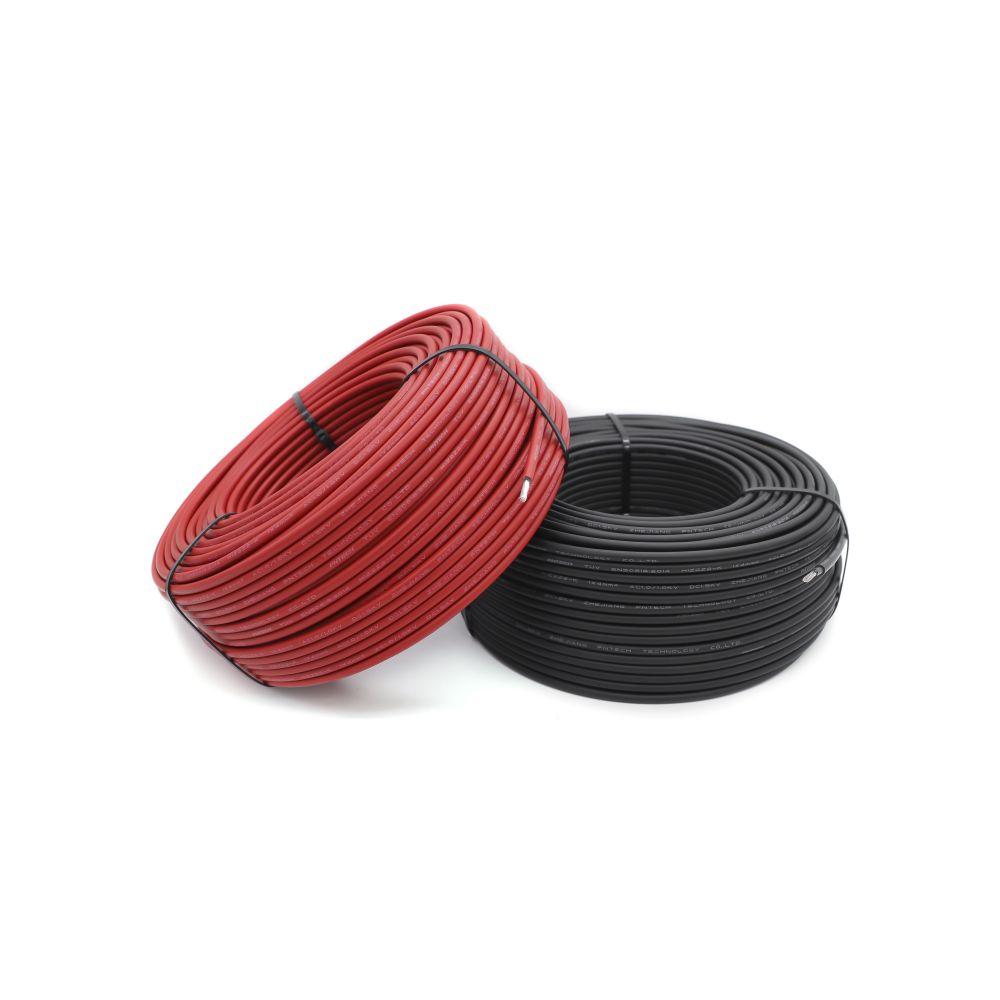
Choosing the right Solar Cable ensures your solar power system operates efficiently and safely. High-quality options, like the H1Z2Z2-K 10mm², reduce energy loss and withstand harsh conditions. Durable materials and reliable performance make these cables essential for maximizing energy production and protecting your investment in renewable energy.
Key Takeaways
- Picking the correct solar cable size is very important. It stops overheating and energy waste, helping your system work well.
- Good materials, like cross-linked polyethylene, give strong insulation. They also block UV rays, keeping cables safe and lasting longer.
- Choose cables with certifications like TUV, UL, and IEC. These prove they are safe and work well, so you can trust them.
Importance of Cable Size in Solar Systems
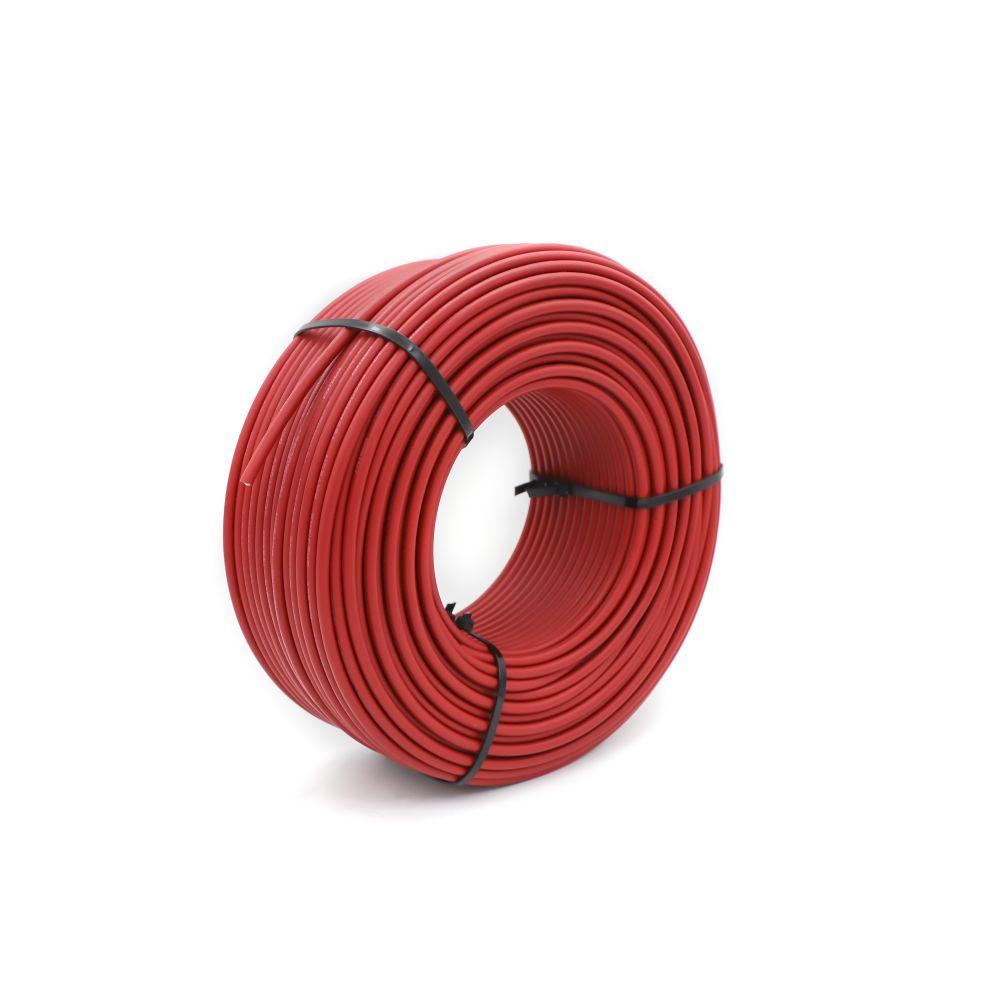
Choosing the correct cable size is essential for the efficiency and safety of your solar power system. The right size ensures optimal energy transfer and prevents overheating or energy loss. Understanding how to determine the appropriate size helps you avoid costly mistakes and ensures your system operates at its best.
How to Determine the Right Cable Size
To determine the correct cable size, you need to calculate the current your system will carry and the distance between components. Longer distances require thicker cables to reduce energy loss. Use a cable sizing chart or calculator to match your system's specifications. Always consider the maximum current your solar panels and inverter can produce to ensure the cable can handle the load.
Voltage Drop and Ampacity Considerations
Voltage drop occurs when electricity travels through a cable, causing energy loss. Keeping voltage drop below 3% ensures your system remains efficient. Ampacity refers to the maximum current a cable can safely carry. Selecting a cable with sufficient ampacity prevents overheating and ensures long-term reliability. Both factors play a critical role in maintaining your system's performance.
Avoiding Common Sizing Mistakes
Many people underestimate the importance of cable size. Using undersized cables can lead to overheating, energy loss, or even fire hazards. Overestimating cable size increases costs unnecessarily. Always follow manufacturer guidelines and consult a professional if unsure. Proper planning ensures your solar cable meets your system's needs.
Material Quality and Durability in Solar Cables
Insulation and UV Resistance
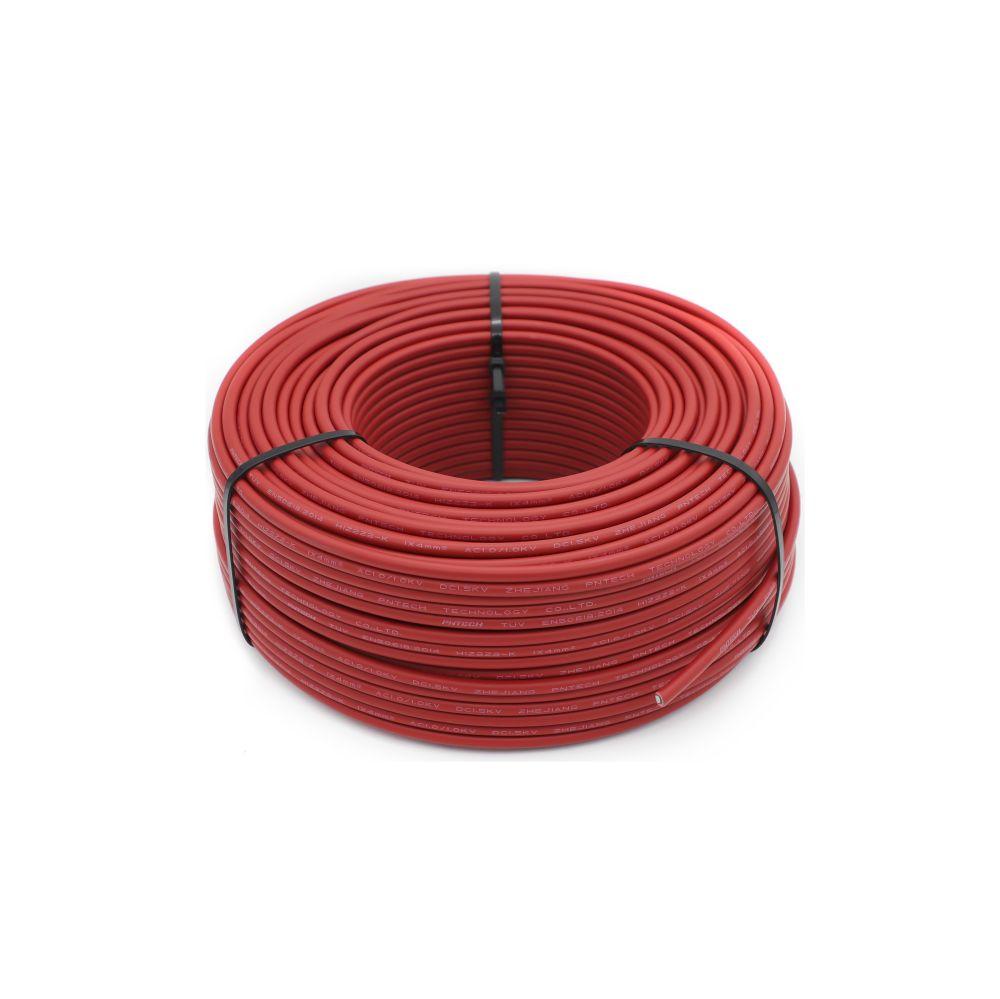
The insulation of a solar cable plays a vital role in its performance and safety. High-quality insulation protects the cable from electrical faults and ensures efficient energy transfer. When choosing a cable, look for materials like cross-linked polyethylene (XLPO). This material offers excellent resistance to wear and tear.
UV resistance is equally important, especially for outdoor installations. Prolonged exposure to sunlight can degrade cables without proper UV protection. A UV-resistant cable maintains its integrity and performance over time. This feature ensures your solar system operates reliably, even in harsh sunlight.
Temperature Ratings and Weatherproofing
Solar cables must withstand extreme temperatures. Check the temperature rating of the cable to ensure it suits your environment. For example, the H1Z2Z2-K 10mm² cable operates effectively between -40℃ and 90℃. This wide range makes it suitable for both hot and cold climates.
Weatherproofing is another critical factor. Rain, snow, and wind can damage poorly designed cables. A weatherproof solar cable resists moisture and mechanical stress, ensuring durability in all conditions. This feature reduces maintenance needs and extends the cable's lifespan.
Copper vs. Aluminum Conductors: Which is Better?
When comparing copper and aluminum conductors, copper often emerges as the better choice. Copper offers higher conductivity, which minimizes energy loss. It also resists corrosion, making it more durable in outdoor environments.
Aluminum, while lighter and cheaper, has lower conductivity. It may require a larger size to match the performance of copper. For maximum efficiency and reliability, copper conductors are the preferred option for most solar installations.
Certifications and Compliance for Solar Cables
Key Certifications: TUV, UL, and IEC
Certifications ensure that a solar cable meets industry standards for safety and performance. Three key certifications to look for are TUV, UL, and IEC. TUV certification confirms that the cable has undergone rigorous testing for quality and reliability. UL certification focuses on safety, ensuring the cable can handle electrical demands without risk. IEC certification guarantees that the cable complies with international standards, making it suitable for global use. When you choose a cable with these certifications, you can trust its durability and efficiency.
Environmental Standards and Fire Safety
Environmental standards play a crucial role in selecting a solar cable. Look for cables that comply with ROHS2.0 or similar regulations. These standards ensure the cable is free from hazardous substances, making it safer for the environment. Fire safety is equally important. A high-quality cable should resist fire and prevent the spread of flames. This feature protects your solar system and property in case of electrical faults. Always prioritize cables designed with both environmental and fire safety in mind.
Verifying Cable Compliance with Industry Standards
Verifying compliance ensures you invest in a reliable product. Start by checking the cable's label or documentation for certifications like TUV, UL, or IEC. Manufacturers often provide test reports or compliance certificates. You can also consult industry professionals or trusted reviews to confirm the cable meets required standards. By verifying compliance, you ensure your solar system operates safely and efficiently.
Practical Tips for Choosing the Best Solar Cable
Evaluating Manufacturer Reputation and Reviews
Choosing a reliable manufacturer ensures you get a high-quality solar cable. Start by researching the company's history and expertise in producing solar components. Look for manufacturers with a proven track record in the renewable energy industry. Customer reviews and testimonials provide valuable insights into the product's performance and durability. Focus on feedback from users with similar solar systems to yours. Independent review platforms and forums can also help you identify trusted brands. A reputable manufacturer often provides detailed product specifications and certifications, which reflect their commitment to quality.
Understanding Warranties and Lifespan
A good warranty protects your investment and indicates the manufacturer's confidence in their product. Check the warranty period offered for the solar cable. Longer warranties often suggest better durability and reliability. Review the warranty terms to understand what is covered, such as defects or performance issues. The lifespan of the cable is another critical factor. High-quality cables, like the H1Z2Z2-K 10mm², are designed to last for decades under proper conditions. Investing in a durable cable reduces maintenance costs and ensures long-term efficiency.
Ensuring Compatibility with Your Solar System
Compatibility is key to the smooth operation of your solar power system. Verify that the cable matches your system's voltage and current requirements. Check the cable's specifications, such as its ampacity and insulation material, to ensure it can handle your system's demands. Consider the environmental conditions where the cable will be installed. For example, cables with UV resistance and weatherproofing are ideal for outdoor setups. Consult your system's manual or a professional installer to confirm the cable's compatibility. A well-matched cable enhances performance and prevents potential issues.
Choosing the right solar cable ensures your system operates efficiently and safely. High-quality options, like the H1Z2Z2-K 10mm², deliver superior performance and durability. They minimize energy loss and withstand harsh conditions. Prioritize quality and compliance to protect your investment and support a sustainable future. Your choice matters for long-term success.
FAQ
What is the lifespan of a high-quality solar cable?
A high-quality solar cable, like the H1Z2Z2-K 10mm², can last over 25 years. Its durable materials and weatherproof design ensure long-term reliability in various environments.
How do I calculate the voltage drop for my solar cable?
Use a voltage drop calculator. Input the cable length, current, and conductor material. Keeping the voltage drop below 3% ensures your solar system operates efficiently.
Can I use any cable for my solar system?
No, you need solar-specific cables. These cables offer UV resistance, weatherproofing, and high conductivity. They ensure safety, efficiency, and compliance with industry standards.