

 Send Email
 Whatsapp


Which wire is good for solar?

When it comes to solar installations, the type of wire you choose matters a lot. PV Wire, USE-2, and RHW-2 stand out because they’re durable and handle outdoor conditions well. A good Solar Cable resists UV rays and lasts for years. Picking the right one ensures your system runs smoothly and safely.
Key Takeaways
- Pick strong wires like PV Wire, USE-2, or RHW-2 for outdoor solar setups. These wires block UV rays and last a long time.
- Use copper wires instead of aluminum for better energy flow. Copper wires are flexible, work well, and survive tough weather.
- Always look at the insulation rating of Solar Wires. Good insulation stops damage and keeps your system safe and working well.
Materials for Solar Cables
Copper vs. Aluminum
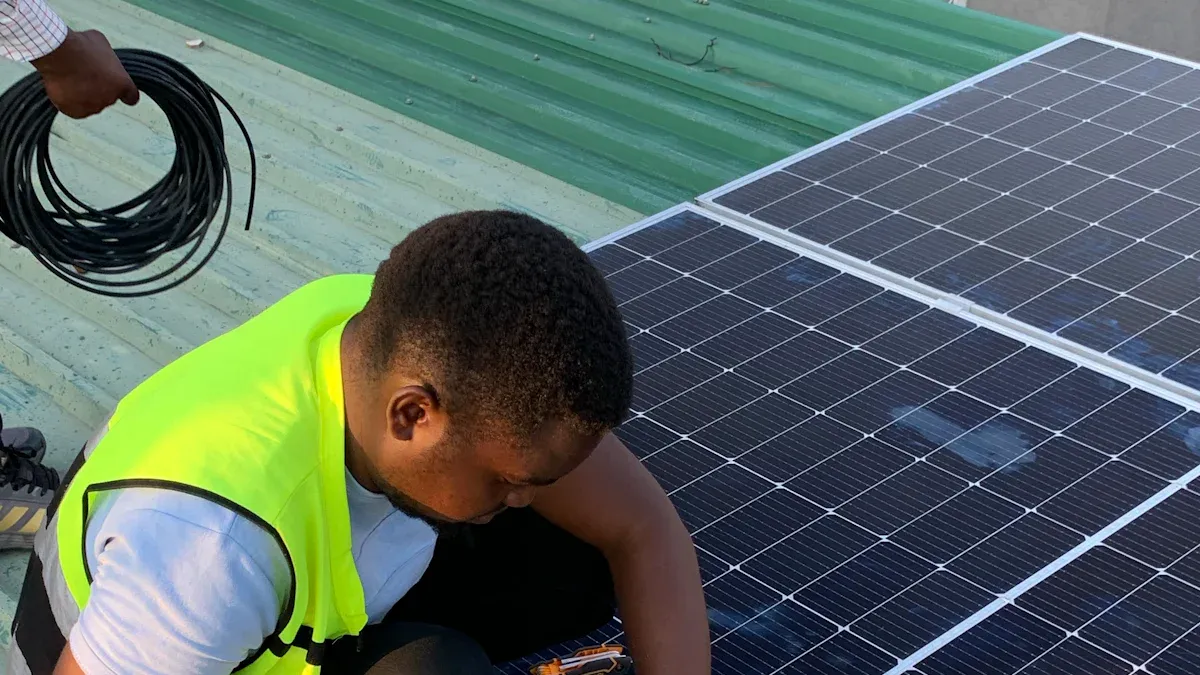
When choosing materials for your solar cables, you’ll often come across two main options: copper and aluminum. Both have their strengths, but they serve different purposes. Copper is known for its excellent conductivity, meaning it allows electricity to flow more efficiently. Aluminum, on the other hand, is lighter and more affordable, making it a popular choice for large-scale projects where cost is a concern.
However, aluminum isn’t as durable as copper. It’s more prone to corrosion and can break down faster in harsh environments. This makes it less ideal for outdoor solar installations. Copper, with its superior strength and resistance to wear, tends to last longer, even in tough conditions. If you’re looking for reliability and performance, copper is often the better choice.
Why Copper is Preferred for Solar Systems
Copper stands out as the go-to material for solar systems, and for good reason. Its high conductivity ensures that your solar cable can handle the energy generated by your panels without significant power loss. This means your system operates more efficiently, saving you money in the long run.
Another reason copper is preferred is its flexibility. You can bend and shape copper wires easily, which makes installation simpler, especially in tight spaces. Plus, copper’s durability means it can withstand extreme weather conditions, from scorching heat to freezing cold. When you invest in copper solar cables, you’re choosing a material that offers both performance and longevity.
Insulation for Solar Cables
Importance of Insulation
When it comes to solar systems, insulation is more than just a protective layer. It’s what keeps your solar cables safe from damage and ensures they work efficiently. Without proper insulation, your cables could face wear and tear from exposure to sunlight, moisture, or extreme temperatures. This can lead to energy loss or even dangerous short circuits.
Think of insulation as a shield. It protects the wires inside from external elements while also preventing electrical shocks. If you’re setting up a solar system, you want cables that can handle outdoor conditions without breaking down. That’s where high-quality insulation comes in. It’s not just about safety—it’s about making sure your system lasts for years.
Tip: Always check the insulation rating of a solar cable before buying. It’s a small step that can save you big headaches later.
Best Insulation Types for Solar Systems
Not all insulation is created equal. For solar systems, you need materials that can handle tough environments. Here are some of the best options:
- XLPE (Cross-Linked Polyethylene): This type is known for its durability and heat resistance. It’s perfect for areas with high temperatures.
- PVC (Polyvinyl Chloride): A budget-friendly option that offers decent protection against UV rays and moisture.
- EPR (Ethylene Propylene Rubber): Highly flexible and resistant to extreme weather, making it ideal for outdoor use.
Each type has its strengths, so choose one that fits your specific needs. If you’re unsure, consult a professional to make the best decision for your solar setup.
Solar Cable Thickness and Current Capacity
Understanding Wire Gauge
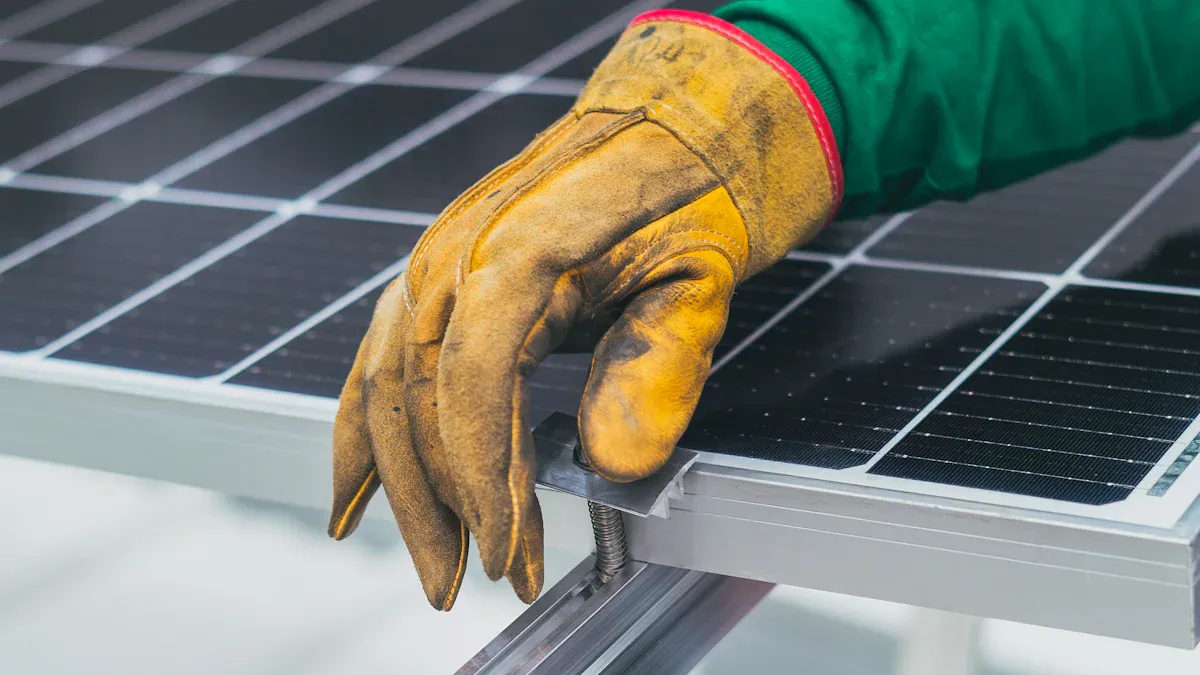
When it comes to solar cables, wire gauge is something you can’t ignore. It’s a measure of the wire’s thickness, and it directly affects how much current the cable can handle. The smaller the gauge number, the thicker the wire. For example, a 10-gauge wire is thicker than a 14-gauge wire.
Why does this matter? Thicker wires can carry more electricity without overheating. If you pick a wire that’s too thin for your system, it could lead to energy loss or even damage your equipment. On the other hand, using a wire that’s too thick might be overkill and cost you more than necessary.
Tip: Always check the current rating of your solar system before deciding on the wire gauge. It’s better to be safe than sorry!
Choosing the Right Thickness for Your Solar System
Picking the right thickness for your solar cable depends on a few key factors. First, consider the amount of current your system generates. Higher currents need thicker wires to prevent overheating. Second, think about the distance between your solar panels and the inverter. Longer distances mean more resistance, so you’ll need a thicker wire to minimize energy loss.
Here’s a quick rule of thumb:
- For short distances and low currents, a 12- or 14-gauge wire might work.
- For higher currents or longer distances, go for a 10-gauge or even thicker wire.
If you’re unsure, consult a professional. They can help you choose the perfect wire thickness for your setup.
Solid vs. Stranded Solar Cables
Differences Between Solid and Stranded Cables
When choosing a solar cable, you’ll come across two main types: solid and stranded. The difference lies in their construction. A solid cable consists of a single, thick wire, while a stranded cable is made up of multiple smaller wires twisted together.
Solid cables are rigid and less flexible. They’re great for stationary setups where the wire doesn’t need to move or bend. On the other hand, stranded cables are much more flexible. They can handle frequent bending and movement without breaking.
Note: Solid cables are often used indoors or in fixed installations, while stranded cables are better suited for outdoor or dynamic environments.
Why Stranded Cables Are Preferred for Solar Installations
Stranded cables are the top choice for solar installations, and here’s why. Their flexibility makes them easier to install, especially when you’re working in tight spaces or need to route the cable around obstacles. You won’t have to worry about the wire snapping or becoming damaged during installation.
Another big advantage is durability. Stranded cables can withstand vibrations and movement caused by wind or temperature changes. This makes them ideal for outdoor solar systems, where conditions can be unpredictable.
If you want a reliable and long-lasting solution for your solar setup, stranded cables are the way to go. They’re designed to handle the challenges of outdoor environments while ensuring your system runs smoothly.
Color Coding and Safety in Solar Cables
Importance of Color Coding
Color coding plays a crucial role in keeping your solar system safe and organized. It helps you quickly identify the purpose of each wire, reducing the chances of mistakes during installation or maintenance. Imagine trying to troubleshoot your system without knowing which wire does what—it would be a nightmare!
Using the right colors also ensures compliance with safety standards. This is especially important when working with high-voltage systems like solar setups. Proper color coding minimizes the risk of accidents, like electrical shocks or short circuits. It’s not just about convenience; it’s about protecting you and your equipment.
Pro Tip: Always double-check the color codes before connecting wires. A small mistake can lead to big problems later.
Common Color Codes for Solar Systems
Solar systems follow specific color codes to make wiring straightforward. Here are the most common ones you’ll encounter:
- Red: Positive wires (DC circuits).
- Black: Negative wires (DC circuits).
- Green or Bare Copper: Ground wires.
- White or Gray: Neutral wires (AC circuits).
These colors help you distinguish between different functions at a glance. For example, the red wire in a solar cable typically carries the positive current, while the black wire carries the negative. Ground wires, often green or bare, provide a safe path for excess electricity.
By sticking to these standard codes, you make your system easier to manage and safer to operate. If you’re ever unsure, consult a professional to avoid costly mistakes.
When it comes to solar installations, choosing the right solar cable is crucial. PV Wire, USE-2, and RHW-2 are excellent options because they’re durable and work well in outdoor environments. Copper cables, with their superior conductivity and flexibility, are often the best choice. For peace of mind, always consult a professional before installation.
FAQ
What is the difference between PV Wire and USE-2 cables?
PV Wire has thicker insulation and better UV resistance, making it ideal for outdoor solar setups. USE-2 cables are simpler and work well for basic installations.
Can I use regular electrical wires for solar panels?
No, regular wires lack UV resistance and durability. Solar cables, like PV Wire, are designed to handle outdoor conditions and ensure long-term performance.
How do I calculate the right wire gauge for my solar system?
Check your system’s current and distance between components. Use a wire gauge chart or consult a professional to avoid energy loss or overheating.
Tip: Always prioritize safety by choosing wires rated for your system’s voltage and current.