

 Send Email
 Whatsapp


What is the color code for solar panel wires?
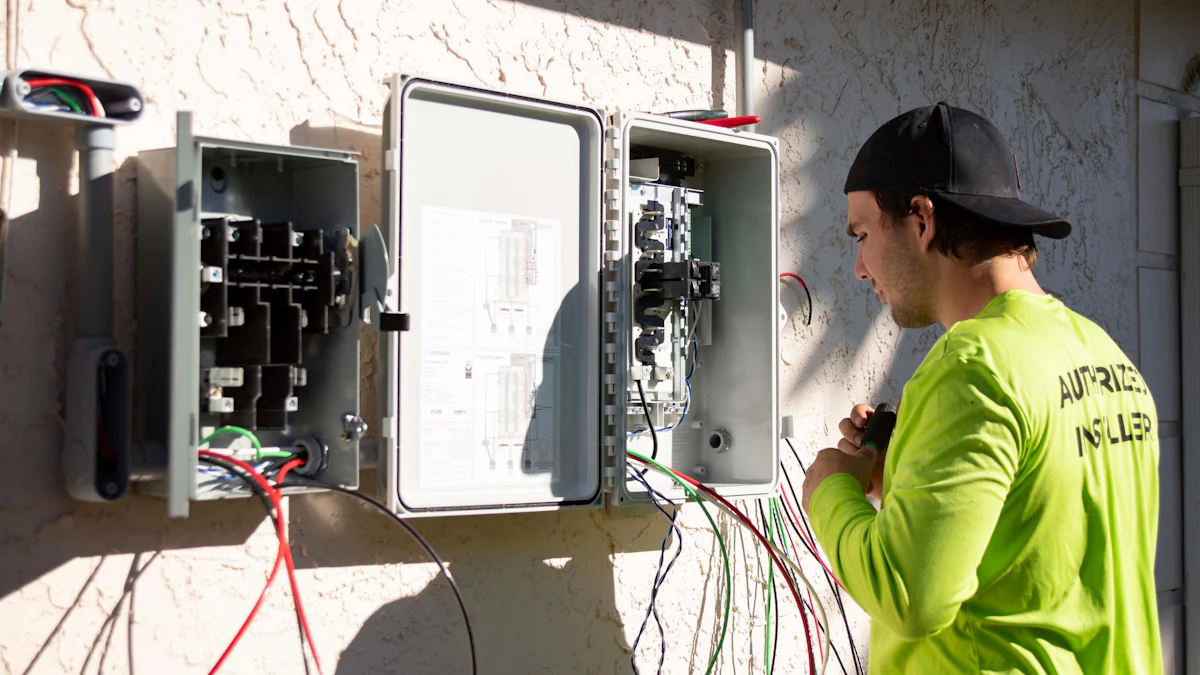
Solar Panel Wires are designed with color codes to make identification simple and ensure safe handling. Red represents positive, black indicates negative, and green or bare signifies the ground. Understanding these codes is essential for safe installation and maintenance. A solar PV DC cable adheres to these standard color codes to guarantee proper and secure connections.
Key Takeaways
- Red wires show positive connections. Connect them to the positive terminal to prevent damage.
- Black wires mean negative connections. Identifying them correctly avoids reverse polarity problems.
- Green or bare wires are for grounding. Grounding stops electrical shocks and keeps the system safe.
Standard Color Codes for Solar PV DC Cable
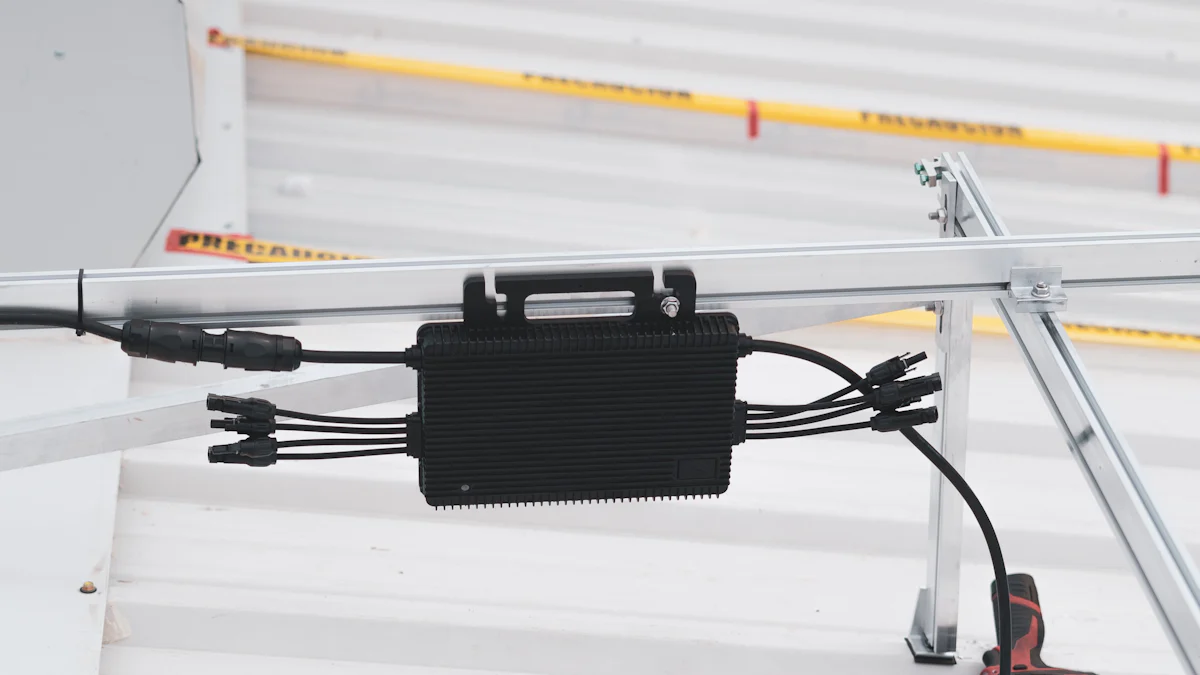
Color coding plays a vital role in identifying wires in a solar PV DC cable. Each wire has a specific color to indicate its function. This system ensures you can safely and correctly connect the components of your solar panel system. Let’s explore the standard color codes for these wires.
Positive Wire (Red)
The positive wire in a solar PV DC cable is red. This wire carries the direct current (DC) from the solar panel to the inverter or charge controller. You must connect this wire to the positive terminal of the device. Misconnecting it can lead to system failure or even damage. Always double-check the red wire before making any connections.
Negative Wire (Black)
The negative wire is black. It completes the circuit by returning the current to the solar panel. This wire connects to the negative terminal of the inverter or charge controller. Identifying the black wire correctly is essential to avoid reverse polarity, which can harm your solar equipment.
Ground Wire (Green or Bare)
The ground wire is either green or bare (uninsulated). Its primary purpose is to provide a safe path for electrical faults. This wire protects you and your system from electrical shocks. You should connect it to the grounding point of your solar PV DC cable system. Proper grounding is a critical safety measure.
By understanding these color codes, you can ensure safe and efficient installation of your solar PV DC cable system.
Importance of Color Coding in Solar Panel Systems
Ensuring Proper Connections
Color coding helps you connect solar panel wires correctly. Each wire has a specific role in the system. The red wire carries positive current, while the black wire handles negative current. The green or bare wire provides grounding. When you follow these color codes, you reduce the risk of errors. Incorrect connections can damage your solar PV DC cable or other components. Always match the wire colors to their corresponding terminals for a reliable setup.
Enhancing Safety During Installation
Safety is a top priority when working with solar panel systems. Color-coded wires make it easier for you to identify their functions. This reduces the chance of accidental shocks or short circuits. For example, the green or bare wire ensures proper grounding, protecting you from electrical hazards. By using the correct wires, you create a safer environment during installation. Clear identification also helps you avoid confusion when handling multiple cables.
Preventing System Malfunctions
Proper color coding prevents malfunctions in your solar panel system. Misconnecting wires can lead to reverse polarity, which may damage the inverter or battery. A damaged solar PV DC cable can disrupt energy flow, reducing efficiency. By following the color codes, you ensure the system operates smoothly. This not only extends the lifespan of your equipment but also improves overall performance. Regularly check the wires to maintain their integrity.
How to Identify Positive and Negative Wires
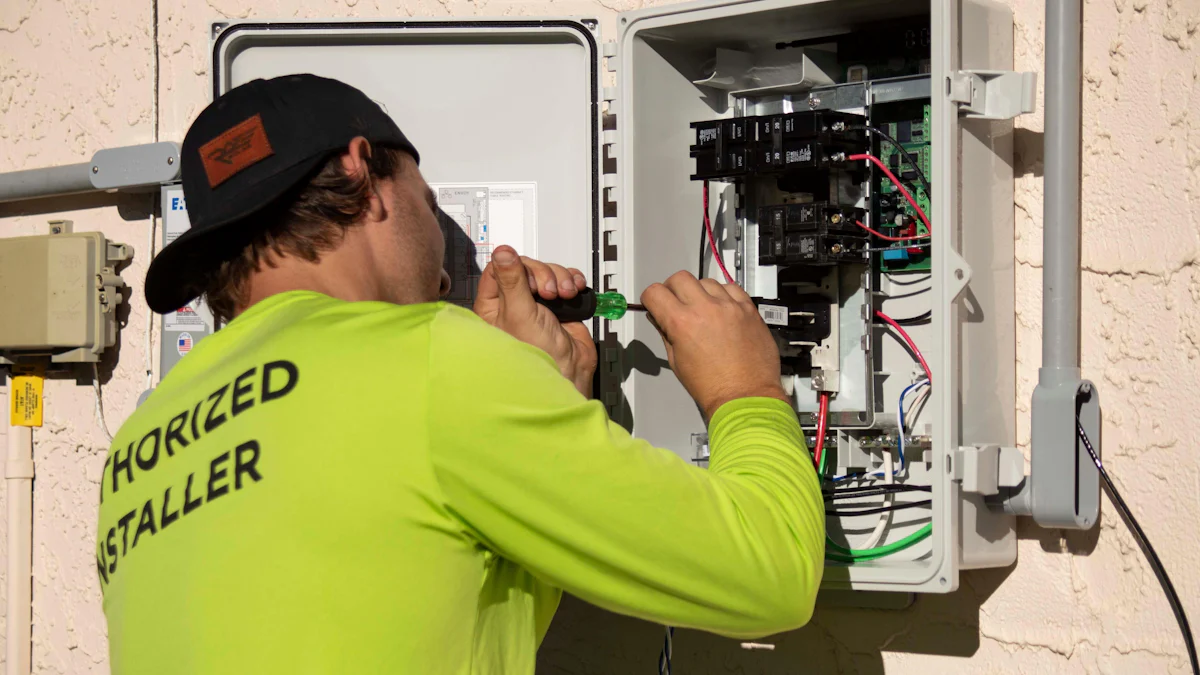
Checking the Back of the Solar Panel
The back of your solar panel often provides clear markings for wire identification. Look for symbols or labels near the terminals. A "+" symbol indicates the positive terminal, while a "-" symbol marks the negative terminal. These labels help you match the wires to their correct terminals. Some panels also use color-coded connectors, making identification even easier. Always inspect the panel carefully before making any connections.
Consulting the Manufacturer’s Manual
The manufacturer’s manual is a reliable resource for identifying wires. It contains detailed diagrams and instructions specific to your solar panel model. Check the manual for information about the positive and negative wires. If your solar PV DC cable has unique color codes, the manual will explain them. Keep the manual handy during installation to avoid mistakes. Following the manufacturer’s guidelines ensures a safe and efficient setup.
Using a Multimeter for Verification
A multimeter is a valuable tool for verifying wire polarity. Set the multimeter to measure DC voltage. Connect the probes to the wires, ensuring the red probe touches one wire and the black probe touches the other. If the reading shows a positive value, the red probe is on the positive wire. A negative reading means the red probe is on the negative wire. This method provides accurate results, especially when color codes or labels are unclear.
Tip: Always double-check wire polarity before connecting them to your system. This prevents damage to your equipment and ensures proper operation.
While red, black, and green wires are standard, manufacturers or regions may use different codes. Always check the product manual for accurate guidance. Properly identifying wires ensures safety and boosts system performance.
Note: Following safety guidelines protects you from electrical hazards and keeps your solar panel system running efficiently.
FAQ
What should you do if the wire colors differ from the standard codes?
Tip: Always consult the manufacturer’s manual. It provides specific details about the wire colors and their functions for your solar panel system.
Can you use any multimeter to check wire polarity?
Yes, you can use any standard multimeter. Ensure it has a DC voltage setting to accurately identify positive and negative wires.
Why is grounding important in a solar panel system?
Grounding protects you and your equipment from electrical faults. It provides a safe path for excess current, reducing the risk of shocks or damage.