
 Send Email
 Whatsapp


what solar PV connectors are used in solar systems
what solar PV connectors are used in solar systems
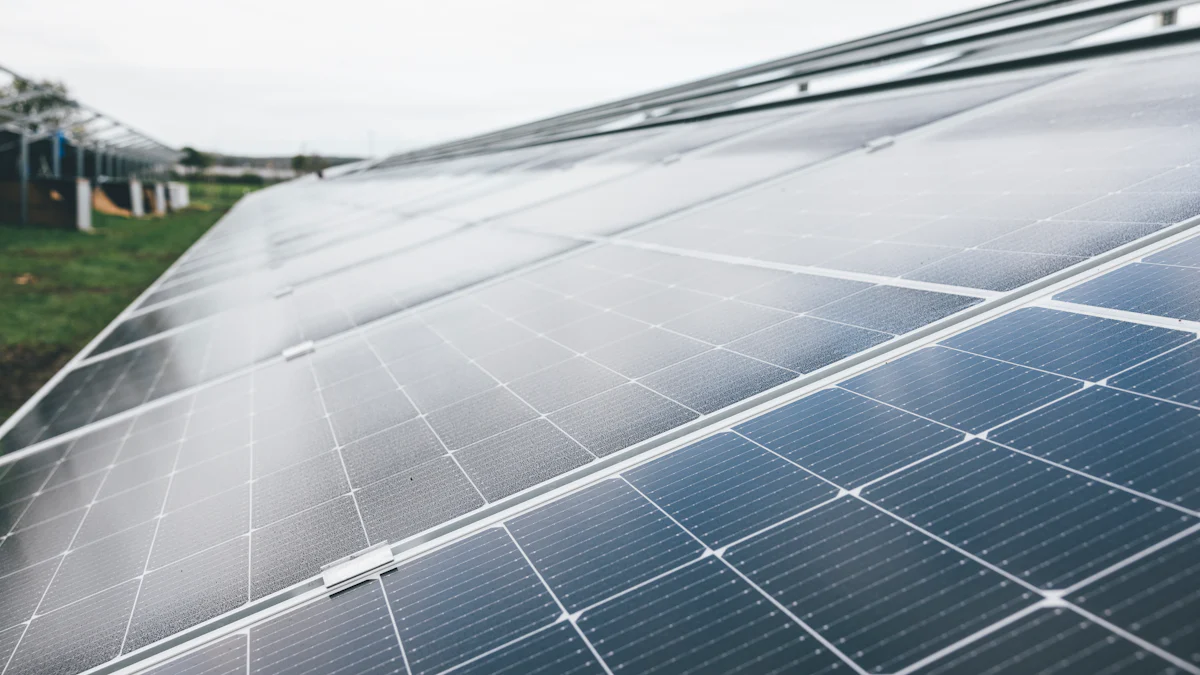
Solar PV Connectors play a vital role in ensuring the safety and efficiency of your solar energy system. These small yet powerful components establish secure electrical connections between solar panels and other system parts. They prevent power loss and maintain consistent electricity flow. Designed for durability, they withstand harsh outdoor conditions like rain, dust, and extreme temperatures. By using the right solar PV connector, you can optimize your system's performance and extend its lifespan. Understanding their importance helps you make informed decisions for your solar setup.
Key Takeaways
- Solar PV connectors are essential for ensuring safe and efficient connections in solar energy systems, preventing power loss and maintaining consistent electricity flow.
- MC4 connectors are the most popular choice due to their reliability, waterproof design, and compatibility with most modern solar panels, making them ideal for various installations.
- When selecting connectors, consider compatibility with your solar panels and system components to avoid performance issues or system failure.
- Proper installation of solar PV connectors involves inspecting components, securely crimping wires, and testing connections to ensure optimal performance.
- Regular maintenance, including periodic inspections and cleaning, is crucial for extending the lifespan of your Solar Connectors and ensuring consistent energy output.
- Investing in high-quality connectors may have a higher upfront cost but can lead to long-term savings by reducing maintenance needs and improving system efficiency.
- For specialized needs, consider alternatives like Radox or Amphenol H4 connectors, which offer enhanced durability and versatility in harsh environments.
Common Types of Solar PV Connectors
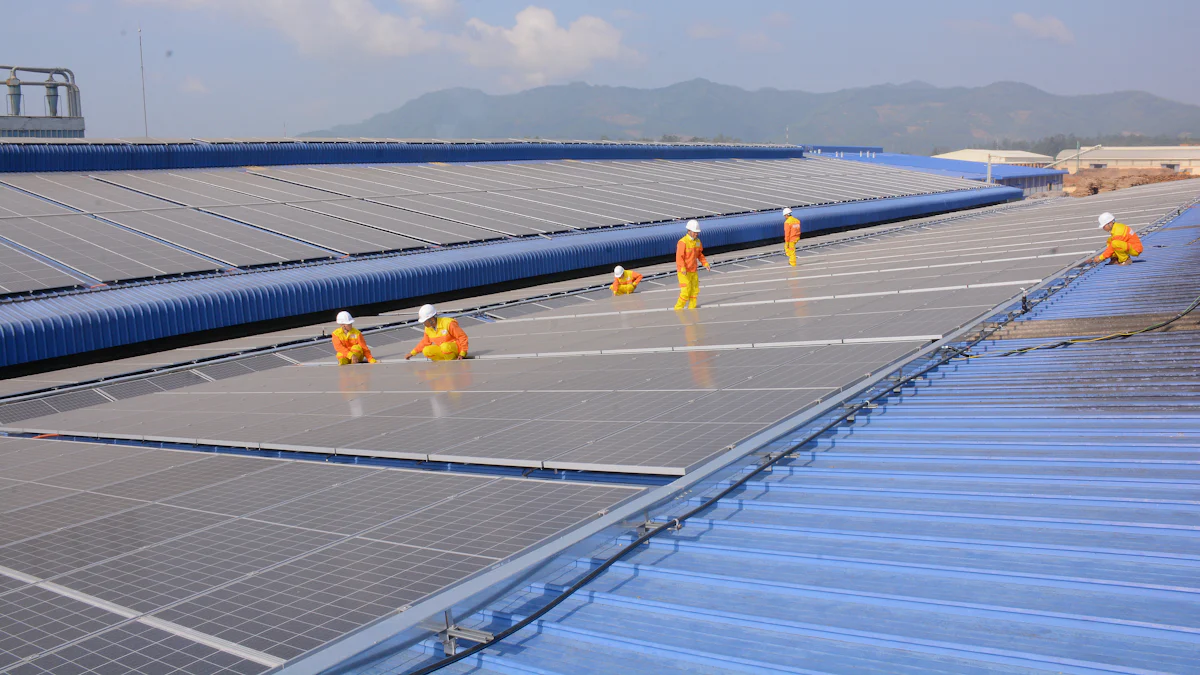
Solar PV connectors come in various types, each designed to meet specific needs in solar energy systems. Choosing the right connector ensures efficient power transfer and long-term reliability. Below, you’ll find an overview of the most common types of solar PV connectors, their features, and their applications.
MC4 Connectors
Features and Advantages
MC4 connectors are the most widely used solar PV connectors in modern systems. They feature a simple snap-in design, making installation quick and secure. These connectors are waterproof and dustproof, with an IP67 rating, ensuring durability in outdoor environments. Their robust construction resists UV radiation and extreme temperatures, which makes them ideal for long-term use. MC4 connectors also support high current and voltage ratings, enhancing their compatibility with large solar arrays.
MC4 connectors are known for their reliability and ease of use, making them the go-to choice for most solar installations.
Common Use Cases
You’ll often find MC4 connectors in residential, commercial, and utility-scale solar systems. They are commonly used to connect solar panels to inverters and other components. Their universal design allows them to work seamlessly with most solar panels, simplifying system integration. If you’re setting up a solar array, MC4 connectors are likely the best option for ensuring secure and efficient connections.
MC3 Connectors
Features and Advantages
MC3 connectors were widely used before MC4 connectors became the standard. They are smaller and less robust compared to MC4 connectors. While they lack the waterproof and dustproof features of MC4 connectors, they still provide reliable electrical connections. MC3 connectors are lightweight and easy to handle, which makes them suitable for smaller or temporary solar setups.
Common Use Cases
You might encounter MC3 connectors in older solar systems or portable solar kits. They are often used in applications where weather resistance is less critical. If you’re working on a small-scale project or replacing components in an older system, MC3 connectors could be a practical choice.
Amphenol H4 Connectors
Features and Advantages
Amphenol H4 connectors offer similar functionality to MC4 connectors but with added versatility. They are intermatable with MC4 connectors, meaning you can use them together in the same system. These connectors feature a locking mechanism that ensures a secure connection. They also have a high current-carrying capacity and excellent resistance to environmental factors like moisture and UV exposure.
Common Use Cases
Amphenol H4 connectors are often used in large-scale solar installations where compatibility and reliability are essential. You might choose these connectors if your system requires a mix of connector types or if you need a durable solution for harsh environments. Their compatibility with MC4 connectors makes them a flexible option for expanding existing systems.
Radox Connectors
Features and Advantages
Radox connectors stand out for their exceptional durability and resistance to extreme conditions. These connectors use high-quality materials that can withstand intense heat, cold, and UV exposure. Their robust design ensures reliable performance even in the harshest environments. Radox connectors also feature a compact structure, making them easy to handle and install. They provide excellent electrical conductivity, which minimizes power loss and enhances the efficiency of your solar energy system.
Radox connectors are engineered for long-term reliability, making them a dependable choice for demanding solar applications.
Common Use Cases
You will often find Radox connectors in industrial and utility-scale solar installations. Their ability to endure extreme weather conditions makes them ideal for projects in remote or challenging locations. If you are working on a solar system that requires high durability and consistent performance, Radox connectors could be the perfect fit. They are also a great option for systems that need minimal maintenance over time.
T4 and TYCO SolarLok Connectors
Features and Advantages
T4 and TYCO SolarLok connectors offer unique features that cater to specific solar system needs. T4 connectors are known for their high current-carrying capacity and secure locking mechanism. They ensure a stable connection, reducing the risk of power interruptions. TYCO SolarLok connectors, on the other hand, are designed for quick and easy installation. They feature a tool-free assembly process, which saves time during setup. Both types of connectors provide excellent resistance to environmental factors like moisture and dust.
T4 and TYCO SolarLok connectors combine efficiency and convenience, making them versatile options for various solar setups.
Common Use Cases
T4 connectors are commonly used in large-scale solar installations where high power output is required. They are suitable for connecting solar panels in arrays that demand robust and reliable connections. TYCO SolarLok connectors are often found in residential and small commercial solar systems. Their ease of installation makes them a popular choice for DIY solar projects. If you value simplicity and efficiency, these connectors can meet your needs effectively.
Comparing Solar PV Connectors
Compatibility with Solar Panels and Systems
When selecting a solar PV connector, compatibility with your solar panels and system components is crucial. Each connector type has specific design features that determine its fit with different panels and inverters. For example, MC4 connectors are widely compatible with most modern solar panels, making them a versatile choice. Amphenol H4 connectors also offer compatibility with MC4 connectors, allowing you to mix and match them in the same system. On the other hand, older connectors like MC3 may not work with newer panels due to differences in design and standards. Always check the specifications of your panels and connectors to ensure they align. Using incompatible connectors can lead to poor performance or even system failure.
Electrical Performance and Efficiency
The efficiency of your solar system depends heavily on the electrical performance of the connectors you use. High-quality connectors minimize power loss during transmission, ensuring maximum energy output. MC4 connectors, for instance, support high current and voltage ratings, making them ideal for large solar arrays. Radox connectors also excel in maintaining excellent electrical conductivity, even under extreme conditions. In contrast, older or lower-grade connectors may experience higher resistance, which can reduce efficiency. To optimize your system's performance, choose connectors designed for your specific power requirements.
Durability and Resistance to Environmental Factors
Solar PV connectors must withstand harsh outdoor conditions to ensure long-term reliability. Factors like UV exposure, moisture, and temperature fluctuations can affect their performance. MC4 connectors, with their IP67 rating, offer excellent resistance to water and dust, making them suitable for outdoor installations. Radox connectors go a step further, providing exceptional durability in extreme environments, such as deserts or snowy regions. T4 connectors also feature robust designs that handle high power loads while resisting environmental stress. When evaluating durability, consider the climate and location of your solar installation. Durable connectors reduce maintenance needs and extend the lifespan of your system.
Cost and Availability
When choosing solar PV connectors, understanding their cost and availability helps you make informed decisions. The price of connectors varies based on their type, features, and quality. Some connectors, like MC4, are widely available and competitively priced due to their popularity. Their mass production ensures you can find them easily in most solar equipment stores or online marketplaces. This accessibility makes them a cost-effective option for many solar projects.
Other connectors, such as Radox or Amphenol H4, may come with a higher price tag. Their advanced features, like enhanced durability and compatibility, justify the additional cost. These connectors are often used in specialized or large-scale installations where performance and reliability are critical. While they may not be as readily available as MC4 connectors, you can still source them from reputable suppliers or manufacturers.
Investing in high-quality connectors can save you money in the long run by reducing maintenance costs and improving system efficiency.
If you’re working on a budget, consider the specific needs of your solar system. For smaller or temporary setups, affordable options like MC3 connectors might suffice. However, for long-term installations, spending more on durable connectors ensures better performance and longevity. Always balance cost with quality to achieve the best results for your solar energy system.
How to Connect and Maintain Solar PV Connectors

Step-by-Step Guide to Connecting Solar PV Connectors
Connecting solar PV connectors properly ensures the efficiency and safety of your solar energy system. Follow these steps to establish secure connections:
-
Inspect the Components
Check the connectors, cables, and terminals for any visible damage. Ensure all parts are clean and free from dust or debris. -
Prepare the Cables
Strip the insulation from the cable ends using a wire stripper. Expose enough wire to fit securely into the connector without leaving excess. -
Attach the Connector Pins
Insert the stripped wire into the metal pin of the connector. Use a crimping tool to secure the wire firmly. Ensure the connection is tight to avoid power loss. -
Assemble the Connector Housing
Slide the connector housing over the crimped pin. Push it until you hear a click, indicating the pin is locked in place. -
Connect the Male and Female Ends
Align the male and female connectors. Push them together until they snap securely. This ensures a waterproof and dustproof seal. -
Test the Connection
Use a multimeter to check the voltage and continuity of the connection. Confirm that the connectors are transmitting power correctly.
Properly connecting solar PV connectors reduces the risk of electrical faults and enhances system performance.
Tips for Ensuring Proper Installation
Installing solar PV connectors correctly prevents issues like power loss or system failure. Here are some tips to help you achieve a reliable setup:
-
Use High-Quality Tools
Invest in a good wire stripper and crimping tool. These tools ensure precise cuts and secure crimps, which are essential for a strong connection. -
Follow Manufacturer Guidelines
Refer to the instructions provided with your connectors. Each type of connector may have specific requirements for assembly and installation. -
Avoid Over-Tightening
When securing connectors, apply enough force to lock them in place but avoid over-tightening. Excessive force can damage the components. -
Label Your Connections
Mark the positive and negative cables to avoid confusion during installation. This practice simplifies troubleshooting and maintenance. -
Work in a Clean Environment
Keep the connectors and cables free from dirt and moisture during installation. Contaminants can compromise the connection quality.
Attention to detail during installation ensures the long-term reliability of your solar energy system.
Maintenance Best Practices for Long-Term Performance
Maintaining your solar PV connectors regularly helps extend their lifespan and ensures consistent performance. Follow these best practices:
-
Inspect Connections Periodically
Check the connectors for signs of wear, corrosion, or damage. Address any issues immediately to prevent further problems. -
Clean the Connectors
Use a soft brush or cloth to remove dirt and debris from the connectors. Avoid using harsh chemicals that could degrade the materials. -
Check for Loose Connections
Ensure the connectors remain tightly secured. Loose connections can lead to power loss or overheating. -
Protect Against Environmental Damage
Use protective covers or enclosures to shield the connectors from extreme weather conditions. This step is especially important in harsh climates. -
Replace Damaged Components
If a connector shows significant wear or damage, replace it promptly. Using faulty connectors can compromise the entire system.
Regular maintenance of solar PV connectors minimizes downtime and maximizes energy output.
Choosing the right solar PV connector plays a key role in ensuring your solar system operates safely and efficiently. MC4 connectors remain the top choice for most installations due to their reliability and weatherproof design. However, alternatives like MC3, Amphenol, Radox, T4, and TYCO SolarLok connectors can meet specific project needs. Proper installation and regular maintenance keep your system running smoothly and extend its lifespan. Always evaluate compatibility, electrical performance, and environmental resistance when selecting connectors to achieve the best results for your solar setup.
FAQ
What are solar PV connectors?
Solar PV connectors are specialized components that link solar panels to other parts of a solar energy system, such as inverters or batteries. They ensure a secure and efficient electrical connection, enabling the smooth flow of electricity. These connectors are designed to withstand outdoor conditions like rain, dust, and UV exposure.
Why are MC4 connectors so popular?
MC4 connectors are widely used because of their reliability and ease of use. Their snap-in design simplifies installation, while their waterproof and dustproof features make them ideal for outdoor setups. They also support high current and voltage ratings, making them compatible with most modern solar panels.
MC4 connectors are considered the industry standard for residential, commercial, and utility-scale solar systems.
Can I mix different types of solar PV connectors in one system?
Yes, you can mix certain types of connectors, but compatibility is key. For example, Amphenol H4 connectors are intermatable with MC4 connectors. However, not all connectors are designed to work together. Always check the specifications and consult the manufacturer to ensure compatibility before mixing connectors.
How do I choose the right solar PV connector for my system?
To choose the right connector, consider factors like compatibility with your solar panels, electrical performance, and environmental resistance. MC4 connectors are a versatile choice for most systems. For extreme conditions, Radox connectors offer exceptional durability. Evaluate your system's specific needs to make an informed decision.
Are older connectors like MC3 still usable?
MC3 connectors are still usable, but they are less common in modern systems. They lack the waterproof and dustproof features of newer connectors like MC4. If you are working on an older system or a temporary setup, MC3 connectors might be suitable. For long-term installations, consider upgrading to newer options.
How do I ensure a proper connection when installing solar PV connectors?
Follow these steps for a secure connection:
- Inspect all components for damage or debris.
- Strip the cable insulation carefully.
- Crimp the wire securely into the connector pin.
- Assemble the connector housing until it clicks.
- Test the connection with a multimeter to confirm proper power flow.
Proper installation prevents power loss and ensures system safety.
What maintenance do solar PV connectors require?
Regular maintenance keeps your connectors in good condition. Inspect them periodically for wear or corrosion. Clean them with a soft brush to remove dirt. Check for loose connections and tighten them if necessary. Replace damaged connectors promptly to avoid system issues.
Routine maintenance extends the lifespan of your solar energy system and ensures consistent performance.
Can I install solar PV connectors myself?
Yes, you can install solar PV connectors yourself if you have the right tools and follow the manufacturer's instructions. Use a wire stripper, crimping tool, and multimeter for accurate installation. Label your cables to avoid confusion. If you are unsure, consult a professional to ensure safety and efficiency.
Are solar PV connectors reusable?
Most solar PV connectors are not designed for repeated use. Disconnecting and reconnecting them multiple times can compromise their integrity. If you need to replace or reconfigure your system, consider using new connectors to maintain a secure and reliable connection.
What happens if I use incompatible connectors?
Using incompatible connectors can lead to poor electrical performance, power loss, or even system failure. It may also void warranties on your solar panels or other components. Always verify compatibility before purchasing or installing connectors to avoid costly mistakes.