

 Send Email
 Whatsapp


4mm Single Core Cable | Choose the Right Size Solar Cable | PV System

Choosing the right Solar Cable size for your photovoltaic (PV) system ensures safe and efficient energy transfer. A 4mm single core cable offers flexibility and reliability for various installations. Incorrect sizing leads to energy loss and overheating, which compromise safety. Proper selection protects your equipment and enhances system performance.
Key Takeaways
- Picking the correct solar cable, like a 4mm single core cable, keeps energy transfer safe and effective in your PV system.
- Right cable size reduces energy waste and overheating, keeping your equipment safe and improving system work.
- Always think about amp rating, voltage drop, and weather when choosing solar cables for your setup.
What is a 4mm Single Core Solar Cable?
Definition and Composition
A 4mm single core solar cable is a specialized electrical cable designed for photovoltaic (PV) systems. It consists of a single conductor, typically made of high-quality copper or aluminum, which ensures excellent conductivity. The conductor is surrounded by an insulating layer made from durable materials like cross-linked polyethylene (XLPE). This insulation protects the cable from extreme temperatures, UV radiation, and moisture, making it suitable for outdoor use.
The "4mm" refers to the cross-sectional area of the conductor, which determines its current-carrying capacity. This size strikes a balance between efficiency and flexibility, making it a popular choice for small to medium-sized solar installations. Its robust design ensures reliable performance even in harsh environmental conditions.
Tip: Always check the cable's specifications to ensure it meets the requirements of your PV system.
Common Applications in PV Systems
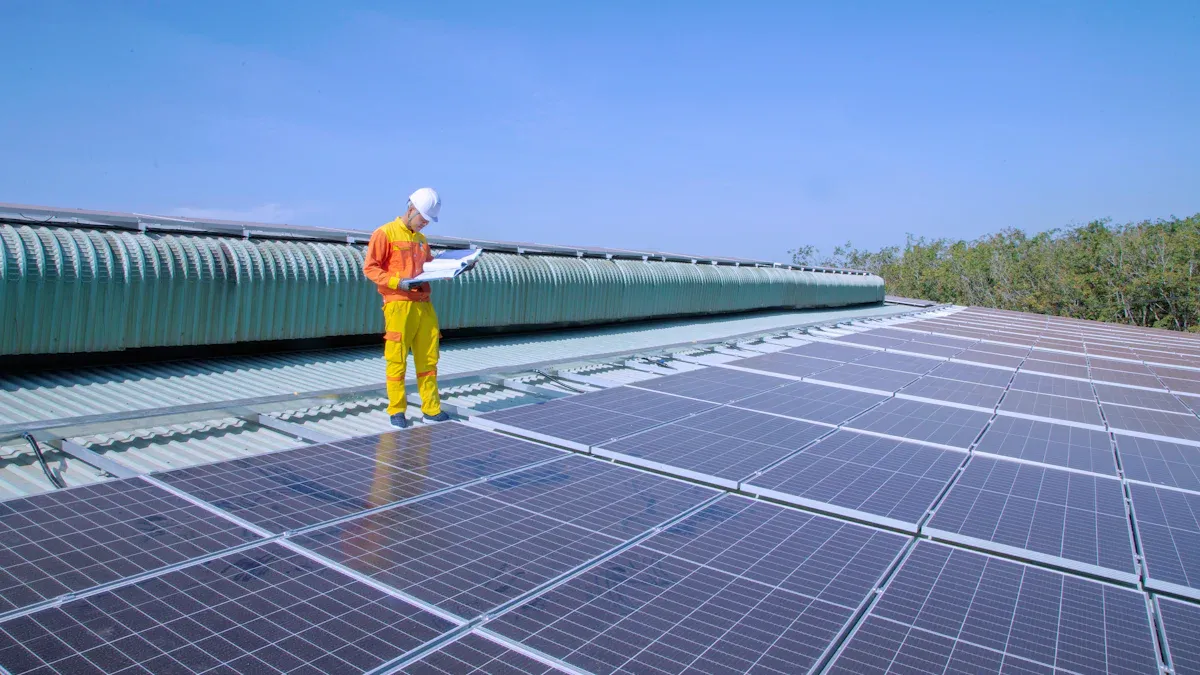
You’ll find 4mm single core solar cables used in various parts of a PV system. They are ideal for connecting solar panels to inverters or charge controllers. Their flexibility makes them easy to install in rooftop systems, ground-mounted arrays, and even off-grid setups. These cables are also commonly used for interconnecting multiple panels in a string.
Their durability and resistance to environmental factors make them a reliable choice for long-term use. Whether you’re setting up a residential solar system or a small commercial project, this cable size often meets the demands of your installation.
Why Proper Solar Cable Sizing is Crucial
Ensuring Efficiency and Performance
Choosing the right size for your solar cable ensures your PV system operates at peak efficiency. A properly sized cable minimizes energy loss during transmission. When electricity flows through a cable, resistance generates heat, which can reduce the amount of power reaching your devices. Using the correct cable size reduces this resistance, allowing more energy to reach your inverter or battery. This means your solar panels work more effectively, giving you the best return on your investment.
Tip: Always calculate the voltage drop for your system to ensure your cables are efficient.
Preventing Overheating and Safety Risks
Undersized cables can overheat, posing serious safety risks. When a cable carries more current than it’s designed for, the insulation may degrade or even catch fire. This not only damages your equipment but also endangers your property and safety. By selecting the correct cable size, you prevent overheating and ensure your system operates safely. A 4mm single core cable, for example, is often suitable for small to medium installations, offering a balance between safety and performance.
Complying with Industry Standards
Proper cable sizing also ensures compliance with industry standards. Regulatory bodies set guidelines for solar installations to maintain safety and efficiency. Using the wrong cable size could result in non-compliance, leading to penalties or system failures. By adhering to these standards, you protect your investment and ensure your PV system meets all legal requirements.
Key Factors for Choosing the Right Solar Cable
Amp Rating and Voltage Drop
When selecting a solar cable, you need to consider its amp rating and voltage drop. The amp rating tells you how much current the cable can safely carry without overheating. If the cable's amp rating is too low for your system, it may overheat and cause damage. Always check the current requirements of your PV system and match them with the cable's specifications.
Voltage drop is another critical factor. As electricity travels through a cable, some energy is lost due to resistance. This loss is called voltage drop. A high voltage drop reduces the efficiency of your solar system. To minimize this, choose a cable with the right thickness and keep the cable length as short as possible. For most small to medium installations, a 4mm single core cable offers a good balance between efficiency and practicality.
Tip: Aim for a voltage drop of less than 3% to ensure optimal system performance.
Temperature and Environmental Considerations
The environment where you install your solar cables plays a big role in their performance. High temperatures can increase resistance in the cable, leading to energy loss and potential overheating. On the other hand, extremely cold conditions can make the cable brittle. You should choose a cable designed to handle the temperature range of your location.
Environmental factors like UV exposure, moisture, and chemicals also affect cable durability. A high-quality solar cable, such as one with cross-linked polyethylene (XLPE) insulation, resists UV rays, water, and harsh weather conditions. This makes it suitable for outdoor installations. Always check the cable's temperature rating and environmental resistance to ensure it meets your system's needs.
Note: If your cables will be buried underground, ensure they are rated for direct burial to prevent damage over time.
Installation Type and Cable Length
The type of installation and the length of the cable also influence your choice. For rooftop systems, you may need Flexible Cables that can bend around corners and fit into tight spaces. Ground-mounted systems often require longer cables, which can increase voltage drop. In such cases, you might need a thicker cable to maintain efficiency.
Cable length directly impacts energy loss. The longer the cable, the higher the resistance and voltage drop. Measure the distance between your solar panels, inverters, and batteries before purchasing cables. This ensures you get the right length and thickness for your setup. A 4mm single core cable is often sufficient for short to medium distances in residential systems.
Tip: Use cable management tools like clips and conduits to keep your installation neat and safe.
How to Calculate the Correct Solar Cable Size
Step-by-Step Calculation Process
Determining the correct size for your solar cable involves a few straightforward steps. By following this process, you can ensure your photovoltaic (PV) system operates efficiently and safely. Here's how you can calculate the right cable size:
-
Identify the Current Requirements
Start by determining the maximum current your PV system will generate. You can find this information in your solar panel specifications or inverter manual. This value is crucial because it helps you select a cable that can handle the current without overheating. -
Measure the Cable Length
Measure the distance between your solar panels and the inverter or battery. Longer cables increase resistance, which leads to voltage drop. Accurate measurements ensure you choose a cable that minimizes energy loss. -
Calculate the Voltage Drop
Use the formula below to calculate the voltage drop:Voltage Drop (V) = Current (I) × Resistance (R) × Cable Length (L)Resistance values for different cable sizes are available in standard tables. Aim for a voltage drop of less than 3% to maintain system efficiency.
-
Consider Environmental Factors
Check the temperature and environmental conditions where the cable will be installed. High temperatures or exposure to UV rays can affect cable performance. Choose a cable with insulation designed for your specific environment. -
Verify Compliance with Standards
Ensure the cable meets industry standards for solar installations. Look for certifications like TÜV or IEC to confirm the cable's quality and safety.
Tip: Use online solar cable calculators for quick and accurate results. These tools simplify the process by factoring in current, length, and environmental conditions.
Example Calculation for a PV System
Let’s walk through an example to illustrate how to calculate the correct solar cable size for a residential PV system:
-
System Details
- Maximum Current: 10 amps
- Cable Length: 20 meters (one-way)
- Voltage: 48V
-
Resistance Value
For a 4mm single core cable, the resistance per meter is approximately 0.005 ohms. -
Voltage Drop Calculation
Using the formula:Voltage Drop (V) = Current (I) × Resistance (R) × Cable Length (L) Voltage Drop = 10 × 0.005 × 20 = 1VThe voltage drop is 1V, which is well within the acceptable range (less than 3% of 48V).
-
Environmental Check
The installation is outdoors, exposed to sunlight and rain. A 4mm single core cable with UV-resistant XLPE insulation is suitable for this setup. -
Final Decision
Based on the calculations and environmental factors, a 4mm single core cable meets the requirements for this system. It ensures efficiency, safety, and compliance with industry standards.
Note: If the cable length were longer or the current higher, you might need a thicker cable to reduce voltage drop and prevent overheating.
Comparing 4mm Single Core Cables with Other Options
Single Core vs. Multi-Core Solar Cables
When choosing between single core and multi-core solar cables, you need to consider your system's specific requirements. A single core cable, like the 4mm option, contains one conductor. This design makes it lightweight, flexible, and easy to install. It works well for straightforward solar installations, such as connecting panels to inverters or charge controllers.
Multi-core cables, on the other hand, house multiple conductors within a single sheath. These cables are ideal for complex systems where multiple connections are needed in a compact space. They reduce clutter and simplify wiring in installations with limited room. However, they tend to be bulkier and less flexible than single core options.
Tip: Use single core cables for simpler setups and multi-core cables for more intricate systems requiring multiple connections.
4mm vs. Other Cable Sizes
The 4mm Solar Cable strikes a balance between efficiency and practicality. It handles moderate current levels while maintaining flexibility. This makes it a popular choice for residential and small commercial PV systems. For larger installations, thicker cables like 6mm or 10mm may be necessary to handle higher currents and minimize voltage drop over long distances.
Smaller cables, such as 2.5mm, are lighter and easier to manage but may not support the current demands of most PV systems. Using an undersized cable can lead to overheating and energy loss. Always match the cable size to your system's current and voltage requirements.
Note: If your system involves long cable runs, consider upgrading to a thicker cable to reduce energy loss.
Installation and Maintenance Tips for Solar Cables
Best Practices for Installation
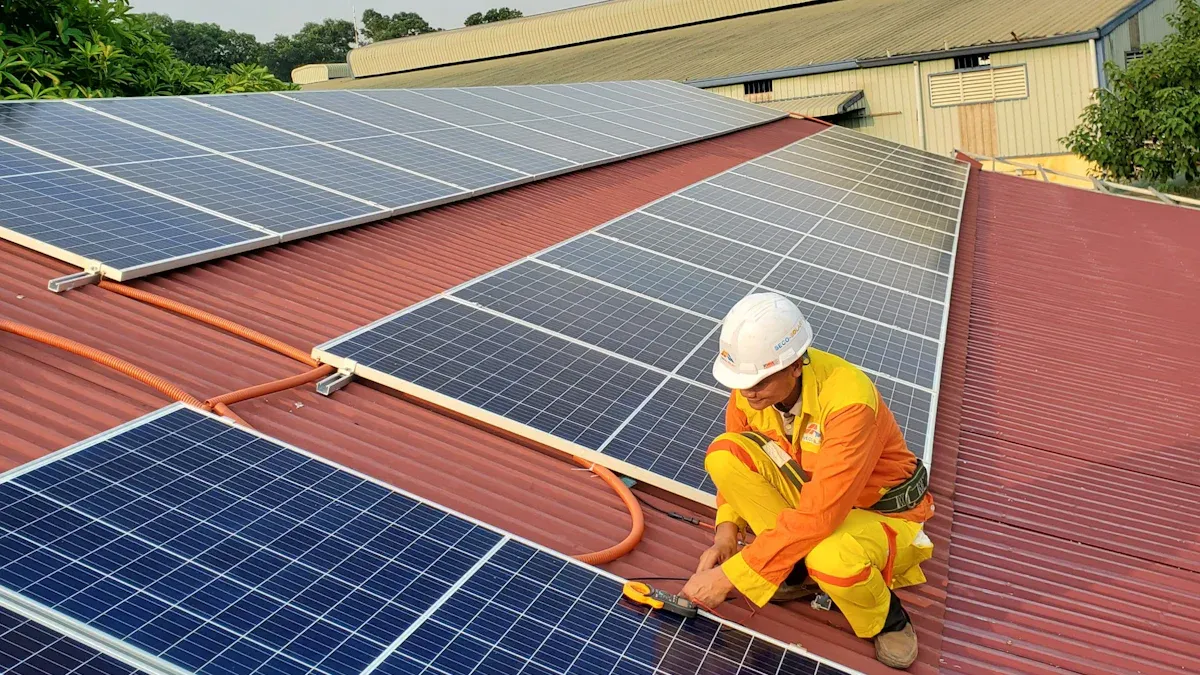
Proper installation ensures your solar cables perform efficiently and safely. Follow these best practices to achieve a reliable setup:
- Plan Your Layout: Map out the cable routes before installation. This helps you avoid unnecessary bends and reduces cable length, minimizing energy loss.
- Use Appropriate Tools: Invest in high-quality wire cutters and crimping tools. These ensure clean cuts and secure connections.
- Secure the Cables: Use cable clips or conduits to keep cables organized and protected. This prevents damage from sharp edges or external forces.
- Avoid Overstretching: Leave some slack in the cables to accommodate thermal expansion and contraction. Tight cables may break over time.
- Check Polarity: Double-check the positive and negative connections to avoid short circuits. Incorrect wiring can damage your equipment.
Tip: Label your cables during installation. This makes troubleshooting easier and saves time in the future.
Maintenance for Longevity and Safety
Regular maintenance keeps your solar cables in top condition and extends their lifespan. Here’s how you can maintain them effectively:
- Inspect for Damage: Check cables for cracks, cuts, or signs of wear. Replace damaged cables immediately to prevent system failures.
- Clean Connections: Dirt and corrosion can reduce conductivity. Use a soft brush or cloth to clean connectors periodically.
- Monitor Performance: Keep an eye on your system’s output. Sudden drops in efficiency may indicate cable issues.
- Protect Against Pests: Rodents can chew through cables. Install protective coverings or conduits to deter them.
- Verify Insulation: Ensure the insulation remains intact. Exposure to UV rays or moisture can degrade it over time.
Note: Schedule annual inspections to catch potential problems early and maintain system safety.
Selecting the right solar cable ensures your PV system operates safely and efficiently. A 4mm single core cable offers durability, flexibility, and reliable performance for small to medium installations.
Tip: Evaluate your system’s current, voltage, and environmental needs before choosing a cable. This careful assessment protects your investment and maximizes energy output.
FAQ
What is the maximum current a 4mm single core cable can handle?
The maximum current depends on the cable's insulation and installation conditions. Typically, it supports up to 55 amps in ideal environments.
Tip: Always check the manufacturer's specifications for accurate ratings.
Can you use a 4mm single core cable for underground installations?
Yes, but only if the cable is rated for direct burial. Look for cables with reinforced insulation to prevent damage from soil and moisture.
How often should you inspect solar cables for maintenance?
Inspect your solar cables at least once a year. Look for signs of wear, corrosion, or damage to ensure safety and efficiency.
Note: Regular inspections help you catch issues early and avoid costly repairs.