

 Send Email
 Whatsapp


Do solar cables get hot?
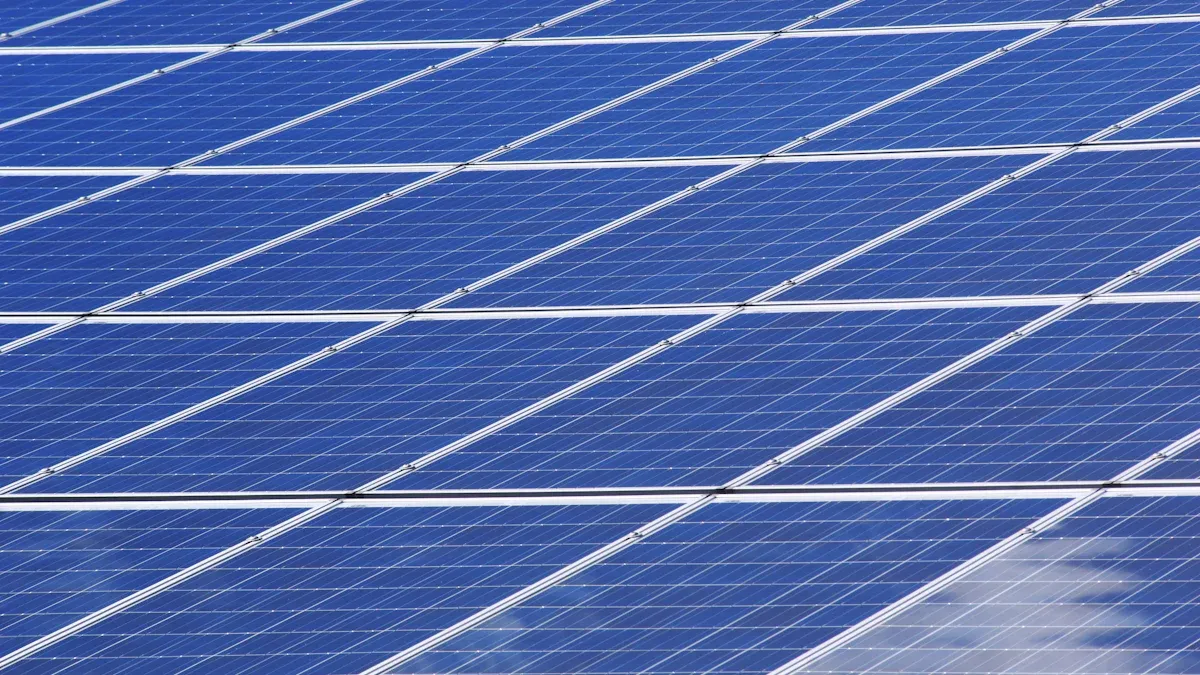
Solar Cables heat up when they carry electrical current. This happens because resistance in the cable generates heat as electricity flows. Environmental factors like high temperatures or direct sunlight can add to this. Poor insulation or low-quality materials may also cause more heat. You should monitor these cables to avoid problems.
Key Takeaways
- Solar cables get warm because of electrical resistance. Use the right cable size for the current to lower heat.
- Things like sunlight and bad airflow can make cables hotter. Place cables in cool, airy spots to keep them from overheating.
- Checking cables often and watching their temperature is important. Look for damage and use heat cameras to spot problems early.
Why do solar cables get hot?

Electrical current and resistance in solar cables
When electricity flows through a solar cable, it encounters resistance. This resistance generates heat as a byproduct. The higher the current passing through the cable, the more heat it produces. If the cable is too small for the amount of current it carries, the heat buildup can become significant. You might notice this issue in systems where the cables are undersized or overloaded.
To avoid this, you should always match the cable size to the current requirements of your solar power system. Using a cable with a lower resistance rating can also help reduce heat generation. Think of it like water flowing through a pipe—if the pipe is too narrow, the pressure increases, and the system struggles to function efficiently. Similarly, a properly sized solar cable ensures smooth energy flow with minimal heat loss.
Environmental factors affecting solar cables
The environment plays a big role in how hot a solar cable gets. Direct sunlight can heat the cable's surface, especially in areas with high ambient temperatures. If the cable is installed in a location with poor ventilation, the trapped heat can make the situation worse. For example, cables running through tight spaces or under roofing materials may experience higher temperatures.
You should consider the installation environment when setting up your solar power system. Placing cables in shaded or well-ventilated areas can help reduce heat exposure. Additionally, using UV-resistant cables can protect them from damage caused by prolonged sunlight exposure.
Impact of cable quality and insulation on heat buildup
The quality of the solar cable and its insulation directly affects how much heat it generates. Low-quality cables often have higher resistance, which leads to more heat production. Poor insulation can also fail to contain the heat, allowing it to spread to nearby components. Over time, this can degrade the cable and reduce the efficiency of your solar power system.
Investing in high-quality cables with durable insulation is essential. Look for cables specifically designed for solar applications, as they are built to handle high temperatures and resist wear and tear. Proper insulation not only prevents heat loss but also protects the cable from environmental factors like moisture and UV rays. By choosing the right materials, you can ensure the longevity and safety of your solar setup.
Risks of overheating in solar cables
Safety hazards, including fire risks
Overheating in solar cables can pose serious safety risks. Excessive heat may damage the cable insulation, exposing the wires inside. This increases the chance of electrical short circuits, which can lead to fires. If you ignore these issues, the risk of fire hazards grows significantly.
To ensure safety, you should regularly inspect your solar cables for signs of wear or overheating. Look for discoloration, melting, or a burning smell near the cables. These are clear indicators of potential danger. Addressing these problems early can prevent accidents and protect your property.
Efficiency loss and energy wastage
When solar cables overheat, they lose efficiency. Heat increases electrical resistance, which reduces the amount of energy that flows through the cable. This means your solar power system generates less usable electricity. Over time, this energy loss can add up, reducing the overall performance of your system.
You can minimize energy wastage by using high-quality cables designed for solar applications. Properly sized cables also help maintain efficiency by reducing resistance and heat buildup.
Long-term damage to solar cables and system components
Prolonged overheating can weaken the materials in your solar cables. Insulation may crack, and the wires inside may corrode or degrade. This not only shortens the lifespan of the cables but also affects other components in your solar power system. For example, damaged cables can strain your inverter or solar panels, leading to costly repairs.
To avoid long-term damage, you should perform regular maintenance and replace worn-out cables promptly. Monitoring the temperature of your solar cables can also help you catch problems before they escalate.
Preventing overheating in solar cables
Selecting the right solar cable size and type
Choosing the correct solar cable is one of the most important steps in preventing overheating. A cable that is too small for the current it needs to carry will generate excessive heat. You should always check the current rating of your solar power system and select a cable size that matches or exceeds this requirement. Larger cables can handle more current with less resistance, which reduces heat buildup.
The type of cable also matters. Solar cables designed specifically for photovoltaic systems are built to withstand high temperatures and harsh outdoor conditions. These cables often have better insulation and are more durable than standard electrical cables. When selecting a cable, look for certifications that indicate it meets industry standards for solar applications.
Tip: Always consult a professional or refer to the manufacturer’s guidelines when choosing a solar cable. This ensures you select the right size and type for your system.
Ensuring proper installation of solar cables
Proper installation plays a key role in keeping your solar cables from overheating. Poorly installed cables can experience unnecessary stress, leading to higher resistance and heat generation. You should ensure that cables are not bent sharply or stretched too tightly. These issues can damage the insulation and increase the risk of overheating.
Cables should also be installed in well-ventilated areas whenever possible. Avoid running them through confined spaces where heat can accumulate. If outdoor installation is required, use cable trays or conduits to protect the cables from direct sunlight and physical damage.
Note: Secure the cables firmly using appropriate clamps or ties. Loose cables can move around, causing wear and tear over time.
Regular maintenance and temperature monitoring
Regular maintenance is essential for preventing overheating in your solar cables. You should inspect the cables periodically for signs of wear, such as cracks in the insulation or discoloration. These issues can indicate overheating or other problems that need immediate attention.
Temperature monitoring is another effective way to ensure your cables remain safe. You can use infrared thermometers or thermal imaging cameras to check the surface temperature of the cables. If you notice any unusual heat buildup, investigate the cause and address it promptly.
Creating a maintenance schedule helps you stay on top of potential issues. Include tasks like cleaning the cables, checking connections, and replacing damaged components. By staying proactive, you can extend the lifespan of your solar power system and maintain its efficiency.
Reminder: Keep a record of your maintenance activities. This helps you track the condition of your system and identify recurring issues.
Solar cables can heat up, but you can manage this effectively by understanding the causes and risks.
- Choose high-quality cables that match your system's needs.
- Install them correctly to avoid unnecessary stress.
- Perform regular maintenance and monitor temperatures.
Tip: Proactive care ensures safety, prevents energy loss, and keeps your solar system running efficiently.
FAQ
1. How can you tell if a solar cable is overheating?
Look for discoloration, melting, or a burning smell. Use a thermal imaging camera to check cable temperatures for unusual heat buildup.
Tip: Regular inspections help you catch overheating early.
2. Do thicker cables prevent overheating?
Yes, thicker cables reduce resistance and heat generation. Always choose cables that match or exceed your system's current requirements.
Reminder: Consult a professional for proper cable sizing.
3. Can solar cables overheat in cold climates?
Yes, poor insulation or undersized cables can still overheat. Environmental factors like direct sunlight or confined spaces may contribute to heat buildup.
Note: High-quality cables work well in all climates.