

 Send Email
 Whatsapp


Does the length of an extension cord affect the power?
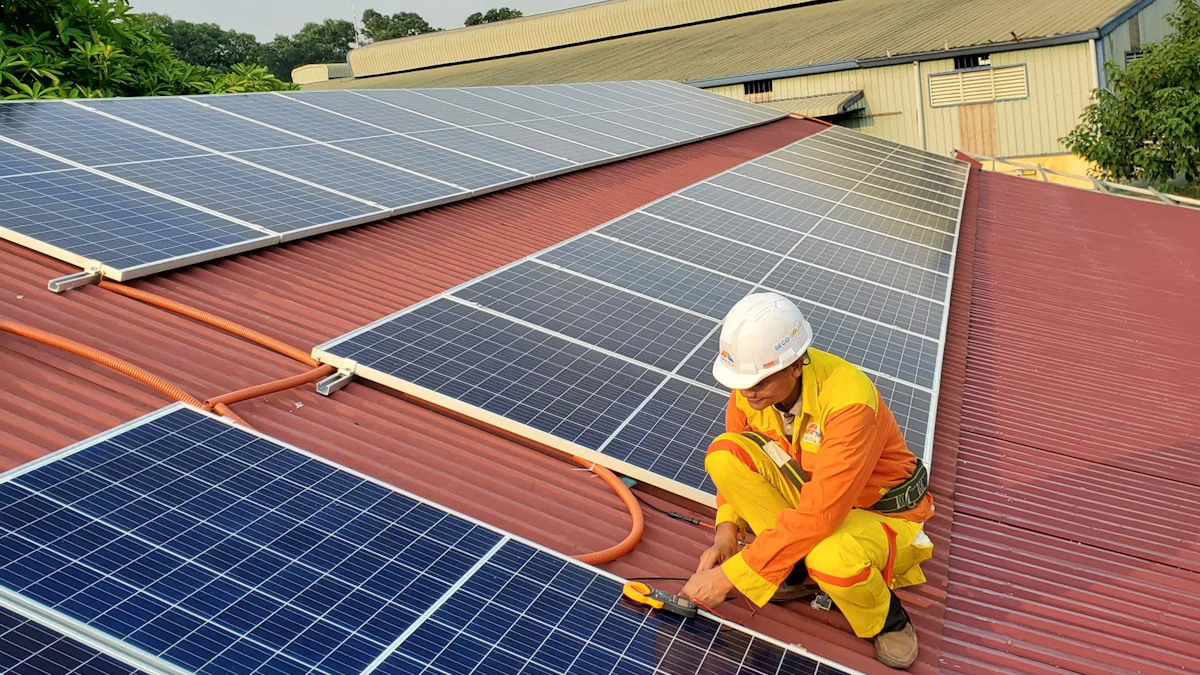
The length of an extension cord plays a critical role in how effectively it delivers power to your devices. Longer cords increase resistance, which causes voltage to drop before reaching your equipment. This can reduce performance or even damage high-power devices. For tasks like connecting outdoor equipment, a Solar Extension cable designed for efficiency can help minimize these issues.
Key Takeaways
- Longer cords make it harder for electricity to flow. This can lower voltage and make devices work less well.
- Use a thicker cord with a smaller gauge number for strong devices. This helps electricity move better and keeps power steady.
- Make sure the cord matches your device's power needs. This prevents overheating and keeps things safe.
How Does the Length of an Extension Cord Affect Power?
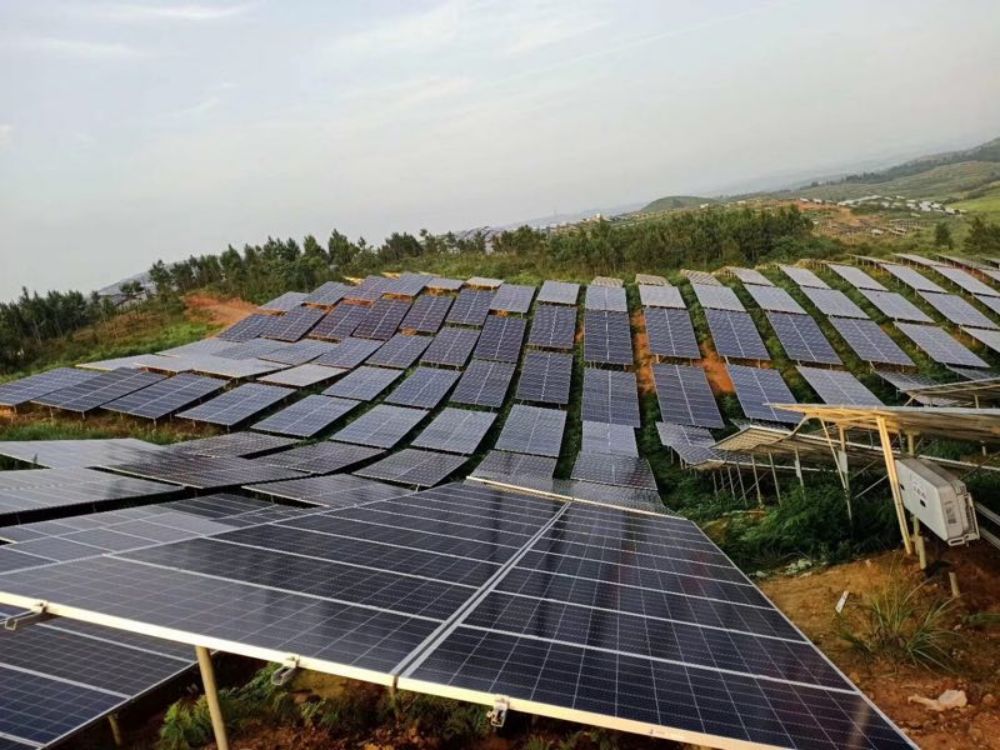
The relationship between cord length and resistance
The longer an extension cord, the more resistance it creates. Resistance occurs because the electrical current must travel through the wire material, which naturally opposes the flow of electricity. When you use a longer cord, the electrons encounter more material, increasing resistance. This resistance reduces the amount of power that reaches your device.
For example, if you connect a high-power tool to a long cord, the tool may not perform as expected. The resistance in the cord limits the energy available to the tool. Shorter cords reduce this issue by minimizing the distance electricity must travel. Always consider the length of the cord when planning your setup.
Voltage drop and its impact on power delivery
Voltage drop happens when electricity loses energy as it travels through a cord. This loss occurs because of resistance. The longer the cord, the greater the voltage drop. Devices that require a specific voltage to operate may not function properly if the voltage drops too much.
You might notice lights dimming or tools running slower when using a long cord. This happens because the voltage reaching the device is lower than what it needs. To avoid this, use a cord that matches the power requirements of your device. For outdoor equipment, a solar extension cable can help maintain efficiency by reducing voltage drop over long distances.
Why cord thickness (gauge) matters for power transmission
The thickness of an extension cord, also known as its gauge, plays a critical role in power transmission. Thicker cords have less resistance, allowing electricity to flow more easily. Thinner cords, on the other hand, create more resistance and are less efficient at delivering power.
When choosing a cord, look for one with a lower gauge number. Lower numbers indicate thicker wires. For example, a 12-gauge cord is thicker and can handle more power than a 16-gauge cord. If you need to use a long cord, selecting a thicker one can help reduce resistance and voltage drop. This is especially important for high-power devices or when using a solar extension cable for outdoor applications.
Risks of Using an Extension Cord That’s Too Long

Overheating and fire hazards
Using an extension cord that’s too long can lead to overheating. As the cord length increases, so does the resistance. This resistance generates heat when electricity flows through the wire. If the cord isn’t thick enough to handle the load, the heat can build up quickly. Over time, this may damage the cord’s insulation or even cause a fire.
Tip: Always check the cord for signs of wear, such as cracks or melted insulation. Replace damaged cords immediately to avoid safety risks.
To reduce the risk of overheating, choose a cord with the right gauge for your device. A thicker cord can handle more power without overheating, even over long distances.
Reduced performance of high-power devices
Long cords can cause high-power devices to underperform. Voltage drop becomes more significant as the cord length increases. Devices like power tools, air conditioners, or heaters may not receive enough voltage to operate efficiently. You might notice slower speeds, weaker output, or inconsistent performance.
For example, a power drill connected to a long, thin cord may struggle to maintain its speed. This not only affects your work but can also strain the device, shortening its lifespan.
Common issues with long cords in household and outdoor use
Long cords often create practical problems in everyday use. They can tangle easily, making them difficult to manage. Tripping hazards increase when cords stretch across walkways or outdoor spaces. Additionally, long cords exposed to outdoor elements like rain or sunlight may degrade faster.
Note: Use weather-resistant cords for outdoor applications. Keep them off the ground to prevent water damage and reduce wear.
By understanding these risks, you can make safer and more efficient choices when using extension cords.
Choosing the Right Extension Cord for Your Needs
Understanding cord gauge and length for power requirements
When selecting an extension cord, you need to consider both its gauge and length. These two factors directly affect how well the cord delivers power to your devices. The gauge refers to the thickness of the wire inside the cord. A lower gauge number means a thicker wire, which can handle more electricity with less resistance. For example, a 12-gauge cord is better suited for high-power tools than a 16-gauge cord.
The length of the cord also matters. Longer cords create more resistance, which leads to voltage drop. If you plan to use a cord over a long distance, choose one with a lower gauge to minimize power loss. For instance, a 50-foot cord should ideally be thicker than a 25-foot cord to maintain efficiency. Always match the cord's specifications to the power needs of your devices to ensure safe and effective operation.
A guide to selecting a solar extension cable
A solar extension cableis essential for connecting solar panels to other equipment, such as inverters or batteries. When choosing one, you should focus on its length, gauge, and material. Solar Cables are often used outdoors, so they must be durable and weather-resistant. Look for cables with UV-resistant insulation to protect them from sunlight damage.
The gauge of the solar extension cable is crucial for efficient power transmission. A thicker cable (lower gauge) reduces resistance and minimizes voltage drop, especially over long distances. For example, if your solar panels are far from your battery bank, a 10-gauge solar extension cable might be a better choice than a 14-gauge one.
You should also check the connectors on the cable. Many solar extension cables come with pre-installed connectors that match standard solar panel ports. This makes installation easier and ensures a secure connection. By selecting the right solar extension cable, you can maximize the efficiency of your solar power system.
Tips for matching cords to device specifications
Matching an extension cord to your device's specifications is vital for safety and performance. Start by checking the power requirements of your device, usually listed in watts or amps. Then, compare this to the cord's capacity. For example, a cord rated for 15 amps can safely handle devices that draw up to 15 amps of current.
Consider the environment where you'll use the cord. For outdoor use, choose a cord with weather-resistant insulation. If you're powering high-energy devices like heaters or power tools, opt for a thicker cord with a lower gauge. For solar setups, a solar extension cable designed for outdoor conditions can help maintain efficiency and safety.
Finally, avoid daisy-chaining multiple cords together. This increases resistance and the risk of overheating. Instead, use a single cord that meets the length and power requirements of your setup. By following these tips, you can ensure your devices operate safely and efficiently.
The length of an extension cord directly affects how much power reaches your devices. Longer cords increase resistance, leading to voltage drops that can reduce performance or create safety risks.
Tip: Always choose a cord with the right gauge and length for your device’s power needs.
- Use shorter cords whenever possible to minimize resistance.
- Match the cord’s specifications to your device for safe and efficient operation.
By following these practices, you ensure reliable power delivery and reduce hazards.
FAQ
Can you connect multiple extension cords together?
No, you should avoid daisy-chaining extension cords. This increases resistance, causes overheating, and creates safety hazards like fire risks. Use a single cord of the correct length.
How do you know if an extension cord is safe for outdoor use?
Check the cord’s label for “outdoor-rated” or “weather-resistant.” These cords have durable insulation to withstand moisture, sunlight, and temperature changes.
What happens if you use the wrong gauge extension cord?
Using the wrong gauge can cause voltage drops or overheating. A thin cord may not handle the power load, leading to device damage or safety risks.